
Furnace Repair in Idaho
Across the counties where its people live, Idaho recorded less severe weather from 2015 to 2024 than 31 of the other 49 states.
Tell us about the job
Takes about a minute. No obligation.
- 22°Fwinter overnight low where people live
- 10 monthsof heat, September through June
- $8.25 per million Btuwhat homes paid for natural gas in 2024 (Btu means British thermal units, a measure of heat)
- 1,773winter storms from 2015 to 2024
Ten months of heat wears a furnace down. Worst on the coldest nights.
- Eastern counties need about 29% more heat than western ones
- Winter nights average 22°F where people live
- Heat runs September through June
- 1,773 winter storms from 2015 to 2024
- Climate zones 5B and 6B across the state
- 11% of homes lost power a day or more in 2024

Half of Idaho's homes were built in 1991 or later.
September is when most furnaces here get asked to work after sitting idle since spring. A weak igniter or a cracked heat exchanger can sit quiet all summer and then fail the first cold week it has to run every day. If your furnace is struggling in early fall, that is not bad luck. That is a part that was already on its way out.
Idaho furnaces run from September through June, about ten months of the year. That is more months of heat than in 45 of the other states. A system here gets less rest between seasons than almost anywhere else, which means less time for a strained part to show real trouble before it has to carry a full load again.
One quiet month left to catch what's wrong
August is the last quiet month before the furnace has to carry its full load again. Once September heat starts, it runs most days clear through June. That is a long stretch for one weak part to hide in. If yours is short-cycling or blowing cool air now, get it looked at before the cold settles in, not after.

2 months of cooling, July through August
10 months of heat, September through June
Idaho splits into two different furnace climates. Homes across the eastern counties need about 29% more heat over a year than homes across the western counties, and that gap shows up directly in how hard a furnace works.
The widest split in the state runs between Custer County, where homes need about 78% more heat over a year than anywhere else in Idaho, and Canyon County, where the state's heating need is lowest. A furnace in Custer County is carrying a very different load than one in Canyon County, even in the same winter.
Length of season matters as much as how cold it gets. Valley County needs heat about 12 months a year, the longest stretch in the state. Ada County needs it for about 8. A furnace in Valley County doesn't get the summer gap that gives a worn part time to fail quietly before it has to carry a full load again.
Nighttime cold follows the same east-west line. Winter nights average 17°F across the eastern counties against 25°F across the western counties. That difference alone changes how often an igniter or heat exchanger has to fire on the coldest setting a furnace has.
Where a furnace sits in the state changes what to expect from it. In the coldest, longest-heating counties, a worn part has less downtime to be caught before it fails outright. In the milder counties, a furnace gets more rest between seasons, so the same worn part is more likely to show smaller signs first, a weak flame, a short cycle, before it quits.
What does a furnace in Idaho face?
How cold do winter nights get?
22°Faverage overnight low where people live
North Dakota4°F
Hawaii65°F
How many months does the heat run?
10 monthsof heating a year
Hawaii0 months
Alaska12 months
What does natural gas cost?
$8.25per million Btu, what homes paid in 2024
Montana$7.77
Hawaii$53.25
How often do storms hit?
186severe weather events per county from 2015 to 2024
Alaska5
Wyoming1,057
How many homes lost power for a day or more?
11%of homes in 2024
Arizona7%
Maine54%
What actually wears out
The igniter is usually the first thing to go. It heats up every time the furnace starts, over and over, and that cycle of heating and cooling wears it out until it just stops glowing. The flame sensor fails a different way. It gets a film of residue on it until it can't see the flame anymore, and the furnace shuts itself off as a safety response even though nothing else is wrong. An inducer motor with worn bearings announces itself early, a grinding or rattling sound on startup before it fails outright. The heat exchanger is the one worth taking seriously. It expands and contracts every cycle, and that's what eventually cracks it. A cracked exchanger can let combustion gases into the air the blower pushes through the house, so a carbon monoxide alarm near a running furnace is never something to wait out. Control boards fail too, mostly from age, and when one goes the furnace can act strange in ways that don't point to any single part. Most of these show small signs first, a slow start, a weak flame, a short cycle, before they fail on the day the furnace is asked to run hardest.
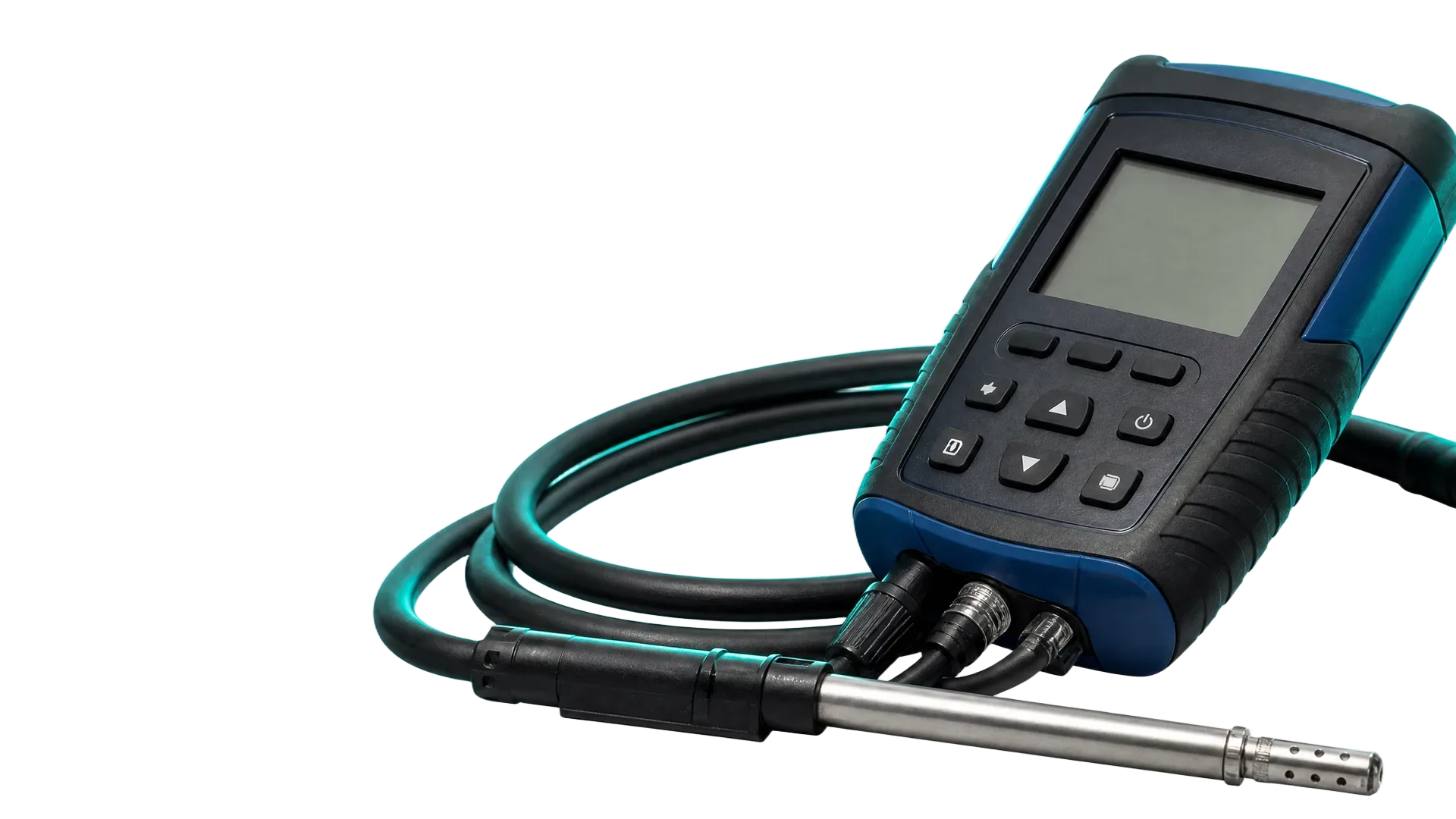
Is it worth fixing, or is it the whole furnace
A furnace is really a handful of parts with different lifespans, not one thing that wears out all at once. So the real question is whether the part that failed is worth fixing on its own. An igniter or a flame sensor is cheap and simple, and swapping one out is almost always worth doing, no matter how old the furnace is. A cracked heat exchanger is different. That's the core of the furnace, and once it's cracked the furnace gets replaced, not repaired around. Age matters less than how the furnace was running before the part gave out. One that ran fine for years and then had a single part fail is in a different spot than one where the inducer motor is rattling and the control board is acting up around the same time the heat exchanger goes. When several parts are wearing out together, fixing the one in front of you usually just buys a few months before the next one quits. That pattern, more than the age on the furnace, is what tells a tech whether a repair is worth making.
A newer house usually means a furnace worth fixing
Half of Idaho's homes were built in 1991 or later. Most are single-family houses, the kind where one furnace heats the whole place rather than a few rooms off a shared system. A furnace that came with a newer house usually still has plenty of working life left in it. That matters when you're looking at a failed igniter or a burner that won't stay lit and wondering whether it's worth fixing. Here, it usually is. What decides that is the part in front of you, not the age of the house around it.
Whatever is wrong with your furnace now has months of hard winter ahead to get worse.
Tell us about the job
Takes about a minute. No obligation.
Answer a few questions about the furnace, and a licensed Idaho contractor will reach out to look at it.