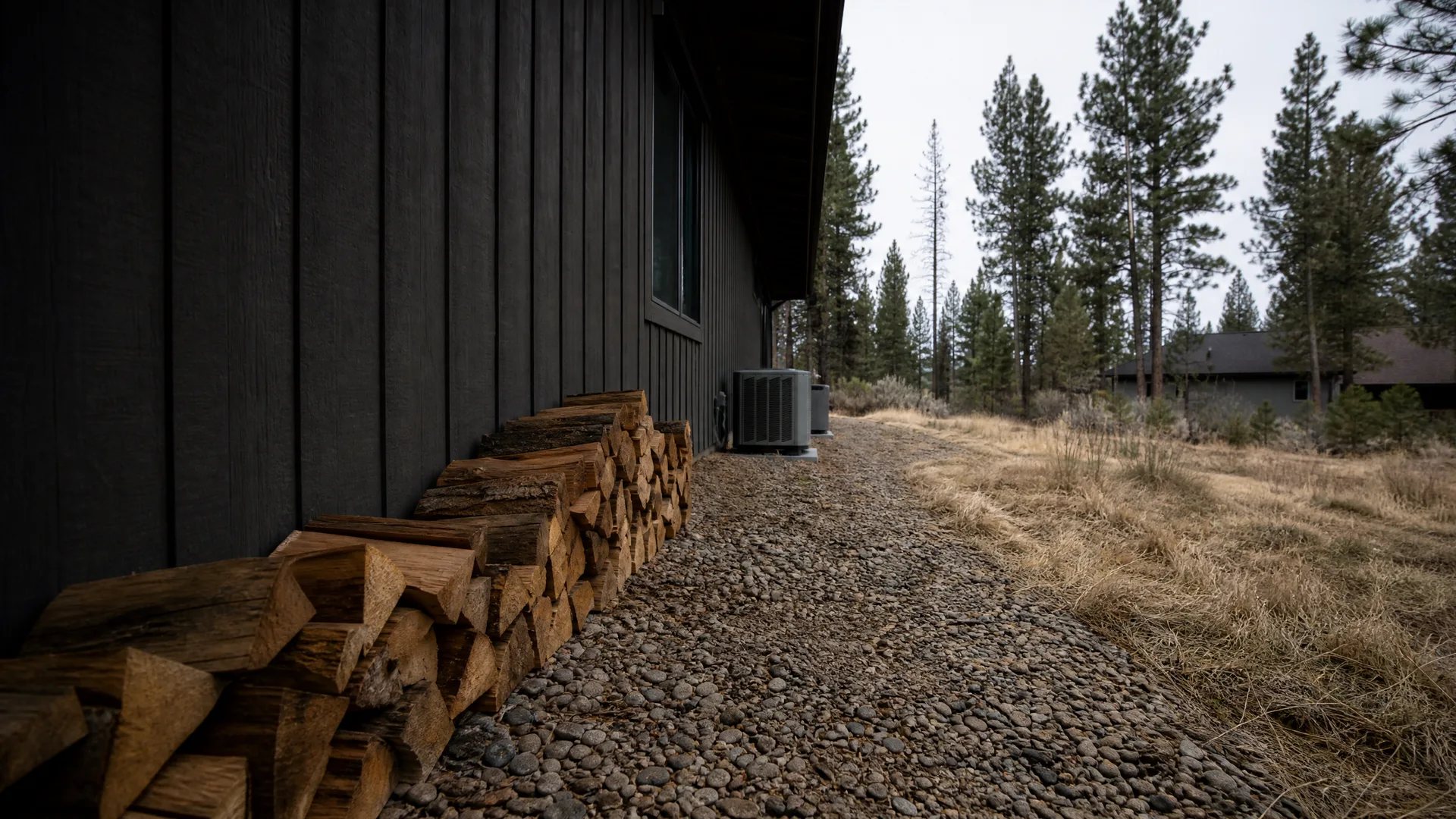
Stacked firewood along the base of a dark vertical-board house wall beside a gravel path, with an air conditioning unit, dry grass, and pine trees in the background.

Furnace Repair in Bonners Ferry, ID

Tell us about the job

Takes about a minute. No obligation.

RepairFurnace or heatingBoundary County, ID
Step 1 of 2

What ZIP code is the job in?

Ten months of heat a year

A furnace in Boundary County runs from September through June. That is most of the year asking the igniter, the blower motor and the heat exchanger to cycle on and off. Parts that might coast in a milder place are working here nearly nonstop.

What that means for the repair

A furnace that runs this long each year wears out its parts sooner than one in a mild climate, and small problems turn into breakdowns faster too. Boundary County saw 338 winter storms, heavy snow, ice and blizzards, between 2015 and 2024, and that kind of cold pushes a struggling furnace hardest right when it can least afford to fail. Whatever is going wrong, it is worth having a contractor look at the actual cause instead of guessing.

10 months
September through June, your furnace is on duty
20°F
the average winter night it heats against
338 winter storms
in ten years, the nights a failure hurts most
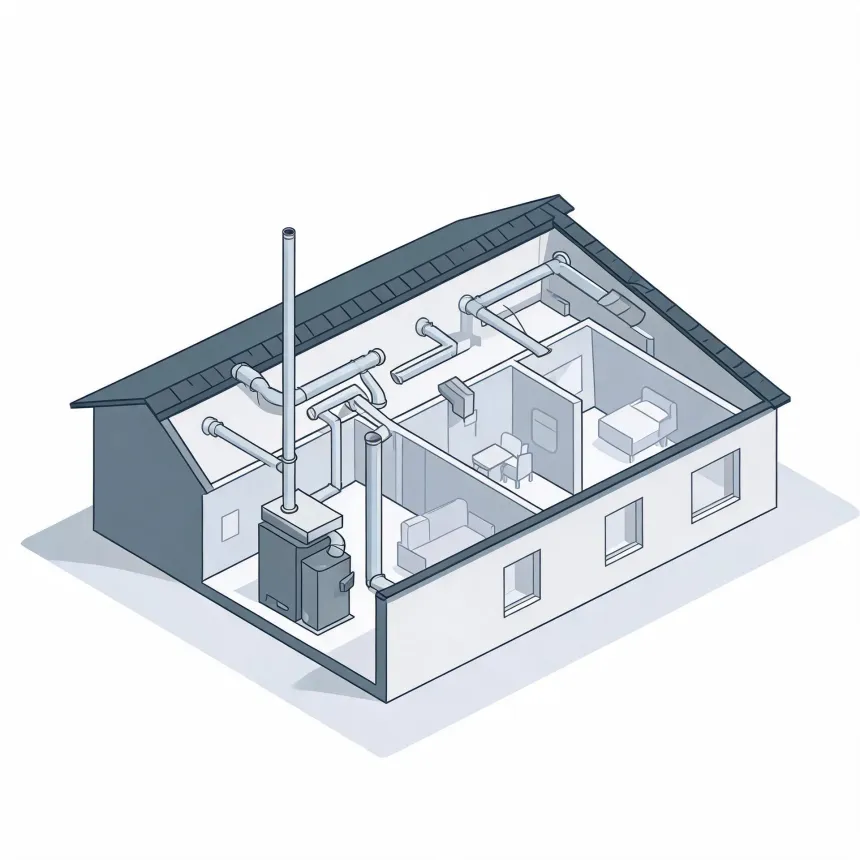
Isometric line illustration of a single-story house cutaway showing interior rooms with furniture, ductwork or piping running along the ceiling, and a boxy furnace unit with a tall vertical flue pipe.
Your furnace works hardest from October through April.

NOAA nClimDiv, 1991–2020 normals

Half the homes in Boundary County were built in 1991 or later.

A furnace that came with a newer house still has working life in it, and that makes repair the right call more often than not.

That furnace runs most of the year, and gas isn't cheap

Heat runs September through June
Winter nights average 20°F
338 winter storms from 2015 to 2024
Ten months of work a yearFurnaces here run September through June, about ten months of the year.

Boundary County saw 381 severe weather events between 2015 and 2024, and 338 of those were winter storms. Damaging wind hit the county 41 times in that same stretch. An outdoor furnace vent or intake can take a hit from windblown debris without the furnace missing a beat right away. If a storm has come through recently and the furnace is acting up, that is worth mentioning to the contractor. A vent that is blocked or damaged will not always announce itself until the furnace is already struggling to keep up with a cold snap.

A furnace working this hard needs a real diagnosis

Ten months of heat a year, with winter storms hitting hard and often, means this furnace rarely gets a break. Whatever it's doing right now, it is worth having a contractor find the actual cause rather than guessing at a fix.

Find a contractor
A gray high-efficiency gas furnace installed in an unfinished basement, surrounded by gas lines, a condensate drain, and sheet-metal ductwork.

Check the furnace's age, not just the house's

Find out when the furnace itself went in, not just the house. A unit that came with a newer build still has working life in it, and that favors a repair over a replacement. Mobile homes make up a little over one in ten homes in the county, and the furnace in one of those is worth asking about directly, since the install date does not always match the house.

A small problem rarely stays small

A furnace with a cracked heat exchanger or a failing limit switch will keep trying to run unless something shuts it down. Each cycle stresses the same weak spot a little more. What starts as a short cycle or a strange smell can end with a cracked part that has to be replaced instead of patched.

Some shutdowns are the furnace protecting itself

A furnace that trips on limit or won't stay lit is often doing what it is built to do when airflow is blocked or a flame sensor is dirty. Forcing it to keep running past that point, or resetting it over and over, pushes heat into a blower motor or inducer that was never meant to carry the extra load.

An unfinished basement containing a gray HVAC furnace with ductwork, exposed wooden joists, a concrete floor, and miscellaneous clutter in one corner.

A new furnace would cut about $110 a year off heating for a typical Boundary County home.

  • A new high-efficiency furnace$440 a year
  • An older furnace$550 a year

Estimates for a typical Boundary County home, compared with an older unit built to the previous federal minimum, from EIA household energy data, Idaho fuel prices and NOAA climate normals. Your home will differ.

Repair makes sense when one part has failed and the heat exchanger is sound.

Replacement makes sense when the heat exchanger is cracked or the furnace keeps needing parts.

The question is not really the furnace's age, it is what broke and why. A failing flame sensor or a bad igniter is a cheap, quick fix on almost any furnace that still runs well otherwise. A cracked heat exchanger is a different conversation, because that part is not meant to be replaced on its own and its failure usually means the rest of the unit has been working just as hard. Look at the pattern, not just the part. A furnace that has needed a few service calls over the past couple of years is wearing out. One that has run quiet for years and just tripped once is probably fine with a repair. Ask the contractor what the repair fixes and whether the rest of the furnace is sound. If the answer is yes, it is worth fixing. If the same failure is likely to turn up somewhere else soon, a repair just delays the real decision.