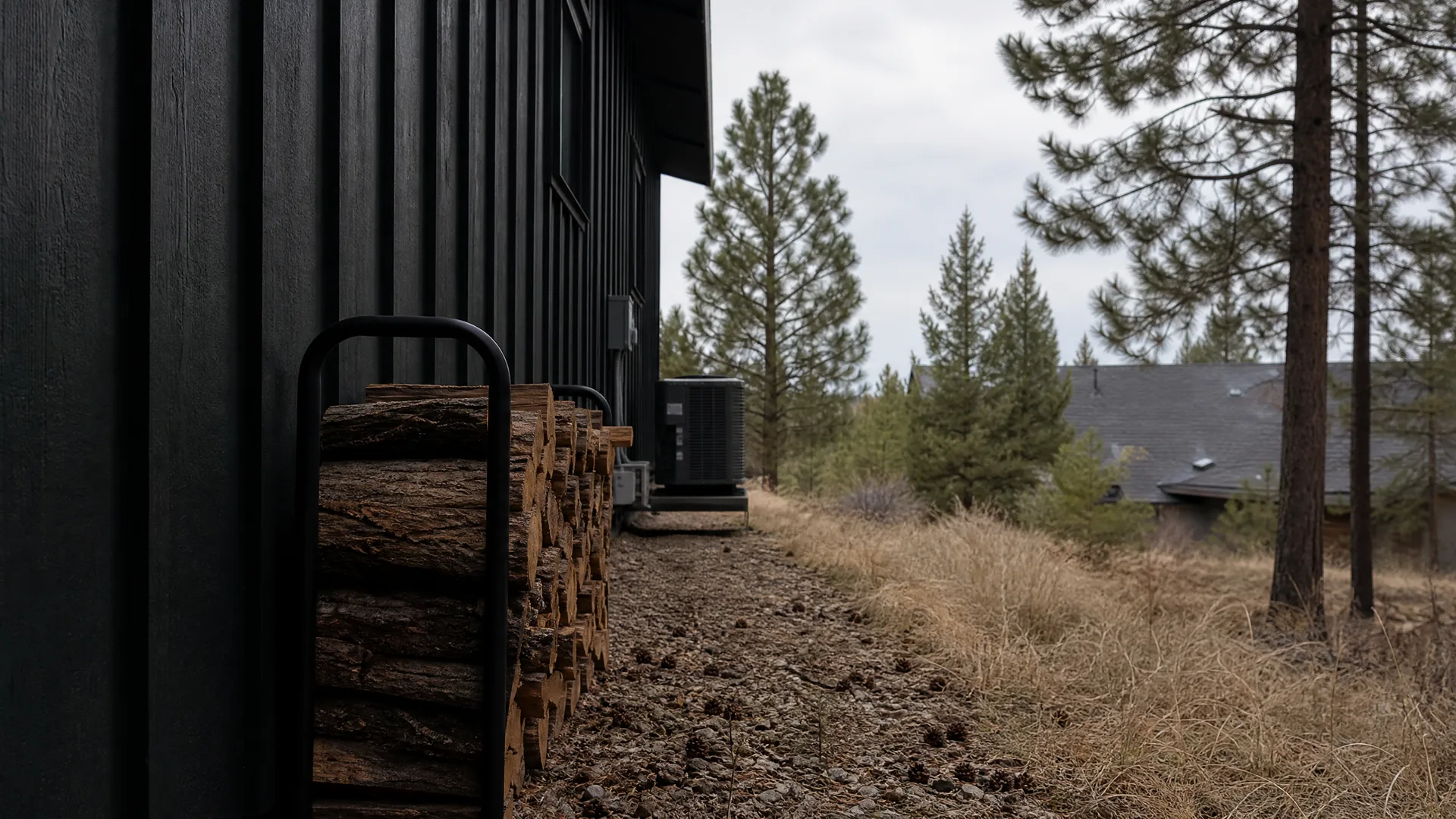
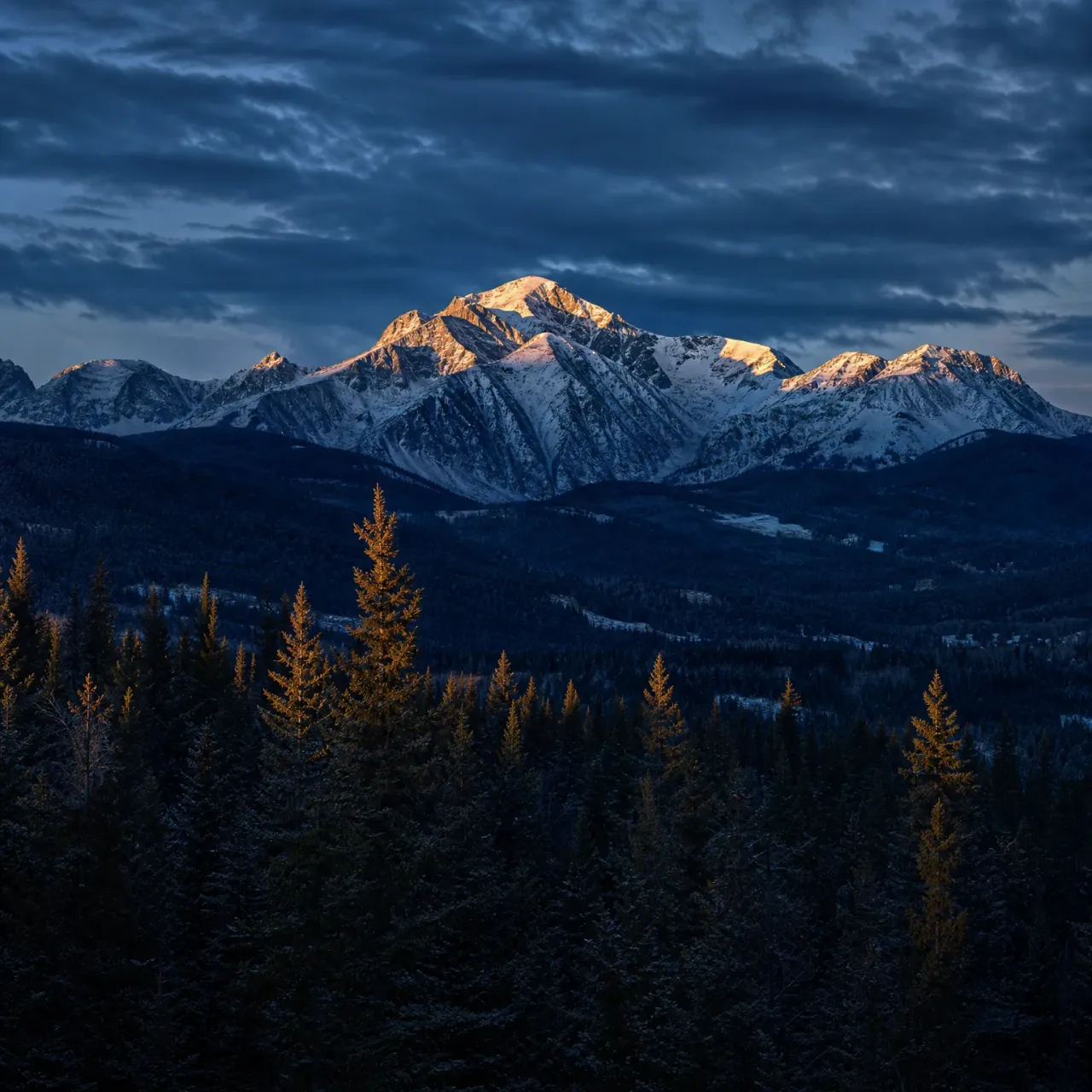

A black vertical-board exterior wall with a metal rack of stacked firewood, an air-conditioning condenser unit beyond, and dry grass, gravel and pine trees with a neighboring roof in the background.

Furnace Repair in Jerome, ID

Tell us about the job

Takes about a minute. No obligation.

RepairFurnace or heatingJerome County, ID
Step 1 of 2

What ZIP code is the job in?

Furnaces in Jerome County run from September through May. That's nine months of the year the burner and blower are cycling on and off, night after night. Overnight lows average 22°F through December, January and February, so on the coldest nights the furnace is running close to flat out just to hold the house steady. That kind of stretch wears on an igniter, a blower motor, a flame sensor, parts that only get a break a few months a year. If yours is acting up now, it's worth having someone look at the actual cause rather than just resetting it, so the fix holds through the rest of the season.

9 months
September through May, your furnace is on duty
22°F
the average winter night it heats against
12 winter storms
in ten years, the nights a failure hurts most
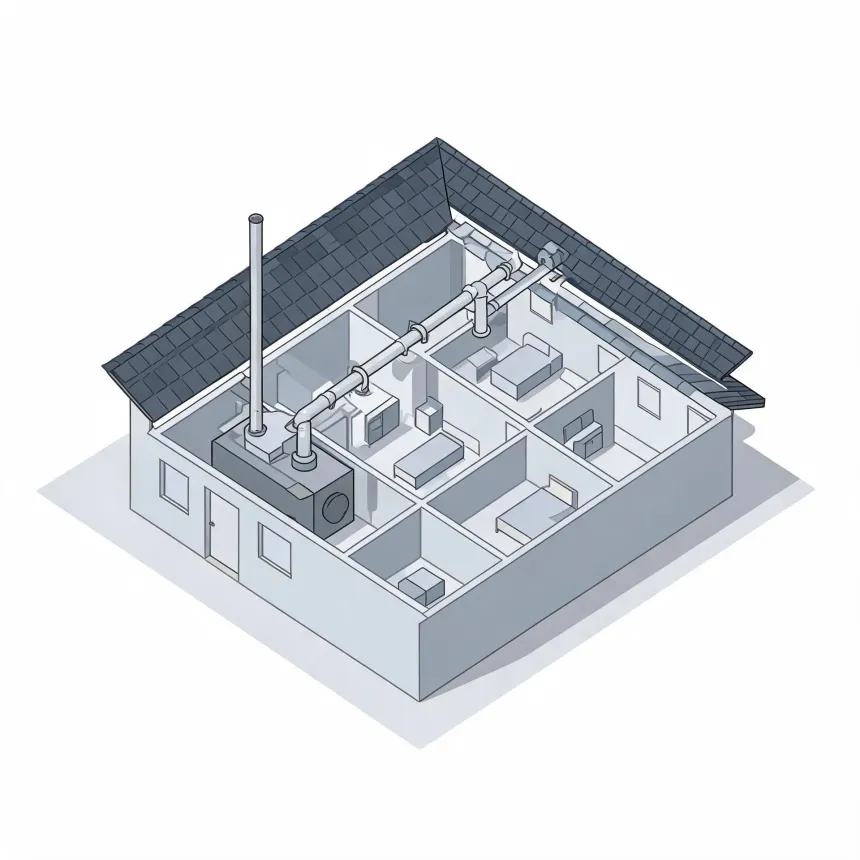
Isometric cutaway illustration of a single-story house showing interior rooms, furniture, a dark furnace unit with a tall vertical flue pipe, and ductwork running under the pitched shingle roof.
Your furnace works hardest from November through March.

NOAA nClimDiv, 1991–2020 normals

Half the homes in Jerome County were built in 1983 or later.

A furnace that came with a newer house has likely got years left in it, worth repairing instead of replacing.

A furnace that's struggling here runs up the bill every month it goes unfixed

Heat runs September through May
Winter nights average 22°F
Climate zone 5B

August is when a lot of these furnaces get fired up for the first time in months. That first run finds whatever went weak over the summer. A cracked heat exchanger, a dying igniter, a blower motor that's been seizing up quietly, none of it shows until the burner actually has to work. If your furnace is struggling in these early weeks, that's not bad luck. That's nine months of hard use catching up with the one part that was already on its way out. Getting it looked at now, before the season settles in, means it's a repair instead of a breakdown.

Get the cause checked before the cold settles in

A furnace that's acting up now is already showing the effect of nine months of hard use, September through May, including nights that drop to 22°F. It won't fix itself once the cold settles in. Getting the actual cause checked now is what makes the repair hold.

Find a contractor
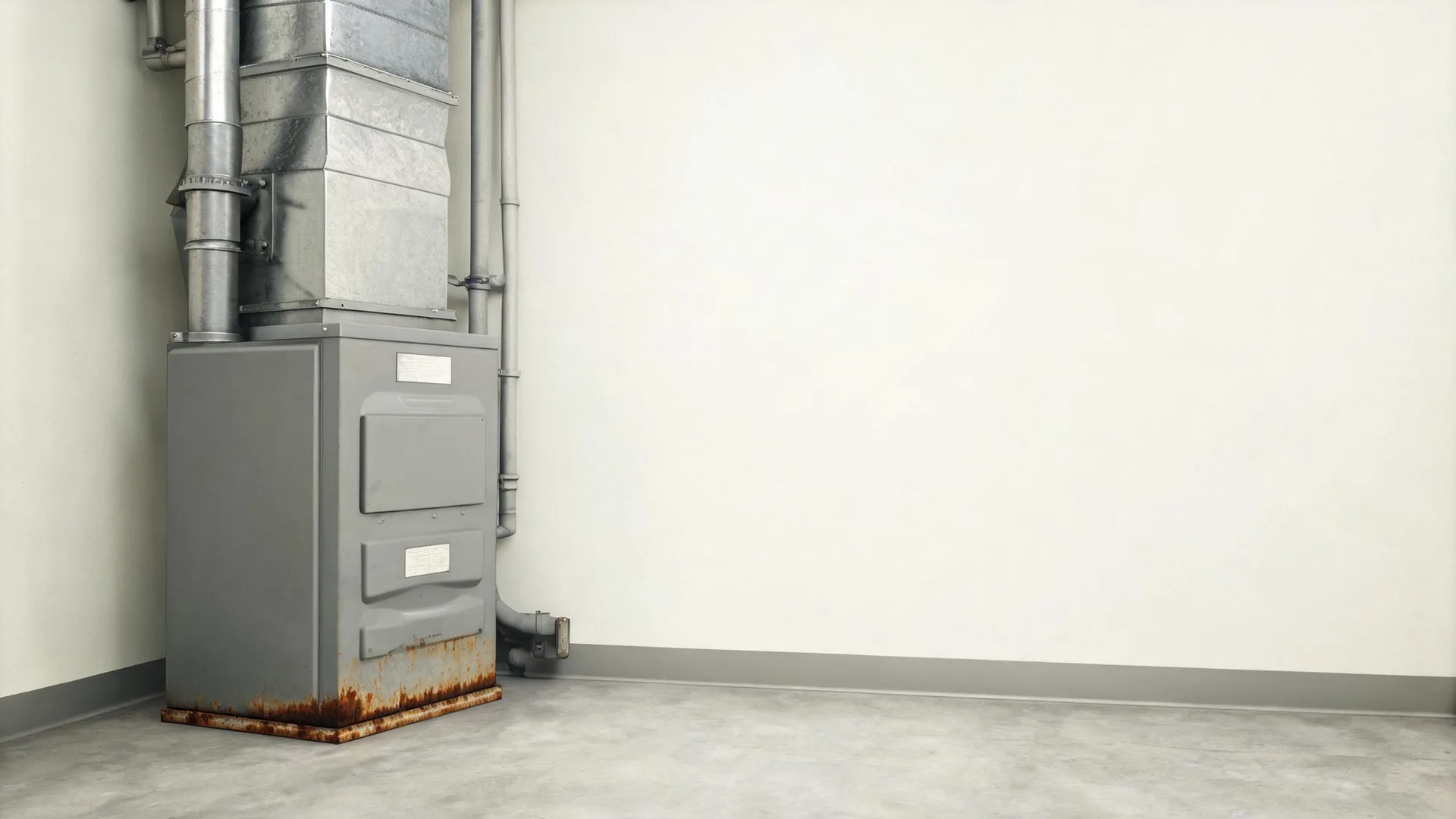
A gray high-efficiency gas furnace installed in an unfinished basement, surrounded by gas lines, a condensate drain, and sheet-metal ductwork.

Ask how old the furnace is before replacing it

If your furnace came with the house, ask whoever comes out how old the unit actually is before any talk of replacing it. A furnace that came in with a newer build has likely got years left, and a repair now should hold for a long time.

A small problem doesn't stay small

A cracked heat exchanger starts as a hairline. A flame sensor starts out just slightly coated. Run the furnace through that and the crack spreads, the coating thickens, and what would have been a quick fix turns into a part that has to be replaced outright.
One weak part drags on the rest

A blower motor that's struggling still has to push the same air. A failing igniter still has to light the burner every cycle. The furnace doesn't ease up to compensate, it just keeps asking the weak part to do its full job, so the parts around it wear faster too.

Before anyone comes out, there's a few things worth checking yourself. Look at the thermostat first. Make sure it's set to heat and the setting is a few degrees above room temperature, not just sitting at the current reading. Next, check the filter. Pull it out and hold it up to a light. If you can't see through it, that's likely choking off airflow and making the furnace work harder than it should. Check that the switch on the furnace itself, and the one on the wall nearby, are both in the on position. Those get bumped more often than people think. If you've got a standing pilot, see if it's still lit. If the furnace has a reset button, you can press it once, but if it trips again, that's telling you something tripped it and pressing it a second time won't help. Beyond that, leave it alone. Opening up the cabinet or poking at the burner assembly is how a simple problem turns into a bigger one.

The question with a struggling furnace isn't whether it can be fixed. Almost anything can be fixed. It's whether that fix holds or just buys time until the next part goes. A bad igniter, a tripped limit switch, a flame sensor that needs cleaning, those are normal wear on a furnace that's otherwise sound, and replacing the one part solves the problem. A cracked heat exchanger is different. That's not a part wearing out, that's the furnace's main structure failing, and once it's cracked it doesn't get better. A tech who opens the cabinet can tell you which one you're looking at, because the symptom alone won't. A furnace that won't stay lit or isn't putting out heat can mean either one.