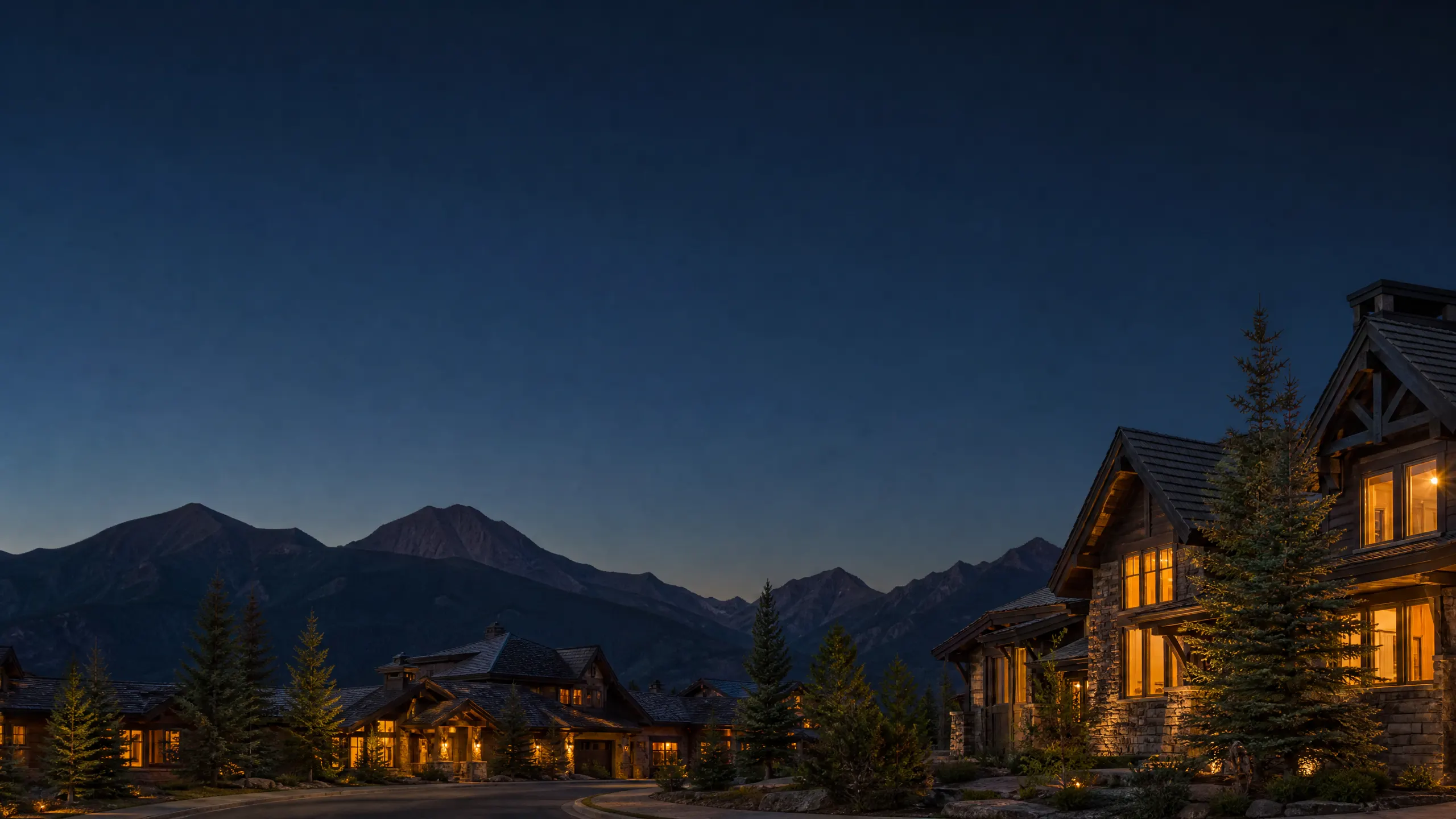




Stone and timber luxury homes with glowing windows line a mountain street at dusk, with evergreen trees and a rocky mountain range in the background.

Furnace Repair in Sandpoint, ID

Tell us about the job

Takes about a minute. No obligation.

RepairFurnace or heatingBonner County, ID
Step 1 of 2

What ZIP code is the job in?

Check the thermostat first. Make sure it's set to heat and the set temperature is actually above room temperature, and swap the batteries if it uses them. Next go to the breaker panel and look for a tripped breaker feeding the furnace. If the furnace has a standing pilot, see if it's lit, and follow the lighting instructions on the panel inside the furnace door if it's gone out. Check the air filter too. A filter packed with dust chokes airflow and can shut the furnace down on purpose to protect itself. Last, look at the switch on or near the furnace that looks like a light switch, sometimes tucked by the attic hatch or basement stairs, and make sure nobody bumped it off. If all of that checks out and it still won't run, that's the point to stop and call someone.

10 months
September through June, your furnace is on duty
22°F
the average winter night it heats against
338 winter storms
in ten years, the nights a failure hurts most
Isometric cutaway illustration of a small house showing a furnace unit connected to ductwork and a vertical flue pipe extending through the dark shingled roof, with sparse furniture in the rooms.
Your furnace works hardest from October through April.

NOAA nClimDiv, 1991–2020 normals

Electricity in Idaho ran $33.76 per million Btu in 2024.

A furnace that's short-cycling or running longer than it should burns through that every month it sits unfixed.

Half these homes were built in 1990 or later, so the furnace is often newer than you'd think

Half the homes here were built by 1990
Climate zone 6B
Heat runs September through June

Furnaces around Sandpoint run from September clear through June. That's most of the year asking a lot of the same igniter, the same blower motor, the same limit switch. Bonner County also saw 338 winter storms between 2015 and 2024, heavy snow and ice that push a furnace to run longer and harder right when it can least afford to quit. A system working that many months, through weather like that, wears parts down sooner than one that gets a real rest each year. When something finally goes wrong, it's worth having someone who knows furnaces look at the actual cause rather than patching the symptom, so the fix holds through the next storm instead of failing partway into it.

Storms here take down power for a day or more. Get the furnace fixed before the next one.

Bonner County logged 392 severe weather events between 2015 and 2024, including 43 damaging wind events and 338 winter storms. Statewide, 11% of Idaho households lost power for a day or more in 2024. A furnace needs electricity to run even if it burns gas or propane, so when the power goes out, so does the heat. If your furnace is already acting up, a long outage in the middle of a cold snap is the worst time to find out how bad it is.

Find a contractor
A man in a cap, gray long-sleeve shirt and tan work pants carries a worn canvas tool bag up wooden porch steps toward a blue front door, with a potted shrub to the left.
A gas furnace with attached ductwork, gas piping, and condensate lines installed in a concrete-block basement.

The first cold week finds what's already weak

September is the first cold snap of the year here, and it's also when a furnace that sat quiet since spring gets asked to run for ten months straight. Whatever was already marginal in it, a cracked heat exchanger, a sensor going bad, a blower motor on its way out, tends to show up in those first weeks rather than mid-winter. By the time the overnight low is sitting at 22°F, the furnace isn't easing into the work. It's already in it.

Most failures start with ignition or airflow

A furnace usually goes down because the igniter cracks, the flame sensor gets coated and stops reading a flame, or the blower motor wears out after years of starting and stopping. Airflow problems cause a lot of this wear in the first place. A dirty filter or blocked vent makes the blower work harder and run hotter than it should, and that shortens the life of whatever's downstream of it.
Age tells you what to expect, not what's wrong

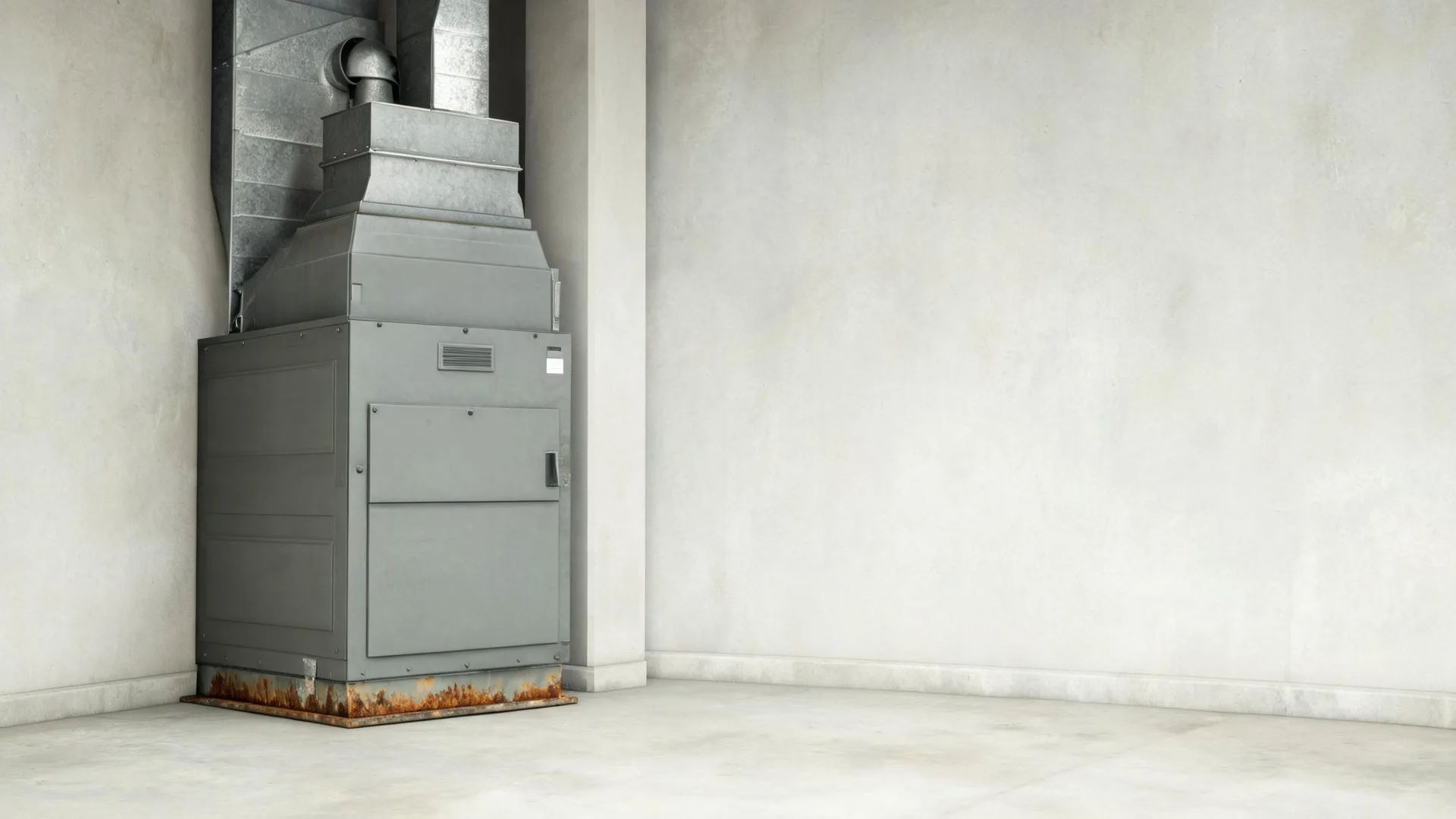
A heat exchanger that's cracked, a control board that's failing, a draft inducer motor that's seizing up, these are wear patterns that show up late in a furnace's life, not sudden defects. Knowing roughly how old the unit is narrows down what a technician checks first, but it doesn't replace actually testing the part. The same symptom, like short cycling or a furnace that won't stay lit, can come from a cheap sensor or an expensive control board, and you can't tell which from the outside.

A furnace in trouble usually tells you before it quits outright. It might start blowing cool or lukewarm air instead of hot, which often points to an ignition problem or a thermostat miscommunicating with the unit. Listen for sounds it didn't used to make: a bang at startup, a screech from the blower, a rattle that wasn't there last year. Short cycling, where it fires up, runs a few minutes, and shuts off before the house warms up, usually means a sensor or airflow problem forcing it to protect itself. A yellow or flickering flame instead of a steady blue one is worth paying attention to, since it can mean the burner isn't getting clean combustion. If the air coming from the vents smells off, or a room or two never quite warms up like the rest of the house, that's also worth a second look rather than waiting it out.

A furnace that runs ten months a year doesn't get much chance to idle, and the part that fails first is rarely the part that looks broken. A blower motor straining against a dirty filter for months shows up later as a cracked heat exchanger or a dead control board, well after the filter's been swapped. That's the case for having someone trace the symptom back to where it started instead of swapping the obvious part and moving on. A new igniter on a furnace with a bigger airflow problem just buys a few weeks. Ask what caused the failure, not just what part failed, and get that written down on the invoice.