Illuminated timber-and-stone luxury homes along a residential street at dusk, with snow-capped mountains visible in the background.

Furnace Repair in Victor, ID

Tell us about the job

Takes about a minute. No obligation.

RepairFurnace or heatingTeton County, ID
Step 1 of 2

What ZIP code is the job in?

How old the furnace is matters less than what's failing

A cracked heat exchanger or a failed control board near the end of the furnace's expected life is a sign to start talking about replacement. A bad igniter or a dirty flame sensor on that same furnace is still just a repair. The part that failed tells you more than the furnace's age does.

A furnace that keeps coming back is telling you something

One repair is a repair. The same furnace needing attention again a few months later, for a different reason each time, usually means the unit is wearing out faster than it can be patched. At that point another repair just buys a little time before the next breakdown.

10 months
September through June, your furnace is on duty
12°F
the average winter night it heats against
118 winter storms
in ten years, the nights a failure hurts most
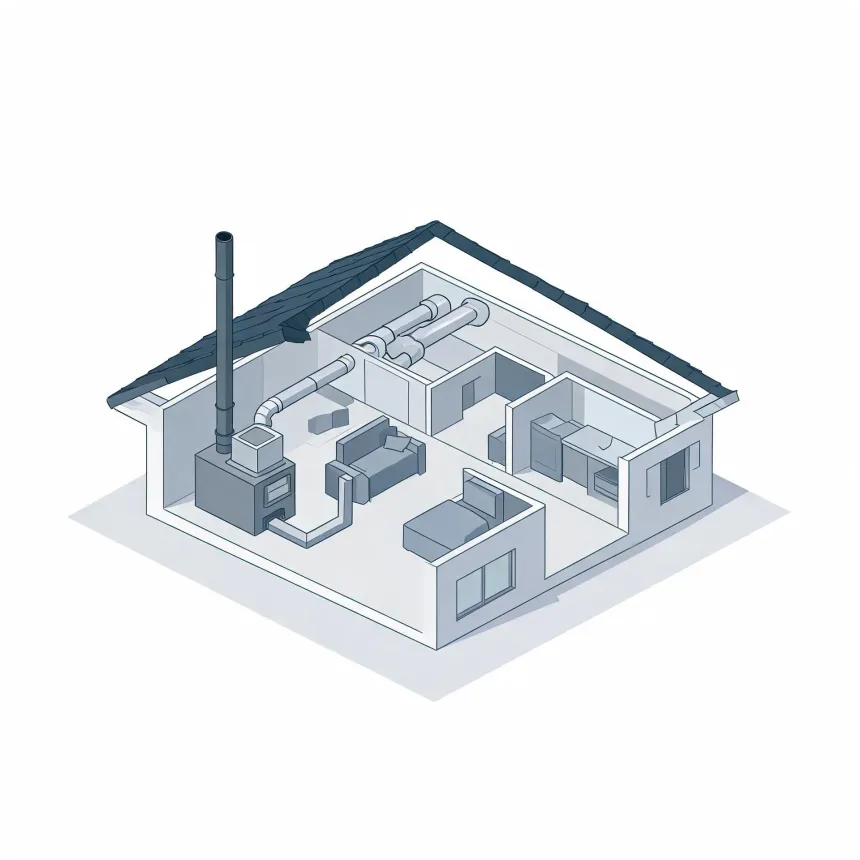
Isometric line illustration of a cutaway single-story house showing interior rooms with furniture, a furnace unit with a tall flue pipe, and connected ductwork running under the pitched roof.
Your furnace works hardest from October through April.

NOAA nClimDiv, 1991–2020 normals

Half the homes in Teton County were built in 2001 or later.

A furnace that came with a house that age usually has years left in it, which is why repair is worth doing.

Furnace trouble here tends to start in September, right when it first kicks on

Heat runs September through June
Winter nights average 12°F
118 winter storms from 2015 to 2024

Furnace here runs from September through June, about ten months of the year. Overnight lows average 12°F through December, January and February, so it's cycling on and off most of the night just to hold the temperature. Winter storms come through often, 118 of them in the last ten years, and the furnace is working through all of it. That kind of runtime catches up with the parts that wear first, an igniter or a flame sensor, even in a furnace that's otherwise got plenty of life left. When something starts acting up, that's usually why. It doesn't mean the unit is on its way out, just that it's due for attention.

Get your furnace fixed, not replaced

A furnace that came with a newer house still has years in it. Get the repair done and keep it running.

Find a contractor
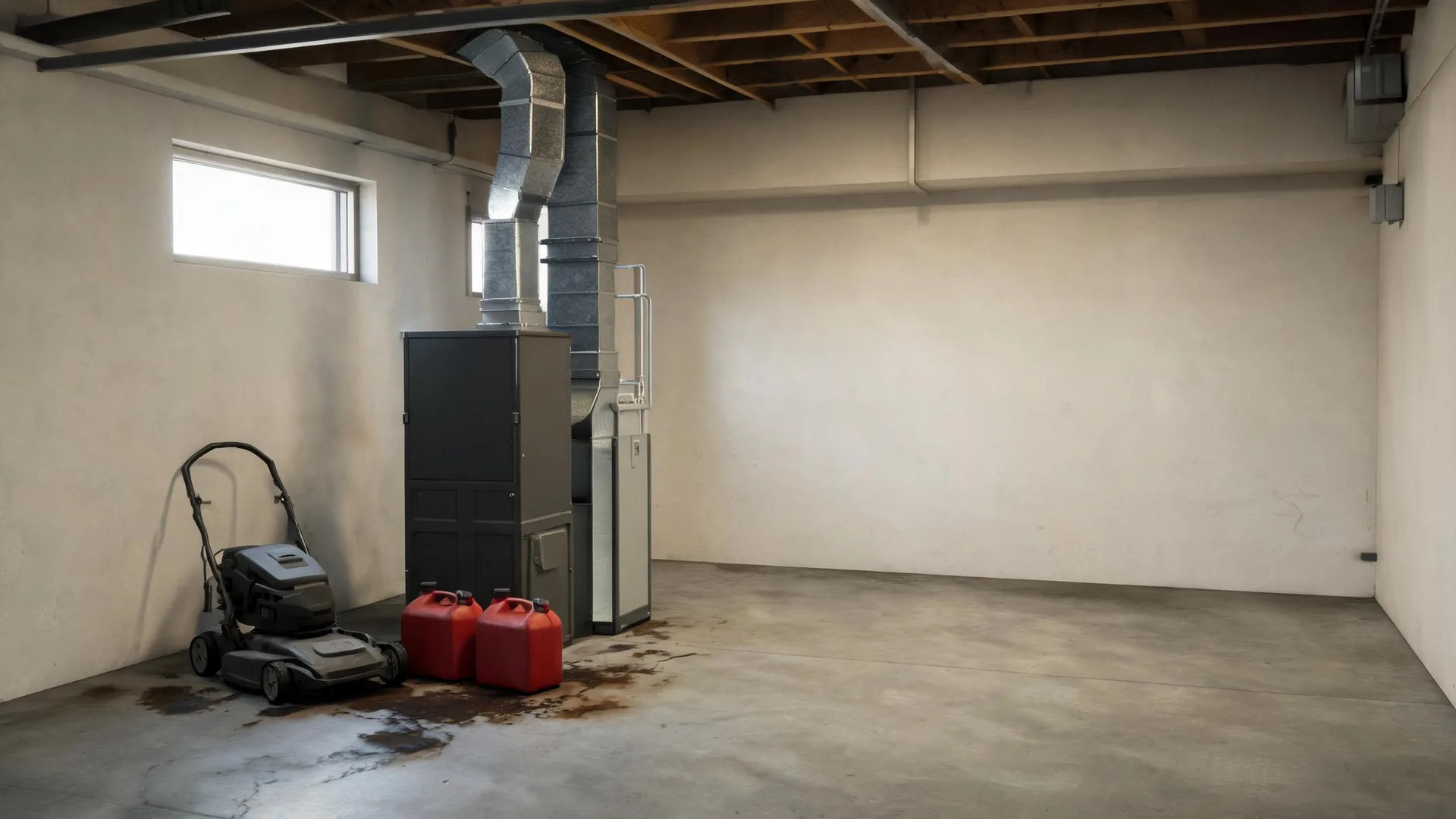
A gray gas furnace with attached ductwork and piping installed in an unfinished concrete basement.

A small problem now runs all night if you let it

A furnace that's struggling doesn't fail all at once. A cracked heat exchanger gets a little worse every time it heats up and cools down. A failed igniter forces the control board to keep trying, lighting and relighting, until the board itself wears out from the extra cycles. A dirty flame sensor will shut the furnace down as a safety measure, but if something resets it and it keeps running anyway, it's doing that with a part that isn't reading the flame correctly. A blower motor that's starting to go draws more current trying to turn, and that heat has nowhere to go but back into the motor windings. None of these get better with more runtime. The furnace doesn't know it's hurt. It just keeps doing the job until a part gives out completely, usually at the worst possible time.

What you can check from the thermostat

Set it a few degrees above room temperature and listen. If the furnace doesn't fire at all, check that it's set to heat and the batteries aren't dead. If it fires, runs a short while, then shuts off before the room warms up, that's worth telling the tech, since it points at the flame sensor or a limit switch rather than something electrical.

What's safe to look at yourself

The filter is the one thing worth checking before anyone comes out. Pull it and hold it up to a light. If you can't see light through it, air isn't moving through the furnace the way it should, and that alone can cause shutoffs, overheating, or a blower that runs constantly. Also check that the switch on or near the furnace, the one that looks like a light switch, hasn't been bumped off, and that nothing is blocking the vents or return grilles in the room.

Most furnace trouble shows up the same way. It still turns on, just not right. A short cycle, heat that doesn't last, or a burner that lights then shuts back off are usually the first signs, not a furnace that won't start at all. Rattling or a new scraping sound when the blower spins up usually means a bearing or a wheel has come loose. That won't fix itself. A burning smell that doesn't fade after the first few minutes of a cycle is worth shutting the furnace off for. So is a flame that looks yellow or orange instead of blue, since that can mean the gas isn't burning clean. If the air coming out feels weaker than it used to, or some rooms barely get warm anymore, the blower or the ductwork is struggling to move what the furnace is putting out.

A diagnostic visit starts before any panel comes off, with the tech asking what the furnace is doing and when. Short cycling, a smell, a sound, a room that won't warm, all of that narrows things down before a single tool comes out. From there it's the panel off and a look at the burners lighting, since how they light and what color they burn rules things in or out fast. A pressure switch, a flame sensor, a limit switch each get checked in place first, because swapping a part before knowing it's bad just adds a new variable. Wiring gets a look too, since a loose connection can mimic a failing part and send someone chasing the wrong problem. By the end the tech should be able to say what's failing and why, not just what they're going to try first.