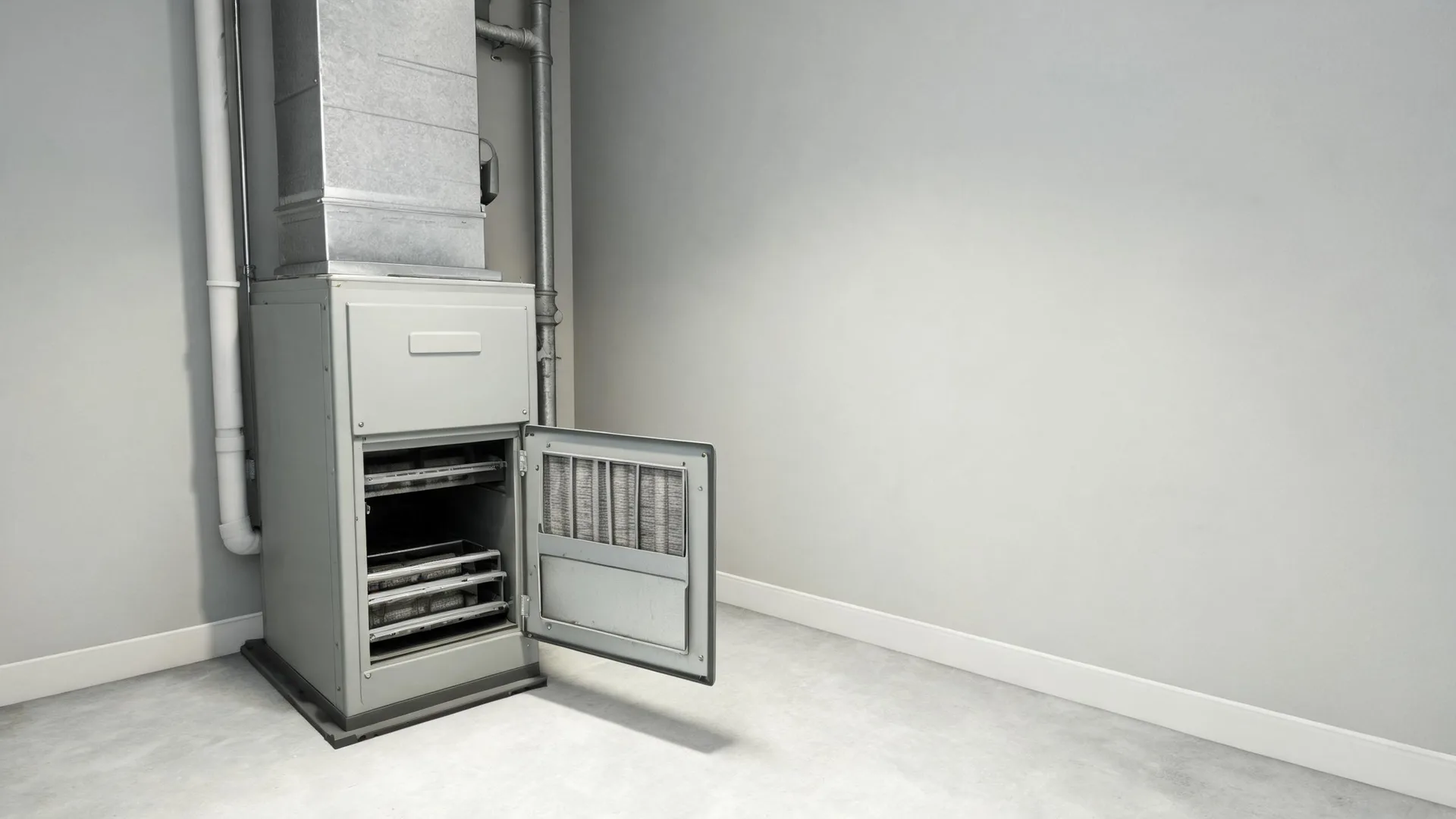
Ten months of work a year
Furnaces in Benewah County run from September through June. That leaves a short break before the next heating season starts, and not much time for small issues to surface on their own.
Takes about a minute. No obligation.
Furnaces in Benewah County run from September through June. That leaves a short break before the next heating season starts, and not much time for small issues to surface on their own.
Winter storms hit this county 251 times between 2015 and 2024. Every one of those means a furnace running longer and harder to keep up, and that kind of strain is often what's behind a breakdown.
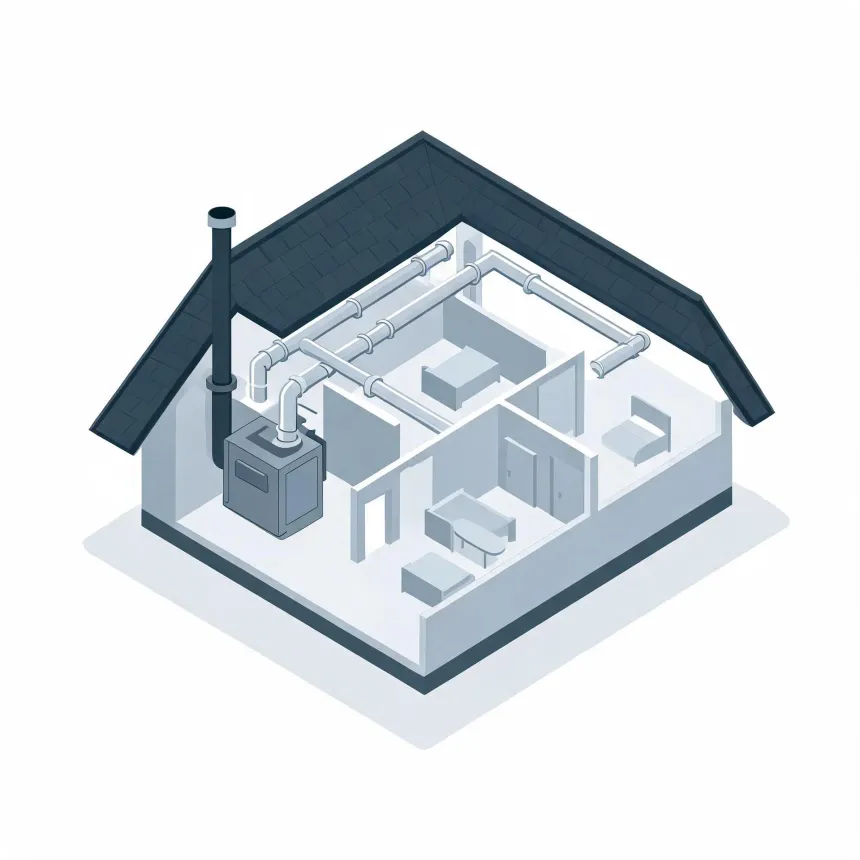
NOAA nClimDiv, 1991–2020 normals
Furnaces in Benewah County start running in September.
A furnace that sat quiet since spring is the one most likely to show a problem in its first weeks back at work.


Most homes in Benewah County heat with electricity, and that electricity runs $33.76 per million Btu. A furnace that already runs most of the year on that kind of power is not cheap to operate even when it's working right. If yours is short cycling, running longer than it used to, or struggling to keep rooms warm, it's pulling power the whole time it does that. A furnace working harder than it should doesn't fix itself. The longer it runs that way, the more it costs to keep the house warm.
A furnace here runs from September through June, so whatever is wrong with it now has most of the year still ahead of it. A proper diagnosis finds the actual cause, so the repair holds instead of giving out again partway through the winter.
Find a contractorBefore anything else, check the thermostat. Make sure it's set to heat, not cool, and that the set temperature is actually above room temperature. If it runs on batteries, swap them. Next, check the power. A furnace has a switch nearby that looks like a light switch, sometimes mounted on or near the unit itself. Make sure it hasn't been bumped off. Check the breaker too. Then look at the air filter. A filter clogged with dust chokes off airflow, and a furnace starved for air will shut itself down as a safety measure or blow air that never feels warm. If you can see daylight through it, it's fine. If you can't, replace it. Check that supply vents and return grilles around the house are open and not blocked by furniture or rugs. If the furnace has a visible flame or an igniter you can see through a small window, a flickering or yellow flame instead of steady blue is worth noting for whoever comes to look at it. Listen for what it's doing: clicking repeatedly without starting, starting and shutting off within a minute or two, or running continuously without the air ever feeling warm are all things worth describing to a technician. Don't take the cabinet apart or go near the gas line or electrical connections. Those checks are enough to rule out the simple causes, and either way, write down what you saw and heard before the furnace stopped doing what it should.
A cracked heat exchanger gets worse with every cycle of heating and cooling. A blower wheel caked with dust pulls harder on the motor each time it spins up. An igniter that's already weak takes another hit every time it fires. None of these sit still once the furnace is left to keep running.
A furnace that's short cycling or struggling to light is already working past where it should. Letting it limp along usually means a bigger repair later, and sometimes it means a part fails in a way that takes other parts with it. Shutting it down and having someone look at it costs less than finding out how far it can be pushed.
If the furnace sits near a window or under eaves, hail or wind-driven debris can reach the outdoor parts of the system, and a dent or a bent fin does not always announce itself right away. Benewah County saw 22 damaging wind events and 251 winter storms between 2015 and 2024, so a furnace here has had plenty of chances to take a hit it never showed. A unit that still lights and still blows warm air can be running with a cracked housing or a damaged connection that only shows up later. If there has been a storm recently and the furnace has not been looked at since, that is worth mentioning to whoever comes out, even if nothing seems wrong yet.
A furnace that's already costing more to run every month isn't a problem that waits for a slow week. If it's short cycling or struggling to keep rooms warm, that's not a one-time charge on the bill, it's every day until someone fixes it. Getting it looked at now means the extra cost stops now too, instead of running through the rest of the winter. A furnace that's fixed costs what it should to run. One that's still struggling costs more than it should, every single day you wait.