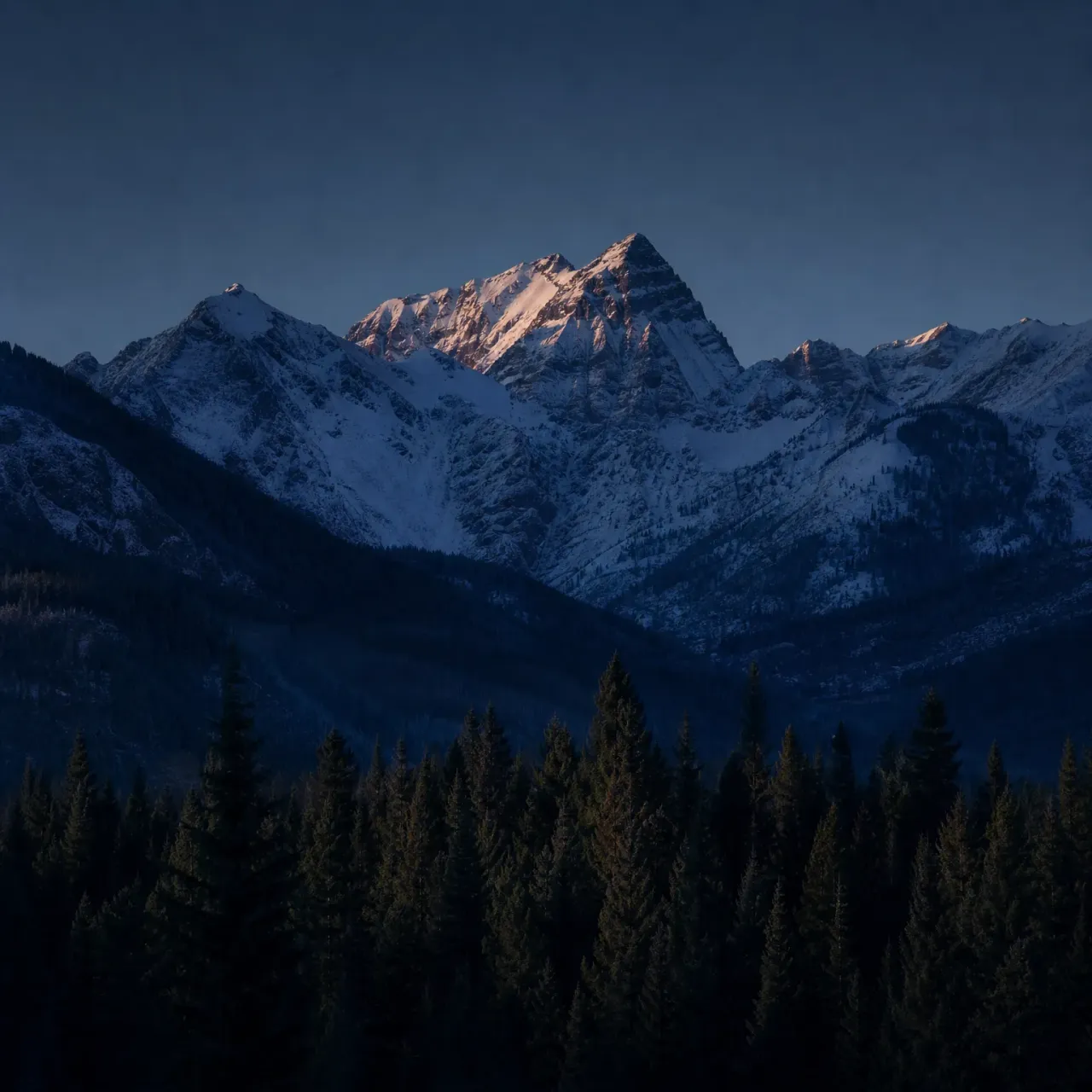
An unfinished basement containing a gray HVAC furnace with ductwork, exposed wooden joists, a concrete floor, and miscellaneous clutter in one corner.

Furnace Repair in Nampa, ID

Tell us about the job

Takes about a minute. No obligation.

RepairFurnace or heatingCanyon County, ID
Step 1 of 2

What ZIP code is the job in?

Your furnace earns its keep here

Furnaces in Nampa run from October through May. Overnight lows average 25°F in December and January. That long a stretch is normal wear on a furnace, not something unusual, so a breakdown now is most likely an ordinary problem with an ordinary fix.
Find the real cause, not just the symptom

A furnace that short cycles, blows cold air, or won't start usually comes down to one failed part. It might be the igniter. It might be a flame sensor or a pressure switch. Fixing the actual part that failed means the furnace stays running instead of quitting again on the next cold night.

8 months
October through May, your furnace is on duty
25°F
the average winter night it heats against
59%
of homes here heat with gas, so most furnaces here burn gas
37 winter storms
in ten years, the nights a failure hurts most
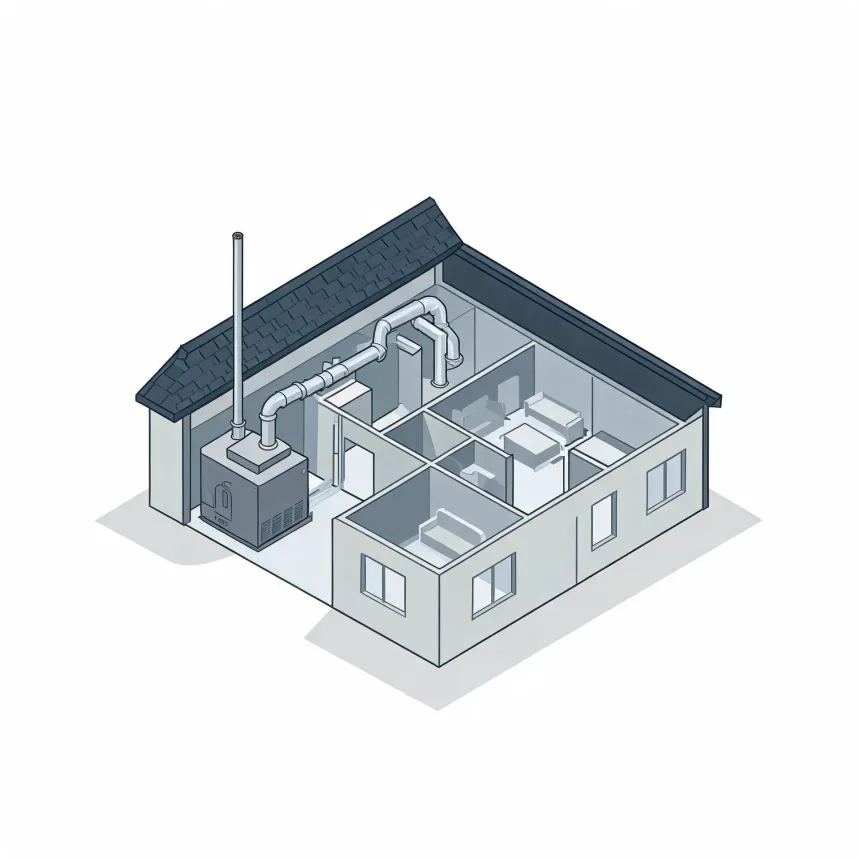
Isometric grayscale illustration of a cutaway single-story house showing interior rooms with furniture, plus an exterior furnace unit with a tall flue pipe and ducting running into the attic space.
Your furnace works hardest from November through March.

NOAA nClimDiv, 1991–2020 normals

A furnace that short cycles is shutting down before it should, usually on a flame sensor losing its signal or a filter choked enough to trip the limit switch.

Either way the burners are cutting out on their own, and that's wear on the heat exchanger every time it happens.

Half the homes here are new enough that the furnace is probably worth fixing

Half the homes here were built by 1999
Heat runs October through May
Winter nights average 25°F
Furnaces here start up in SeptemberBy October they're running every day, and whatever was already weak tends to show up first.

If your furnace came with the house, there's a good chance it's not old at all. Get the part that failed fixed rather than pricing out a new unit. A furnace a few years into its life has no business being replaced over one bad igniter or a stuck pressure switch. Ask whoever comes out what year it is and how long that part usually lasts. That's the number that tells you whether this was bad luck or the start of something bigger.

Get the usual fix

Nothing about this area is especially hard on it. It's most likely the usual problem with the usual fix.

Find a contractor
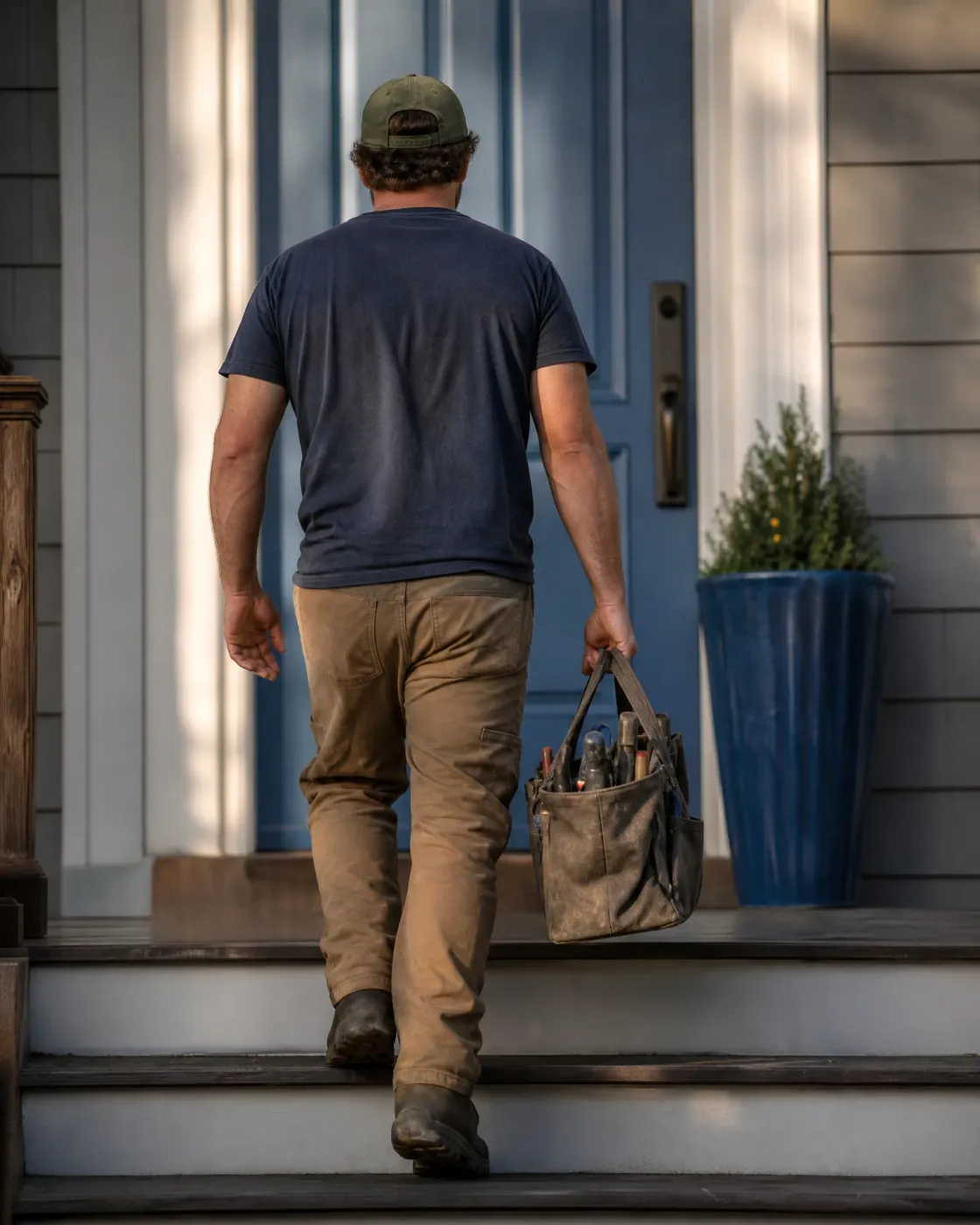
A man in a navy T-shirt, tan work pants, boots and a green cap climbs porch steps toward a blue front door, carrying a canvas tool bag beside a blue planter with a small shrub.
A gray residential gas furnace installed in an unfinished basement, connected to sheet-metal ductwork and PVC pipes.

Keep it running and a small problem finds a bigger one

A furnace that short cycles on a bad flame sensor or a stuck pressure switch is still trying to run. Igniter glows, gas valve opens, flame proves, then it cuts out early and starts the whole thing over. That repeated cycling is harder on the metal than a furnace just running straight through. The heat exchanger heats up and cools down fast, over and over, and it expands and contracts a little each time. That's the kind of stress that leads to cracks. A cracked heat exchanger is a far bigger job than a flame sensor. The part failing now is small. Left running like this, it can take the heat exchanger down with it.

What you can check yourself

Look at the thermostat first. Make sure it's set to heat and the set point is actually above room temperature. Check that the furnace switch, the one that looks like a light switch near the unit, is flipped on. Check the breaker. Check the filter. A filter packed with dust can choke airflow enough to trip the limit switch and shut the whole thing down. If you've got a standing pilot, see if it's lit. If you see an igniter instead, watch whether it glows when the furnace calls for heat.

What to leave alone

Don't pull the burner compartment open or go near the gas valve or flue connection. If you smell gas, don't flip any switches at all, including the thermostat, just get out and call the gas company from somewhere else. Past the filter and the switch, there's nothing in a furnace worth touching without the panels off and the power locked out, and that part's for whoever comes out to fix it.

A gray forced-air furnace with sheet-metal ductwork stands in an unfinished basement with exposed wooden joists, concrete walls, and a hanging incandescent bulb.

A new furnace would cut about $60 a year off heating for a typical Canyon County home.

  • A new high-efficiency furnace$280 a year
  • An older furnace$340 a year

Estimates for a typical Canyon County home, compared with an older unit built to the previous federal minimum, from EIA household energy data, Idaho fuel prices and NOAA climate normals. Your home will differ.

Repair makes sense when one part has failed and the heat exchanger is sound.

Replacement makes sense when the heat exchanger is cracked or the furnace keeps needing parts.

A part failing is not a verdict on the whole furnace. Most repairs are a single component, igniter, sensor, switch, and swapping it out brings the furnace back to normal for a long stretch after. What changes the answer is the heat exchanger. That's the one part that can't be replaced on its own, since it's really the core of the furnace, and a crack there means the whole unit is done. So the real question on any repair call isn't the age of the furnace, it's which part is asking to be fixed. A control board or a blower motor is still just a part. A heat exchanger problem is the furnace itself.