
Furnace Installation in Idaho
Across the counties where its people live, Idaho recorded less severe weather from 2015 to 2024 than 31 of the other 49 states.
Tell us about the job
Takes about a minute. No obligation.
- 22°Fwinter overnight low where people live
- 10 monthsof heat, September through June
- $8.25 per million Btuwhat homes paid for natural gas in 2024 (Btu means British thermal units, a measure of heat)
- 1,773winter storms from 2015 to 2024
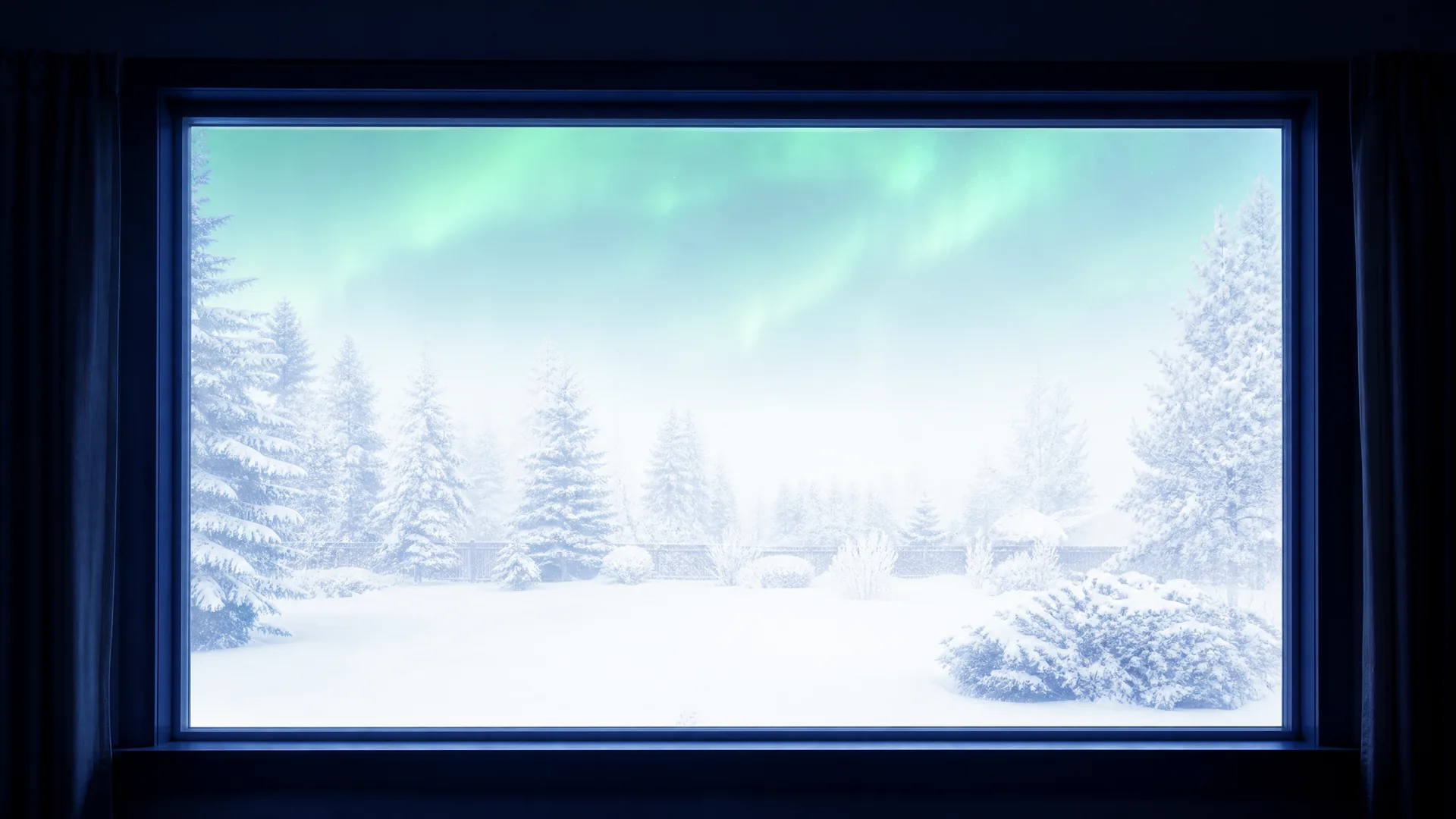
Idaho furnaces run nearly ten months straight into nights that drop near 22°F
- Eastern counties need about 29% more heat than western ones
- Winter nights average 22°F where people live
- Heat runs September through June
- 1,773 winter storms from 2015 to 2024
- Climate zones 5B and 6B across the state
- 11% of homes lost power a day or more in 2024
- A proper load calculation sizes the furnace to the house instead of guessing off the old unit's label, which is usually the first thing that was wrong with it
- New ductwork at the plenum gets fitted to match the new furnace instead of forced onto connections sized for the old one
- Every gas connection gets pressure tested before the burner is ever lit, so a leak gets caught on install day instead of found later
- A full test cycle checks flame, airflow, and temperature rise, so you know the furnace reaches temperature without short cycling before the crew leaves
- Correct venting for whatever efficiency type you chose, so exhaust clears the way it's supposed to instead of being adapted from what the old furnace used
Utility gas heats 51.6% of occupied homes in Idaho, more than any other fuel. Electricity comes next at 35.2%, then bottled or LP gas at 5.3%. If your home already has a gas line run to it, a gas furnace is the straightforward replacement, since the venting and fuel supply are already in place.
Replacing a furnace with the same fuel type it already uses is usually the simpler job. Switching from gas to electric, or the other way around, can mean new wiring or new gas line work before the furnace itself goes in. If you're not sure what your current system runs on, check the furnace nameplate or ask the contractor doing the quote.
Install before September, while the furnace can still sit idle
August is the last easy month to get this done. Once September hits, your furnace is running most nights straight through to June. Idaho homes need heat for more months of the year than in 45 of the other 49 states, so there's barely a window where the old system sits untouched while you plan the replacement. Getting the new furnace in before September means it gets tested and running with no pressure, not on the first cold night.
2 months of cooling, July through August
10 months of heat, September through June
What does a furnace in Idaho face?
How cold do winter nights get?
22°Faverage overnight low where people live
North Dakota4°F
Hawaii65°F
How many months does the heat run?
10 monthsof heating a year
Hawaii0 months
Alaska12 months
What does natural gas cost?
$8.25per million Btu, what homes paid in 2024
Montana$7.77
Hawaii$53.25
How often do storms hit?
186severe weather events per county from 2015 to 2024
Alaska5
Wyoming1,057
How many homes lost power for a day or more?
11%of homes in 2024
Arizona7%
Maine54%
Gas is cheap here, so a good install matters more than a high rating
Gas here cost $8.25 per million Btu in 2024. That's cheap enough that chasing the highest efficiency rating on the market won't pay you back fast. A mid-efficiency furnace installed right and sized correctly will cost less to run than a high-efficiency model that short-cycles because it's too big for the house, or one that was never installed well to begin with. With gas this cheap, the install matters more than the AFUE (annual fuel utilization efficiency, the share of the fuel a furnace turns into heat) number on the sticker.
What happens on install day
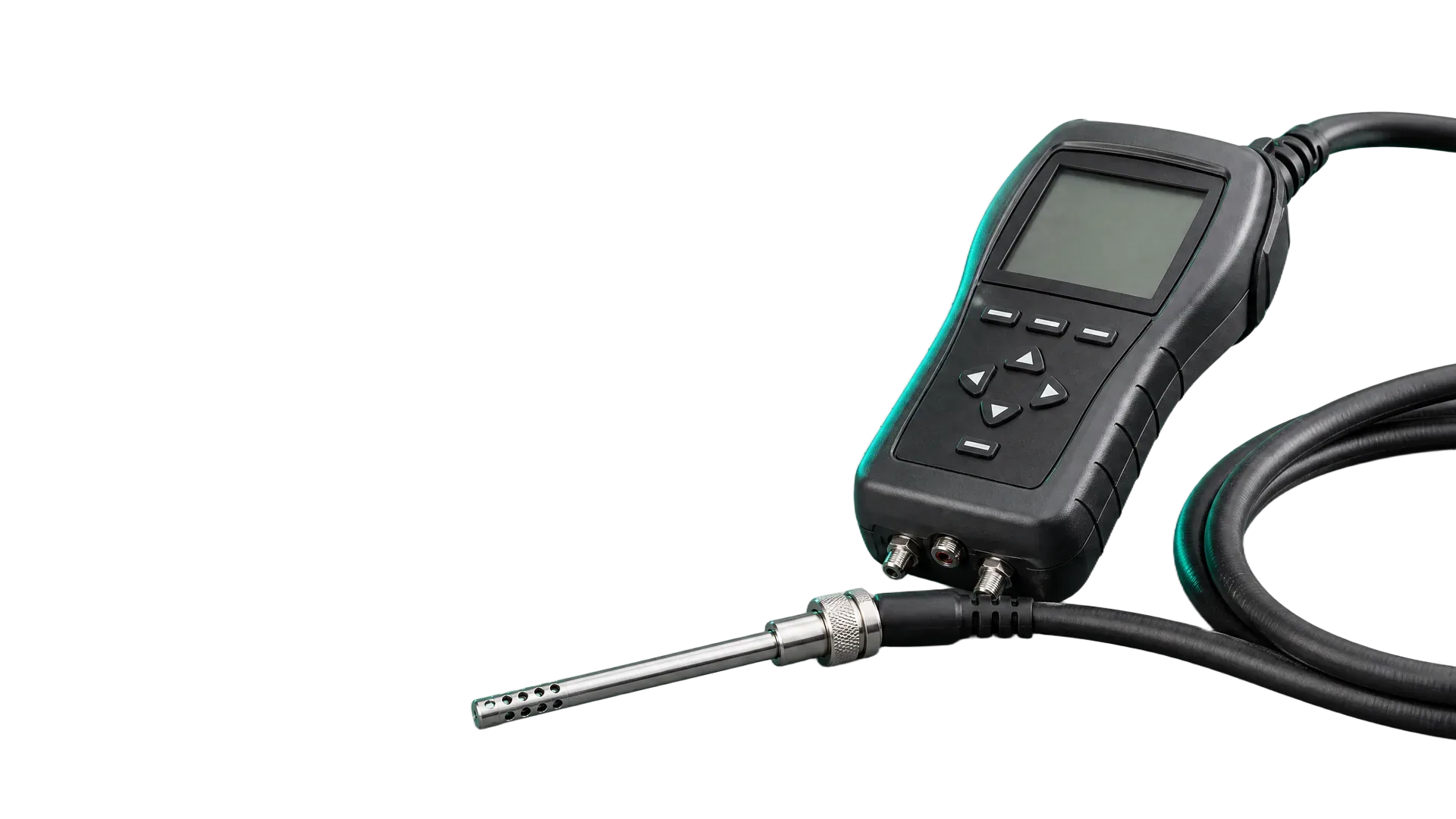
The old furnace comes out first. Gas gets shut off, the flue disconnects, and the ducts get pulled back far enough to work. If the new furnace is a different size or a different efficiency type, the ductwork at the plenum often needs to be cut and refitted rather than just reconnected. A high-efficiency furnace also needs its own intake and exhaust vents run through a wall or roof, which isn't the same venting a mid-efficiency furnace uses. That's work the old system never needed, so the crew has to open up a path for it. Once the new unit is set and leveled, the gas line gets connected and checked for leaks before anything is fired up. Then the furnace runs through a full test cycle, usually more than once, so the tech can check the flame, the airflow at the vents, and the temperature rise through the system. A furnace that's sized and installed correctly should bring the house up to temperature without the burner shutting off and restarting over and over. That short cycling is one of the first things a tech checks for before calling the job done.
Why most people don't switch fuels
Gas here cost $8.25 per million Btu in 2024, and electricity costs more to run as heat. That gap is why switching fuel types rarely pencils out on running cost alone, and why most homeowners replacing a furnace stay with what they have. A high-efficiency furnace still uses less gas than a mid-efficiency one. It just takes longer, at these prices, to make up the difference in what the upgrade cost to install.
A furnace sized for Canyon County won't keep up in Custer County.
Tell us about the job
Takes about a minute. No obligation.
Fill out the form and hear from a contractor who sizes the job to your part of Idaho.