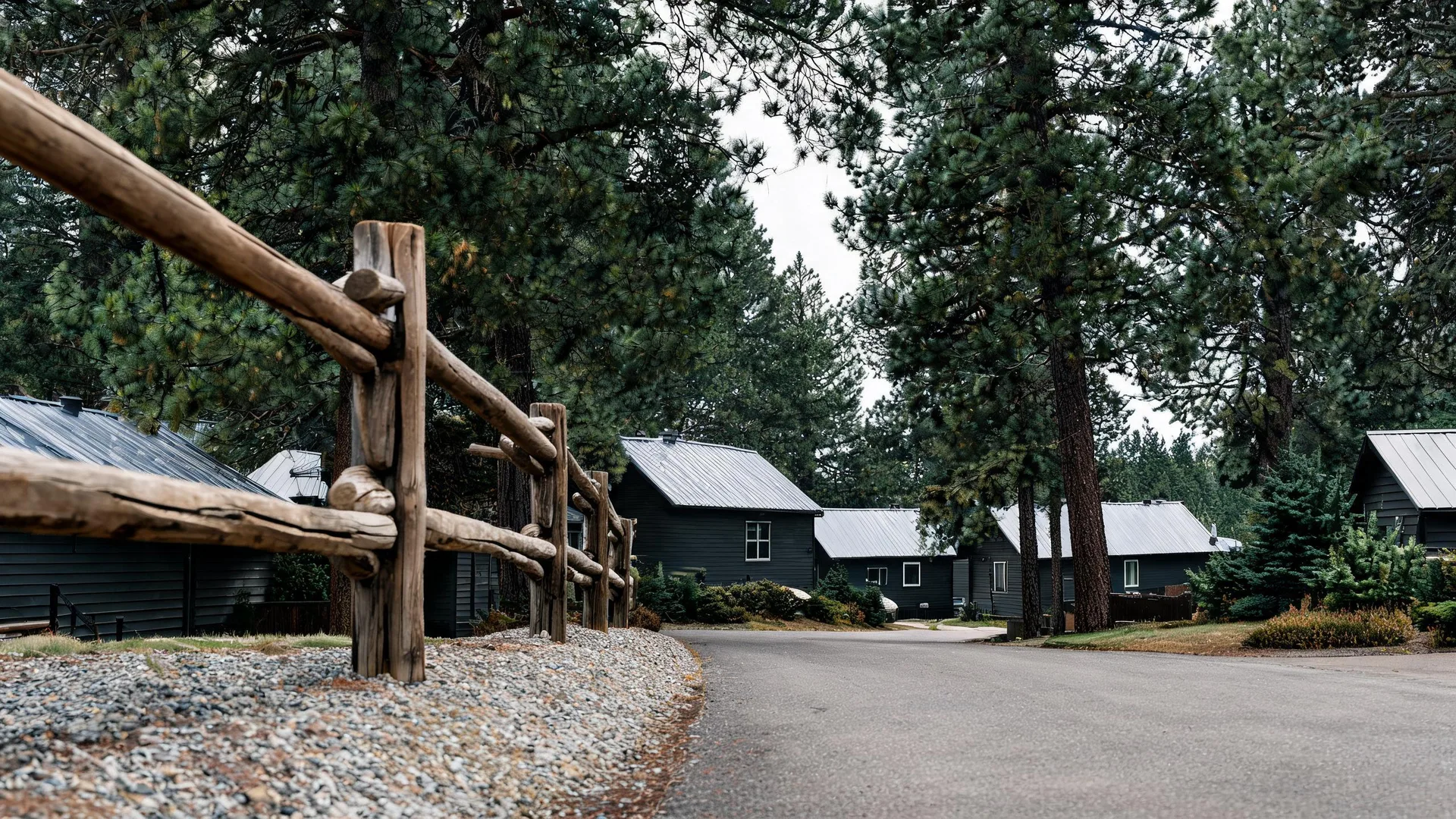




A rustic log rail fence beside a gravel verge and paved road, with dark-sided cabins with metal roofs among tall pine trees under an overcast sky.

Furnace Repair in Gooding, ID

Tell us about the job

Takes about a minute. No obligation.

RepairFurnace or heatingGooding County, ID
Step 1 of 2

What ZIP code is the job in?

Furnaces in Gooding County run about eight months a year, October through May. That leaves only a few months when the system gets to sit idle. All that run time adds up in the parts that cycle every time the heat kicks on, the igniter, the blower motor, the heat exchanger. A furnace here puts in more hours per winter than the same unit would somewhere with a shorter cold season, so it reaches the same wear at a younger age. That's usually where a repair call starts, not a defect but a machine that's simply worked more than its age suggests.

8 months
October through May, your furnace is on duty
21°F
the average winter night it heats against
12 winter storms
in ten years, the nights a failure hurts most
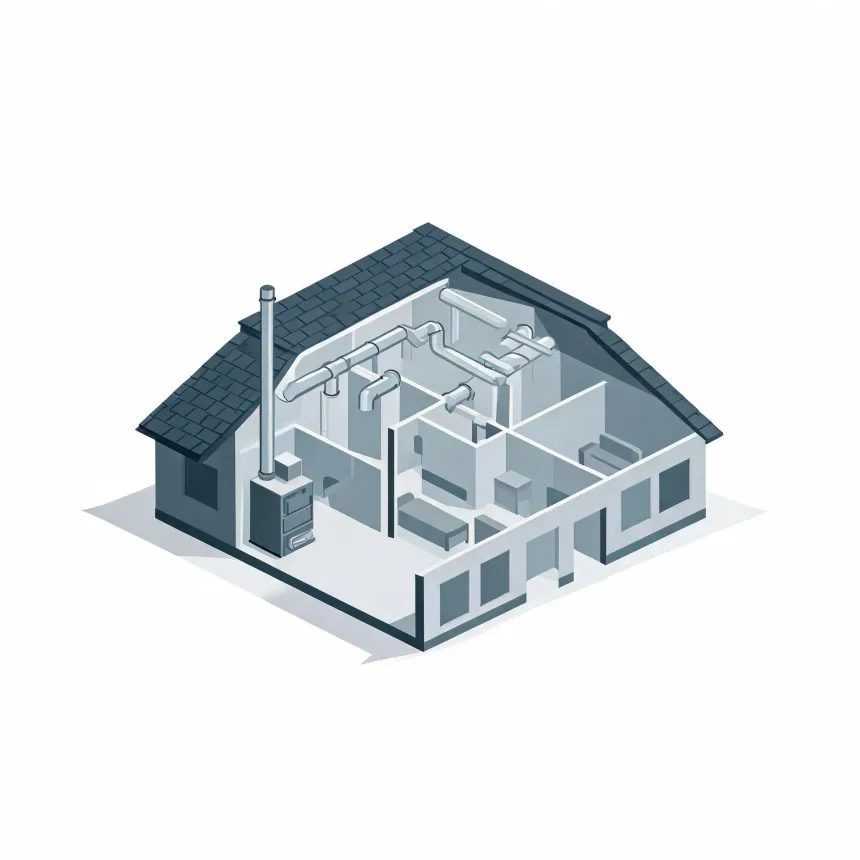
Isometric grayscale illustration of a cutaway house showing interior rooms, ceiling ductwork, a flue pipe, and a furnace unit on the left side.
Your furnace works hardest from November through March.

NOAA nClimDiv, 1991–2020 normals

A cracked heat exchanger can leak exhaust into the air a blower keeps pushing through the house.

A furnace with that kind of fault needs to shut down, not run another cycle while someone decides.

Electricity here runs $33.76 per million Btu, and a struggling furnace burns more of it every month.

Climate zone 5B
Heat runs October through May
Winter nights average 21°F
The First Cold Snap Finds the Weak PartFurnaces here start running in October, and that first real demand is when a worn part usually fails.

A furnace that's short cycling, running constantly, or struggling to heat the house isn't just uncomfortable. It's pulling power the whole time it does it. Waiting a few weeks to get it looked at means a few more weeks of that higher bill, on top of whatever the repair itself costs. Most furnace problems don't fix themselves or get cheaper to fix by waiting. A technician can usually tell you within a visit whether you're looking at a worn part or something bigger, and either way you stop paying for a machine that's working against itself.

Get the Wear Diagnosed Before It Costs More to Run

A furnace that's logged more winters than its age suggests doesn't always fail outright. Sometimes it just runs longer than it should to get the house warm, or shuts off before it's done. A technician can tell you which part gave out and whether it's a quick fix or a sign the unit is nearing the end of its run.

Find a contractor
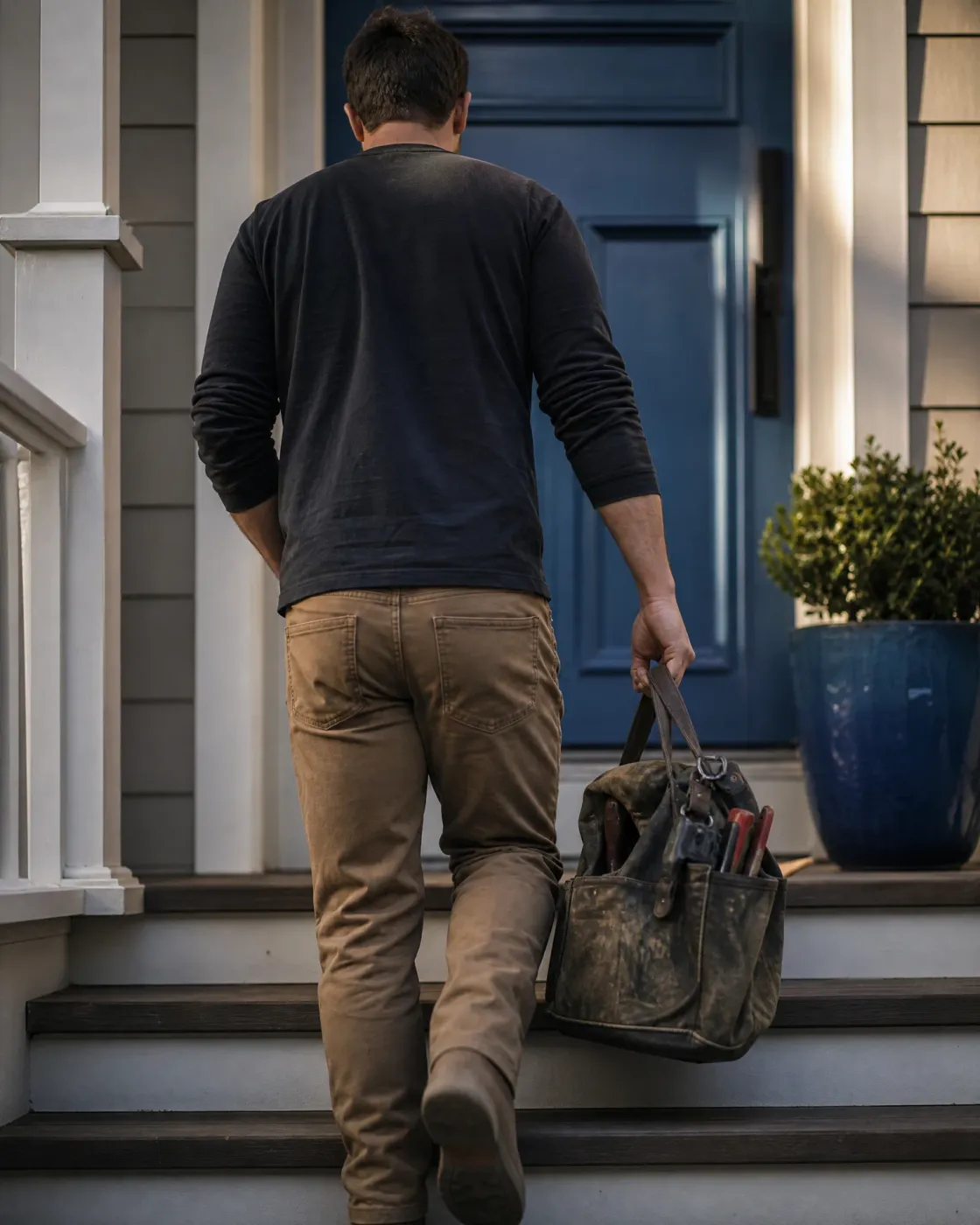
A man in a dark long-sleeve shirt and tan pants climbs porch steps toward a blue front door, carrying a worn canvas tool bag with tools in its side pockets, beside a potted shrub in a blue planter.
A gray residential gas furnace installed in an unfinished basement, surrounded by ductwork, a metal flue pipe, and a gas supply line.

Why Furnace Parts Wear Out When They Do

Most furnace failures trace back to a handful of parts that do the same job over and over until one day they don't. The igniter glows hot every time the thermostat calls for heat, and that repeated heating and cooling is what eventually cracks it. The flame sensor coats itself with a thin layer of residue over time until it can't tell the control board the flame is lit, so the system shuts the gas valve as a safety step. Blower motor bearings wear from spinning hour after hour, and a motor working on worn bearings pulls harder and runs hotter than it should. The heat exchanger expands and contracts with every cycle, and metal that flexes that many times eventually fatigues at the seams. Capacitors that help start and run the blower motor lose their charge gradually, so the motor strains to start long before it quits. None of these parts fail because of one bad night. They fail because they've done their job a few thousand times too many.

What You'll Notice First

A furnace in trouble usually tells on itself before it quits outright. The house takes longer to reach temperature, or never quite gets there. The air coming out of the vents feels lukewarm instead of hot. The burner cycles on and off in short bursts instead of running a full, steady cycle. Some rooms heat fine while others stay cold, which points to airflow or duct trouble rather than the furnace itself. A burning or metallic smell when the system starts, a pilot or igniter that won't catch on the first try, or a blower that keeps running after the heat shuts off are all signs worth paying attention to.
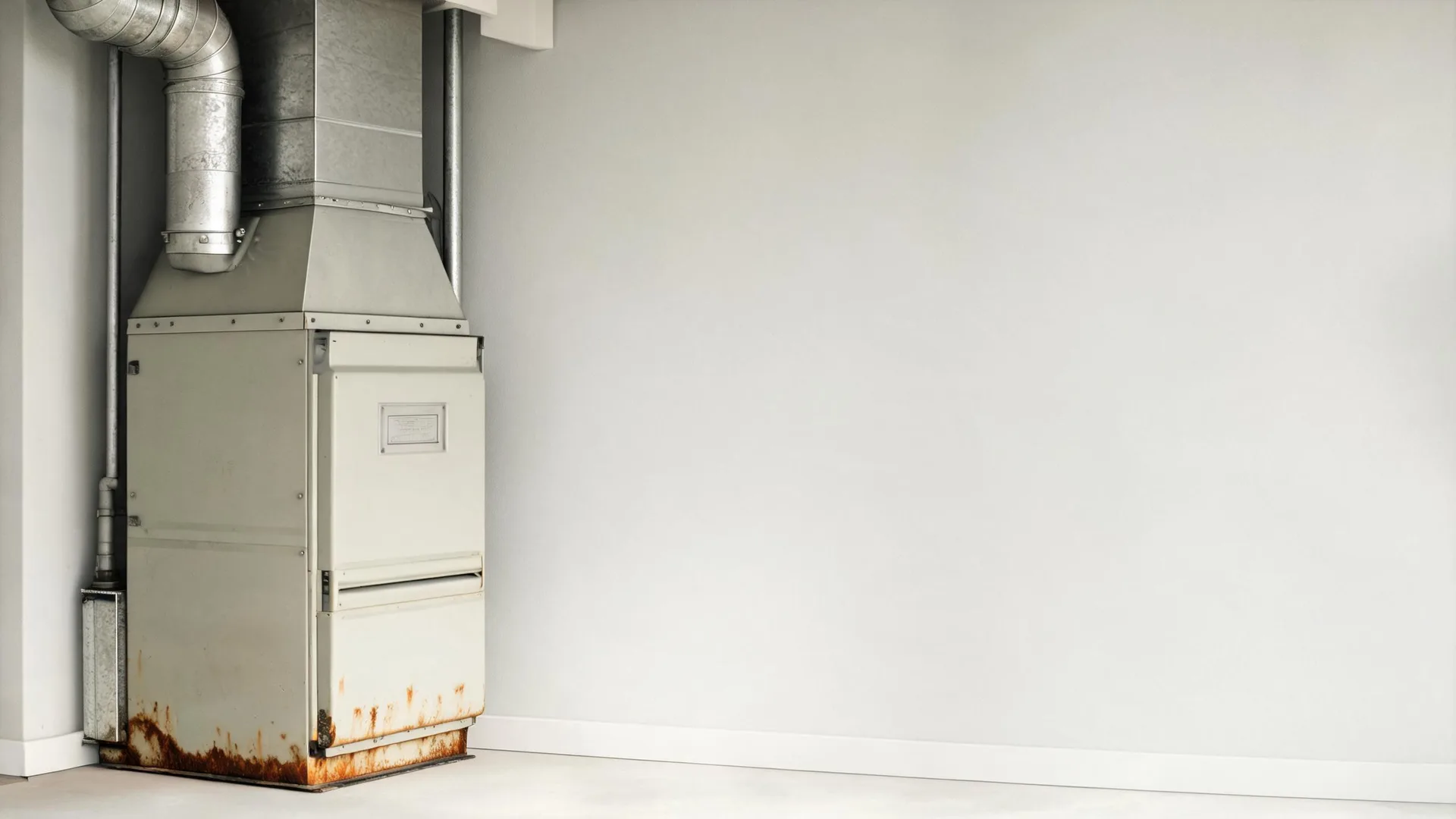
What Those Signs Are Worth

None of these symptoms are things to live with or wait out. A furnace that short cycles is already stressing the igniter and blower motor every time it restarts. One that runs long without heating well is often pushing a failing component past where it should be working at all. A strange smell or sound is the furnace telling you a part is out of tolerance before it fails completely. Catching any of these early usually means replacing one worn part instead of several, and it means the furnace isn't left to run in a condition that can damage other components around it.

Before calling anyone, check the thermostat is set to heat and the setting is above room temperature, not just on auto with a low number. Look at the furnace switch, the one that looks like a light switch on or near the unit, and make sure it hasn't been bumped off. Check the circuit breaker for the furnace and the one for the blower if they're separate. If the furnace has a pilot light, see if it's lit, and if it's an electronic ignition unit, listen for whether it's trying to start at all or just sitting dead. Check the air filter, because one that's packed with dust chokes airflow and can cause the whole system to overheat and shut itself off as a safety measure. If the furnace has a condensate line, check it isn't blocked or frozen, since a full drain pan or a tripped float switch will stop some units from running entirely. None of this requires opening the cabinet or touching gas lines or wiring. If the furnace still won't run or run right after these checks, the problem is past what's safe to chase on your own.

A diagnostic visit starts before any panel comes off. A technician asks what the furnace was doing right before it quit, how long it's been acting up, and whether anything changed recently, like a thermostat battery or a filter swap. Then comes the visual check: the burner flame, the wiring at the control board, the condition of the filter, the drain line if there is one. Next is testing with meters, checking voltage at the control board, resistance across a flame sensor, the draw on a blower motor to see if it's pulling more current than it should. Gas pressure gets checked at the valve, because too much or too little changes how the burner fires. The technician will usually run the furnace through a full cycle, watching how it ignites, how long it stays lit, and how it shuts down, since a lot of problems only show up partway through a cycle. By the end, you should hear which part failed, why it failed, and whether it's a standalone fix or a sign that other parts are close behind it.