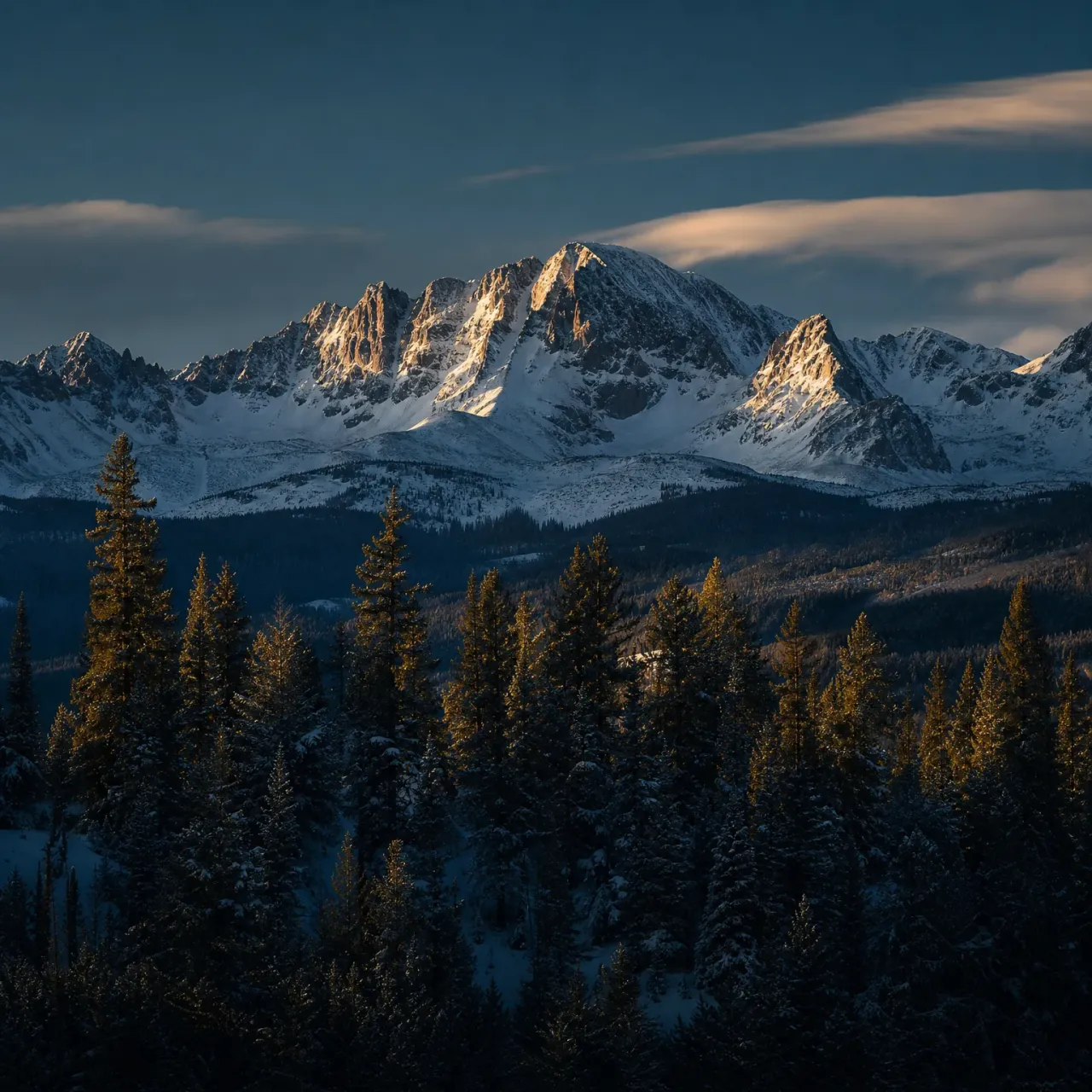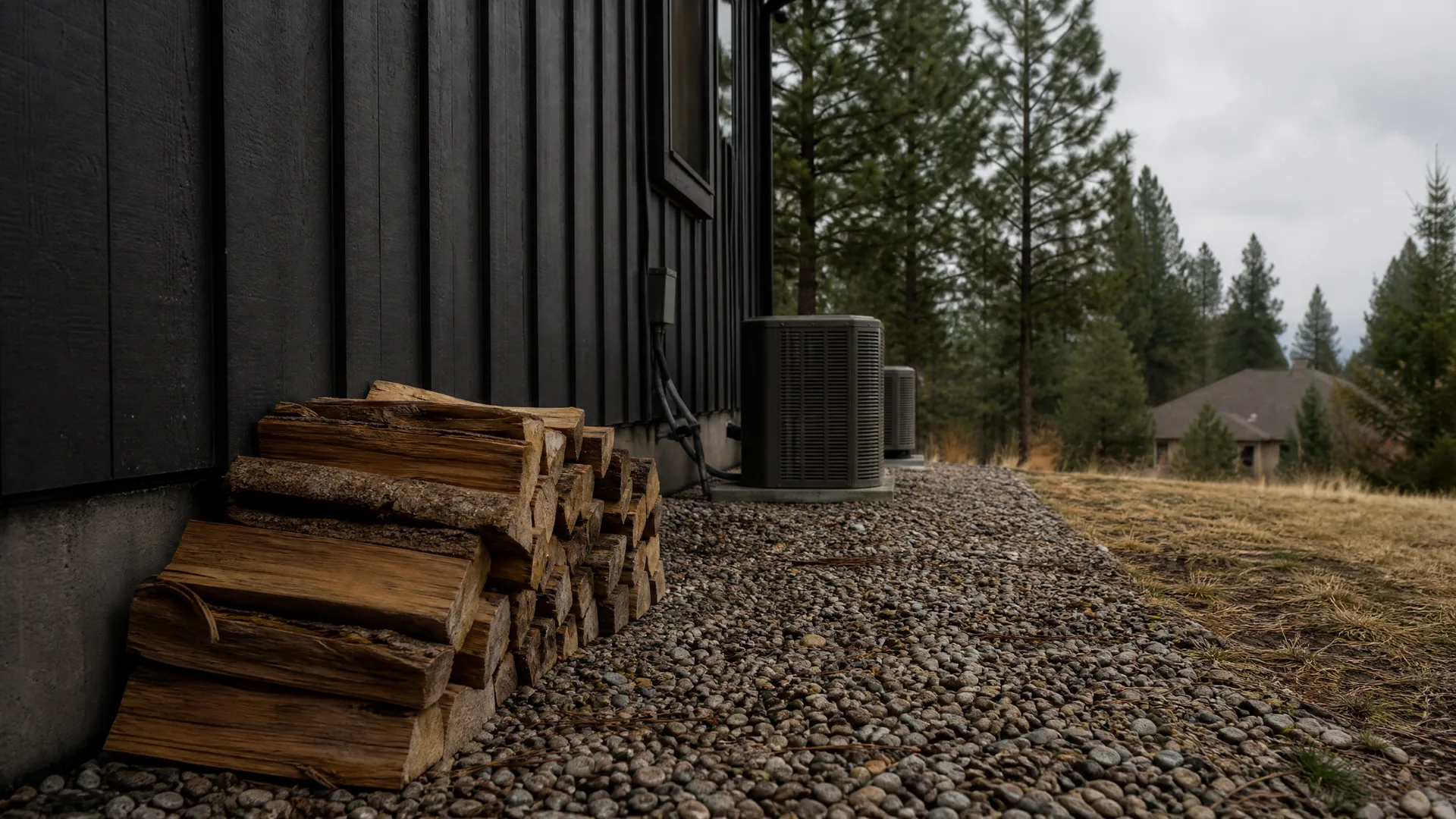
Stack of split firewood against the dark board-and-batten wall of a house, with two outdoor condenser units on a gravel strip, dry grass and conifer trees beyond under an overcast sky.

Furnace Repair in Soda Springs, ID

Tell us about the job

Takes about a minute. No obligation.

RepairFurnace or heatingCaribou County, ID
Step 1 of 2

What ZIP code is the job in?

Ten months of runtime

A furnace in Caribou County runs from September through June. That is most of the year the burner is lighting, the blower is moving air, and the igniter is cycling on and off. Winter storms hit this county 154 times between 2015 and 2024, and every one of them means the furnace is working to keep up.

What that means for a repair

A furnace that runs this long each year wears out its parts sooner than one that only runs a few months. When something breaks, it's usually not bad luck. It's a part that's been working longer than it would almost anywhere else. Worth knowing before you decide whether to fix it or watch it.

10 months
September through June, your furnace is on duty
15°F
the average winter night it heats against
62%
of homes here heat with gas, so most furnaces here burn gas
154 winter storms
in ten years, the nights a failure hurts most
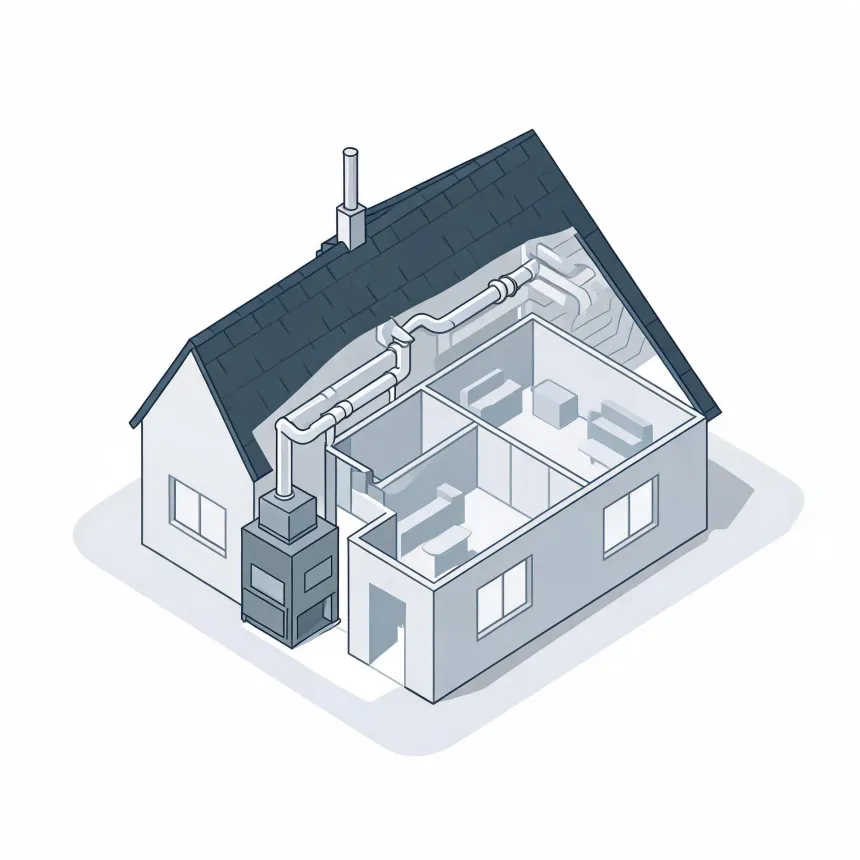
Isometric line illustration of a cutaway single-story house with a dark shingled roof, showing interior rooms and ductwork connected to a gray furnace unit with a flue pipe.
Your furnace works hardest from October through April.

NOAA nClimDiv, 1991–2020 normals

September is when the furnace in Caribou County switches back on after sitting idle since spring.

A part that was already weak often fails in those first weeks, right when the burner starts working again.

Half the homes here were built before the furnace inside them was

Half the homes here were built by 1972
Climate zone 6B
Heat runs September through June
A Furnace That's Costing You MoreIdaho gas ran $8.25 per million Btu in 2024, and a furnace running poorly burns more of it every month.

A diagnostic visit starts before any panel comes off. The tech asks what you noticed and when it started, because a furnace that's slow to light points somewhere different than one that's blowing cool air. Then the panels come off and the tech watches it run through a full cycle: ignition, burner, blower, shutdown. Voltage gets checked at the igniter. The flame sensor gets pulled and looked at. Static pressure in the ductwork tells the tech whether the blower is struggling against something downstream. None of this is guesswork. Each reading either clears a part or points at it, and by the end the tech can tell you which part failed and why, not just that the furnace isn't working.

A furnace working this hard needs a real diagnosis, not a guess

When a furnace runs this many months a year, the part that failed has usually been under strain longer than it would be most places. That is worth finding before anything gets fixed. A proper diagnosis tells you what actually broke and why, so the repair holds instead of masking the same problem for a few more weeks.

Find a contractor
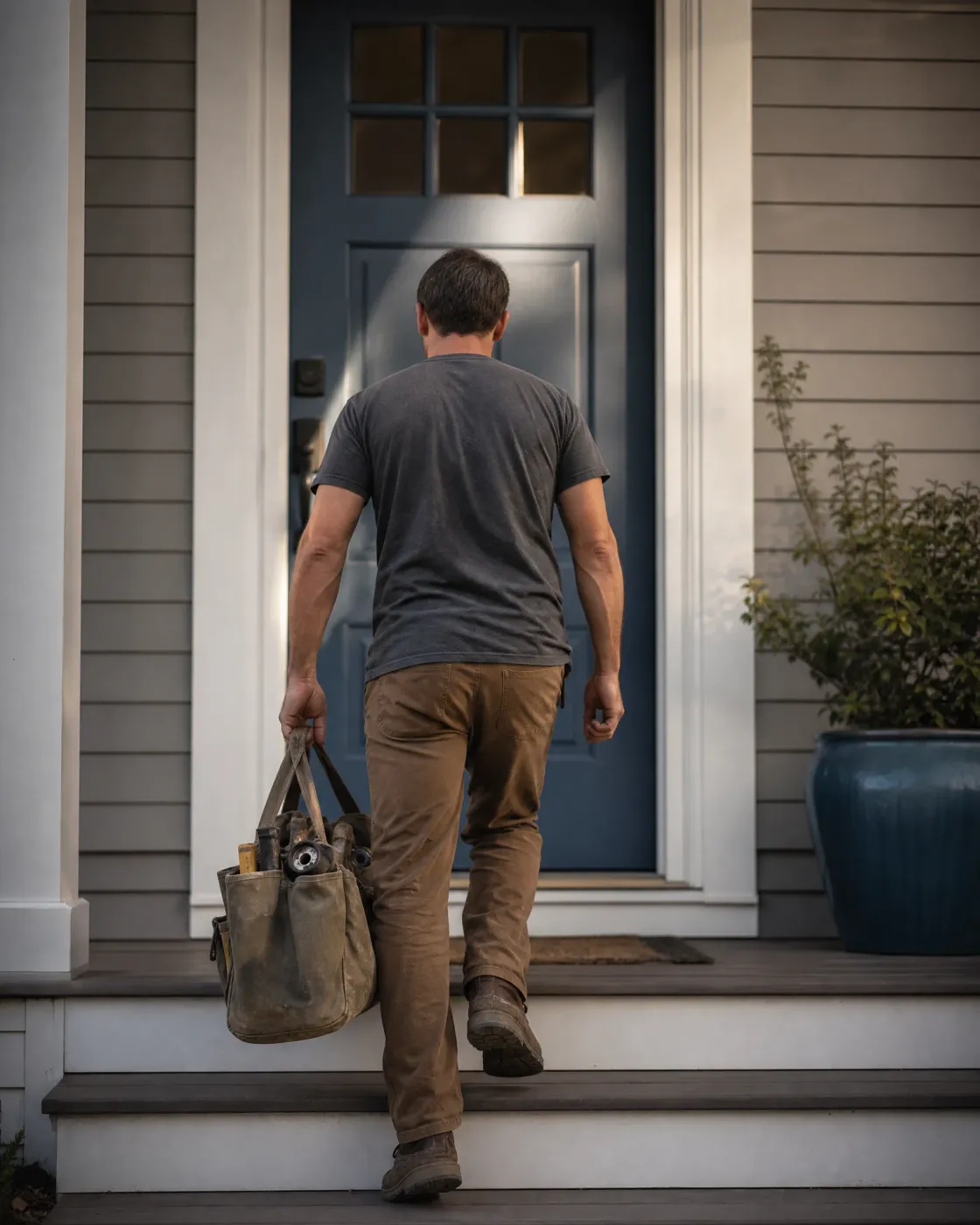
A man in a gray t-shirt and brown work pants carries a canvas tool bag up porch steps toward a blue front door of a house with gray siding.
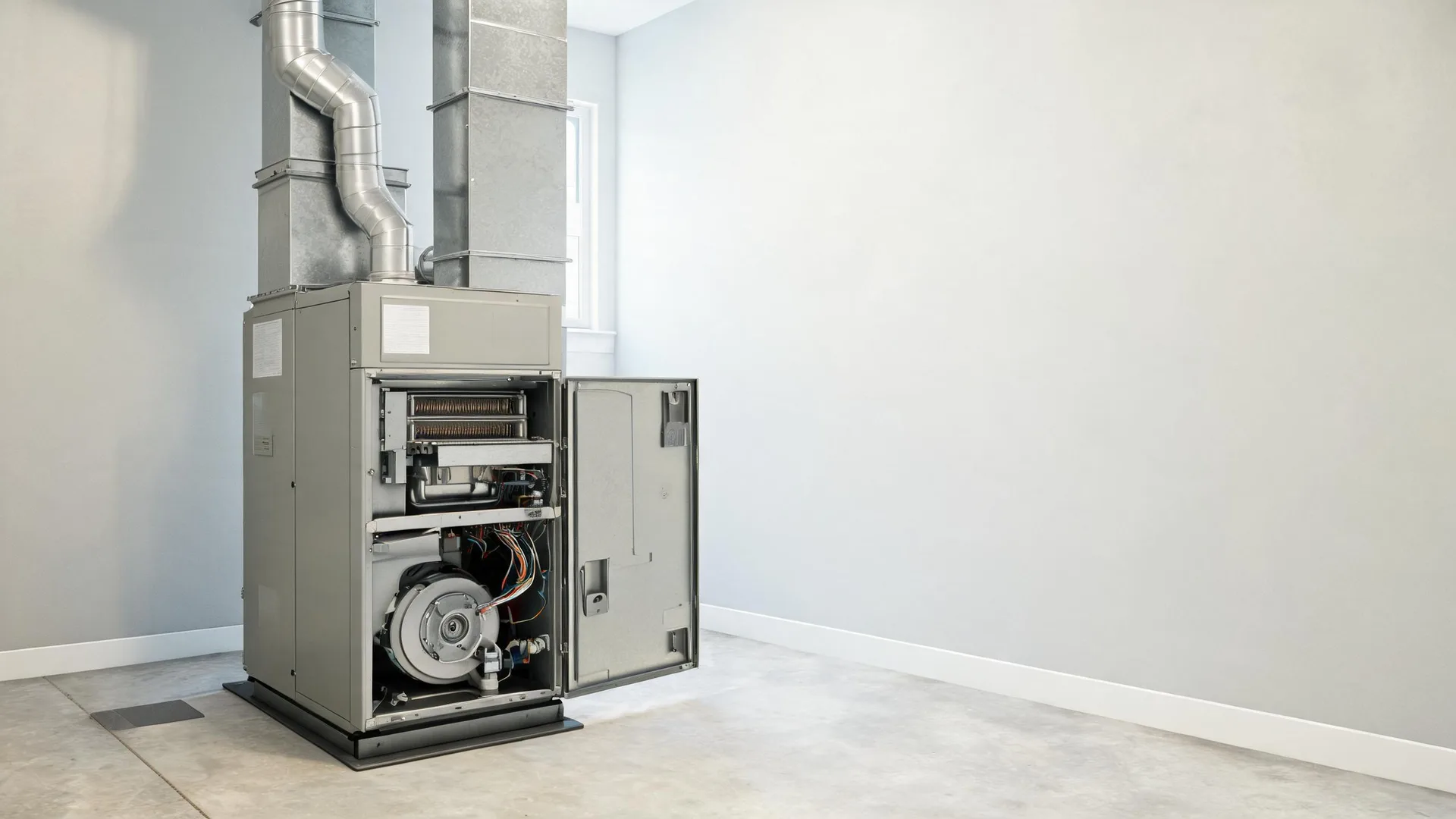
A gray residential gas furnace installed in an unfinished basement, connected to sheet-metal ductwork and PVC pipes.

Why waiting makes it worse

A furnace that's struggling doesn't fail all at once. It gives you a sign first, usually something small enough to ignore. A burner that cycles more than it used to. A blower that runs louder. A flame that looks yellow instead of blue. Keep running it past that point and the strain moves somewhere else. A cracked heat exchanger gets worse under heat and cools back down when the furnace shuts off, so running it longer each day speeds up the crack. A failing igniter has to work harder each time it glows, and that shortens what's left of it. A dirty flame sensor gets a little more coated every cycle until the furnace stops firing altogether. None of these get better by waiting. The part under strain stays under strain, and every extra day it runs is a day closer to the point where it quits for good, usually at the worst possible time.

What you'll notice first

A furnace that needs attention usually tells you before it quits. The burner takes longer to light, or it lights and then clicks off again. The blower runs louder than it used to, or you feel air coming out that's cooler than normal. Some rooms stop getting warm while others are fine. The flame in the viewing window should burn steady and blue. If it's flickering yellow or orange, something is off with the burner and that's not something to leave alone.

What it means for the repair

Each of those signs points to a different part, and that matters for what gets fixed. A furnace that's slow to light or won't stay lit often has a failing igniter or a flame sensor coated enough that it can't detect the flame. A loud or weak blower can mean a motor on its way out or a bearing wearing down. A yellow flame means the burner isn't getting the air it needs to burn clean, and that's worth having looked at before the furnace is run again. Telling the tech exactly what you noticed, and when it started, gets you a faster and more accurate diagnosis than describing the furnace as just not working right.

An unfinished basement featuring concrete block walls, exposed floor joists, and a metal forced-air furnace with ductwork near a central pillar.

A new furnace would cut about $100 a year off heating for a typical Caribou County home.

  • A new high-efficiency furnace$430 a year
  • An older furnace$530 a year

Estimates for a typical Caribou County home, compared with an older unit built to the previous federal minimum, from EIA household energy data, Idaho fuel prices and NOAA climate normals. Your home will differ.

Repair makes sense when one part has failed and the heat exchanger is sound.

Replacement makes sense when the heat exchanger is cracked or the furnace keeps needing parts.

Gas here ran $8.25 per million Btu in 2024, and a furnace that's misfiring burns through more of it every day it's left alone. A cracked heat exchanger, a dirty flame sensor, a burner struggling to stay lit, none of those make the furnace run efficiently while they wait to get fixed. The cost of that shows up on the next bill, not just in the eventual repair. Getting it looked at this week instead of next month is the part you actually control.