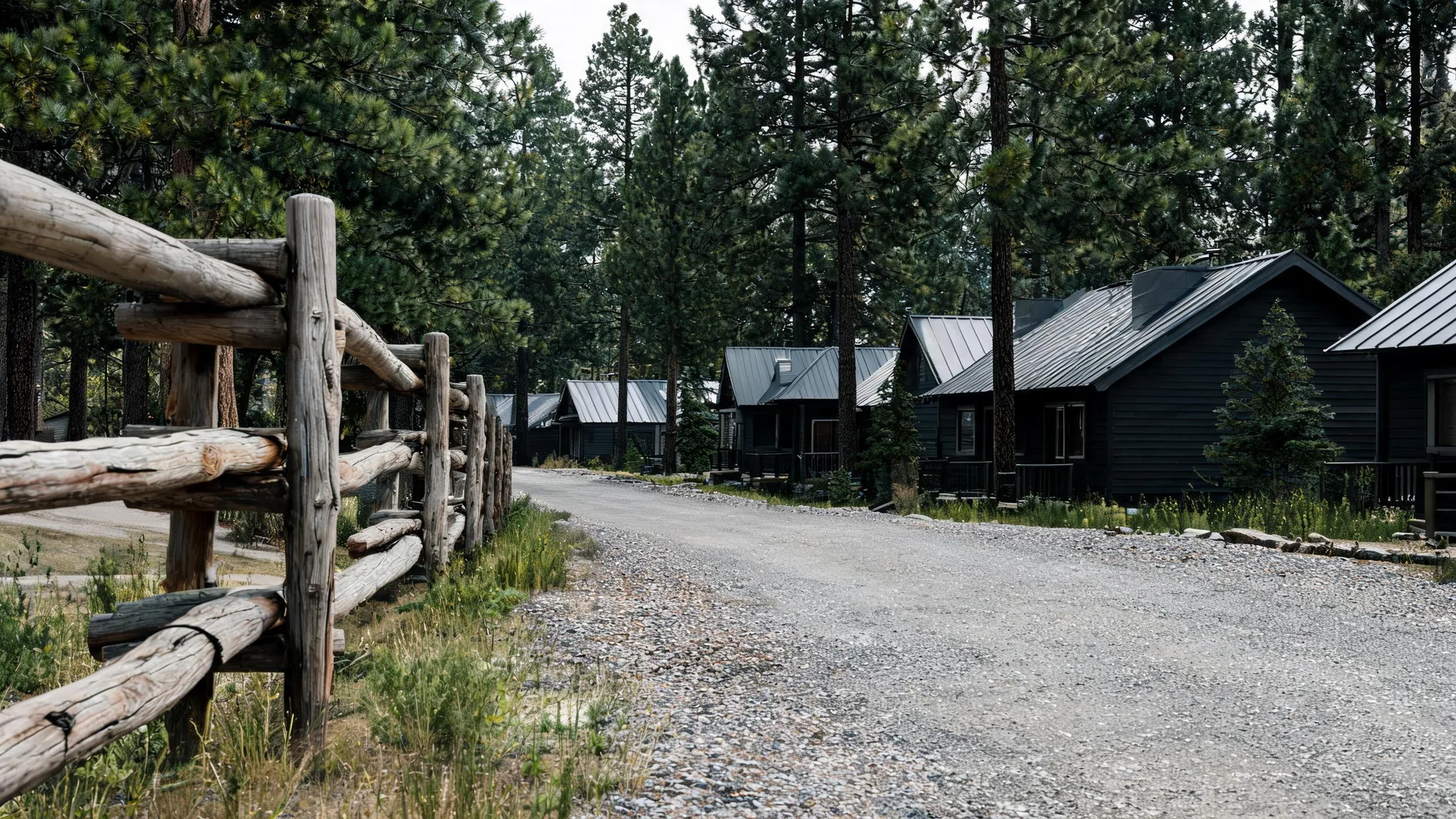


A gravel road lined with dark-sided cabins with metal roofs runs through a pine forest, with a weathered split-rail log fence in the left foreground.

Furnace Repair in Orofino, ID

Tell us about the job

Takes about a minute. No obligation.

RepairFurnace or heatingClearwater County, ID
Step 1 of 2

What ZIP code is the job in?

A furnace that's about to need a repair usually tells you before it quits outright. Short cycling is one of the clearest signs. It fires up, runs for a bit, then shuts off before the house warms up. That often points to a dirty flame sensor or restricted airflow. A clicking igniter that never catches means the furnace is trying to start and failing. Air coming out lukewarm instead of hot can mean a cracked heat exchanger or a failing blower motor. Pay attention to smell too. A burning dust smell at the start of a heating cycle is normal, but anything sharper, especially a smell like rotten eggs, means stop using it and get someone out. Banging or scraping sounds that weren't there before usually mean a part has come loose or worn down, and that will not fix itself.

10 months
September through June, your furnace is on duty
22°F
the average winter night it heats against
56 winter storms
in ten years, the nights a failure hurts most
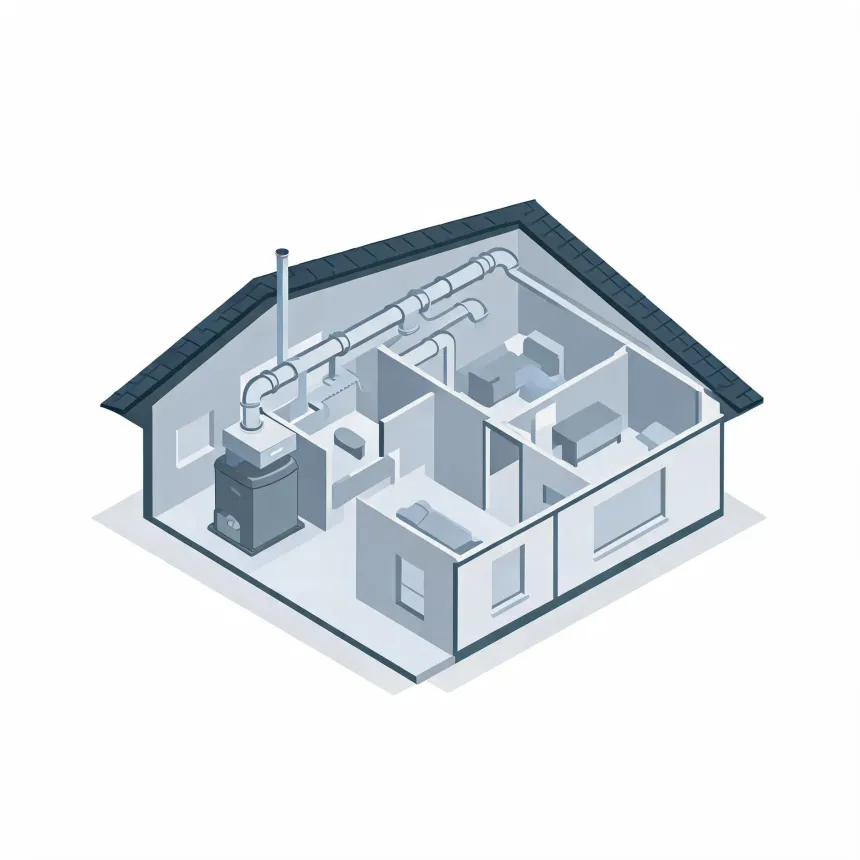
Isometric cutaway illustration of a single-story house showing interior rooms, ductwork running along the ceiling, a flue pipe through the roof, and a dark furnace unit in one corner.
Your furnace works hardest from October through April.

NOAA nClimDiv, 1991–2020 normals

Heat runs September through June, at $33.76 per million Btu

Heat runs September through June
Winter nights average 22°F
56 winter storms from 2015 to 2024
Ten months of heat, starting in SeptemberFurnace season starts in September here, and August is the only month off.

Ten months of heat a year is a long season for any furnace, and this one runs through nights that average 22 degrees. That's not a cold snap, that's the normal overnight low all through December, January and February. The burner, the igniter, the blower motor all see more hours of work here than they would almost anywhere else, and more hours means more chances for a part to wear out early. Storms don't help either. Clearwater County has seen dozens of winter storms over the past decade, heavy snow and ice included, and a furnace that has to keep up through that is working at its limit, not just ticking over. When a furnace that's worked this hard starts acting up, the cause is usually something specific wearing out, not bad luck, and a contractor who checks it properly can find which part gave out and fix that instead of guessing.

A furnace that's struggling here costs you every month it runs that way

At $33.76 per million Btu, a furnace burning more fuel than it should, or cycling on and off to make up for a bad part, shows up on the bill fast. With a season this long, that's not a short stretch to ride out. Get the problem found and fixed before it costs you another month.

Find a contractor
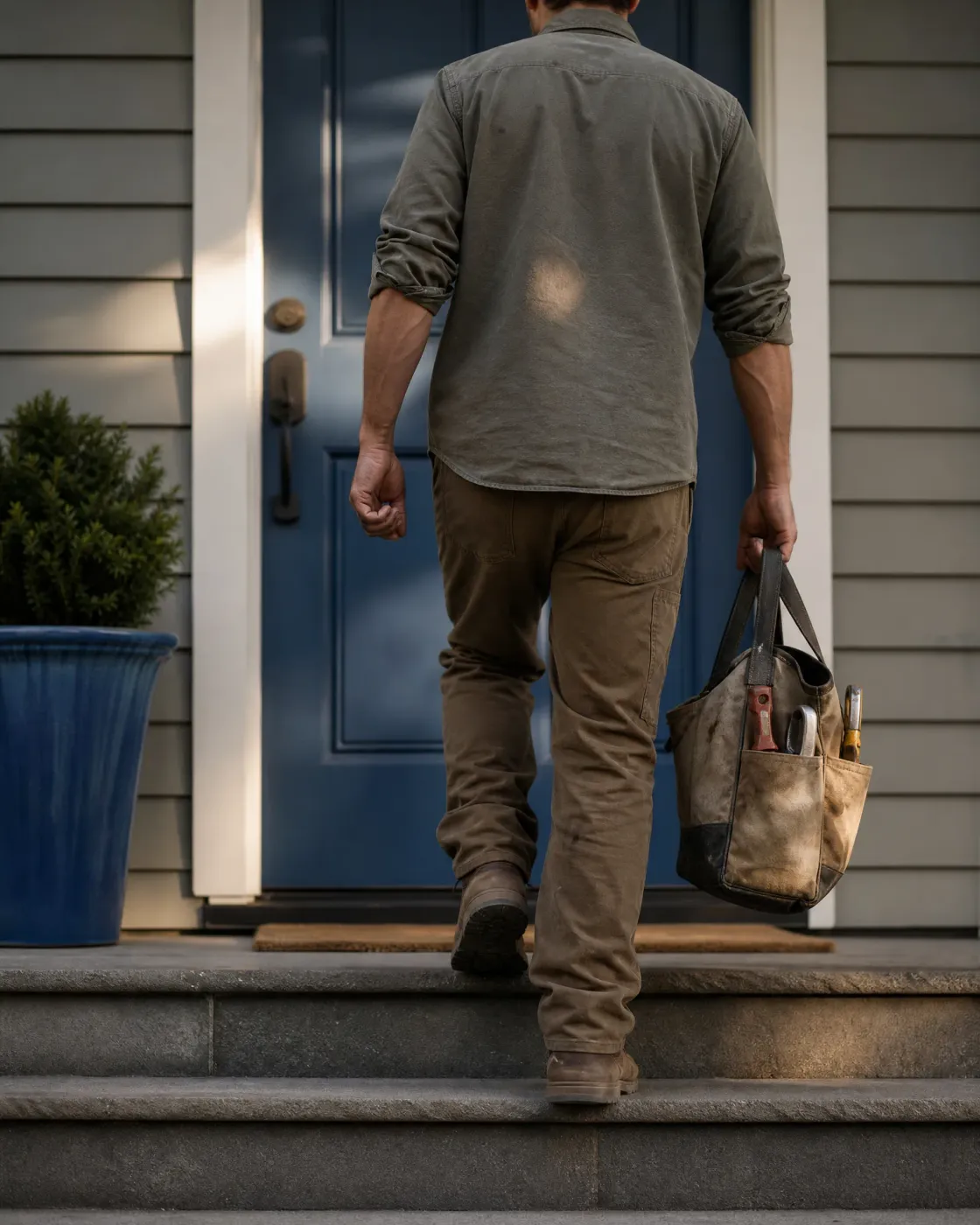
A man seen from behind in a grey shirt and tan work pants climbs stone steps toward a blue front door, carrying a canvas tool bag with hand tools in its side pockets, beside a blue planter with a small shrub.
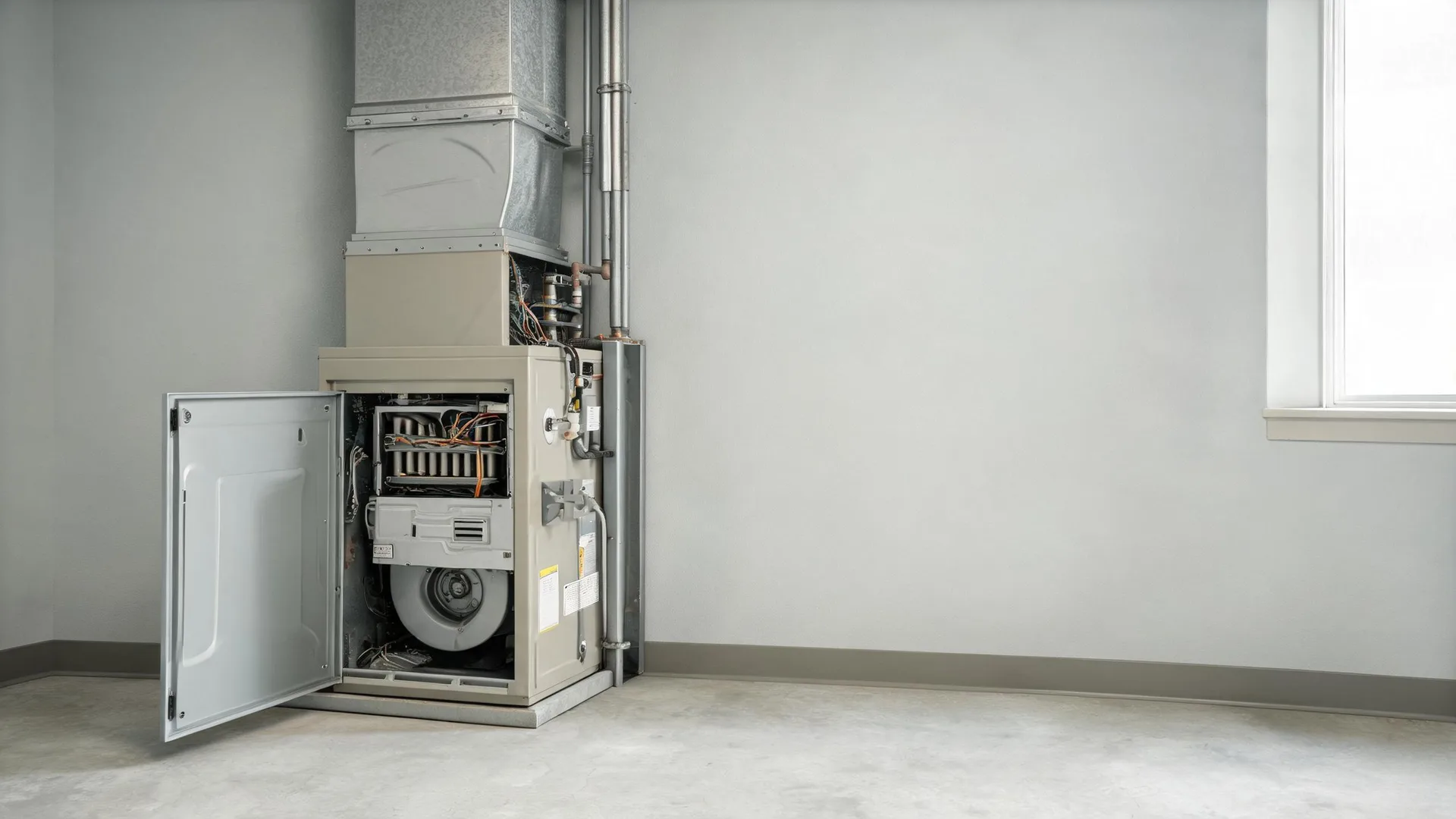
A gas furnace with attached ductwork, gas piping, and condensate lines installed in a concrete-block basement.

One worn part is a repair, not a verdict

A furnace doesn't stop working all at once. Parts wear down a little at a time, and most repairs are cheaper and smaller the earlier they're caught. A furnace running this many hours a year has more cycles on the igniter, more hours on the blower motor, more chances for the flame sensor to pick up a film of residue. None of that means replace it. Most of what fails in a furnace is one part at a time, and one worn part is a repair, not a reason to start over. Replacement starts to make sense when the cabinet itself is cracked, when the heat exchanger has failed, or when a tech is pulling that furnace apart for the second or third time in a couple years for a different reason each time. Short of that, a furnace that's been looked after and gets one part swapped when it fails can keep going a long time. The part that matters most is catching the failing part before it takes something else down with it. A blower motor straining against a clogged filter will eventually burn out. A flame sensor caked with residue will eventually make the whole unit shut down rather than just short cycle. Fixed early, each of those is a small job.

Check the simple stuff first

Look at the thermostat before anything else. Make sure it's set to heat and the set temperature is actually above room temperature. Check the breaker for the furnace hasn't tripped, and if the furnace has a switch that looks like a light switch near it, make sure it's on. Replace the air filter if it's gray or clogged. A blocked filter can starve the furnace of airflow and cause it to shut down on its own as a safety measure.
Know what to leave alone

Don't open the burner compartment or touch the igniter, the flame sensor, or any gas fitting. Those need a meter and training to check safely, and getting it wrong risks a gas leak or a burn. If you smell rotten eggs, don't flip switches or check anything. Get outside and call for help from there. Anything past the thermostat and the filter is a job for a tech, not because it's complicated, but because getting it wrong is dangerous.

A furnace that's cycling or straining doesn't fail cleaner by waiting. A flame sensor coated in residue will make the burner shut off sooner and sooner as the film thickens, so what starts as an occasional short cycle becomes every cycle. A blower motor working against a clogged filter or a failing bearing draws harder each time it starts, and that heat builds until the motor burns out instead of just running loud. A cracked heat exchanger gets worse under heat and cooling, not better, and running it longer only stresses the crack further. Even a bad igniter takes a toll elsewhere, because a furnace that won't catch keeps calling for gas and keeps trying, and that repeated strain lands on the control board next. The part that fails first is rarely the only part paying for it.

A diagnostic visit starts with the same checks you can do yourself, the thermostat, the breaker, the filter. From there the tech opens the burner compartment and looks at the flame itself. A steady blue flame means the burner is fine. Yellow or flickering flame points to a combustion problem that gets fixed before anything else. The igniter gets tested with a meter, not just a look, because it can glow and still not reach the resistance it needs to light the gas reliably. The flame sensor gets checked the same way, for the microamp signal it sends once it sees fire, since a film of residue can leave it looking clean but reading weak. The blower gets tested under load rather than spun by hand. A motor can turn freely on the bench and still draw too much current once it is pushing air through the actual ductwork. The heat exchanger gets inspected for cracks, because that is the one failure that makes a furnace unsafe to keep running. None of this is guesswork by the end of the visit. The tech knows which part failed and what it takes to fix it.