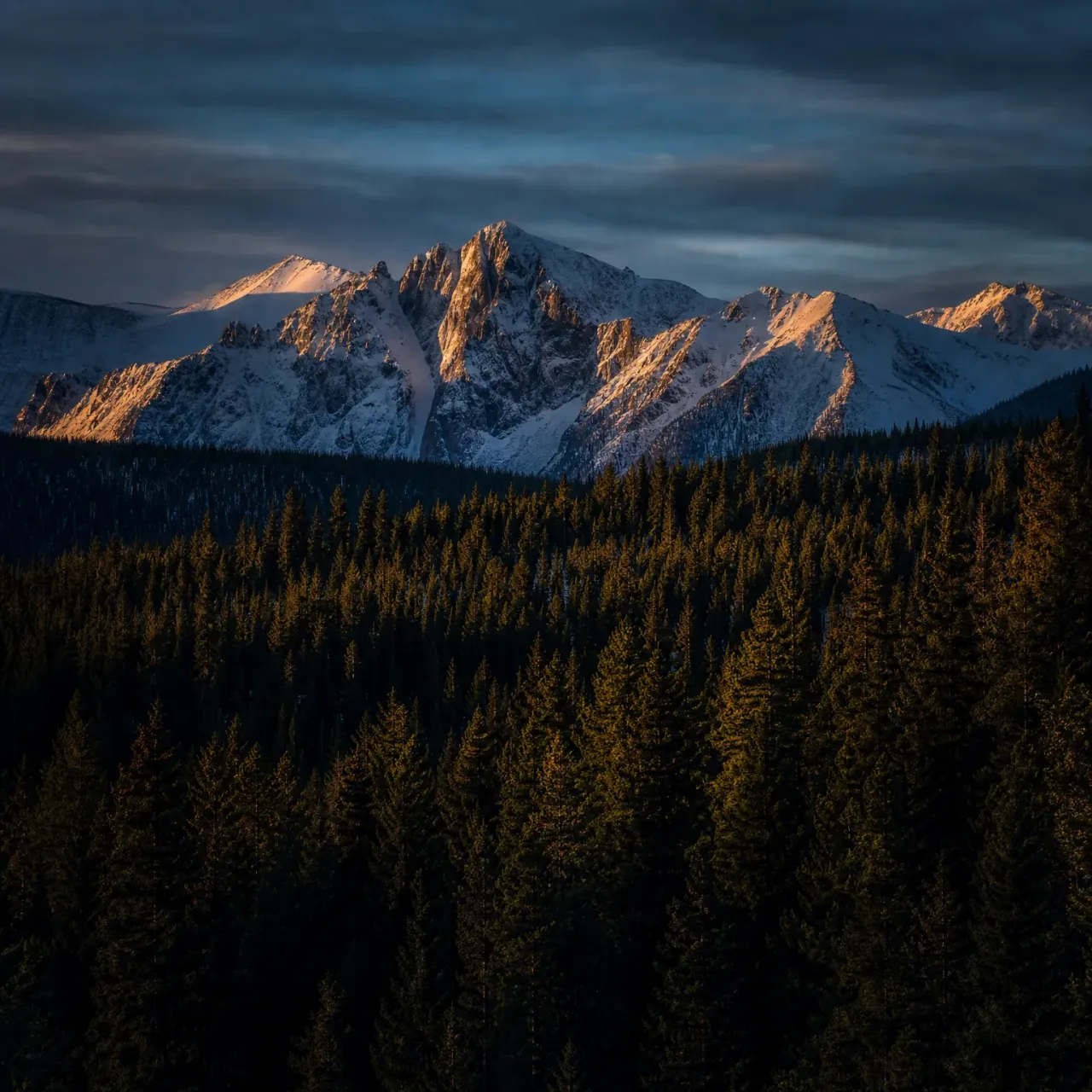
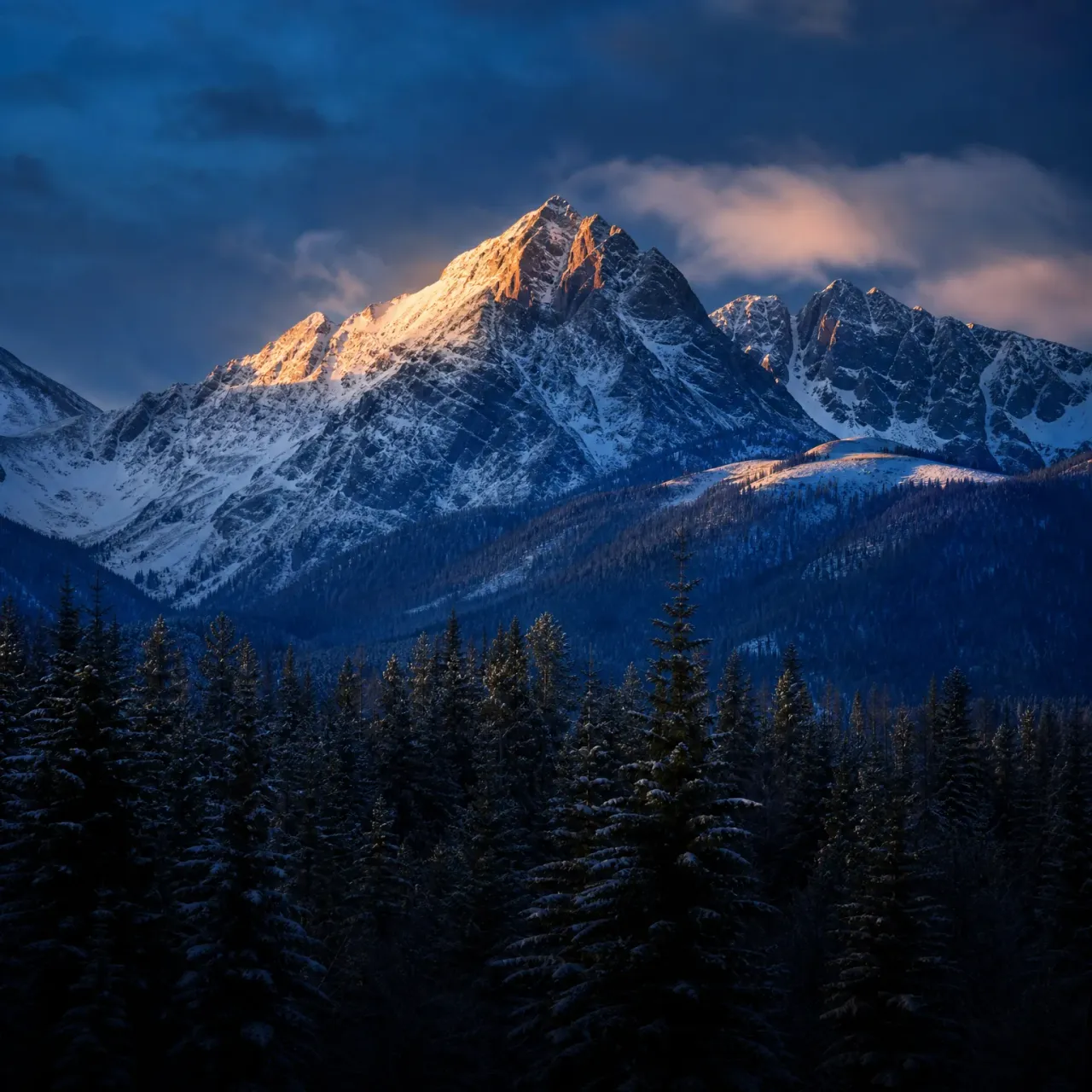

A stack of split firewood in a black metal rack sits on a gravel bed against the dark vertical board siding of a house, with dry grass, pines and an overcast sky beyond.

Furnace Repair in Idaho Falls, ID

Tell us about the job

Takes about a minute. No obligation.

RepairFurnace or heatingBonneville County, ID
Step 1 of 2

What ZIP code is the job in?

Furnaces in Bonneville County run from September through June. That's ten months of the year the burner and blower are working, with only a short break in summer. Winter storms hit this county 157 times between 2015 and 2024, and each one means the system runs flat out for days without a break. That kind of stretch wears on an igniter or a blower motor faster than mild winters would. When something starts acting up here, it's usually not bad luck. It's a part that's been working harder than it was built for.

10 months
September through June, your furnace is on duty
15°F
the average winter night it heats against
56%
of homes here heat with gas, so most furnaces here burn gas
157 winter storms
in ten years, the nights a failure hurts most
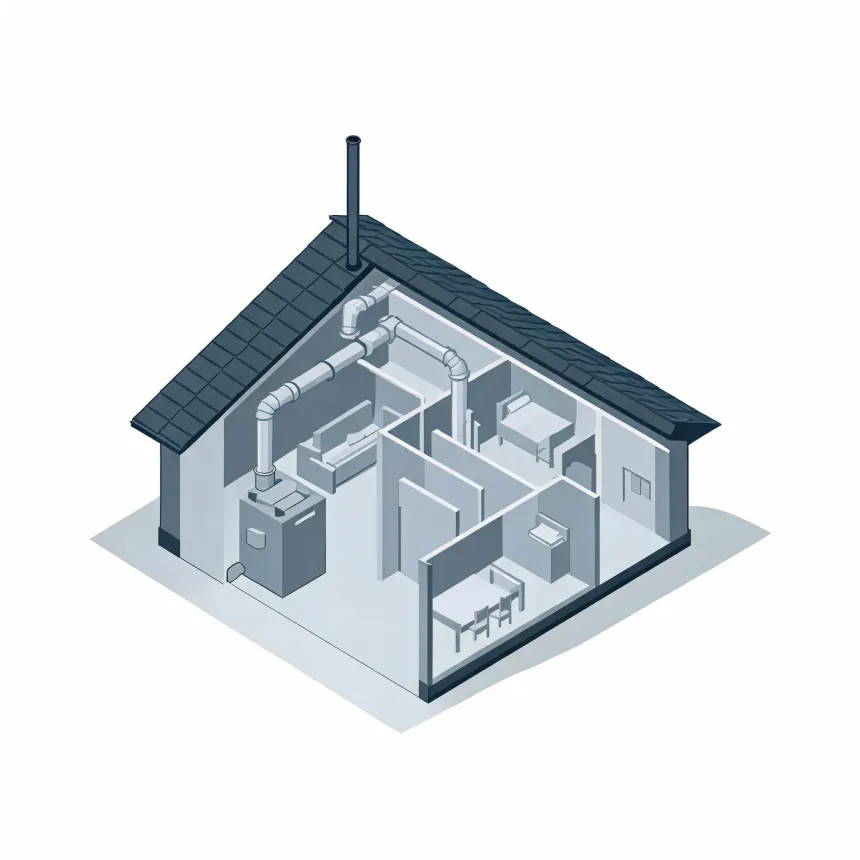
Isometric cutaway illustration of a small single-story house showing interior rooms with furniture, a furnace unit with attached ductwork running to a roof flue, and a dark shingled roof.
Your furnace works hardest from October through April.

NOAA nClimDiv, 1991–2020 normals

Half the homes in Bonneville County were built in 1985 or later.

A furnace that came with a newer house has likely got years left in it, which makes repair the right first call.

Gas isn't cheap here, so a furnace that's struggling costs you every month it runs

Climate zone 6B
Heat runs September through June
Winter nights average 15°F
Ten Months of Work Ahead of ItHeat runs from September through June here, about ten months straight.

Bonneville County recorded 118 damaging wind events and 20 hail events between 2015 and 2024. A furnace itself sits indoors, but the vent hood and intake outside don't get that shelter, and wind-blown debris can hit them even when nothing looks wrong from inside the house. Power matters too. About 11% of Idaho households went at least a full day without electricity in 2024, and a gas furnace still needs power to run the blower and igniter. If your system came through a storm and then started acting up, that's worth having looked at even if it's still lighting and still blowing air.

Get the Part That's Wearing Found Before It Fails

A furnace that's been running flat out since September is already worn going into the next cold stretch. When it starts acting up, that's a part worn down from the work, and it's worth having someone find out which one before it quits on a cold night.

Find a contractor
A gray residential gas furnace installed in an unfinished basement, surrounded by ductwork, a metal flue pipe, and a gas supply line.

Still Within Its Working Life

If your furnace came with the house, and the house is one of the newer ones in the county, the furnace itself probably isn't old enough to be the problem. That points toward fixing what's wrong rather than replacing the unit. Worth asking whoever comes out to check the age tag on the unit first, before anyone talks about replacement.

A Small Problem Doesn't Stay Small

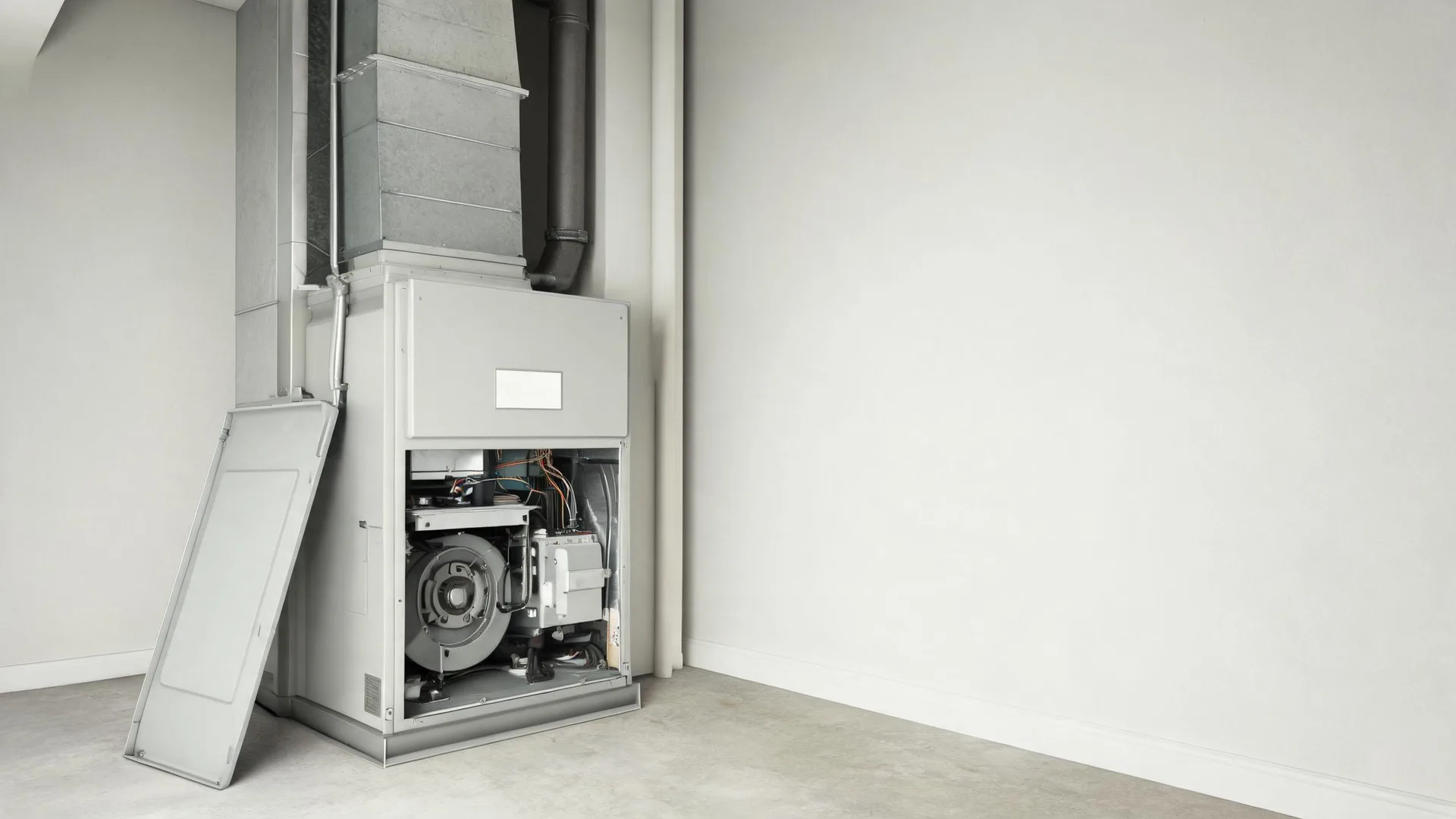
A cracked heat exchanger stays a repair until it keeps running under full load and the crack spreads. A blower motor with a bad bearing stays a noise until it seizes and takes out the whole motor. Furnaces don't fail cleanly. A weak part keeps working until the stress of another cycle pushes it past where it can recover.

What That Means for This Call

If your furnace is already acting up, that's a sign something is partway through failing, not a one-time glitch. Shutting it down and having it looked at stops that part from going from worn to broken. Letting it keep cycling while you wait is what turns a repair into a bigger one.

An unfinished basement interior showing a gray furnace unit beneath a bare incandescent bulb, surrounded by exposed joists, concrete walls, cardboard boxes, and utility pipes.

A new furnace would cut about $100 a year off heating for a typical Bonneville County home.

  • A new high-efficiency furnace$430 a year
  • An older furnace$530 a year

Estimates for a typical Bonneville County home, compared with an older unit built to the previous federal minimum, from EIA household energy data, Idaho fuel prices and NOAA climate normals. Your home will differ.

Repair makes sense when one part has failed and the heat exchanger is sound.

Replacement makes sense when the heat exchanger is cracked or the furnace keeps needing parts.

Age is the first thing to look at, but not the only one. A furnace that's old and still running fine can be worth repairing if the fix is small, a capacitor or a flame sensor, the kind of part that wears out on its own schedule and doesn't say anything about the rest of the unit. What changes the math is when the big, expensive parts start going: the heat exchanger, the control board, the blower motor itself. Those are most of what a furnace costs, so paying to replace one on an older unit often means paying twice before long. The other thing worth asking is how often this same furnace has needed a call. One repair is a repair. A string of them over a couple winters is a unit telling you it's done being reliable, even if each visit fixes the thing it was called for.