





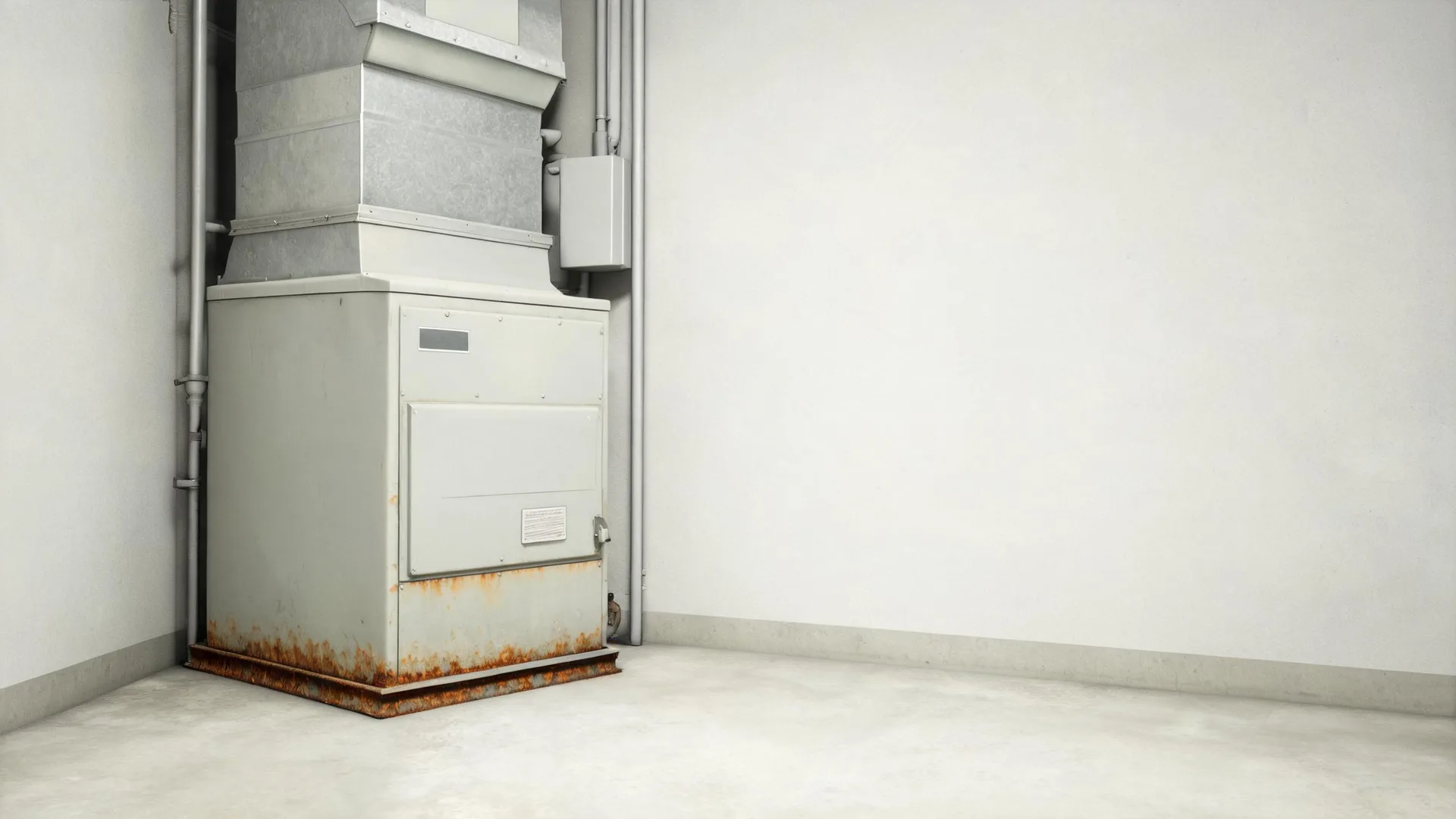
A gas furnace and sheet-metal air handler unit installed in an unfinished concrete basement.

Furnace Repair in Boise City, ID

Tell us about the job

Takes about a minute. No obligation.

RepairFurnace or heatingAda County, ID
Step 1 of 2

What ZIP code is the job in?

Furnaces here start running in October and keep going through May. September is a good time to get a repair looked at before the season starts, but most calls come once the heat is already on. The first cold snap puts load on every part of the system at once, and whatever was already weak tends to show up right then. A furnace that struggles in the first weeks of October usually had that problem waiting all along. Catching it early is less about the calendar and more about not running a weak part hard all winter.

8 months
October through May, your furnace is on duty
25°F
the average winter night it heats against
69%
of homes here heat with gas, so most furnaces here burn gas
27 winter storms
in ten years, the nights a failure hurts most
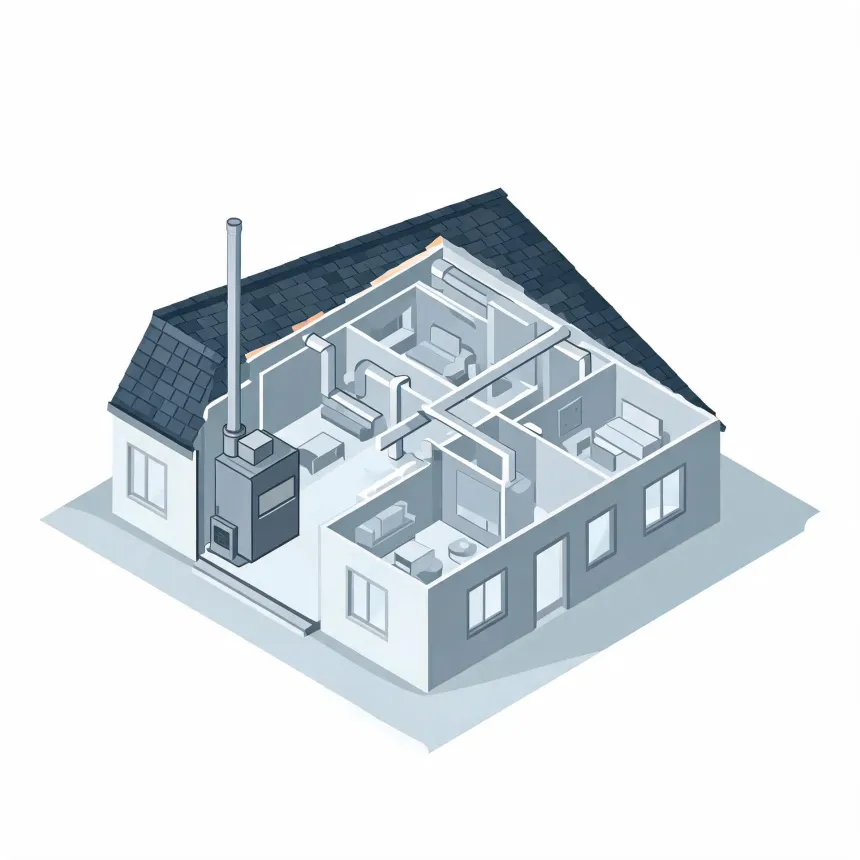
Isometric cutaway illustration of a single-story house showing interior rooms, ductwork, and a dark furnace unit with a tall flue pipe rising past the shingled roof.
Your furnace works hardest from November through March.

NOAA nClimDiv, 1991–2020 normals

A furnace that short cycles, running for a few minutes and shutting off, is telling you something specific.

A flame sensor or limit switch acting up won't wait until spring to get worse.

Half the furnaces in Ada County are younger than this one

Half the homes here were built by 1997
Heat runs October through May
Winter nights average 25°F
Eight months of heat a year, nothing unusual about itFurnaces here run October through May, with overnight lows near 25°F in January.

If your furnace came with the house, get it repaired rather than replaced. Half the houses in Ada County were built in 1997 or later, which puts a lot of furnaces well inside their working life. A short cycling furnace or a bad limit switch is usually a fixable part, not a sign the whole unit is done. A contractor can check the age and condition of what you have before anyone talks about replacement.

Get it looked at early

Problems tend to show up in the first weeks of the season, when the load hits a part that was already weak.

Find a contractor
A man in a cap, work jacket and tan trousers carries a canvas tool bag up wooden porch steps toward a blue front door of a house with lap siding.
A gray high-efficiency gas furnace installed in an unfinished basement, surrounded by gas lines, a condensate drain, and sheet-metal ductwork.

Running it longer doesn't buy you anything

A cracked heat exchanger gets worse every hour the burners fire, because the metal keeps flexing with heat and the crack spreads. A dirty flame sensor left alone will eventually stop sensing the flame at all, and the furnace will shut itself down rather than run unsafe. A failing inducer motor bearing wears faster under continued load, not slower. Ignoring a burner that needs cleaning lets soot build on the heat exchanger, which makes the furnace work harder to push heat through it. None of these fix themselves by running more. The part keeps doing the same job under the same strain, and whatever was wearing it down keeps wearing it down.

What you can check yourself

Look at the filter first. A filter clogged with dust chokes airflow, and that alone can cause short cycling or a furnace that blows cool air. Check the thermostat batteries if the screen is blank or acting strange. Go to the furnace itself and look for a flashing light behind the front panel, most control boards blink a code that means something specific. Check that the switch on the furnace and the one that looks like a light switch near it are both on, that second one gets bumped off more than people think. If you have a standing pilot, see if it's lit. None of this takes tools or any real risk.

What to leave alone

Don't take the burner compartment apart or touch the flame sensor or igniter yourself. Don't reset a furnace that's shutting off on its limit switch more than once, that switch is doing its job and trips for a reason. If you smell gas, don't look for the problem at all, get outside and call the gas company from there. A furnace that trips its switch repeatedly or smells off needs a contractor's eyes on it, not another reset.

An unfinished basement containing a forced-air furnace with metal ductwork, exposed wooden ceiling joists, a hanging Edison bulb, and bare concrete floors.

A new furnace would cut about $70 a year off heating for a typical Ada County home.

  • A new high-efficiency furnace$280 a year
  • An older furnace$350 a year

Estimates for a typical Ada County home, compared with an older unit built to the previous federal minimum, from EIA household energy data, Idaho fuel prices and NOAA climate normals. Your home will differ.

Repair makes sense when one part has failed and the heat exchanger is sound.

Replacement makes sense when the heat exchanger is cracked or the furnace keeps needing parts.

Most furnace problems come down to one part failing, not the whole unit giving out. A cracked heat exchanger, a bad control board, a dead blower motor, each of those can usually be replaced on its own, and the rest of the furnace keeps running the same as before. What changes the conversation is when several big parts start failing around the same time, because then you're paying for repair after repair on a furnace that's just getting old. Age matters more than any single symptom. A furnace early in its working life is almost always worth fixing, whatever broke. One running on its original parts well past that point is where it's fair to ask a contractor whether the next repair is worth it or whether that money should go toward a new system instead.