


A row of illuminated timber-frame and stone houses photographed at dusk, with evergreen trees and a mountain range in the background.

Furnace Repair in Shoshone, ID

Tell us about the job

Takes about a minute. No obligation.

RepairFurnace or heatingLincoln County, ID
Step 1 of 2

What ZIP code is the job in?

Nine months of heat a year wears a furnace down faster than people expect. Shoshone sees that overnight low near 18°F through December, January and February, and the furnace runs to keep up with it. That's a lot of cycles on the igniter, the blower motor, the heat exchanger, all of it. Most of the furnace trouble around here traces back to that long run time, not bad luck. A proper diagnosis finds the part that gave out first, instead of guessing.

9 months
September through May, your furnace is on duty
18°F
the average winter night it heats against
13 winter storms
in ten years, the nights a failure hurts most
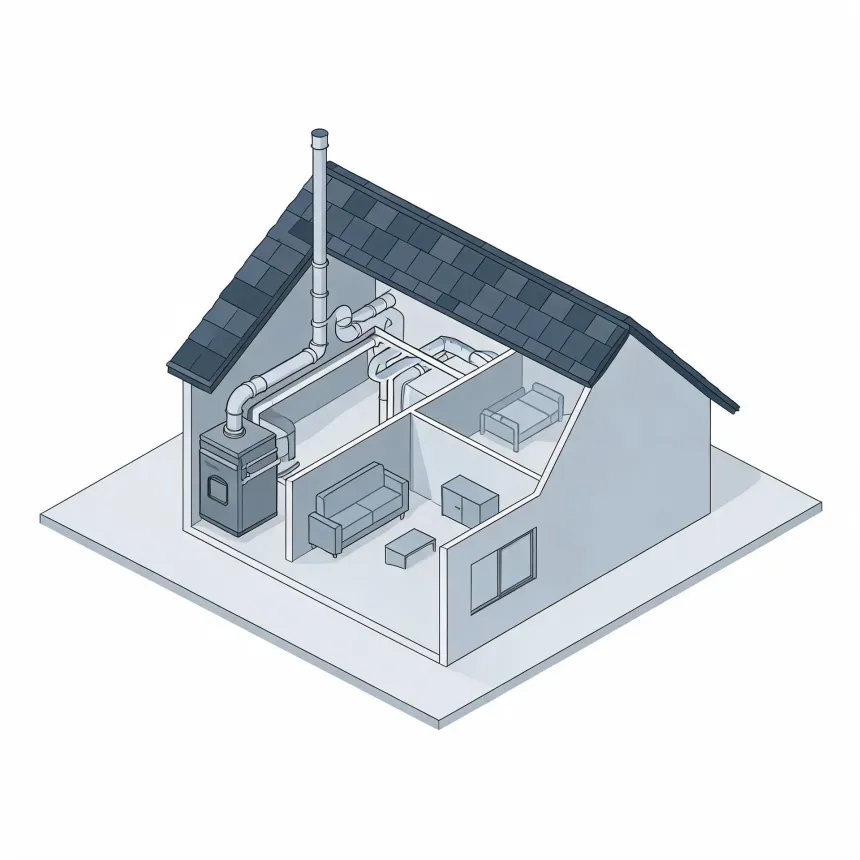
Isometric cutaway illustration of a small gabled house showing a furnace with flue pipe and ductwork connecting to interior rooms containing a sofa, bed, and cabinets.
Your furnace works hardest from November through March.

NOAA nClimDiv, 1991–2020 normals

A furnace that short cycles, running a few minutes and shutting off before the house warms up, points to a failing flame sensor or a clogged filter choking airflow.

Short cycling wears down the parts around it fast, so the longer it runs unchecked, the more it takes down with it.

Furnace trouble in Shoshone shows up in September, the first month it has to work

Heat runs September through May
Winter nights average 18°F
Climate zone 5B

Idaho homes paid $33.76 per million Btu in 2024. That's the power a furnace burns whether it's heating the house right or struggling to do it. A furnace that's short cycling or won't light reliably is still pulling fuel every time it tries. It runs here for months on end, so that waste doesn't stay small. The longer a bad part sits unfixed, the more it costs to keep running it anyway.

Get the furnace looked at before the long run keeps wearing on it

A furnace running nine months a year doesn't get much of a break to show you what's wrong. Have it checked and find out which part gave out first, so the repair actually holds.

Find a contractor
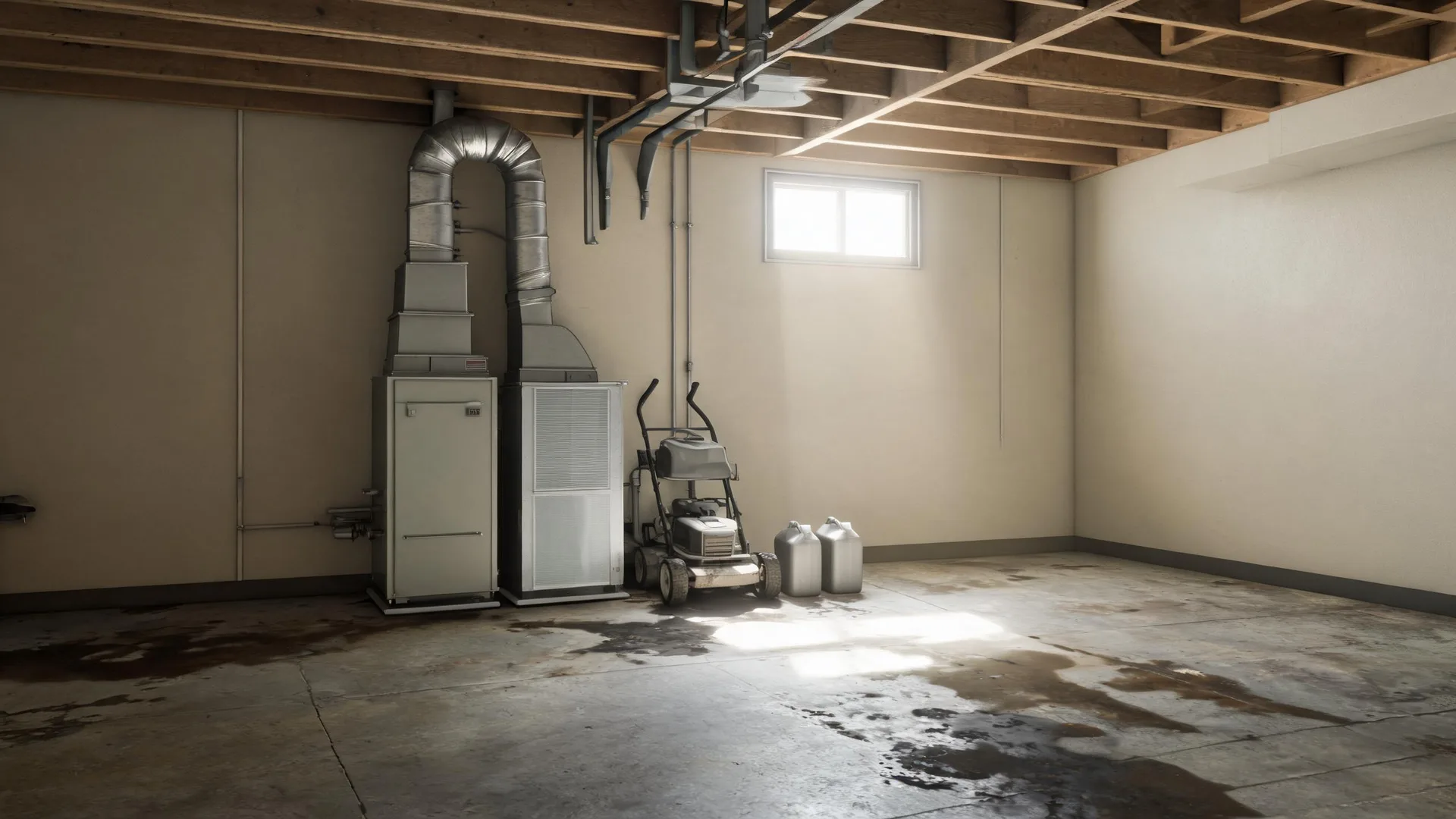
A gray residential gas furnace installed in an unfinished basement, connected to sheet-metal ductwork and PVC pipes.

The parts wear out in order, not all at once

Most furnace failures trace back to a handful of parts, and they tend to go in the same order. The igniter is usually first. It heats up every single cycle, and that filament wears thin over time until it cracks. A flame sensor goes next, coated slowly with a film that builds up cycle after cycle until it can't sense the flame anymore and shuts the gas off as a safety measure. The blower motor wears on its bearings from running hour after hour, and a motor that's been straining to turn will start making a grinding or squealing sound before it quits outright. Further down the line, a cracked heat exchanger is the one that matters most. Heat up and cool down, over and over, and the metal fatigues the same way a coat hanger weakens if you bend it back and forth enough times. None of these fail from one bad day. They fail from doing their job over and over until something gives.

What you can check safely

Look at the filter and swap it if it is gray or clogged. Check the thermostat is set to heat and the temperature is actually above room temperature. Make sure the furnace switch, it looks like a light switch near the unit, is flipped on, and check that the breaker hasn't tripped. If the furnace vents through a pipe to the outside wall, make sure nothing is blocking it from outside.
What to leave alone

Do not open the burner compartment or touch the flame sensor or igniter. Do not reset the system more than once if it won't stay lit, a furnace that shuts itself off is doing that on purpose as a safety check. If you smell gas, do not flip any switches at all. Leave the house and call the gas company from outside.

A furnace that's struggling doesn't fail the part and stop there. A cracked heat exchanger left running keeps flexing with every heat cycle, and the crack spreads. A blower motor already grinding on worn bearings will keep pulling current trying to turn until it seizes, and a seized motor can take the control board with it. Low airflow from a clogged filter makes the heat exchanger run hotter than it should, which ages it faster than normal use would. The part that failed first is rarely the only part that pays for it if the furnace keeps cycling on the problem instead of getting shut down for a look.

Age alone doesn't tell you whether to fix a furnace or replace it. What matters is which part failed and what else is showing wear. An igniter or a flame sensor is a cheap, quick swap, and it doesn't say anything bad about the rest of the unit. A cracked heat exchanger is different. That's the part that shouldn't be patched, because it puts combustion gas where it doesn't belong, and a furnace rarely gets just one of those cracks without the rest of it being close behind. A blower motor that's seized after grinding for weeks may have already taken the control board down with it, and now you're pricing out more than the motor alone. When the failures start stacking up, one part fixed and another going bad not long after, that pattern is the thing worth paying attention to, more than any single repair on its own.