Furnace Maintenance in Idaho
Across the counties where its people live, Idaho recorded less severe weather from 2015 to 2024 than 31 of the other 49 states.
Tell us about the job
Takes about a minute. No obligation.
- 22°Fwinter overnight low where people live
- 10 monthsof heat, September through June
- $8.25 per million Btuwhat homes paid for natural gas in 2024 (Btu means British thermal units, a measure of heat)
- 1,773winter storms from 2015 to 2024
Idaho furnaces run nearly year round worn parts show up fast here
- Eastern counties need about 29% more heat than western ones
- Winter nights average 22°F where people live
- Heat runs September through June
- 1,773 winter storms from 2015 to 2024
- Climate zones 5B and 6B across the state
- 11% of homes lost power a day or more in 2024
- A clean flame sensor keeps the burner from locking out on you overnight
- Grinding or squealing from the blower motor usually stops once the bearings get lubricated
- Checking the heat exchanger for cracks catches the one failure that can put carbon monoxide into your air
- Burners free of dust burn steady and blue instead of yellow and uneven
- Swapping in a fresh filter means the blower stops straining to pull air through a clogged one
September is when furnaces here start working for the day in, day out, and a system that sat quiet since spring can have a dirty burner or a weak flame sensor you won't notice until it fails on a cold morning. Getting a furnace checked in August, before that first real month of use, means any of that gets caught while it still just takes a tech visit instead of a no-heat call.
Idaho homes run heat about ten months a year, September through June, more than nearly every other state. A furnace built for occasional use somewhere else is running here almost constantly, and that kind of use wears a blower motor or a heat exchanger down faster than a once-in-a-while winter would. Checking it yearly matters more here than most places for exactly that reason.
Two months off, then it starts again
Ten months of heat means two months off, and that's not much time for a furnace to sit before it has to start again. September is the hard start. That's when you want it already checked, not when you find out something's wrong.
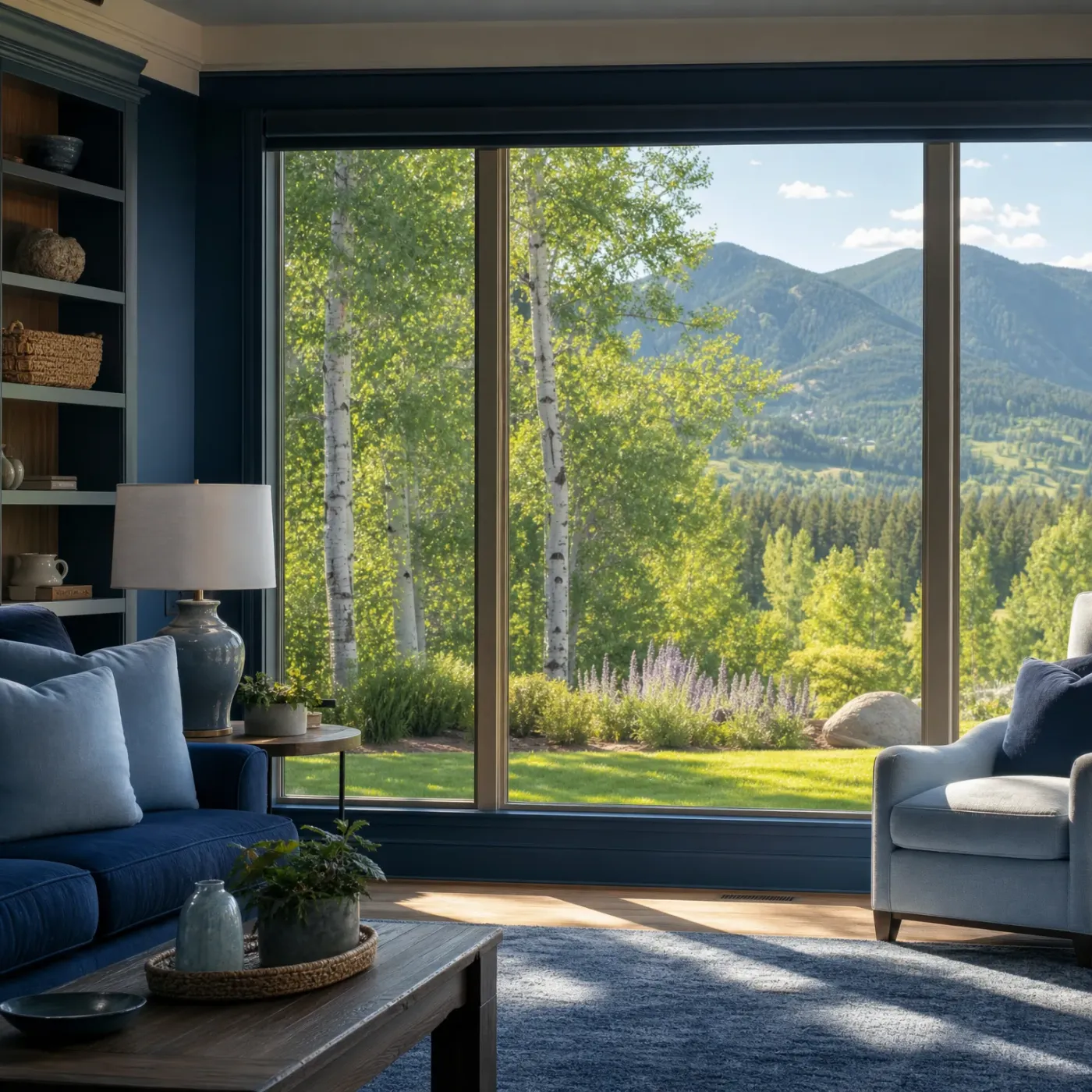
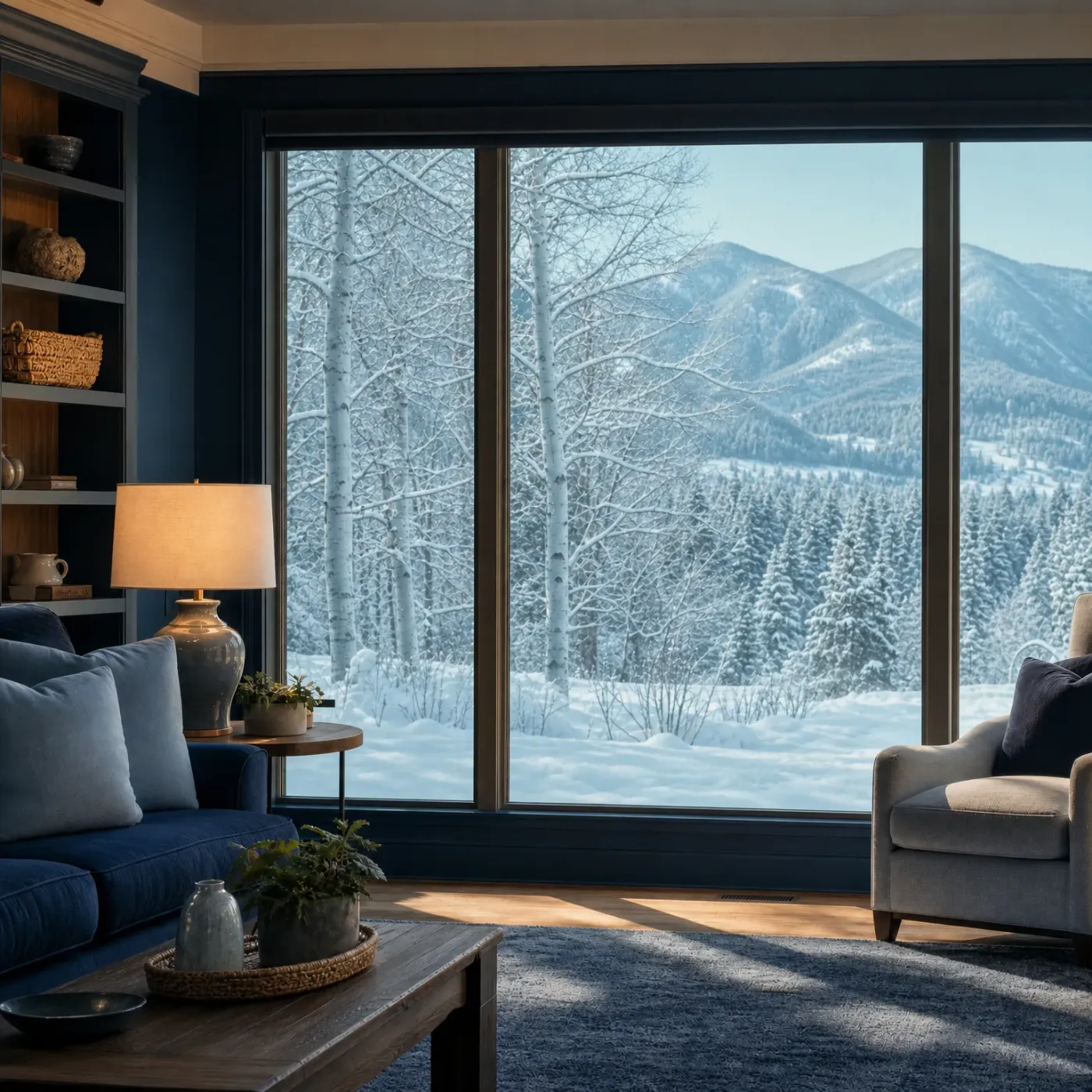
2 months of cooling, July through August
10 months of heat, September through June
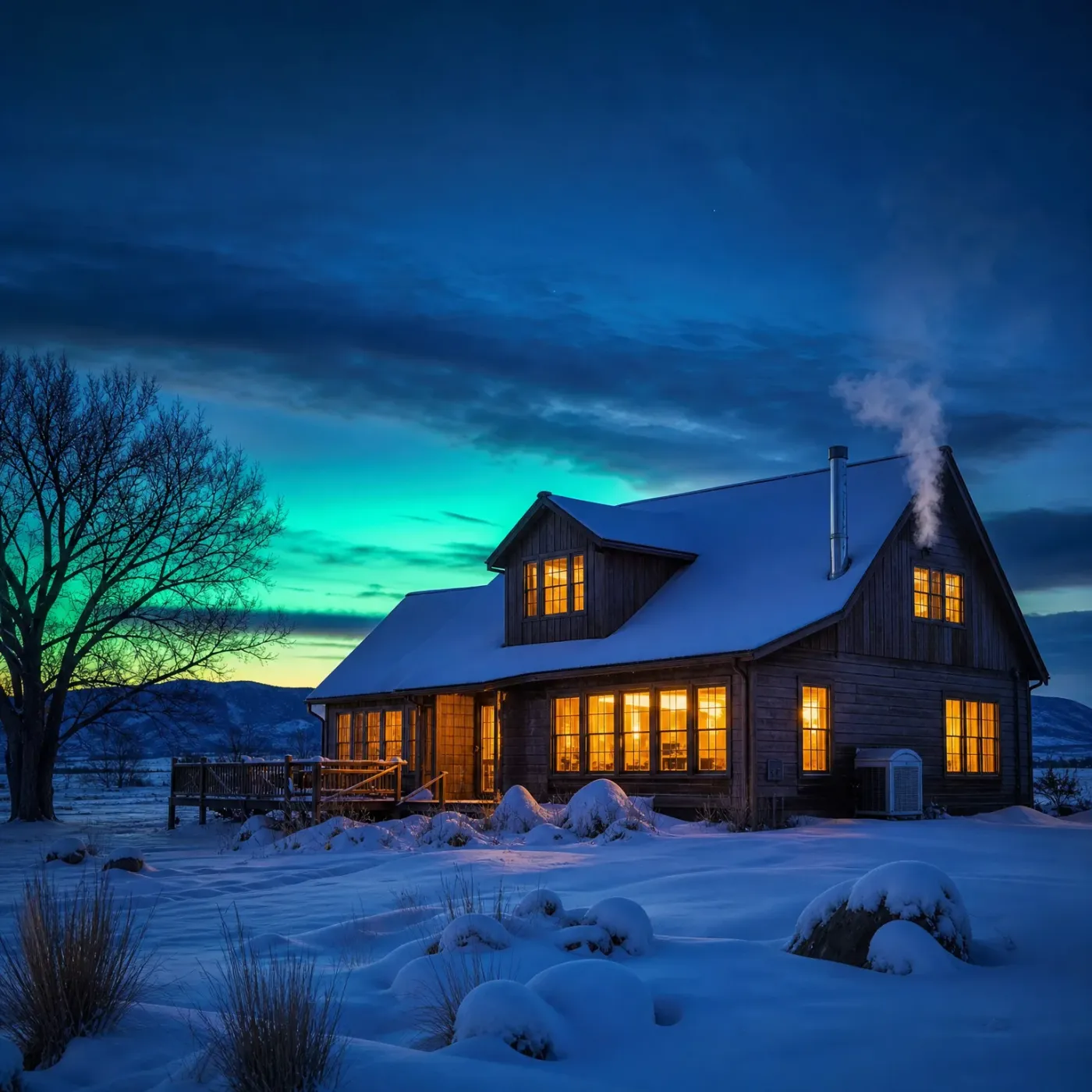
Homes across Idaho's eastern counties need about 29% more heat over a year than homes across its western counties, and they run furnaces about 10 months against 9. If you're east, your system gets less rest between seasons than it would further west.
Custer County needs about 78% more heat over a year than Canyon County, where Idaho's heating need is lowest. Same state, very different workload on a furnace depending on which county it sits in.
Valley County runs heat about 12 months a year, the longest stretch in the state. Ada County runs about 8. A furnace in Valley County barely gets an off season. One in Ada gets a real break before it has to start up again.
Winter nights average 17°F across the eastern counties against 25°F across the west. Butte County sees the coldest nights in the state, averaging 11°F through December, January and February. A furnace working against nights that cold all winter is doing harder, longer work than one that rarely sees below freezing.
Winter storms, heavy snow, ice, blizzards, hit Idaho 1,773 times between 2015 and 2024. Wherever you are in the state, that's a lot of mornings a furnace just has to work.
Idaho needs heat for more months of the year than 45 of the other 49 states, and its winter nights run colder than in 32 of them. Where you fall inside the state, east or west, Valley County or Ada, decides how much that baseline gets stretched further.
What does a furnace in Idaho face?
How cold do winter nights get?
22°Faverage overnight low where people live
North Dakota4°F
Hawaii65°F
How many months does the heat run?
10 monthsof heating a year
Hawaii0 months
Alaska12 months
What does natural gas cost?
$8.25per million Btu, what homes paid in 2024
Montana$7.77
Hawaii$53.25
How often do storms hit?
186severe weather events per county from 2015 to 2024
Alaska5
Wyoming1,057
How many homes lost power for a day or more?
11%of homes in 2024
Arizona7%
Maine54%
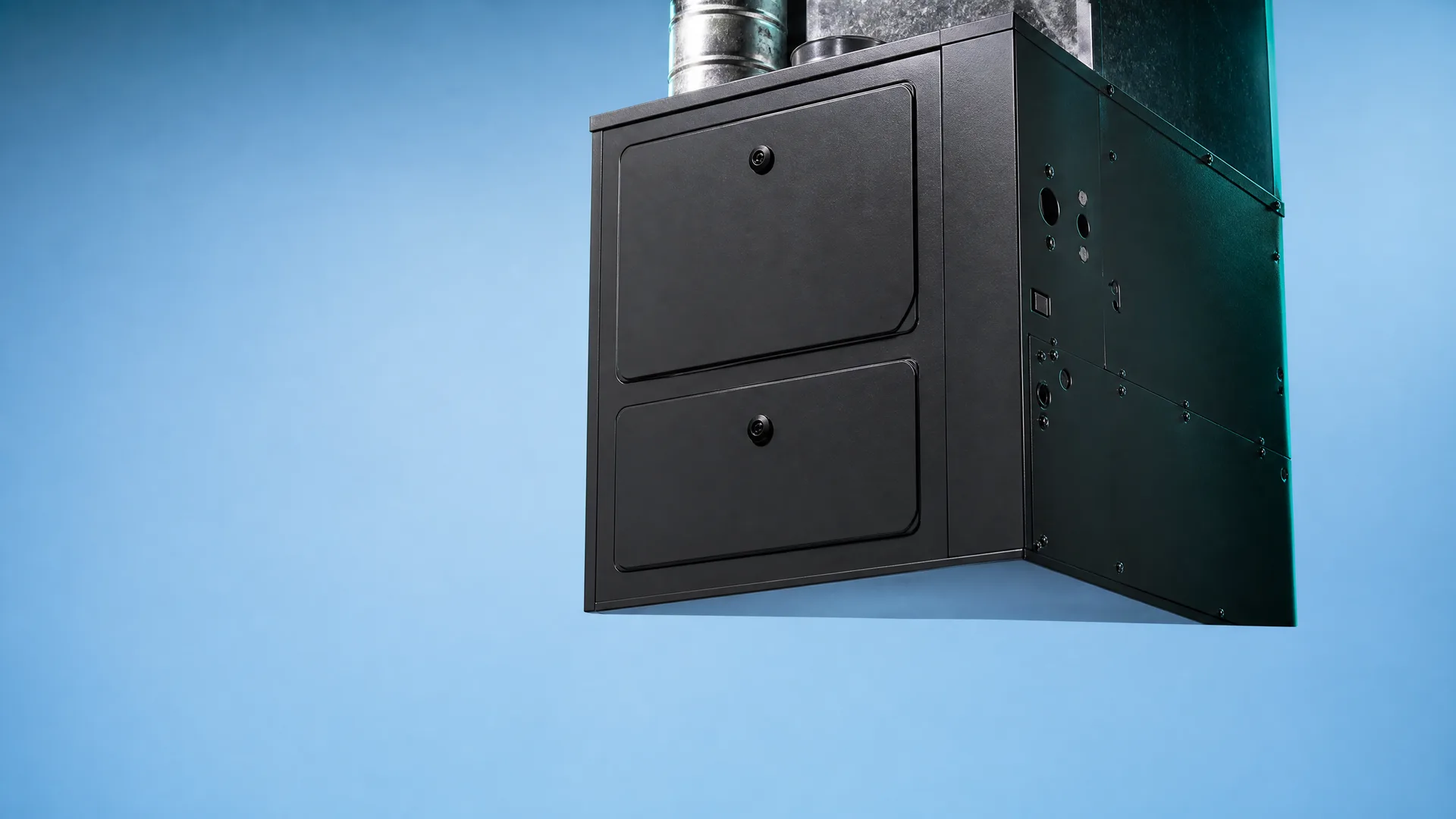
Skip a year and the signs are small, until they aren't
Skip it long enough and a furnace doesn't fail all at once. Dust builds on the burners first, and a burner caked in dust burns yellow and uneven instead of steady blue. That uneven flame throws off more soot, and soot is what coats a flame sensor until it stops sensing anything at all, which is how you get a furnace that fires for a few seconds and quits. Behind that, a blower motor running on old bearings starts working harder to move the same air, and a motor working harder runs hotter and wears out sooner than it should. None of that shows up as a loud problem right away. It shows up as a furnace that's a little slower to catch, a little noisier, a little less even, right up until the morning it doesn't come on.
What you can check yourself
Between visits, the filter is the one thing worth your attention. A dirty filter chokes the airflow a furnace is built around, and a blower working against that restriction runs harder and hotter than it should. Check it monthly during the months it's running, and hold it up to a light. If light doesn't pass through it clean, swap it. Keep the area around the furnace clear too. It needs open space to pull air in, and boxes or stored items stacked against it block that. Look at the flame through the viewing window once in a while. It should burn steady and blue. Yellow, flickering or uneven flame is not something to wait out, and it's not something to fix yourself either. Same with any burning smell that doesn't fade after the first run of the season, or a new rattle, squeal or grinding sound from inside the cabinet. Those are signs for a tech to look at, not a filter you can clean yourself. Past the filter and keeping the space clear, the inside of a furnace isn't something to open up between checkups.
Most of Idaho heats with gas, and gas means a burner to check
Utility gas heats 51.6% of Idaho homes, more than any other fuel, with electricity a distant second at 35.2%. A gas furnace runs on a burner and a venting system that an electric furnace doesn't have. That burner needs to stay clean and burning steady, and the vent needs a clear path for exhaust to leave the house. Those are the parts a yearly check is really for. Swapping a filter doesn't touch either one.
Idaho furnaces run most of the year, and worn parts won't show themselves until a cold morning catches it first.
Tell us about the job
Takes about a minute. No obligation.
Fill out the form and a licensed contractor in Idaho will reach out to schedule the check.