
Heat Pump Repair in Idaho
Across the counties where its people live, Idaho recorded less severe weather from 2015 to 2024 than 31 of the other 49 states.
Tell us about the job
Takes about a minute. No obligation.
- 22°Fwinter overnight low where people live
- 10 monthsof heat, September through June
- 83°Fsummer afternoon high where people live
- 2 monthsof cooling, July through August
Idaho runs heat ten months a year That's long hours, not harsh weather
- Eastern counties need about 29% more heat than western ones
- Winter nights average 22°F where people live
- Summer afternoons average 83°F where people live
- Heat runs September through June
- Cooling runs July through August
- 1,773 winter storms from 2015 to 2024


Newer homes mean newer systems, usually
Half the homes in Idaho were built in 1991 or later, and most are single-family houses rather than mobile homes. If your heat pump came with a newer house, it's probably not past its working life. That changes the math on a repair call. A compressor or a reversing valve acting up in a system that age is usually a fixable problem, not a sign the whole unit is done.

Electricity in Idaho runs cheaper than in 48 other states, 11.52 cents per kilowatthour. A heat pump moving heat instead of burning fuel makes that rate work in your favor, especially with how many months a year it runs here.
Idaho homes that use air conditioning average 4.5 million Btu (British thermal units, a measure of heat) of electricity a year running it. That is not a heavy load for the system to carry, and it says the strain on your heat pump is ordinary. If something is failing, look for the usual cause first.
Cold nights, not a harsh climate
Idaho's winter nights average 22°F, colder than most of the other states see. That is enough cold for a heat pump to lean on its backup heat strip on the harder nights, which is normal. It is not enough cold to wear out a compressor or a reversing valve ahead of schedule. Winter storms have hit the state more than once a week on average over the past decade, and heavy snow around the outdoor unit can block airflow or ice up the coil. Clearing it is worth checking before you assume something inside the unit has failed.
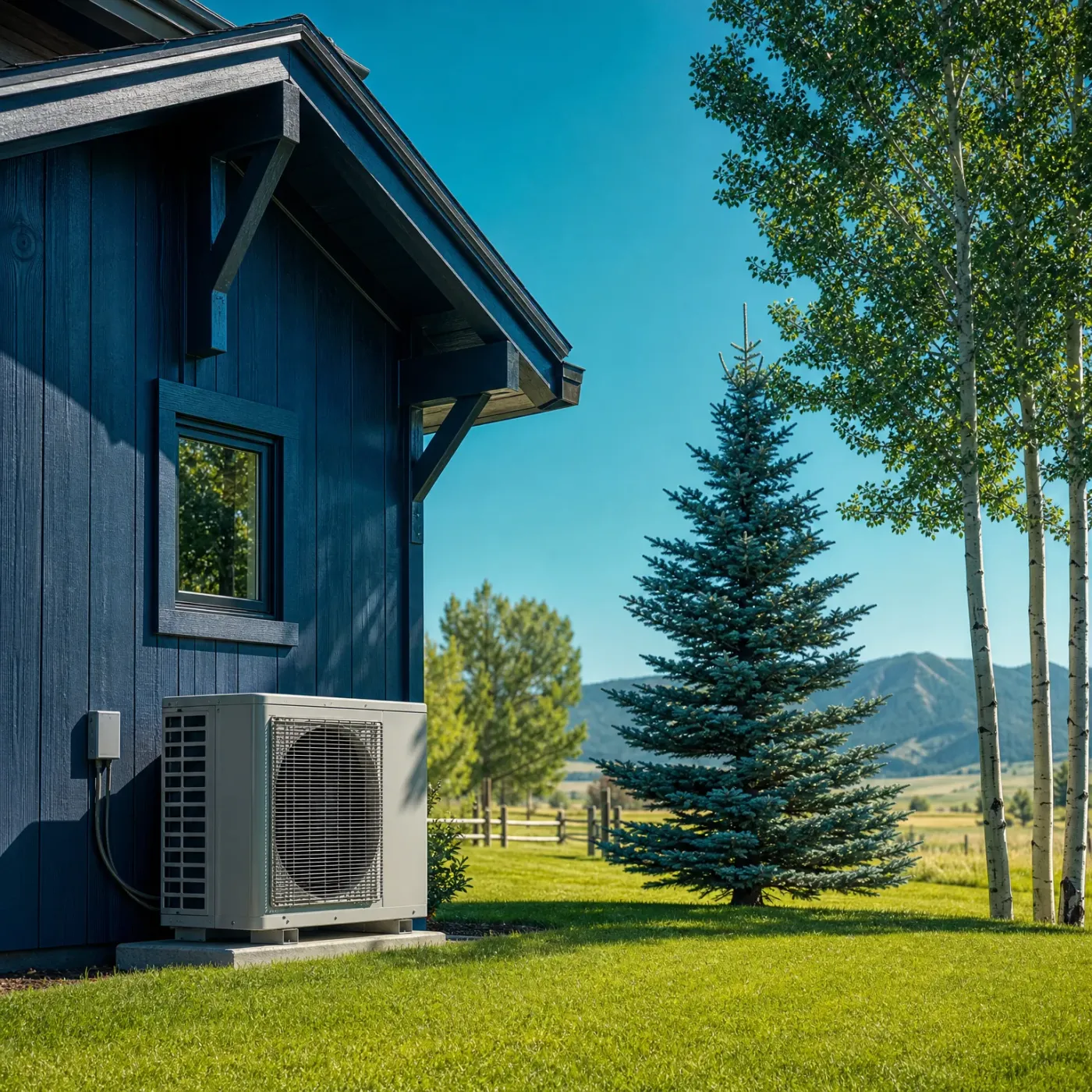
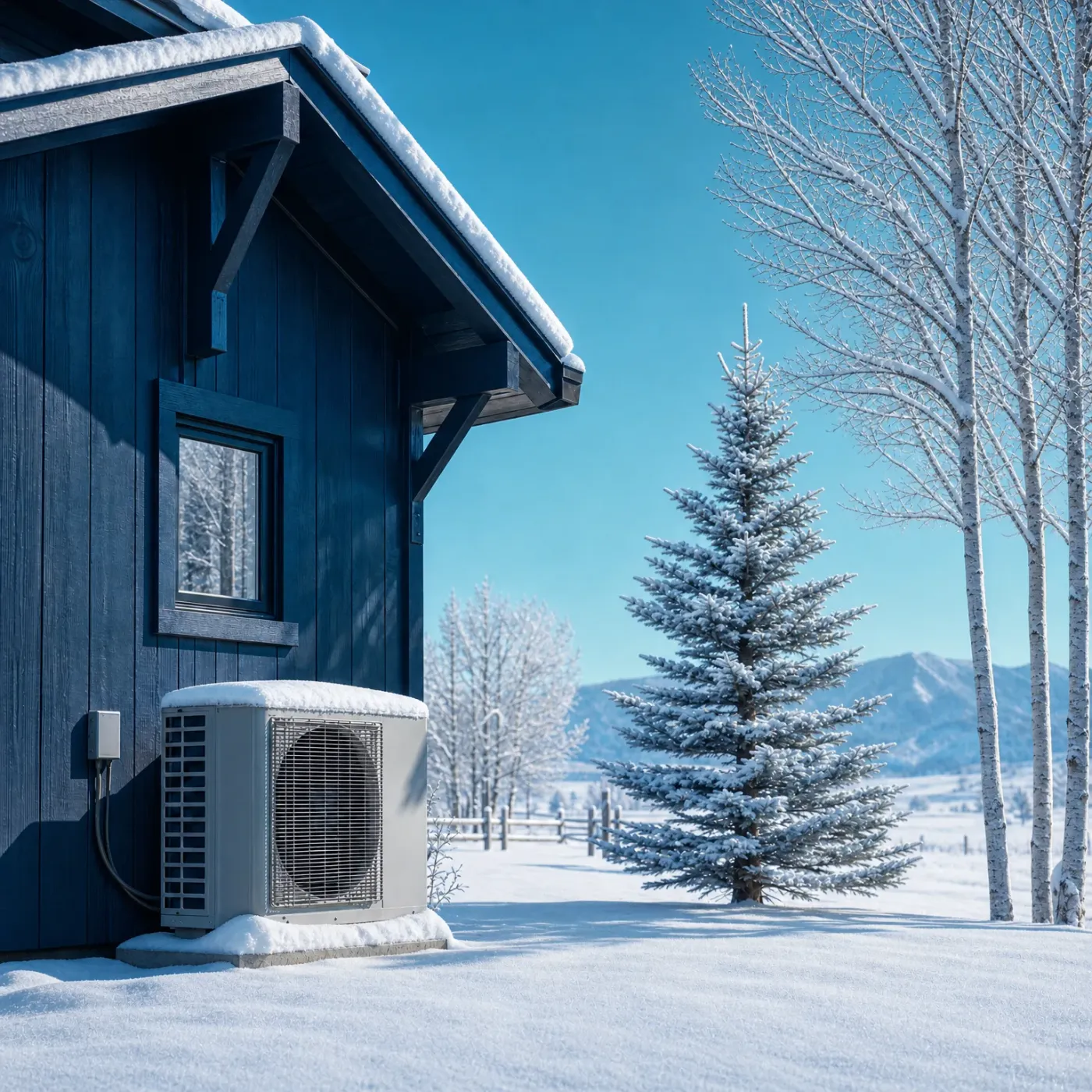
2 months of cooling, July through August
10 months of heat, September through June
Homes across Idaho's eastern counties need about 29% more heat over a year than homes across its western counties. A heat pump in the east leans on its backup heat strip more often, and that strip is usually the first thing worth checking if the heat feels weak on a cold night.
Custer County needs about 78% more heat over a year than Canyon County, where the state's heating need is lowest. A heat pump that holds up fine in Canyon County is working closer to its limit in Custer County, and that changes what's reasonable to expect from it on the coldest nights.
Summer runs hotter in the south. Southern counties need about 39% more cooling over the year than northern counties, and Canyon County sees the hottest summer afternoons in the state. A heat pump cooling a home there is doing more work each summer than one in the milder north, even if both units are the same age and size.
None of this means Idaho is unusually hard on a heat pump. It means where you are in the state points to which part is under the most strain, and that's where a diagnosis should start.
What does a heat pump in Idaho face?
How hot do summer afternoons get?
83°Faverage afternoon high where people live
Alaska66°F
Arizona101°F
How cold do winter nights get?
22°Faverage overnight low where people live
North Dakota4°F
Hawaii65°F
How many months does the heat run?
10 monthsof heating a year
Hawaii0 months
Alaska12 months
What does electricity cost?
11.52¢per kWh (kilowatt hours, the unit on an electric bill), what homes paid in 2024
North Dakota11.51¢
Hawaii42.86¢
How often do storms hit?
186severe weather events per county from 2015 to 2024
Alaska5
Wyoming1,057
How many homes lost power for a day or more?
11%of homes in 2024
Arizona7%
Maine54%
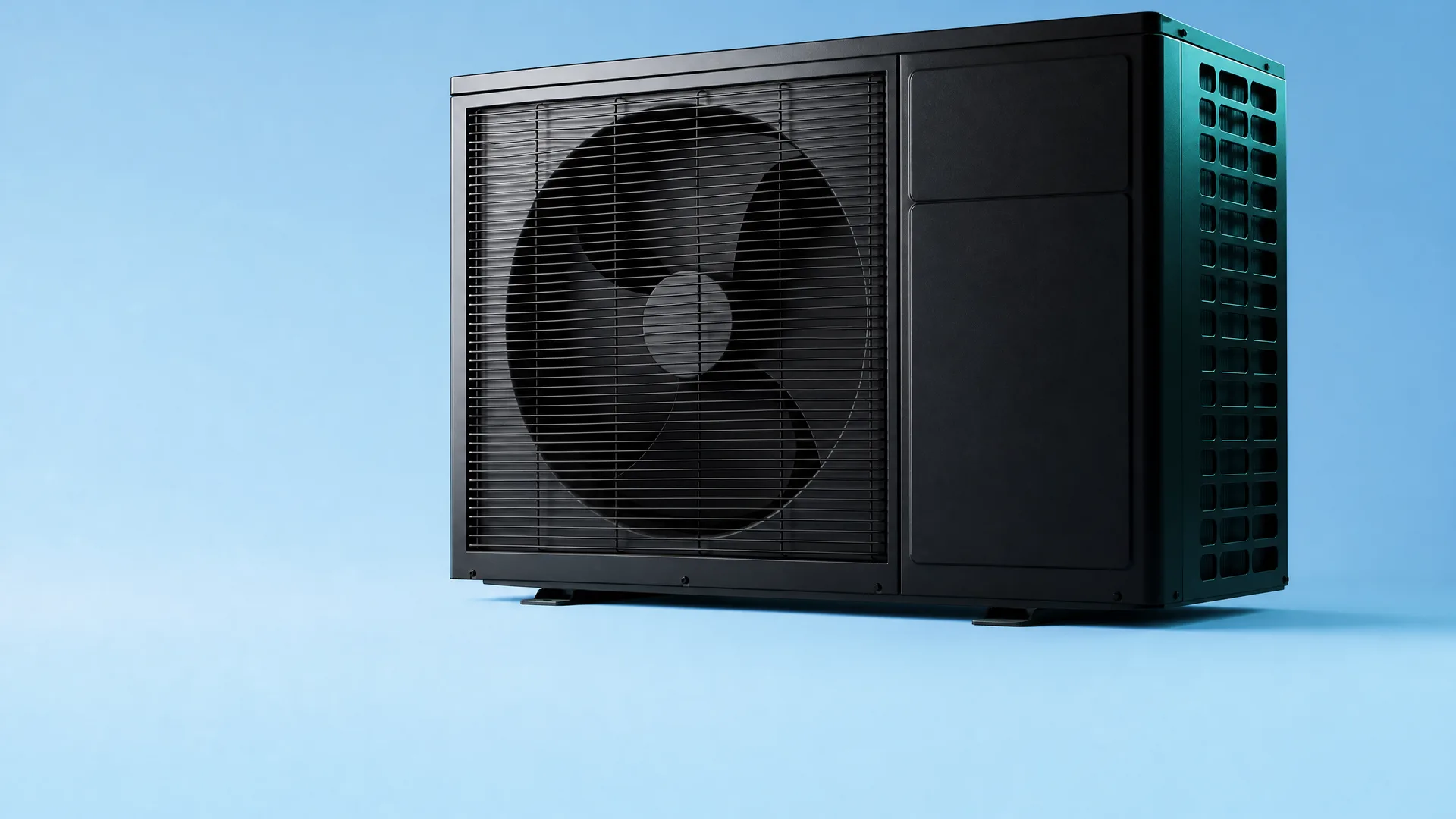
What a heat pump sounds like when something's wrong
If your heat pump is blowing air that never feels warm, check whether it's running on the backup strip alone. That usually means the compressor isn't doing its job, maybe a refrigerant leak or a failing reversing valve. Short cycling, where the system kicks on and off every few minutes instead of running a full cycle, usually points to a bad sensor or a compressor struggling to start. Ice on the outdoor coil that doesn't clear during the defrost cycle means that cycle isn't working right. A unit that trips its breaker shouldn't just get reset and left alone. That's the compressor or a motor drawing too much current, and running it that way can ruin the part. Grinding or squealing points to a motor bearing going bad. A loud clicking that never leads to startup usually means the capacitor isn't holding a charge anymore. None of these fix themselves, and all of them are worth a call before the system stops running altogether.
What happens during a diagnostic visit
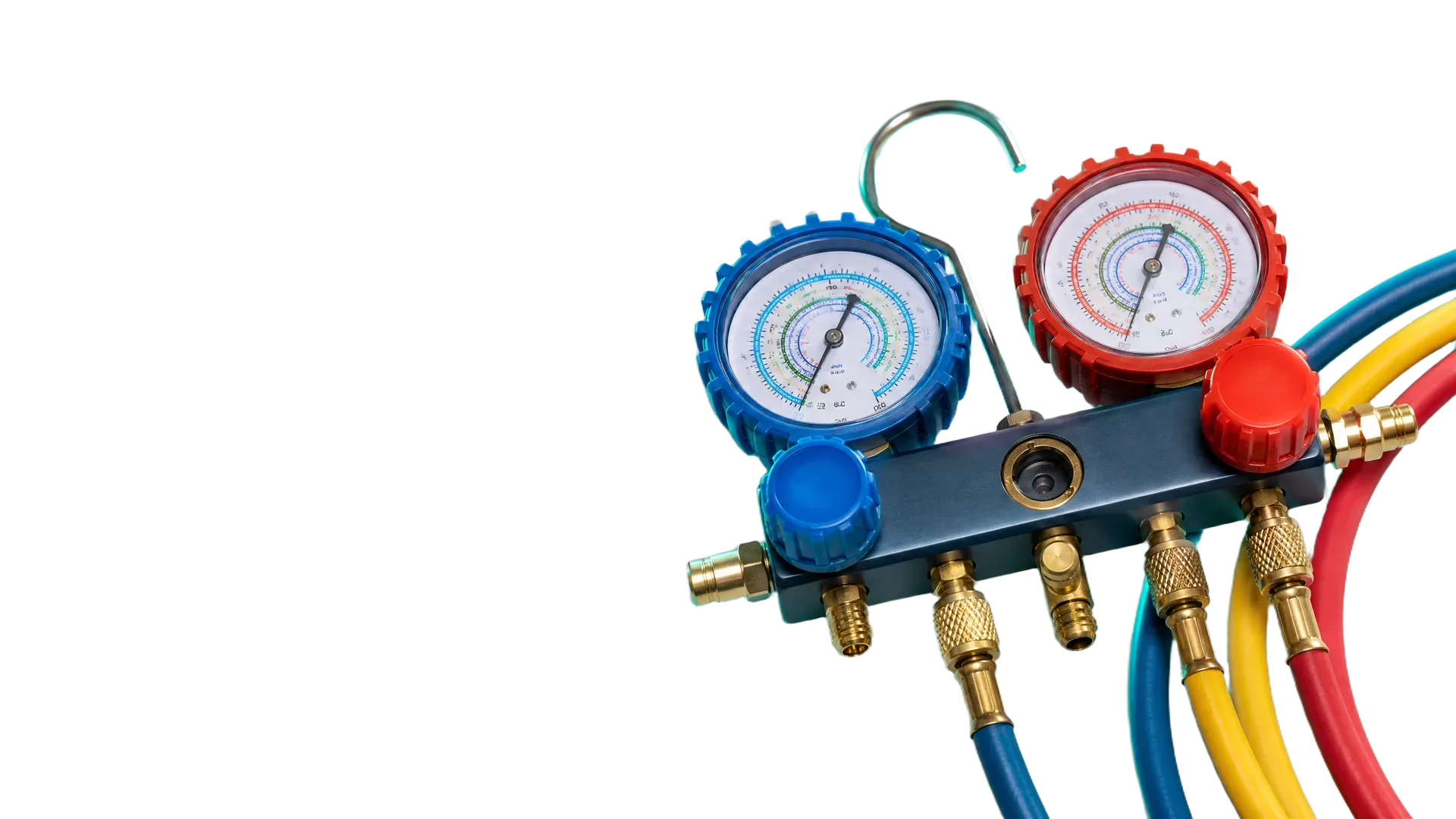
A diagnostic call starts outside at the unit, not with a toolbox. The tech checks the outdoor coil for ice or debris, listens to how the compressor sounds on startup, and checks the refrigerant charge and pressures. Low charge points to a leak somewhere in the line set, and finding it takes time because it means pressure testing or an electronic leak detector, not just a gauge reading. Inside, the air handler gets checked too, the blower motor, the sensors that tell the system whether it's in heating or cooling mode, and the defrost control board that manages the outdoor coil in winter. A reversing valve gets tested by watching whether the system actually switches between heating and cooling when it's told to. If it sticks halfway, the system can run both modes at once and never get the air to the right temperature. Electrical components get checked under load, since a capacitor or contactor can test fine sitting still and still fail once the compressor tries to draw power through it. By the end the tech should be able to point to one part and explain what it's doing wrong, not just that the system isn't working.
A newer house usually means a fixable system
Half the homes in Idaho were built in 1991 or later, and most of those are standalone houses rather than mobile homes. A heat pump that came with a newer house like that hasn't usually been run into the ground. If yours is acting up, the parts inside are more likely worn or miswired than simply worn out. That's a repair, not a replacement.
September is when a weak heat pump finally gets tested here.
Tell us about the job
Takes about a minute. No obligation.
Fill out the form once, and a licensed Idaho contractor calls to find out what's wrong.