
Heat Pump Installation in Idaho
Across the counties where its people live, Idaho recorded less severe weather from 2015 to 2024 than 31 of the other 49 states.
Tell us about the job
Takes about a minute. No obligation.
- 22°Fwinter overnight low where people live
- 10 monthsof heat, September through June
- 83°Fsummer afternoon high where people live
- 2 monthsof cooling, July through August
Idaho asks nothing extra of a heat pump and power here costs less than almost anywhere
- Eastern counties need about 29% more heat than western ones
- Winter nights average 22°F where people live
- Summer afternoons average 83°F where people live
- Heat runs September through June
- Cooling runs July through August
- 1,773 winter storms from 2015 to 2024


- A unit sized to the house instead of guessed at, so it holds steady temperatures without short cycling
- One system for heating and cooling, so there's no separate furnace to maintain
- A thermostat set up to run the heat pump itself rather than lean on backup heat strips
- Refrigerant lines and electrical connections tested before the crew leaves
- Airflow matched to the ductwork already in place, so the system isn't straining to push air
Gas heats just over half the homes in Idaho, more than any other fuel. Electricity comes next at 35.2 percent, with propane and fuel oil making up a small share between them. A heat pump replacing an electric furnace or electric baseboard slots into wiring that's already set up for it. A gas furnace is a different swap, since the heat pump takes over the heating load and the gas line either gets capped or stays for backup.
If your home is part of that 35.2 percent on electric heat, a heat pump is usually a straight swap for what's there now. If it's part of the 51.6 percent on gas, ask what happens to the furnace and the gas line before the crew starts. Some installs keep the furnace as backup for the coldest days and run the heat pump the rest of the year. Either way works, but it changes what gets installed and what gets left in place.
Install before June or before August, not after
Heat here runs September through June. Cooling only picks up in July and August. That means a heat pump installed in Idaho is working as a heater most of the year, and the two slow months to get it in are June and August, right before each season starts. Wait until July or September and a crew is scheduling around whatever else is already booked. Get it done in the gap and the system is tested and running before it has to carry the load.
2 months of cooling, July through August
10 months of heat, September through June
Idaho's heating need isn't the same from one side of the state to the other. Homes across the eastern counties need about 29% more heat over a year than homes across the western counties. Custer County needs about 78% more heat over a year than Canyon County, where the state's heating load is lowest. A heat pump sized for a home in Canyon County isn't sized right for one in Custer County.
Summer runs the opposite direction. Southern counties need about 39% more cooling over a year than the northern counties. Canyon County sees the hottest summer afternoons in the state, averaging 89°F in June, July and August. Boundary County sees the mildest, at 71°F.
So the same state has its lowest heating need and its highest cooling need in the same place, Canyon County. A heat pump there is leaning on the cooling side more than the heating side. In Custer County, it's the other way around.
Winters are cold statewide. Overnight lows average 22°F across December, January and February where Idaho's households live, and winter nights here run colder than in most other states. Winter storms, heavy snow, ice and blizzards, have hit Idaho repeatedly over the past decade. A heat pump installed anywhere in the state has to hold up through that, not just through the mild months.
What does a heat pump in Idaho face?
How hot do summer afternoons get?
83°Faverage afternoon high where people live
Alaska66°F
Arizona101°F
How cold do winter nights get?
22°Faverage overnight low where people live
North Dakota4°F
Hawaii65°F
How many months does the heat run?
10 monthsof heating a year
Hawaii0 months
Alaska12 months
What does electricity cost?
11.52¢per kWh (kilowatt hours, the unit on an electric bill), what homes paid in 2024
North Dakota11.51¢
Hawaii42.86¢
How often do storms hit?
186severe weather events per county from 2015 to 2024
Alaska5
Wyoming1,057
How many homes lost power for a day or more?
11%of homes in 2024
Arizona7%
Maine54%
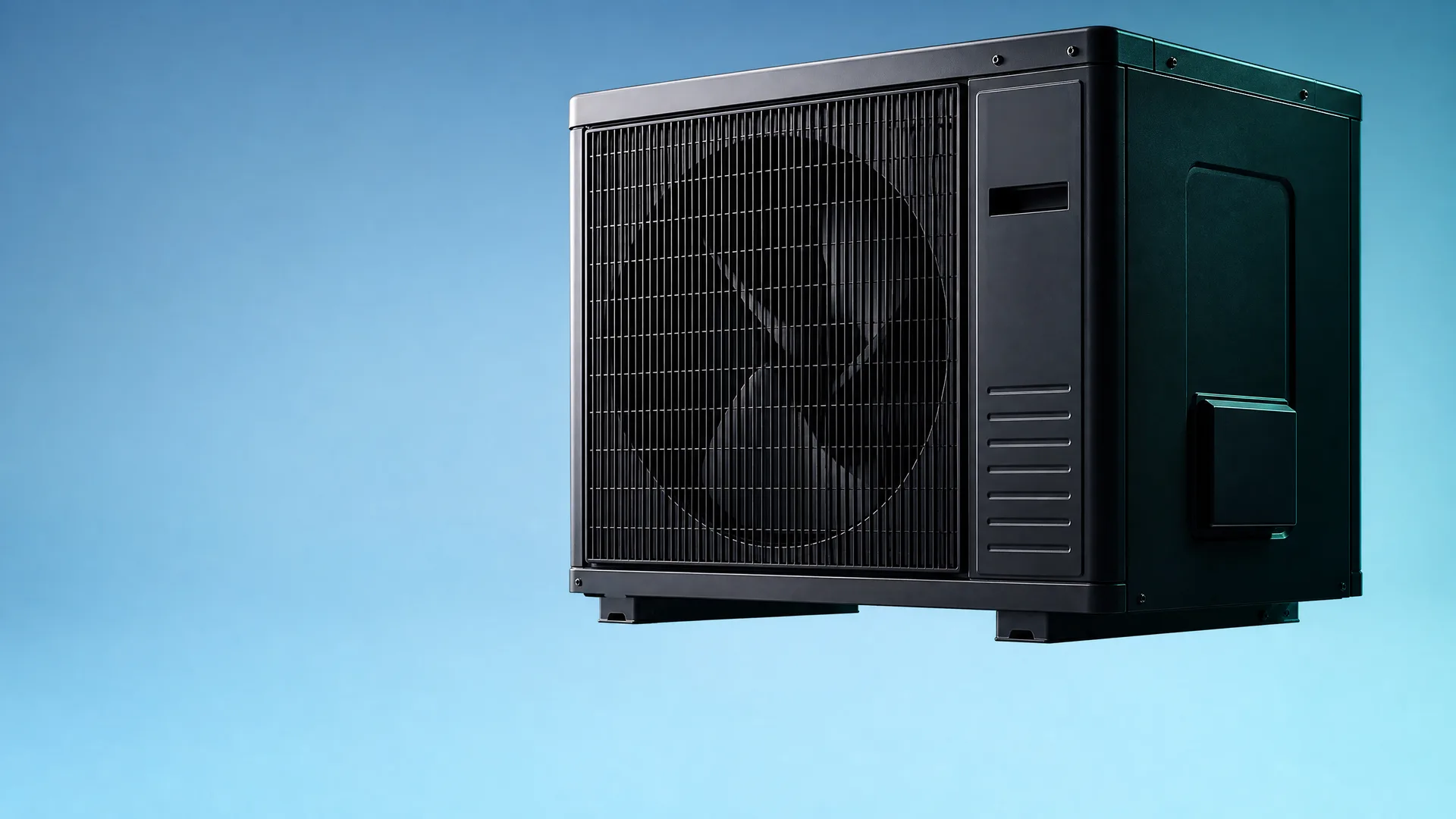
The machine doesn't need to be anything special, just sized right
Idaho's nights average 22°F across December, January and February, and homes here need heat for more months of the year than in almost every other state. None of that calls for a bigger or different heat pump. A unit built to heat a home already has to work well below freezing to be sold as a heat pump at all. What matters is sizing it to the house it's going into, not reaching for more than the house needs. Winter storms come through often enough that the install should happen before the cold sets in, so the system is tested and running rather than going in during a blizzard.
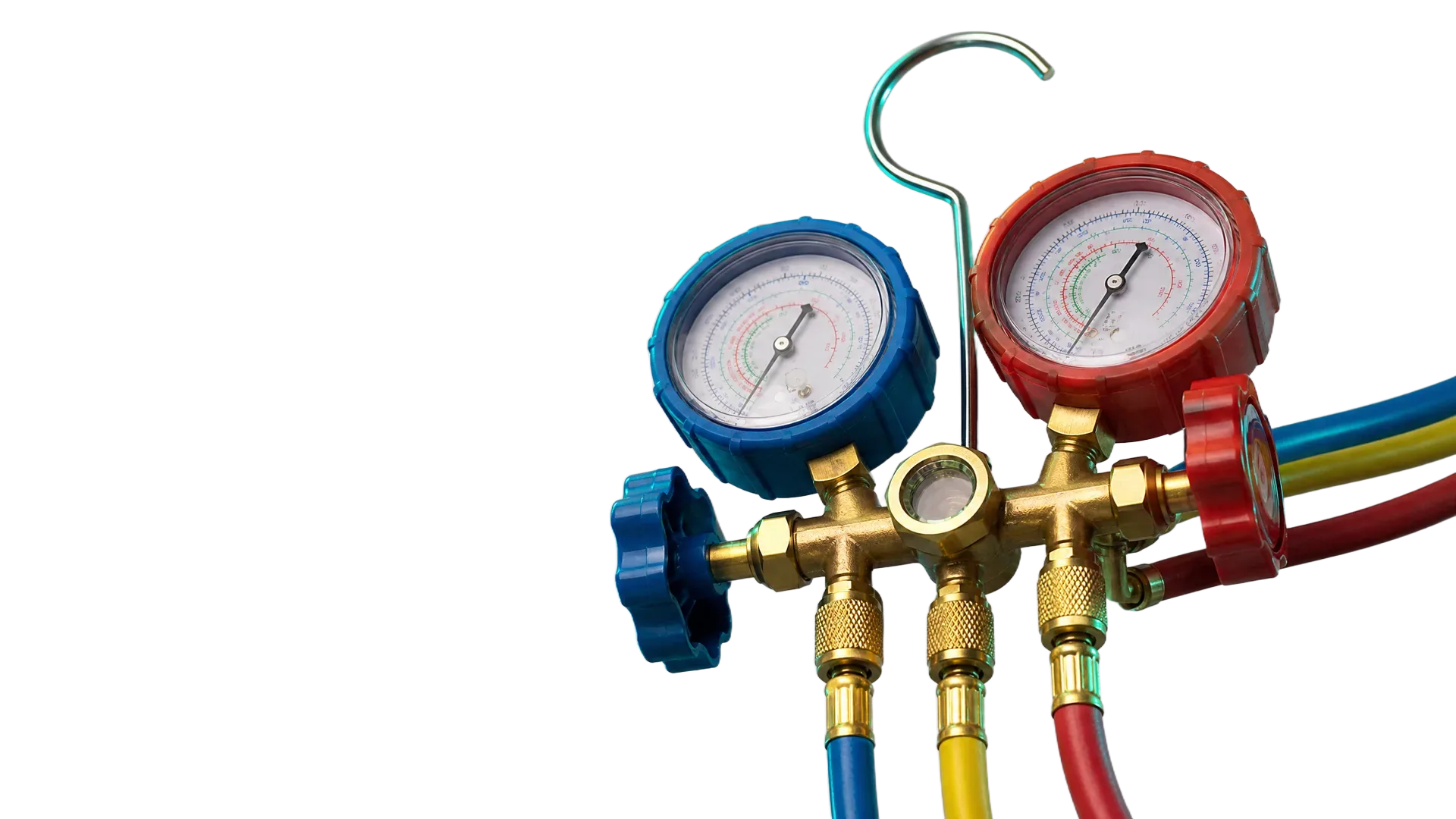
What actually sets the price
A lot of what drives the price has nothing to do with the heat pump itself. The outdoor unit and indoor coil are a known cost. What varies is the work around them. If the ductwork already in place is the right size and in good shape, a crew connects to it and moves on. If it's undersized, leaky, or routed in a way that chokes airflow, that gets fixed or replaced first, and that's labor and material the unit price never showed. Electrical is the other variable. Heat pumps run on their own circuit, and the panel either has room for that load or it doesn't. An older panel that's already full means an upgrade before the heat pump goes in at all. Line length and placement matter too. The further the indoor and outdoor units sit from each other, the more refrigerant line gets run, and the more labor that takes. A straightforward swap where the new unit matches up with what's already there costs less than one where the crew is rebuilding duct runs or upgrading a panel to make it work.
What the rating number actually buys you
The label's SEER2 (seasonal energy efficiency ratio under the 2023 test, an AC's cooling efficiency over a season) and HSPF2 (heating seasonal performance factor under the 2023 test, a heat pump's heating efficiency over a season) numbers tell you how much heat a unit moves for the electricity it uses, not how much heat it can put out. A higher-rated unit costs more up front and costs less to run every month after. A lower-rated one costs less to buy and more to run for as long as it's in the house. Neither number says anything about whether the unit is sized right for the home, and a well-sized unit with an average rating will often beat an oversized one with a high rating on the actual power bill. The rating also assumes the ductwork it's connected to is in good shape. Leaky or undersized ducts lose conditioned air before it reaches the rooms, and no efficiency rating on the unit recovers what the ducts lose.
Most homes in Idaho heat with gas, so swapping in a heat pump means deciding what happens to the furnace.
Tell us about the job
Takes about a minute. No obligation.
Fill out the form once and hear back from contractors about a heat pump sized to your home.