





An empty unfinished basement containing a forced-air furnace with overhead ductwork, exposed ceiling joists, and a single hanging light bulb.

Furnace Installation in Rexburg, ID

Tell us about the job

Takes about a minute. No obligation.

New system or replacementFurnace or heatingMadison County, ID
Step 1 of 2

What ZIP code is the job in?

Most homes in Madison County heat with utility gas, 54.3% of them. Electricity comes in second at 34.8%, and bottled or LP gas heats another 6.3%. If your house already has a gas line run to a furnace, putting in another gas furnace is usually the straightforward choice. It uses the pipe that is already there and the venting already in place. A contractor can tell you whether your current setup still meets code before matching it like for like.

10 months
September through June, your furnace is on duty
14°F
the average winter night it heats against
54%
of homes here heat with gas, so most furnaces here burn gas
80% AFUE
the federal minimum any new unit must meet
Isometric cutaway illustration of a single-story house showing interior rooms with a dark furnace unit, connected ductwork, a vertical flue pipe through the roof, and simple furniture, on a white background.
Your furnace works hardest from November through April.

NOAA nClimDiv, 1991–2020 normals

Furnaces in Madison County run from September through June.

Ten months of work a year means this system needs to be sized for the job, not picked by the smallest number on the quote.

August is the month to get this done, before heat season starts in September

Heat runs September through June
Winter nights average 14°F
103 winter storms from 2015 to 2024
A standard furnace fits hereGas here runs $8.25 per million Btu. Nothing about Rexburg calls for oversizing or special equipment.

Madison County is in zone 6B, a cold climate zone under the energy code, with a long run of furnace months and dry air. Any new furnace installed here has to meet the federal minimum of 80.0 percent AFUE. That minimum jumps to 95.0 percent in a few years, so the furnaces sold here now are already starting to shift toward the higher end ahead of that change. A furnace bought today only has to clear the current floor, not the future one. Ask what AFUE rating you're being quoted and whether it's built for where this is headed or just for today's minimum.

Size it for how hard it works here

A new system here will work harder than most, every year. Size it right and don't buy on price alone.

Find a contractor
A gray residential gas furnace installed in an unfinished basement, connected to sheet-metal ductwork and PVC pipes.

The old furnace runs until the day it doesn't

The old furnace doesn't get turned off until the new one is ready to take over, so whoever installs it has to work fast once the swap starts. Pulling the old unit means disconnecting the gas line, the venting, and the return and supply ducts it was tied into. Any of those connections can need some rework to match the new furnace, since the new one may sit a little taller or shorter, or draw air differently than the old one did. The old heat exchanger is the part worth asking about. If it cracked or corroded, that's often the reason the furnace was replaced in the first place, and it's not something that gets patched. Once it's out, it gets scrapped, not reused or resold.

The furnace is one part of the quote

A furnace installation is more than the unit itself. The ductwork has to connect to it, the vent pipe has to match what the furnace needs, and the gas line and electrical have to meet what the new unit calls for. If any of those need work to bring them up to what the new furnace requires, that's part of the job, not an add-on.

A higher AFUE furnace costs more to install

A furnace with a higher AFUE rating burns less gas to heat the same house, but the unit itself costs more, and it often needs a different vent pipe than a lower rated furnace does, sometimes run in a different material or a different path out of the house. Deciding between them means weighing that higher upfront cost against lower gas bills over the life of the furnace.

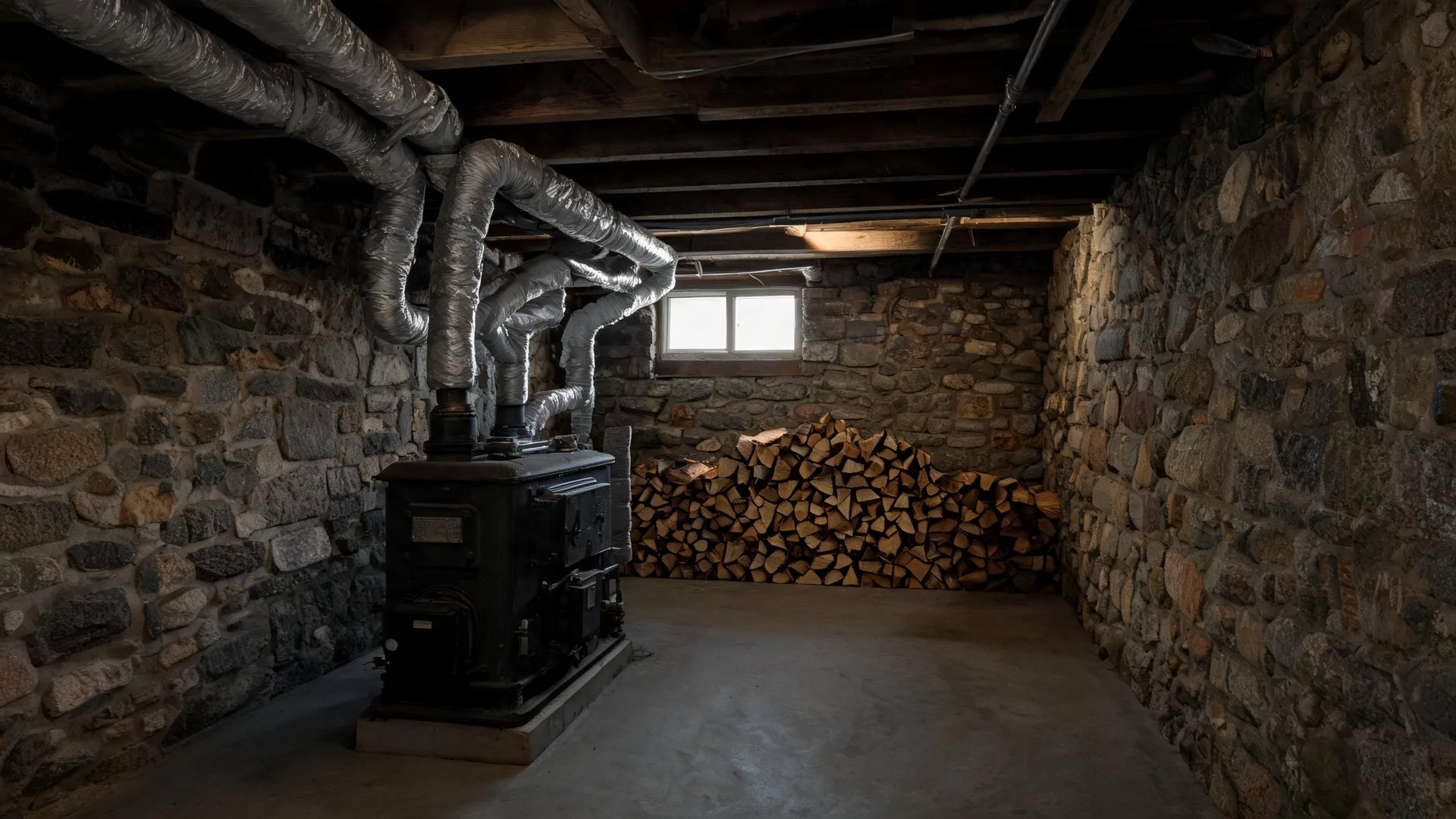
An unfinished basement interior featuring a large metal furnace unit, exposed ceiling joists, concrete walls, and scattered boxes and cables on the floor.

A high-efficiency gas furnace would save about $90 a year to run in Madison County compared with a gas furnace.

  • A high-efficiency gas furnace$420 a year
  • A gas furnace$510 a year

Estimates for a typical Madison County home, from EIA household energy data, Idaho fuel prices and NOAA climate normals. Your home will differ.

Installation day starts with a walkthrough before anything gets disconnected. The installer checks the spot the furnace will sit, the duct connections it will tie into, and the vent path it will use before pulling the old unit out. Once the old furnace is disconnected, the work moves fast, since the house has no heat until the new one is running. Setting the new furnace means leveling it, connecting the supply and return ducts, running the vent pipe, hooking up the gas line, and wiring it to the thermostat and the blower. After it's connected, the installer fires it up and checks the gas pressure, the temperature rise across the heat exchanger, and the draft pulling exhaust out through the vent. A combustion analyzer reads the flue gas to confirm the furnace is burning clean before the job is called done. The last step is walking the thermostat settings with whoever's going to be living with the system, so it's set up the way they'll actually run it.