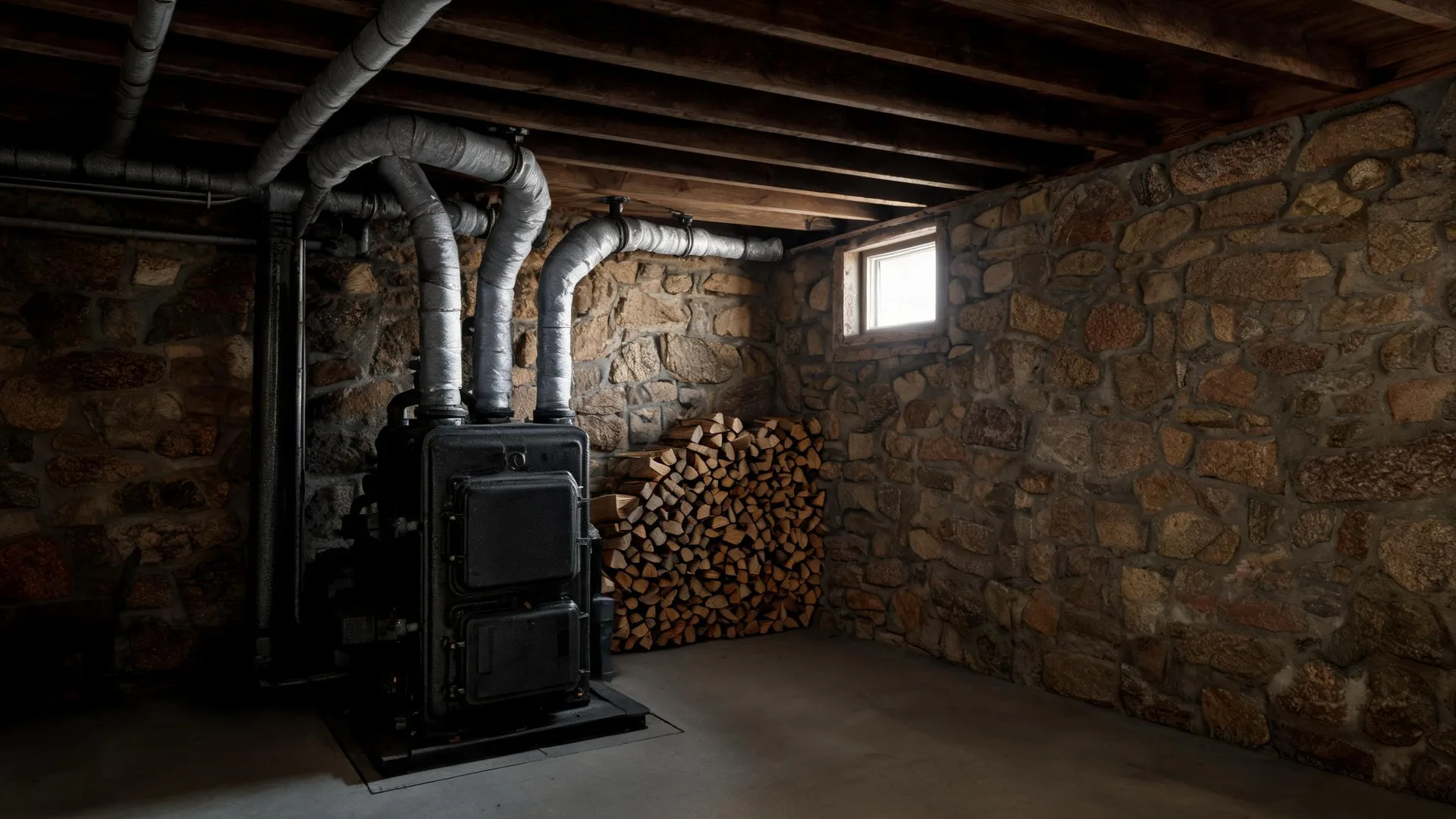
Gas is the common choice here
Utility gas heats 43.8% of homes in Bear Lake County, more than any other fuel. A gas furnace is what most contractors in Montpelier install and service.
Takes about a minute. No obligation.
Utility gas heats 43.8% of homes in Bear Lake County, more than any other fuel. A gas furnace is what most contractors in Montpelier install and service.
If your house already has a gas line run to it, putting in another gas furnace means the contractor works with that existing setup instead of adding new fuel infrastructure to the job.
NOAA nClimDiv, 1991–2020 normals
Furnaces in Bear Lake County run from September through June, ten months of the year.
August is the one month to get a new furnace installed before it has to work.
A standard furnace size and a standard efficiency rating are a reasonable starting point here. Half the homes in Bear Lake County were built in 1974 or earlier, half since, and nothing about that split points toward oversizing or undersizing a system. The contractor still needs to size it to your house, not the county average, by looking at the square footage, the windows, and how the place is insulated. But there's no local condition pushing you toward a bigger unit or a pricier efficiency tier than what the house itself calls for. If your home is close to the county's housing stock in age, a standard install is what most contractors will recommend, and there's no reason here to second-guess that.
Bear Lake County is zone 6B, a cold climate with winter running long. Any furnace installed here has to reach at least 80.0 percent AFUE, and that's already the standard efficiency most contractors carry as their base install. Furnaces built from 2028 on will need to hit 95.0 percent instead. A system going in now, built to today's minimum, is a known, standard fit for this zone.
Find a contractor
Ask what the AFUE rating means for the model sitting in front of you, not just the tier it gets marketed under. Ask whether the gas valve is single-stage or modulating. A single-stage furnace runs at full fire until it hits the thermostat setting, then shuts off completely, so the house drifts a little warm, then a little cool, then warm again. A modulating furnace holds a lower flame for longer stretches, which is easier on the heat exchanger and keeps the house steadier through a cold stretch. Ask what the blower motor is too. A fixed-speed motor is on or off, nothing between. A variable-speed motor ramps with demand, and that shows up in how evenly the house holds its temperature over a winter spent running most days. Ask about the warranty on the heat exchanger specifically, apart from the rest of the unit, since that's the part that takes the heat stress year after year and is the expensive one to replace. And ask what happens when a part fails. Some contractors keep common parts on the truck or in a local stock. Others have to order from the manufacturer, and a furnace that runs all winter doesn't leave much room for a long wait on a part.
The AFUE number tells you how much of the gas burned turns into heat for the house, and how much goes out the flue. It has nothing to do with how big the furnace is or how much heat it can put out. A furnace with a higher AFUE isn't a stronger furnace, it's a furnace that wastes less gas doing the same job.
AFUE gets measured under set conditions in a lab, not inside your house. What you actually get out of a furnace depends on the ductwork it's tied into, how the thermostat is set and used, and whether the unit is sized right for the house. The same furnace with the same rating can perform differently from one house to the next depending on all of that.
Estimates for a typical Bear Lake County home, from EIA household energy data, Idaho fuel prices and NOAA climate normals. Your home will differ.
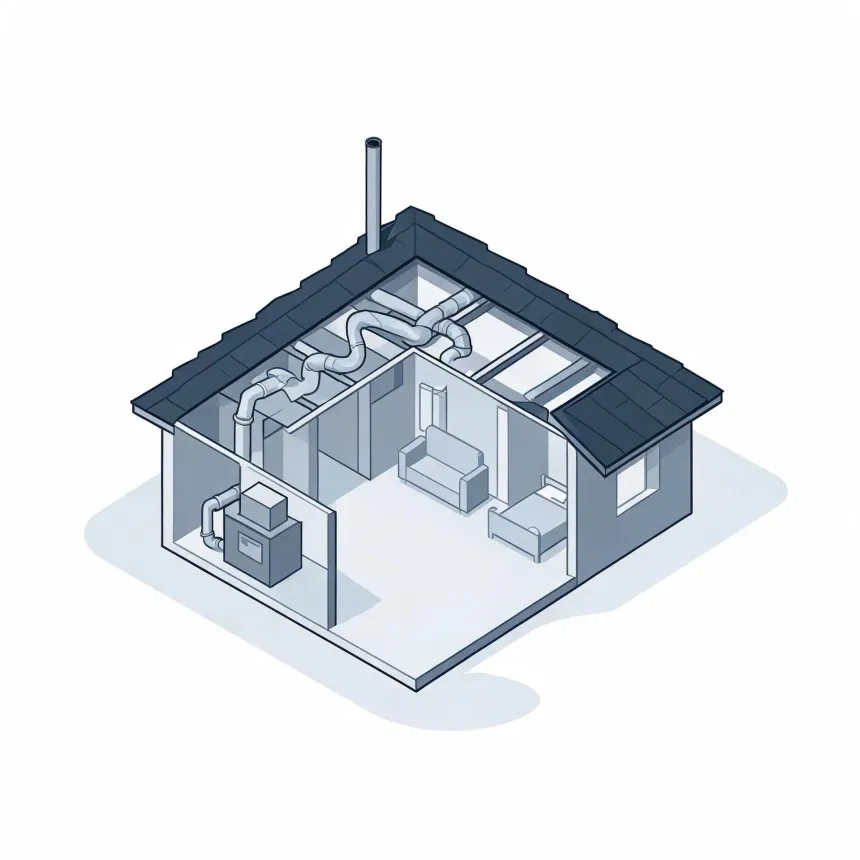
Installation day starts with the old furnace coming out, and that's usually quicker than what follows. Running new vent pipe, adjusting the gas line connection, and tying into the existing ductwork takes longer, especially if the new unit is a different size or shape than what it's replacing. The contractor will check the duct static pressure and may need to adjust a transition piece to get the airflow right for the new blower. Once it's set and connected, the furnace gets fired up and run through a cycle so the technician can check the flame, the temperature rise across the heat exchanger, and the gas pressure at the valve. A combustion analyzer gets used to check the exhaust and make sure the unit is burning clean. Expect the thermostat to get swapped or at least reconfigured before anyone calls the job done.