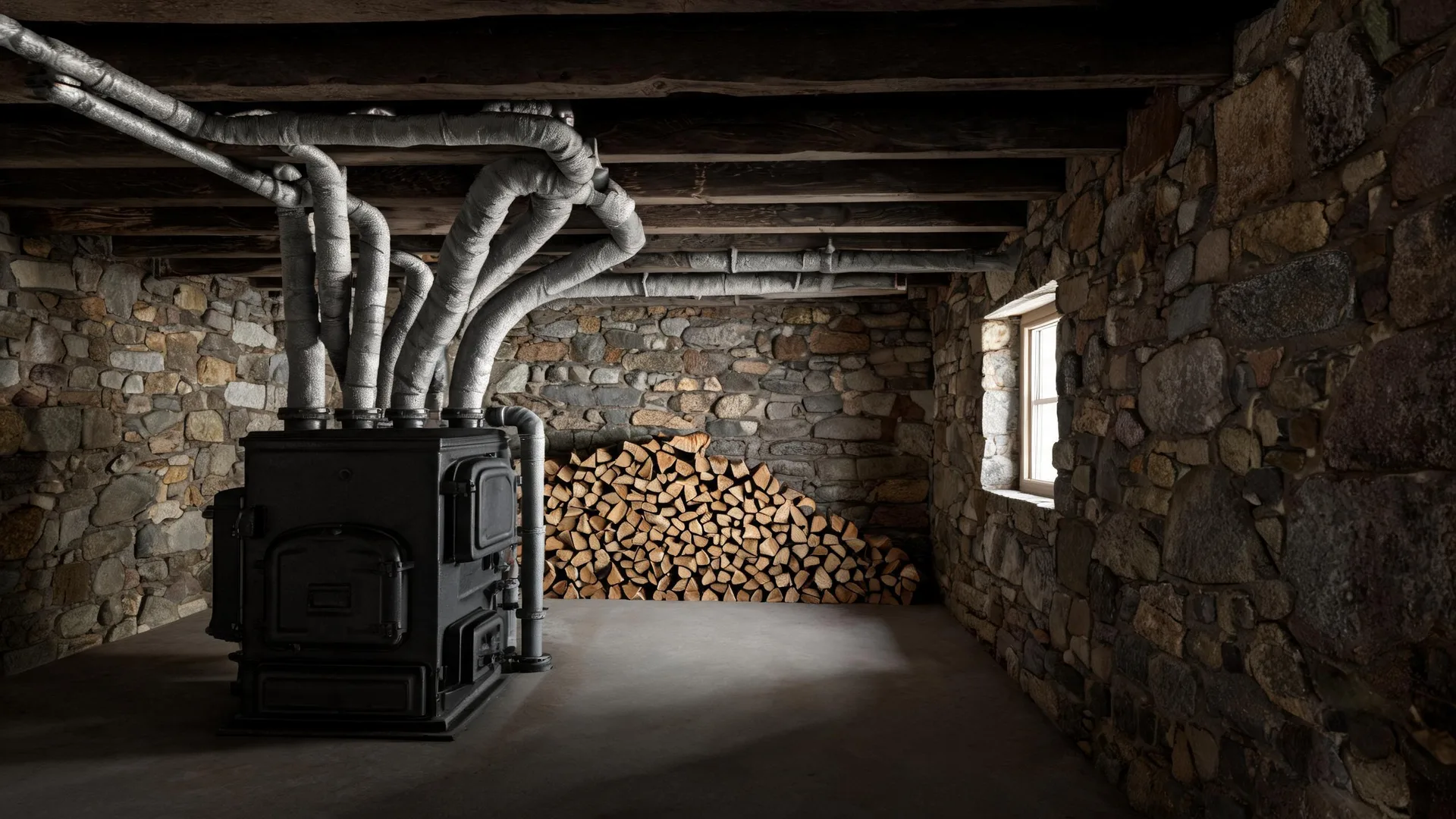
Zone 6B sets the floor
Franklin County falls under zone 6B in the 2021 energy code, a cold zone with a long heating season. Any furnace installed here has to meet that standard, not a milder one written for somewhere else.
Takes about a minute. No obligation.
Franklin County falls under zone 6B in the 2021 energy code, a cold zone with a long heating season. Any furnace installed here has to meet that standard, not a milder one written for somewhere else.
Furnaces built on or after November 19, 2015 have to turn at least 80 percent of the gas they burn into heat. That rules out the older, less efficient units some other markets still install. Starting December 18, 2028, new furnaces will have to hit 95 percent.
NOAA nClimDiv, 1991–2020 normals
The size of the furnace matters more than the brand on it.
One sized to the house heats evenly and holds up; one sized by guesswork runs too much or too little and wears out doing it.



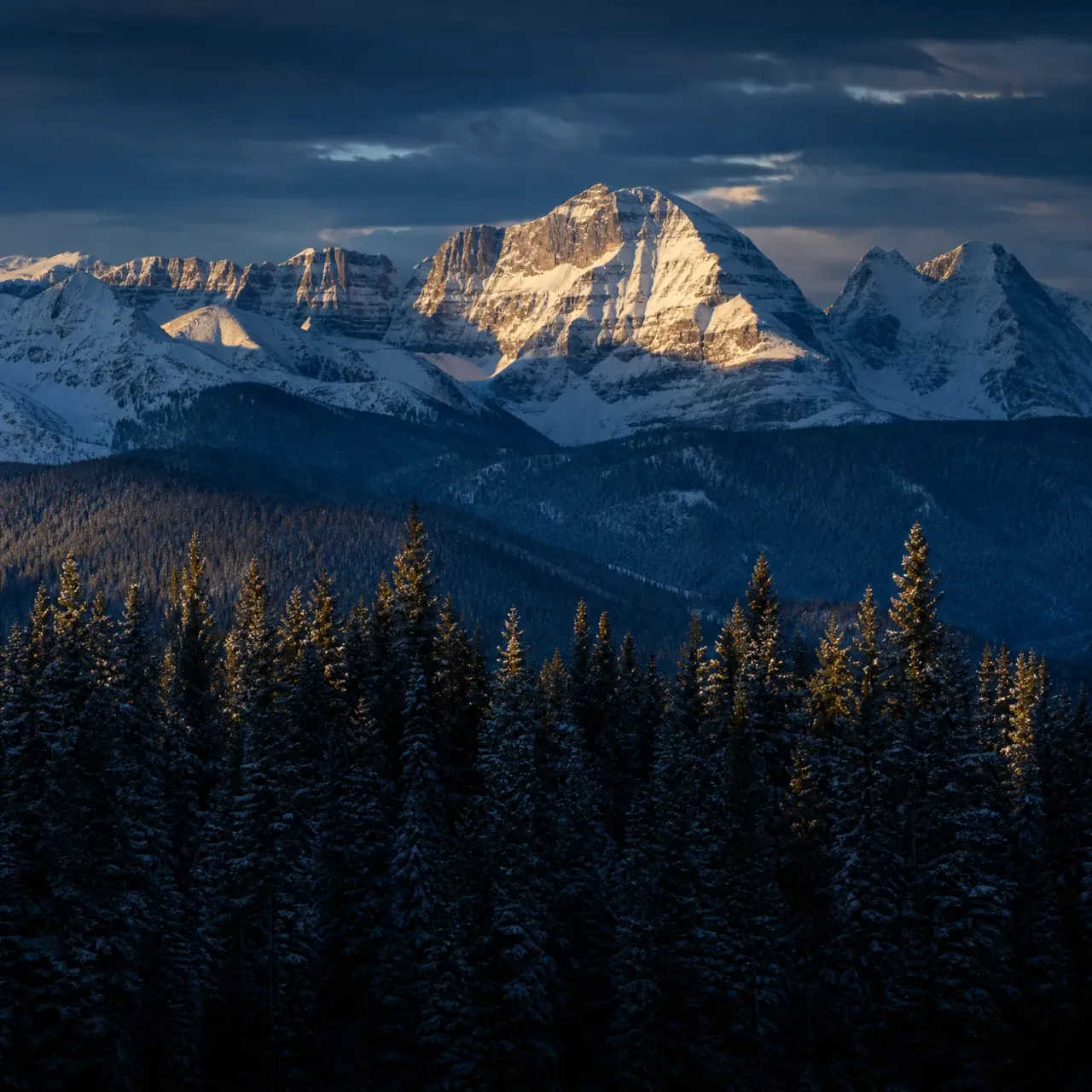
With this furnace running from September into June, pick the install around sizing, not sticker price. A furnace too big for the house short cycles, switching on and off instead of running a steady stretch, and that wear adds up fast over ten months of use. One too small runs constantly trying to keep up, which costs more every month it does it. A contractor sizing it right will run a load calculation on the house instead of matching the old unit or guessing off square footage. Franklin County saw 62 winter storms between 2015 and 2024, and when one hits, this is the furnace carrying the house through it. That's worth more than a lower bid from someone sizing it by eye.
A new system here has to meet this region's minimum efficiency, which limits what can go in.
Find a contractorThe old furnace does not get reused or passed down. Once it comes out, a technician disconnects the gas line and caps it, pulls the electrical connections, and disconnects the flue venting. The cabinet gets cut apart or broken down enough to carry out, because most furnaces are too large to move through a door whole. From there it goes to scrap. The heat exchanger, the blower motor, the cabinet steel, all of it gets recycled rather than landfilled, since furnaces are mostly metal. Anything left in the gas line or venting gets checked at the same time, since the new furnace will often tie into the same path the old one used, and a contractor wants that clear before the new unit goes in.
The efficiency number on the label says how much of the gas becomes heat in the house and how much goes out the flue unburned. A higher number means less of what you pay for leaves through the vent pipe. It says nothing about how big a furnace is or how much heat it can put out. A small furnace and a large one can carry the same rating.
The rating is set when the furnace is new and tested. Dirty burners, a clogged filter, or a blower that's falling behind all pull the real number below what's on the label. A furnace running at its rated efficiency year after year is one that's had the filter changed and the burners checked on schedule, not one left alone until it fails.
Two furnaces can carry the same efficiency rating and still perform differently once installed. Ask how the contractor arrived at the size, not just what size they landed on. A proper load calculation looks at the house itself, its insulation, its windows, its layout, and from that works out how much heat it actually needs. Ask what stage of heat the furnace runs, single stage, two stage, or modulating, because that affects how evenly it holds temperature through a cold stretch, not just whether it hits the target. Ask about the blower motor too. A variable speed motor adjusts its output to match the load instead of running full blast every cycle, and that changes how the house feels room to room. The warranty terms are worth asking about directly, since parts coverage and labor coverage are often sold separately and run for different lengths of time.
Installation usually runs a full day, sometimes two if the venting or ductwork needs work beyond swapping the unit. The old furnace comes out first, then the technician checks the duct connections, the gas line, and the flue before anything new goes in. Setting the new furnace means leveling it, connecting the gas line, wiring it to the thermostat, and tying it into the duct trunk and the flue venting. After that comes startup: firing the burners, checking the flame, and letting the system run through a full cycle while the technician checks the temperature rise against what the manufacturer specifies for that model. Static pressure gets checked too, since ductwork that's too restrictive can keep an otherwise well-sized furnace from moving enough air. The technician should walk through the thermostat settings and point out the filter location before leaving, since that's the one part the homeowner maintains going forward.