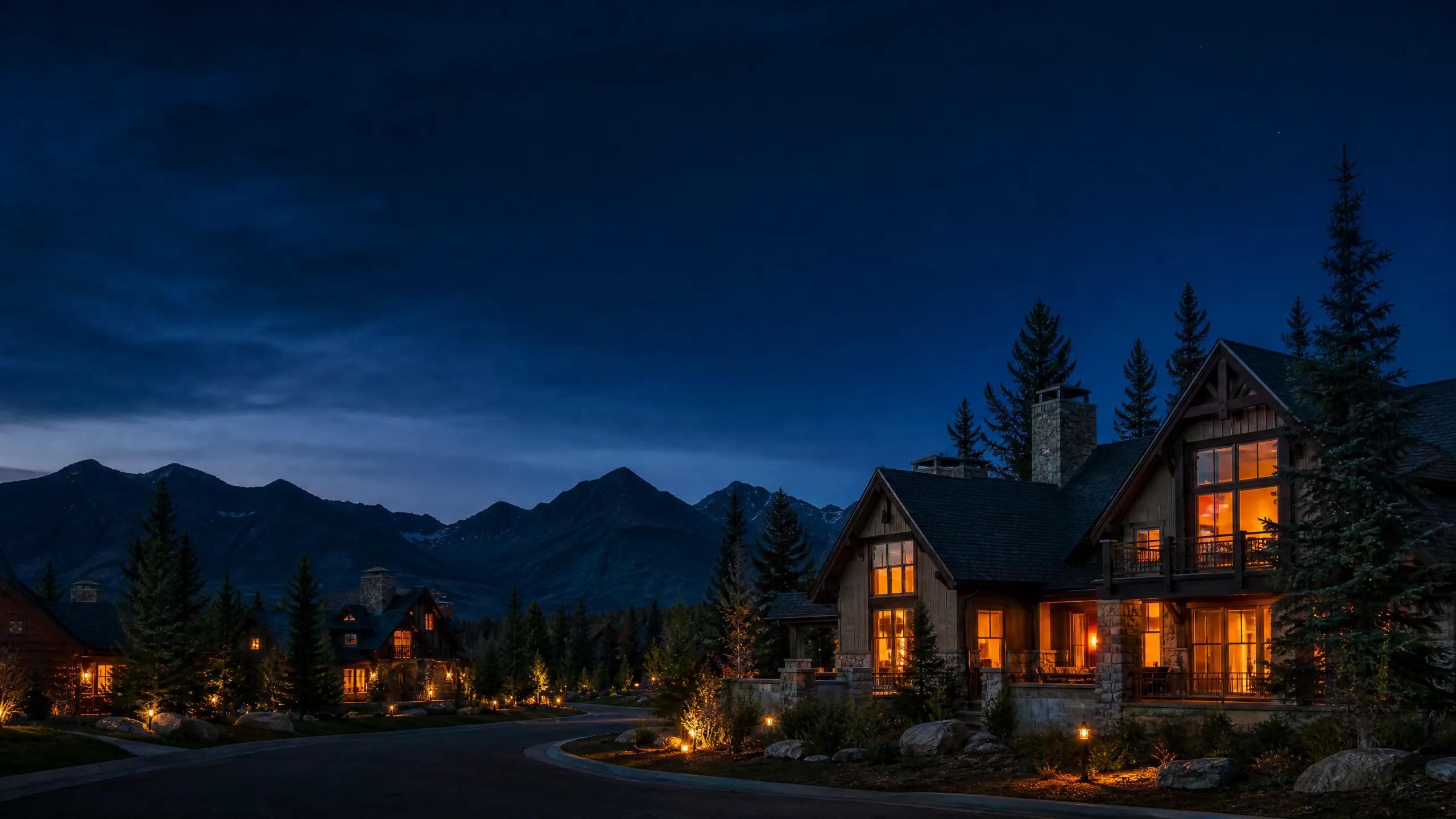



A lit mountain lodge-style home at night with evergreen trees, stone accents, and snow-capped mountains in the background.

Furnace Installation in Challis, ID

Tell us about the job

Takes about a minute. No obligation.

New system or replacementFurnace or heatingCuster County, ID
Step 1 of 2

What ZIP code is the job in?

Electricity ran $33.76 per million Btu across Idaho homes in 2024. That's the fuel most furnaces here draw on, and it's not a small number when a furnace is what keeps a house warm through a Challis winter. A unit that wastes some of that electricity turning it into heat is burning money the whole time it runs. One that converts more of it into actual warmth in the house is not. The difference shows up on every bill, not just one.

11°F
the average winter night it heats against
80% AFUE
the federal minimum any new unit must meet
Isometric cutaway illustration of a small gabled house showing a furnace with flue pipe and ductwork connecting to interior rooms containing a sofa, bed, and cabinets.
Your furnace works hardest from October through April.

NOAA nClimDiv, 1991–2020 normals

Electricity heats six out of ten homes in Custer County.

An electric furnace replacement fits what's already wired in, with no new fuel line to run.

A furnace here runs every month of the year, not just the cold ones

Winter nights average 11°F
140 winter storms from 2015 to 2024
Climate zone 6B
Size it for the work it will do140 winter storms between 2015 and 2024. Size the new furnace for that, not for a mild week.

Custer County falls in climate zone 6B, a cold zone under the 2021 energy code, and that sets a floor under what can go into this house. Furnaces built since November 2015 have to turn at least 80 percent of the gas they burn into heat over the winter. That number doubles down to waste starting in late 2028, when the minimum jumps to 95 percent, but anything meeting today's floor is already built for a long, cold season rather than a mild one. A furnace sized and rated for zone 6B is not the same unit a contractor would put into a house in Phoenix. It's built to keep working through the months Challis actually has.

Ask what it converts, not just what it costs

The quote you get should spell out efficiency, not just equipment. At $33.76 per million Btu, that rating is what decides whether this furnace is cheap or expensive to live with.

Find a contractor
A gas furnace with attached ductwork, gas piping, and condensate lines installed in a concrete-block basement.

What to ask before you sign off on a unit

Two furnaces can carry the same price tag and run completely differently once installed. Ask how the blower is staged. A single-stage blower runs at one speed, full blast, until the thermostat is satisfied, then shuts off. A variable-speed blower ramps up and down, holding a steadier temperature and moving air more quietly. Ask about the heat exchanger too. That's the part that actually transfers heat into the air moving through the house, and it's also the part that fails if something goes wrong with combustion. Ask what it's made of and what the warranty on it actually covers, since a lot of warranties on parts don't match the warranty on the unit as a whole. Ask how the system was sized for this house, not just what size is being quoted. A furnace that's too big cycles on and off fast, wearing out its own parts sooner, and never runs long enough to heat evenly. One that's too small runs constantly and still can't keep up on the coldest days. The right answer comes from a load calculation on the house, not a guess based on square footage alone.

Bigger isn't better

An oversized furnace heats the house fast, shuts off, then starts again a few minutes later. That short cycling keeps the heat exchanger and blower working through more start and stop cycles than they're built for, and the house still ends up with warm and cold spots because the air never runs long enough to mix evenly.
The math behind the number

Sizing a furnace right means working out how fast the house loses heat on the coldest days, not just measuring the floor space. A contractor works through the walls, windows, ceiling and air leaks room by room to get that number. Skip that step and the unit quoted is a guess, even if the guess is close.

The old furnace does not get reused once a new one goes in. A contractor disconnects the gas line or electrical circuit feeding it, pulls the unit out of its closet or utility space, and takes it with them for disposal or scrap. If it is a gas furnace, that line gets capped off properly before anyone leaves, so there is nothing sitting open behind the new install. The ductwork usually stays, but it gets checked for the new unit's airflow needs, since a duct run sized for one furnace does not always match what the next one needs to move air correctly. Old thermostats often get swapped too, especially if the new furnace needs different wiring to run its blower or stages its heat. None of this is something a homeowner needs to arrange separately. It is part of pulling one system and setting the next one in its place.

The old unit comes out before the new one goes in, so the first part of the day is removal, not install. Once that's clear, the crew sets the new furnace in place and starts connecting it: gas or electrical, the supply and return ducts, the flue or venting, and a condensate line if the unit needs one. Each connection gets tested as it's made, not all at once at the end. The gas line gets checked for leaks, the electrical connections get checked for a solid ground, and the blower gets run to make sure air is actually moving through the ducts the way it should. Before anyone leaves, the system runs a full cycle, heating up and shutting off on its own, so any problem shows up that day instead of the first cold night. The thermostat gets set up and tested last, since it's the last thing in the chain and the easiest to check once everything behind it is working.