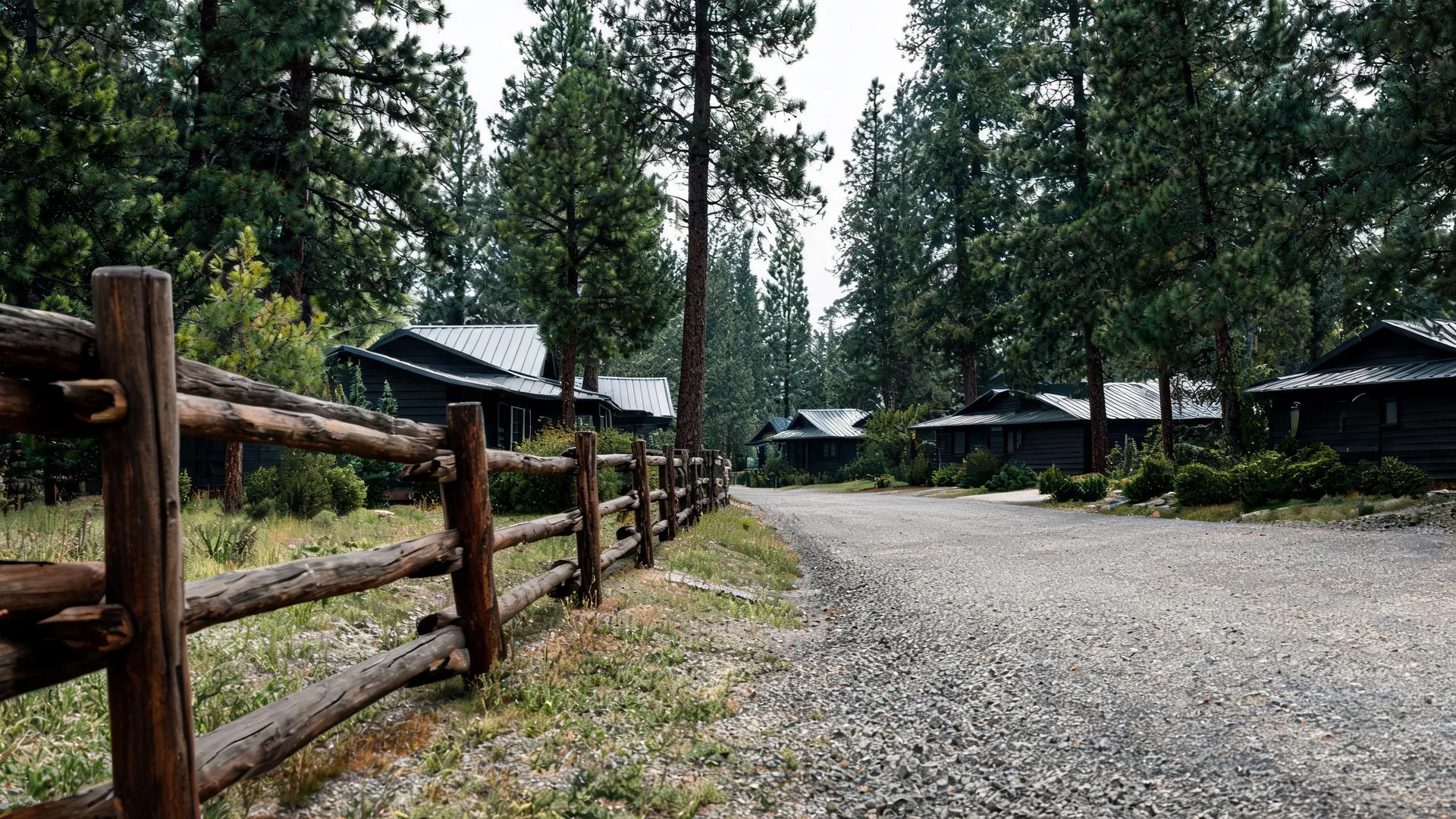





A gravel road curves past dark-sided cabins with metal roofs among tall pine trees, with a rustic split-rail wood fence and grass along the left side.

Furnace Installation in Weiser, ID

Tell us about the job

Takes about a minute. No obligation.

New system or replacementFurnace or heatingWashington County, ID
Step 1 of 2

What ZIP code is the job in?

Electricity in Idaho ran $33.76 per million Btu in 2024. That number applies to every home heating with it, including the ones that heat with a furnace burning electricity to make heat. A furnace that wastes some of that energy on its way to warming your house is burning your money to do it. The efficiency rating on a new furnace is not a label for comparison shopping. It is a direct line to what that furnace will cost you to run, winter after winter, in a place where the power itself already costs more than most states pay.

9 months
September through May, your furnace is on duty
22°F
the average winter night it heats against
80% AFUE
the federal minimum any new unit must meet
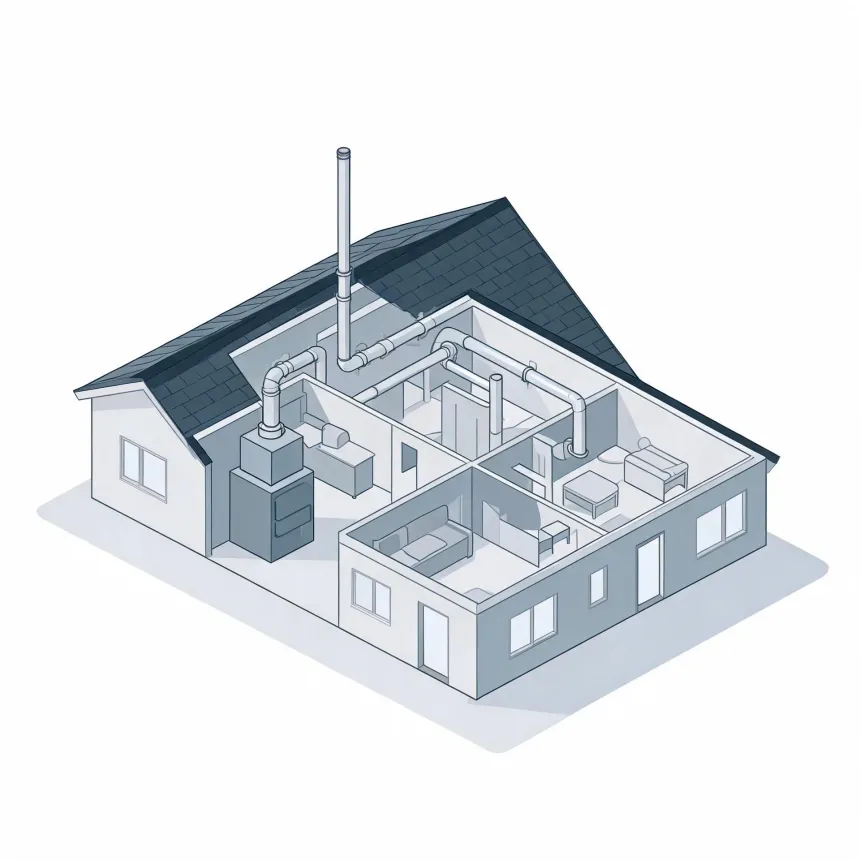
Isometric cutaway illustration of a single-story house showing interior rooms with furniture, a furnace unit connected to ductwork and a tall flue pipe extending through the roof.
Your furnace works hardest from November through March.

NOAA nClimDiv, 1991–2020 normals

Furnaces here start running in September.

Install before August ends and the job happens on your schedule, not during the first cold week.

Nine months of heat and 85 winter storms, this furnace doesn't get a season off

Heat runs September through May
Winter nights average 22°F
85 winter storms from 2015 to 2024
Most Homes Here Run on Electric Heat46.2% of homes in Washington County heat with electricity, more than any other fuel.

Washington County sits in climate zone 5B, a cool, dry zone where heating carries the bigger share of the work. Any gas furnace installed here has to turn at least 80 percent of the gas it burns into heat, a federal floor that applies to every furnace built from November 2015 on. That floor is changing. Furnaces built from December 18, 2028 onward have to hit 95 percent, well above what the market has had to meet for years. A unit bought now still only has to clear 80, but it will run alongside furnaces built to the higher standard for most of its working life.

The Efficiency Rating Is What You'll Pay, Winter After Winter

Ask what efficiency rating comes with the furnace you're quoted. Power here runs $33.76 per million Btu, and that cost doesn't change based on what you bought. A furnace that turns more of it into heat for your house is the only way to spend less on the gas or electricity itself.

Find a contractor
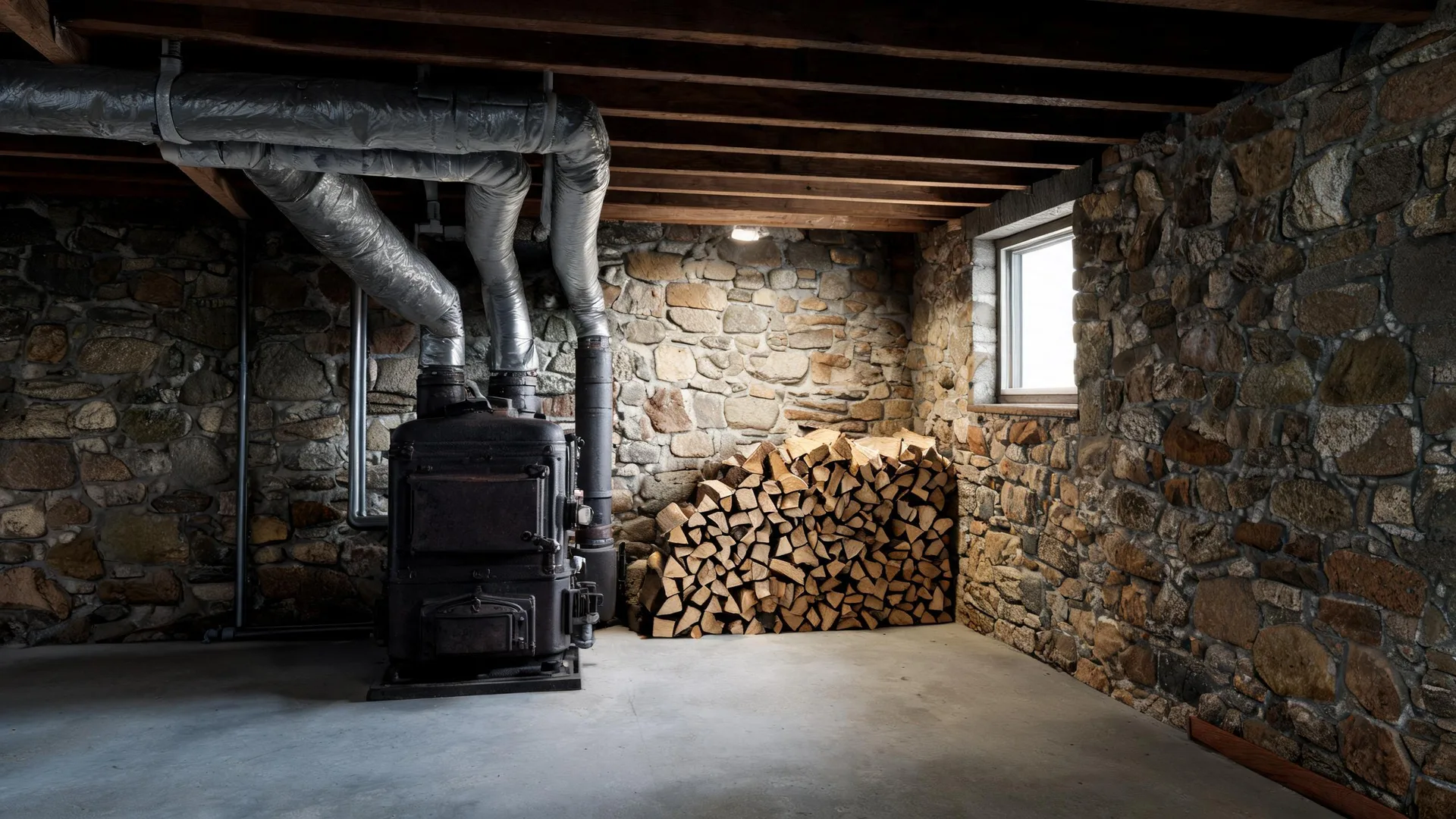
A gas furnace with attached ductwork, gas piping, and condensate lines installed in a concrete-block basement.

This Furnace Earns Its Keep, So Size It Right From Day One

A furnace installed this year will run nine months out of twelve, every year, for as long as it's in your house. That kind of runtime calls for sizing it to the house, not to the quote that comes in lowest. A furnace too big for the space cycles on and off more than it should, and every start puts wear on the igniter and the blower motor. One sized right runs longer, steadier stretches and does less damage doing it. Ask whoever quotes the job to size it off a load calculation for your house, not a guess based on square footage alone.

The Old Furnace Doesn't Get Reused

A furnace that comes out gets scrapped, not passed along or resold. The heat exchanger has been through years of heating and cooling cycles, and metal that has flexed that many times is not something any installer will warranty again. Once it is disconnected, it is hauled off.
Removal Is Part of the Job, Not an Extra Step

Pulling the old unit means disconnecting the gas line or power feed, detaching the ductwork, and getting the cabinet out the door, sometimes in pieces if it won't clear a doorway whole. A contractor who quotes the install should be quoting the teardown too. If removal and disposal aren't in the quote, ask where they show up.

The rating on the label tells you how much of the fuel a furnace burns turns into heat in your house, and how much goes out the flue doing nothing for you. Gas furnaces list this as AFUE. Electric furnaces turn almost all the energy they draw into heat, since there's no flue carrying any of it away, so the rating question lands differently depending on which kind you're buying. On a gas furnace, the space between a low rating and a high one shows up every time the burner fires, all winter, for as long as you own it. That gap doesn't close or soften as the furnace ages. It's fixed the day the furnace is built, stamped on a plate inside the cabinet, and it's worth reading before you sign anything, not after.

Install day starts with the old furnace still running, so the first thing that happens is the gas or power gets shut off to it. The ductwork gets disconnected from the cabinet, and if the furnace is set up for gas, the flue pipe comes apart too. Once it's unhooked from everything, the installer gets the old unit out, which sometimes means tipping it through a doorway at an angle or taking the cabinet apart if it won't clear straight. The new furnace goes in on a stand or platform, gets leveled, and the ductwork gets fitted back to it, sized to the new unit's connections rather than just reattached as-is. Gas, electrical and venting all get hooked up and tested before anyone calls the job done. The last part is running the system through a full cycle, checking that it fires correctly, that the blower moves air the way it should, and that nothing is leaking anywhere it shouldn't.