



Illuminated stone-and-timber mountain homes line a quiet street at dusk, with evergreen trees and a mountain range in the background.

Furnace Installation in Shoshone, ID

Tell us about the job

Takes about a minute. No obligation.

New system or replacementFurnace or heatingLincoln County, ID
Step 1 of 2

What ZIP code is the job in?

Electricity here costs more than it does in most of the country. In 2024, Idaho homes paid $33.76 per million Btu for it, and since most furnaces in Lincoln County run on electric heat, that rate applies to nearly every house on the block. A furnace that wastes some of what it draws is wasting it at that price, every day it runs. The difference between a well-sized, well-installed furnace and one that's working harder than it should shows up on the bill before it shows up anywhere else.

9 months
September through May, your furnace is on duty
18°F
the average winter night it heats against
80% AFUE
the federal minimum any new unit must meet
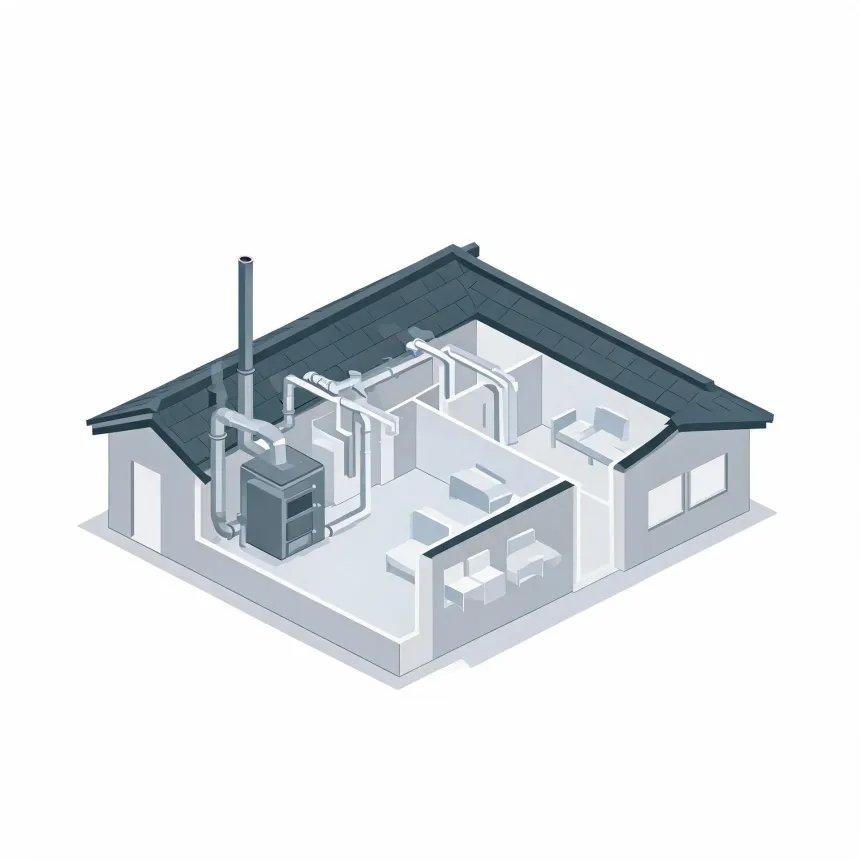
Isometric cutaway illustration of a single-story house showing interior rooms with a dark furnace unit, connected ductwork, a vertical flue pipe through the roof, and simple furniture, on a white background.
Your furnace works hardest from November through March.

NOAA nClimDiv, 1991–2020 normals

Furnaces in Lincoln County run from September through May.

Have the new furnace in before August ends, and it's running on your timeline instead of a cold snap's.

Nine months of heat a year wears a furnace faster than three

Heat runs September through May
Winter nights average 18°F
Climate zone 5B

Electricity heats 44.4% of homes in Lincoln County, more than gas, propane, or fuel oil. Gas comes in second at 26.5%, mostly in town where the lines run. If your house is already wired for electric heat, putting in another electric furnace is the straightforward path. The wiring, the breaker panel, the venting, all of it is already set up for that kind of system, and matching what's there keeps the install simple. Switching fuels means new gas lines or a new electrical setup, and that's a bigger job than most people are looking for when a furnace needs replacing.

A well-installed furnace earns back its price on every bill

Sizing and installation decide how much of that electricity turns into heat in your house instead of waste. Get the new furnace matched to the house and set up right, and that $33.76 per million Btu rate works for you instead of against you.

Find a contractor
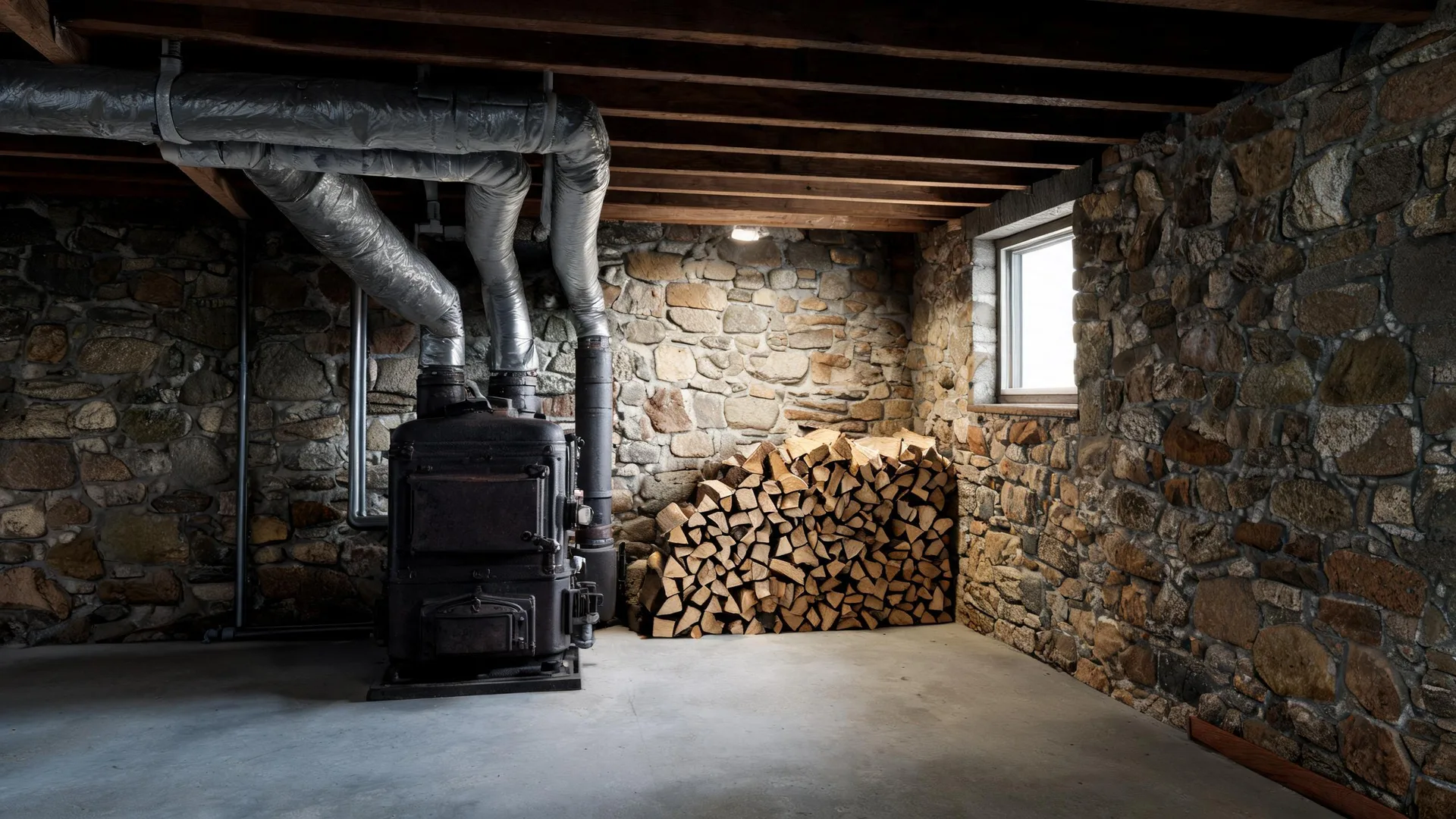
A gas furnace with attached ductwork, gas piping, and condensate lines installed in a concrete-block basement.

Nine months is a long time to run on a bad install

Nine months of run time a year means the install has to be right the first time. A furnace sized wrong or set up wrong doesn't just waste power, it wears against that wear from day one, and there's no slow season here to recover in. Get the sizing and the installation right and the furnace spends those nine months working the way it's supposed to. Get it wrong and every one of those months pushes it toward problems sooner than it should see them.

What the rating actually measures

The efficiency rating on a furnace tells you how much of the fuel or power it draws turns into heat for the house, and how much goes out the vent or gets lost in the cabinet. A furnace rated higher turns more of what it pulls into usable heat. It says nothing about how big a flame or how much heat output the furnace can produce. That's a separate number, and both matter when you're picking a unit.
Why the rating only pays off if the size is right

A high rating on a furnace that's too big for the house still wastes money, because an oversized furnace short-cycles, turning on and off before it settles into a steady burn, and it loses efficiency every time it starts up. A furnace rated lower but sized correctly for the house can end up running cheaper than a high-rated one that's the wrong size. The rating on the label is a starting point. What the contractor calculates for your house is what makes it real.

A furnace that's too big for the house heats it fast, shuts off, and starts again before the ductwork ever evens out. That's short cycling, and it's hard on every part that starts and stops with the burner. The igniter, the blower motor, the heat exchanger itself, all of them see more wear from constant starts than from just running steady. A furnace that's too small never gets ahead of the cold at all. It runs long stretches trying to catch up, and it still leaves rooms short. The right size isn't picked off a chart by square footage. A contractor works it out room by room, counting windows, insulation, ceiling height, the direction a house faces, and lands on the output the house actually needs, not more and not less.

Lincoln County falls in climate zone 5B, a cool zone where heating carries most of the work a furnace does all year. The 2021 energy code sets the minimum for a zone like this, and any furnace installed new here has to clear it. Furnaces built from November 2015 on already have to turn at least 80 percent of the fuel they burn into heat, and that floor rises to 95 percent for units built from December 2028 on. A system installed today still has to meet whatever's required the year it's built. Buying above the minimum now is worth asking about, since a more efficient furnace spends less of every heating season's worth of fuel going out the vent instead of into the house.