


Illuminated timber-and-stone luxury homes photographed at twilight with snow-capped mountains visible in the background.

Furnace Installation in Twin Falls, ID

Tell us about the job

Takes about a minute. No obligation.

New system or replacementFurnace or heatingTwin Falls County, ID
Step 1 of 2

What ZIP code is the job in?

Gas furnaces are the natural fit here. Utility gas heats 53.7% of homes in Twin Falls County, more than every other fuel combined. A furnace replacement usually means swapping into a gas line that's already run to the house. Electricity heats most of the rest, at 36.9%, and those homes generally run a heat pump or an electric furnace instead. If your home already has a gas furnace, replacing it with another gas furnace keeps the install simple. Same line, same vent path, nothing new to add. Worth checking which setup your house has before you start comparing systems.

9 months
September through May, your furnace is on duty
21°F
the average winter night it heats against
54%
of homes here heat with gas, so most furnaces here burn gas
80% AFUE
the federal minimum any new unit must meet
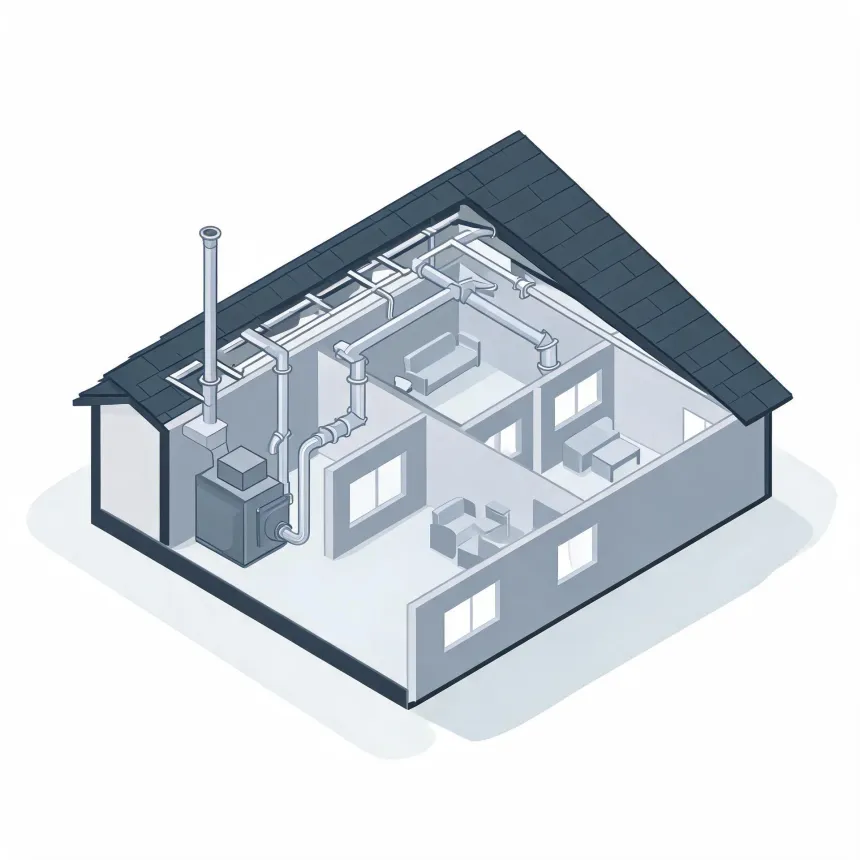
Isometric cutaway illustration of a single-story house showing interior rooms, a furnace unit with flue pipe, and branching ductwork running through the ceiling space under a dark shingled roof.
Your furnace works hardest from November through April.

NOAA nClimDiv, 1991–2020 normals

Heat goes on in September here and runs through May.

August is the month to put in a new furnace, before you need it running.

Gas costs $8.25 per million Btu here, so a furnace that fits the house matters more than one that claims the best efficiency rating.

Climate zone 5B
Heat runs September through May
Winter nights average 21°F
Nine months of workHeat runs September through May here, with overnight lows averaging 21°F in January.

Twin Falls County sits in zone 5B, a cool climate where the furnace carries more of the year's work than the air conditioner. Any new furnace installed here has to clear 80.0 percent AFUE, the federal floor for gas furnaces sold today. That's a minimum, not a target, and plenty of furnaces on the market clear it without being a high-efficiency model. The floor only moves higher for furnaces built after December 2028, so anything going in now just has to meet the current mark. Worth asking what AFUE rating you're actually being quoted, since it can land anywhere above the minimum.

Size it for nine months of work

Nine months of heat and January nights averaging 21°F mean your furnace carries most of the year's work here. Get the size right for your house, and weigh more than one system before you decide.

Find a contractor
A gas furnace with attached ductwork, gas piping, and condensate lines installed in a concrete-block basement.

What the furnace costs and what the job costs

The furnace itself is one line item. What changes the job is what the installer finds once the old one comes out. A straight swap, same spot, same vent, same gas line, is the easy case. It gets more involved when the ductwork has to change size or layout to match the new unit, or when the vent pipe has to be replaced to meet current venting rules instead of reusing what's there. Old steel duct running off an old furnace doesn't always match what a new high-efficiency unit needs. The other big factor is sizing. A furnace that's too big for the house short-cycles, turning on and off instead of running a steady stretch, and that wears out the heat exchanger early. Getting the size right means someone actually calculating the heat loss for your house, not just matching the old tonnage. That calculation, and whatever duct or venting work it turns up, is where one installation ends up costing more than another.

Sizing comes from a heat loss calculation

A furnace is sized by calculating how much heat a house loses through its walls, windows, ceiling and air leaks, room by room, not by matching whatever size is already there. The old furnace might have been wrong from the day it went in, or sized for a house that's since had windows or insulation changed. The calculation is the only way to know what size the new one should be.

Wrong size wears the furnace out early

A furnace too big for the house heats the space fast, shuts off, and starts again soon after, a pattern called short cycling. Each start puts more stress on the heat exchanger and the igniter than a long steady run would. A furnace too small runs constantly and still struggles to keep up on the coldest nights. Either way, the furnace wears against itself instead of settling into the steady runs it's built for.

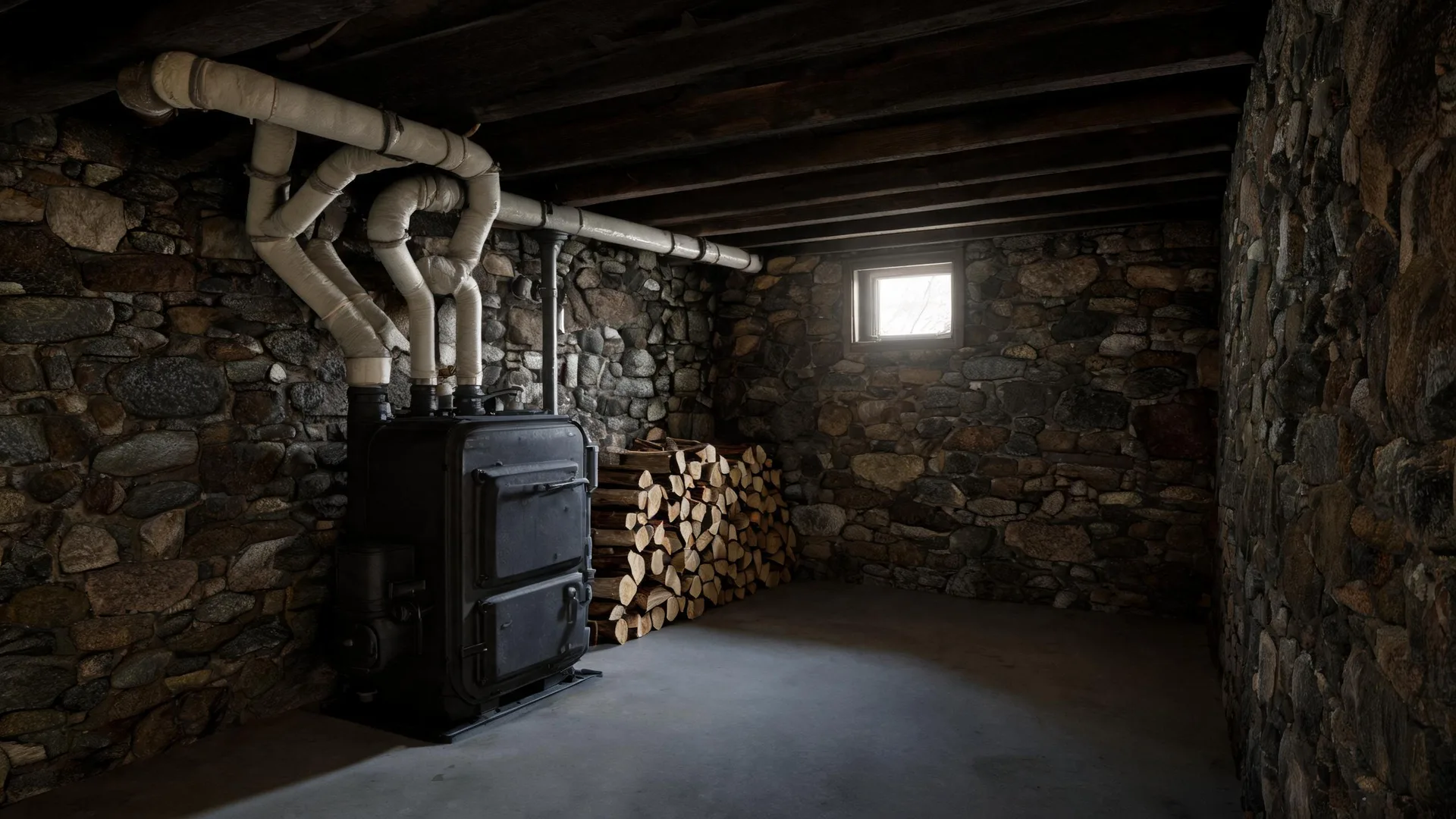
An unfinished basement featuring concrete block walls, exposed floor joists, a bare concrete floor, and a forced-air furnace with a large metal exhaust duct in the corner.

A high-efficiency gas furnace would save about $70 a year to run in Twin Falls County compared with a gas furnace.

  • A high-efficiency gas furnace$340 a year
  • A gas furnace$410 a year

Estimates for a typical Twin Falls County home, from EIA household energy data, Idaho fuel prices and NOAA climate normals. Your home will differ.

Installation day starts with the old furnace coming out, and that's when the real work gets decided. The installer checks the flue or vent pipe, the gas line, the return and supply ducts, and the electrical connection, since the new furnace has to tie into all of them. Setting the new unit and connecting the gas and vent usually goes quick. What takes the time is pressure testing the gas line, checking the vent pipe slopes and terminates the way it should, and confirming the duct connections are sealed tight. Once it's running, a tech checks the gas pressure, the temperature rise across the furnace, and the flame itself, since a furnace burning right looks a certain way and one that isn't needs adjusting before anyone leaves. A furnace installed and never checked on startup can run for years before a bad pressure setting or a weak flame shows up as a real problem.