Electric heat costs more to run here
Idaho homes paid $33.76 per million Btu of electricity in 2024. A furnace that wastes less of that energy as heat shows up directly on what you pay to run it, season after season.
Takes about a minute. No obligation.
Idaho homes paid $33.76 per million Btu of electricity in 2024. A furnace that wastes less of that energy as heat shows up directly on what you pay to run it, season after season.
When you're sizing up furnace options for Sandpoint, ask each contractor for the AFUE rating and run the numbers against your actual usage. The gap between a mid-efficiency unit and a high-efficiency one matters more where power costs what it does here.

NOAA nClimDiv, 1991–2020 normals
No single fuel dominates heating in Bonner County, electric leads at 35.8 percent, gas at 22.2 percent, propane at 11.6 percent.
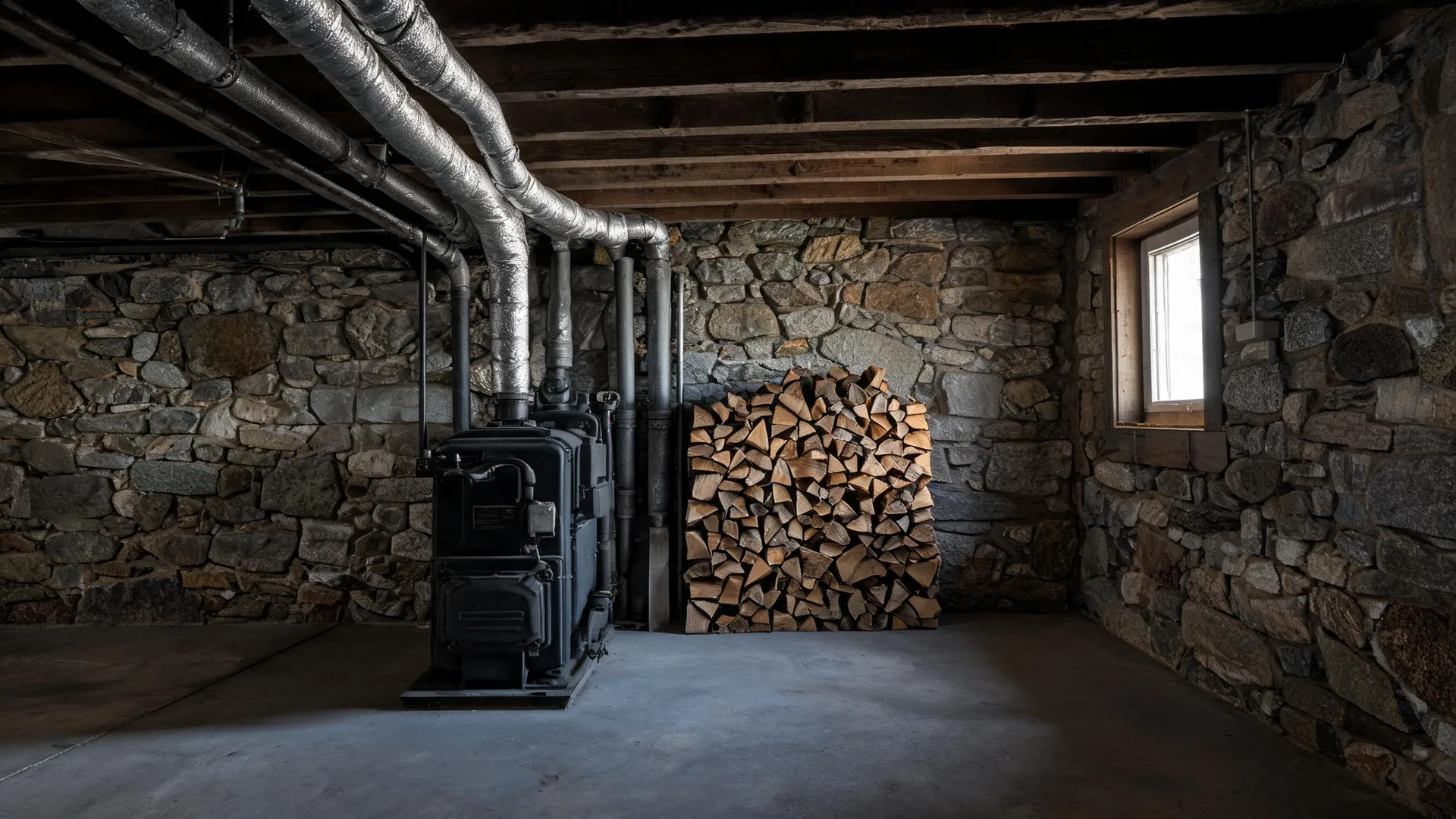
Whatever fuel your old furnace used, matching it keeps this installation simple.


Get the AFUE number in writing before you sign anything, not as a line buried in the quote. Two contractors bidding the same job might be pricing very different furnaces, and that difference won't show up unless you ask directly. Run the number against what you actually pay per month, not a rough guess. At $33.76 per million Btu, a few points of AFUE compound every month the furnace runs, and here that's most of the year. A contractor who brings up AFUE before you ask is telling you something about how they do business.
Power costs more here, so an efficient system pays you back on every bill.
Find a contractorHeat runs here from September through June. Overnight lows average 22°F through December, January and February, so the furnace isn't just running long, it's working against real cold while it does. Add in the winter storms, 338 of them logged in Bonner County over the last ten years, and this system has fewer easy months than most furnaces ever see. Size it for this place, not the brochure average.
A furnace sized off square footage alone can be wrong in either direction. A proper sizing looks at your insulation, your windows, your duct layout, room by room. If a contractor gives you a number without asking about any of that, they guessed.
A new furnace moves a different volume of air than the old one, and ducts built for one don't always suit the other. Undersized or leaky ducts will choke a new unit's output no matter how good the furnace itself is. Get this checked before the install, not after you notice weak airflow in the rooms farthest from the unit.
The old furnace usually gets disconnected and hauled out the same day the new one goes in. Gas gets capped at the line, the flue or vent connection gets sealed off or repurposed, and the electrical gets disconnected at the switch. None of that is optional work tacked on at the end, it has to happen for the new unit to be signed off. Most of what comes out is steel and copper, so it gets scrapped rather than landfilled. If the old unit still runs, some contractors will haul it away for parts or resale rather than scrap it, worth asking before they show up. Either way, a working job site doesn't leave the old equipment sitting in your garage waiting for someone to deal with it later.
Installation starts with pulling the old furnace and ends with a combustion test on the new one. Once the new unit is set in place, the installer runs gas or fuel line to it, connects the supply and return plenum, and wires it into the thermostat and electrical disconnect. Venting gets tied in next, sized and sloped the way that furnace needs it. A high-efficiency furnace vents differently than the one it's replacing, so this step isn't just hooking the new unit to the old pipe. Startup comes last. The installer checks gas pressure, confirms the flame looks right, and measures temperature rise across the heat exchanger to make sure it's firing within range. A good installer also checks static pressure in the ductwork, because a furnace that tests fine on its own can still struggle if the ducts choke its airflow. Expect the crew to walk you through the thermostat and filter location before they leave, not just hand you a manual.