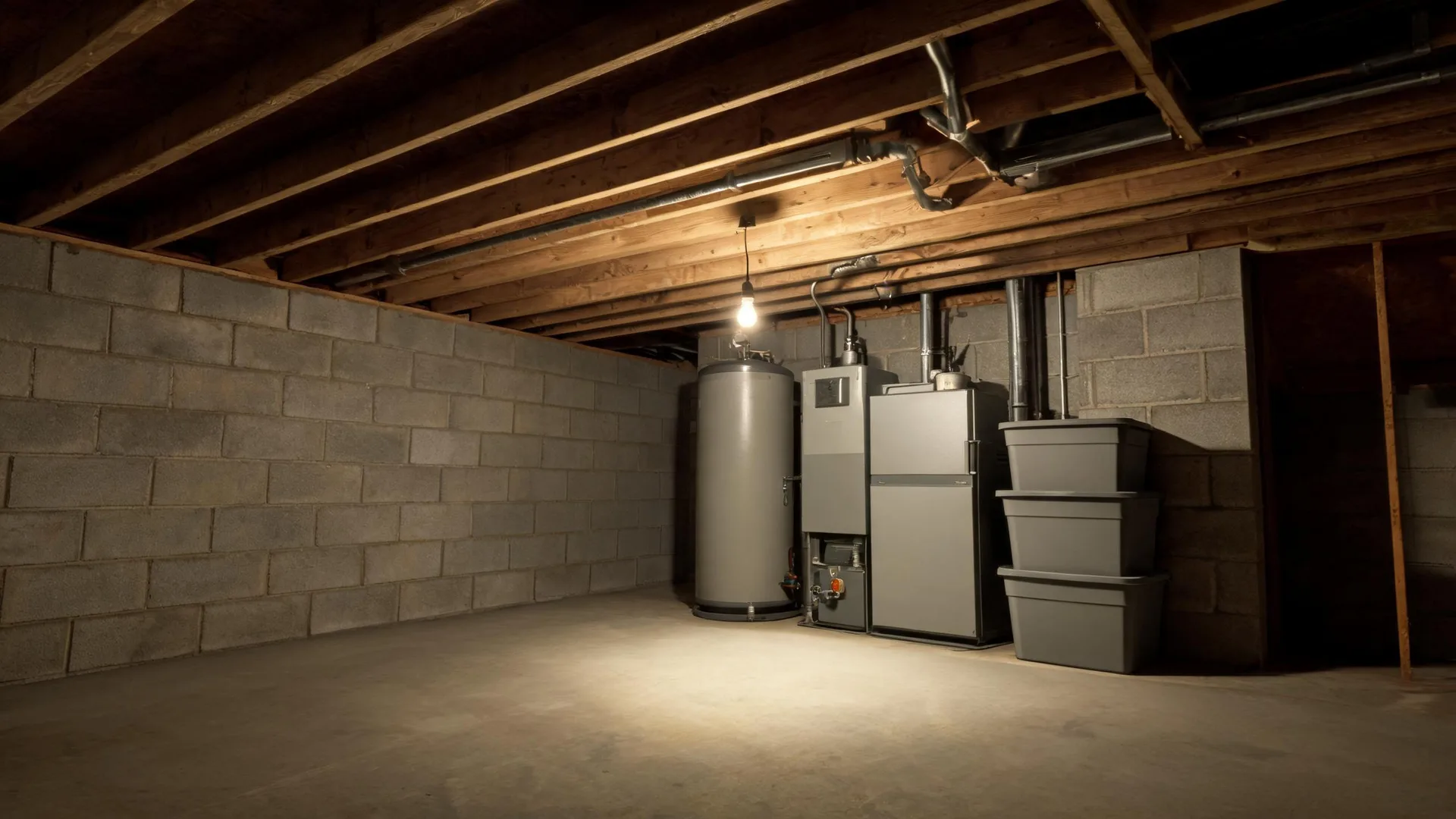
Gas is the common fuel here
Utility gas heats 38.8% of occupied homes in Boundary County, more than any other fuel. Electricity comes next at 25.4%. If your old furnace ran on gas, a gas line is already there for the new one.
Takes about a minute. No obligation.
Utility gas heats 38.8% of occupied homes in Boundary County, more than any other fuel. Electricity comes next at 25.4%. If your old furnace ran on gas, a gas line is already there for the new one.
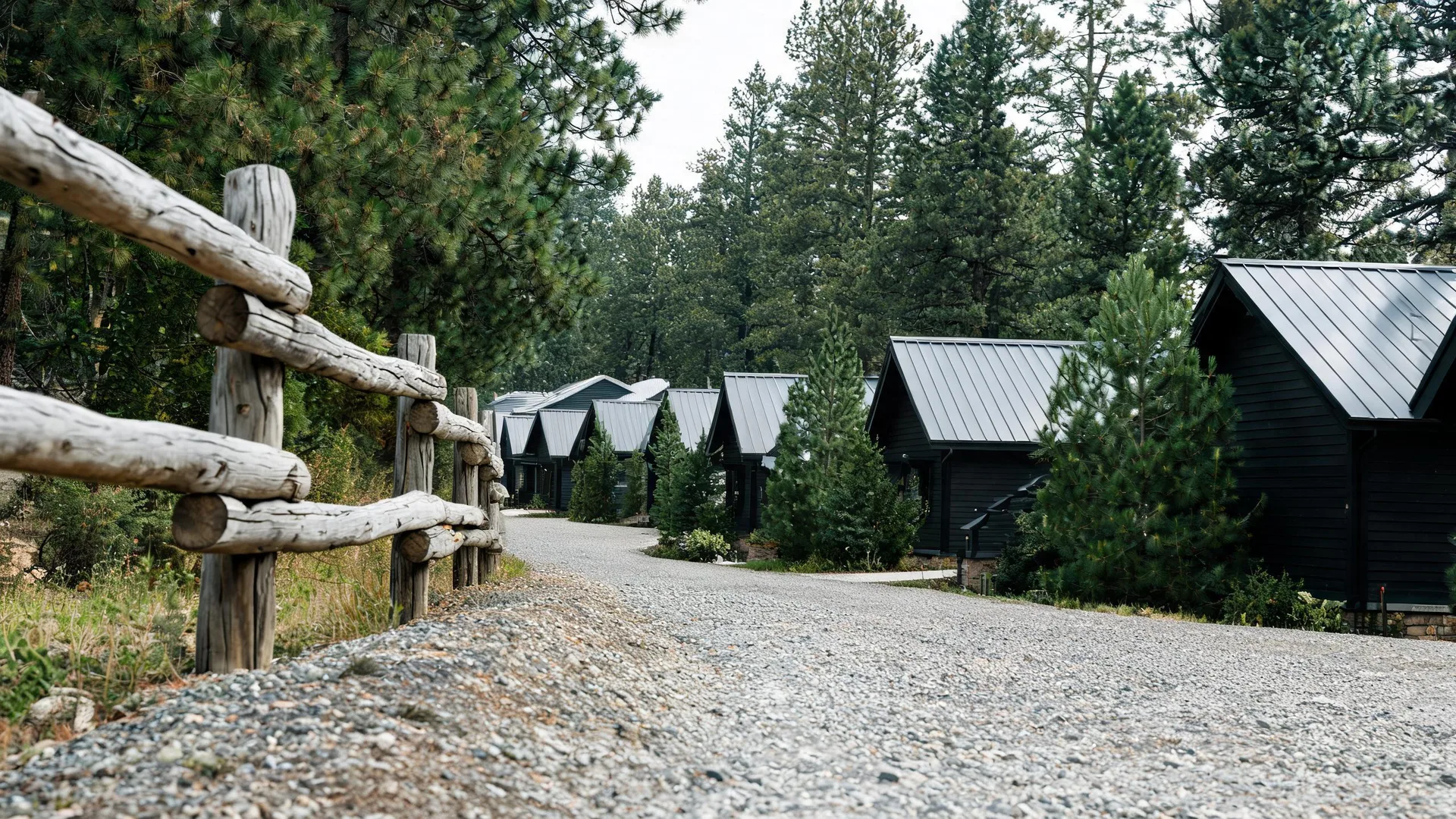
Replacing a gas furnace with another gas furnace means the gas line, the vent and the ductwork are already sized for the job. Switching fuels means asking a contractor to check whether that line, vent and ductwork still work for the new system.
NOAA nClimDiv, 1991–2020 normals
Furnaces in Bonners Ferry run from September through June, with winter lows averaging 20°F.
A new furnace here needs to hold up through ten months of work a year, not just a cold snap.


Winter storms, heavy snow, ice, blizzards, hit this county 338 times between 2015 and 2024. That's most winters, most weeks, not a once-a-year event. Add damaging wind on top of that and you've got a furnace that needs to keep running when the power flickers or the weather turns hard. None of that calls for a bigger unit or a higher-end one. A standard furnace, sized the way a contractor always sizes one, handles this fine. What matters more is that it's installed right and working before the cold sets in, not tested for the first time in the middle of a storm.
Gas here runs $8.25 per million Btu, in line with what it costs across Idaho. There's nothing about Bonners Ferry pushing you toward a bigger unit or a premium one. A standard furnace, sized right for your house, is what a contractor would put in anywhere in this state.
Find a contractorTen months a year is a lot of hours on the same igniter, blower motor and heat exchanger. Size the new furnace for your house, not the brand name on the box, and get the install done before September.
A furnace burns gas to make heat, and not all of it reaches the house. Some goes out the flue. The efficiency rating on the label is the share that actually makes it into the ductwork. A higher rating means less of what you pay for leaves through the vent.
A furnace built for higher efficiency pulls more heat out of its own exhaust, so that exhaust comes out cooler and often runs through PVC pipe instead of metal. That changes where the vent can go and what else has to be installed alongside the furnace. Comparing units means comparing the whole job, not just what's on the box.
Estimates for a typical Boundary County home, from EIA household energy data, Idaho fuel prices and NOAA climate normals. Your home will differ.
Installation day starts with the old furnace coming out, not the new one going in. The contractor disconnects the gas line, the vent and the ductwork, then checks each one before anything new goes in its place. If the new furnace has a different efficiency rating than the old one, the vent often changes too, sometimes from metal pipe to PVC, and that run has to reach outside through a wall or roof that may not already have an opening in the right spot. The ductwork gets checked against the new furnace's airflow, not just hooked back up as is. Once the furnace is set, the contractor fires it up, checks the flame, checks for gas leaks, and runs it through a full cycle before calling it done. None of that happens with the heat off longer than it takes to do the swap.