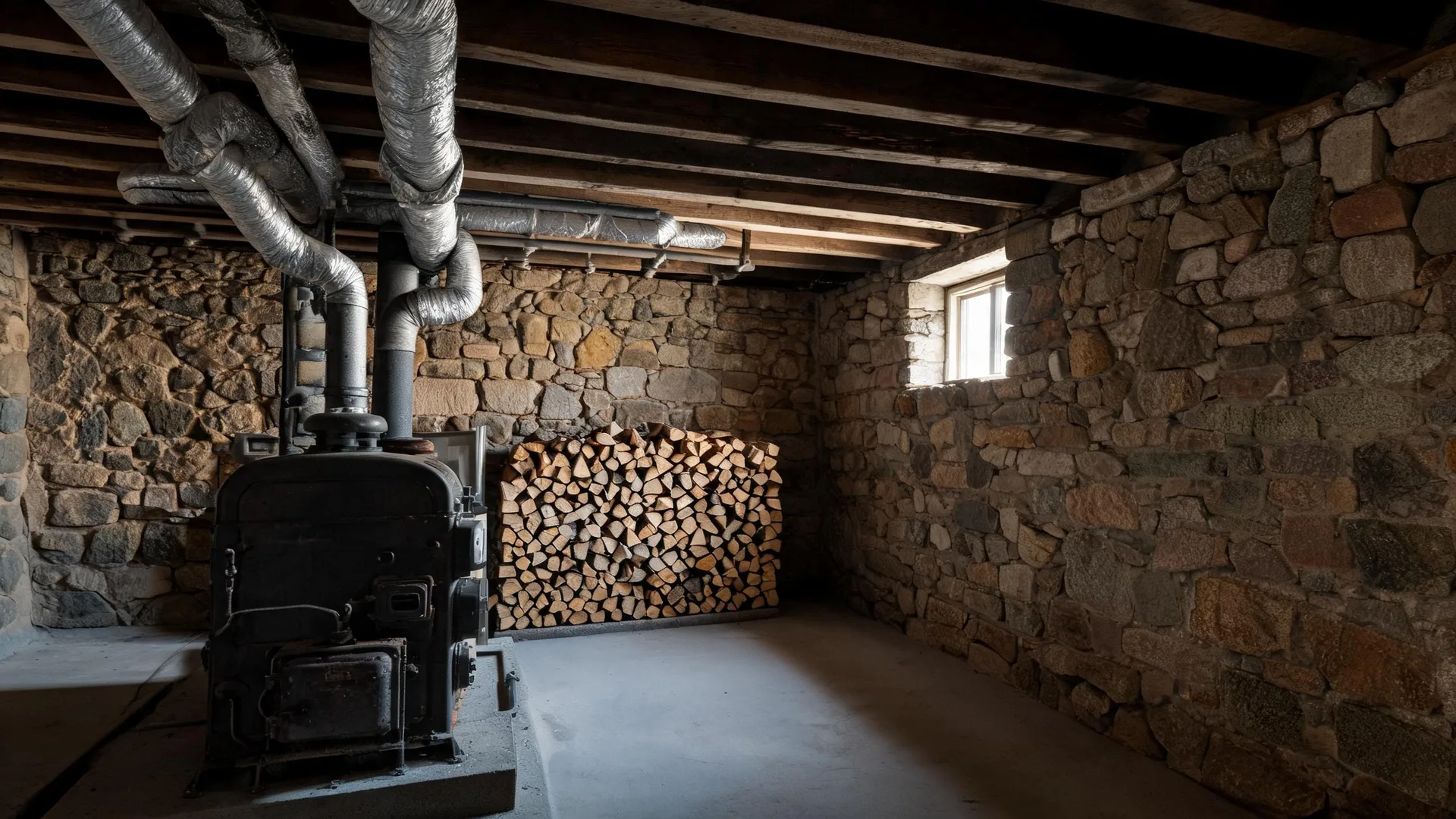
Gas here runs $8.25 per million Btu
That's the price Idaho homes paid for natural gas in 2024. Soda Springs winters put a furnace to work for months at a stretch, so that price gets charged against it again and again.
Takes about a minute. No obligation.
That's the price Idaho homes paid for natural gas in 2024. Soda Springs winters put a furnace to work for months at a stretch, so that price gets charged against it again and again.
A furnace that wastes gas burns that $8.25 less efficiently every single time it fires. The install you choose now is the number you'll live with on every winter bill after.

NOAA nClimDiv, 1991–2020 normals
Gas heats 61.8% of homes in Caribou County.
A gas furnace is the easiest install here because the gas line is usually already in place.

Caribou County sits in climate zone 6B, a cold zone with a long heating season. Any furnace installed here has to be built for that. Federal rules back this up on the manufacturing side: furnaces built from November 2015 on have to turn at least 80 percent of the gas they burn into heat, and starting December 2028 that minimum jumps to 95 percent for newly manufactured units. A 95 percent furnace wastes less gas doing the same job, and in a county that runs its furnace most of the year, that difference shows up on the bill long before the unit wears out.
At $8.25 per million Btu, the efficiency rating on the furnace you install matters more here than in a place that barely runs its heat. That's a choice made once, at installation. Get the sizing and setup right now and it's the number you live with on every bill after.
Find a contractorHalf the homes in Caribou County were built in 1972 or earlier. A furnace going into a house that age is going into ductwork and a layout someone else designed, decades back, for a different unit. Sizing matters more here than the model number. A furnace too big for the house cycles on and off instead of running steady, and that short-cycling wears on it faster than the long runs a cold winter already asks for. The contractor doing the install should size it to the house you have, not just swap in whatever matches the old one.
A contractor works out the right furnace size by figuring how much heat the house actually loses, room by room, through its walls, windows and ceilings. That calculation is what tells you the output a furnace needs, not the size of the unit being replaced and not a guess based on square footage alone.
A furnace too big for the house heats it fast, shuts off, then fires again a few minutes later. That short cycling keeps the heat exchanger and the igniter working through more start and stop cycles than a properly sized furnace ever sees. A furnace too small just runs long and still can't keep up on the coldest days. Either way the house ends up with uneven heat and a furnace working harder than it should.
Estimates for a typical Caribou County home, from EIA household energy data, Idaho fuel prices and NOAA climate normals. Your home will differ.
Installation day starts with the old furnace coming out, along with the venting and gas line connections tied to it. The contractor checks the gas line, the electrical connection and the ductwork before the new unit ever gets set in place, because any of those can need work to match the new furnace. Once it's set, the gas line gets connected, the venting gets run to code, and the ductwork ties in to the plenum. Then comes startup: checking gas pressure, checking the temperature rise across the heat exchanger, and confirming the blower is moving the right amount of air for the ductwork it's tied into. A furnace that's never had its airflow checked against the duct system can run hotter or cooler than it should for years without anyone knowing why. The last step is testing the safety controls, the limit switch and the flame sensor among them, before the contractor calls the job done.