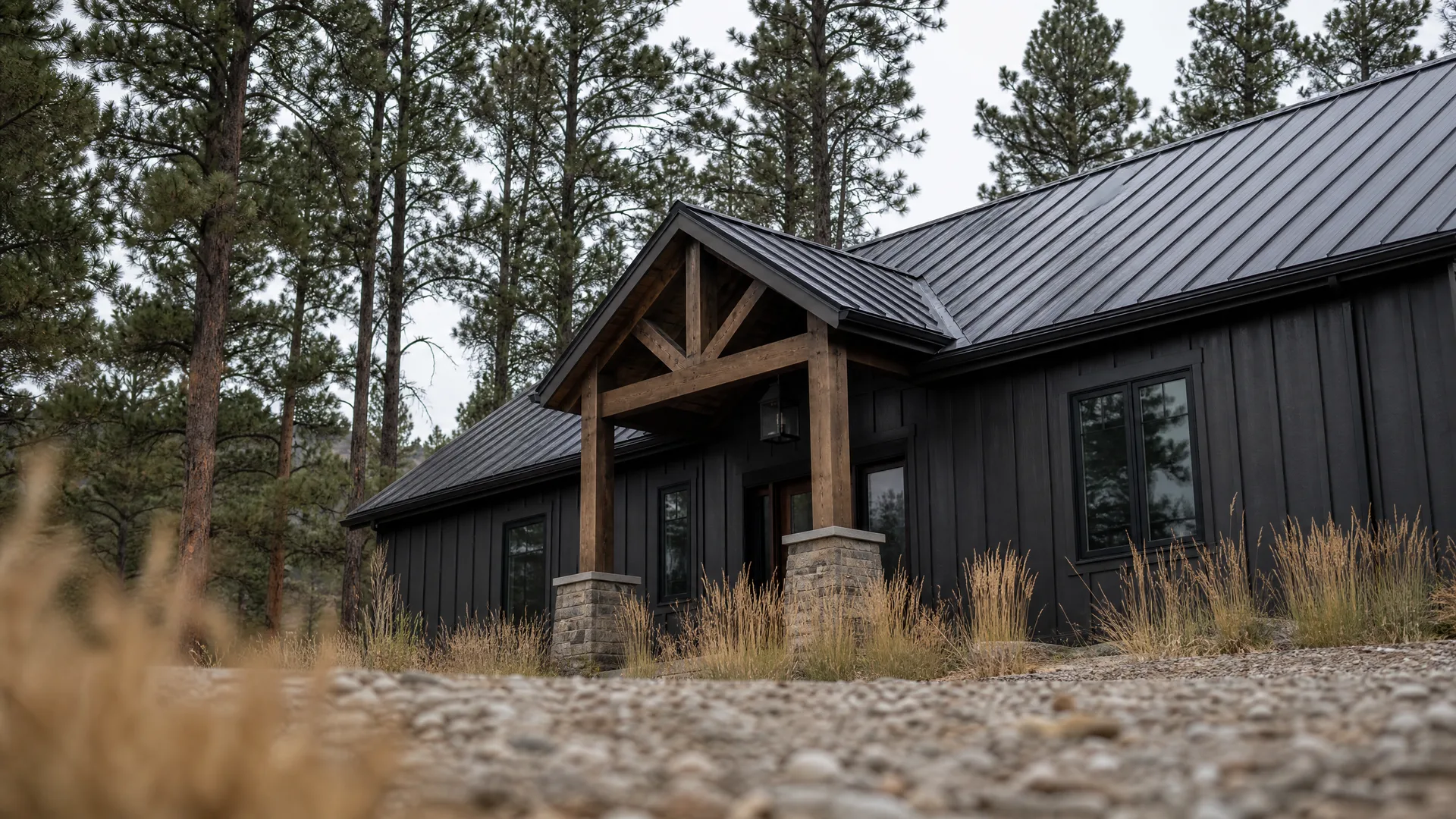
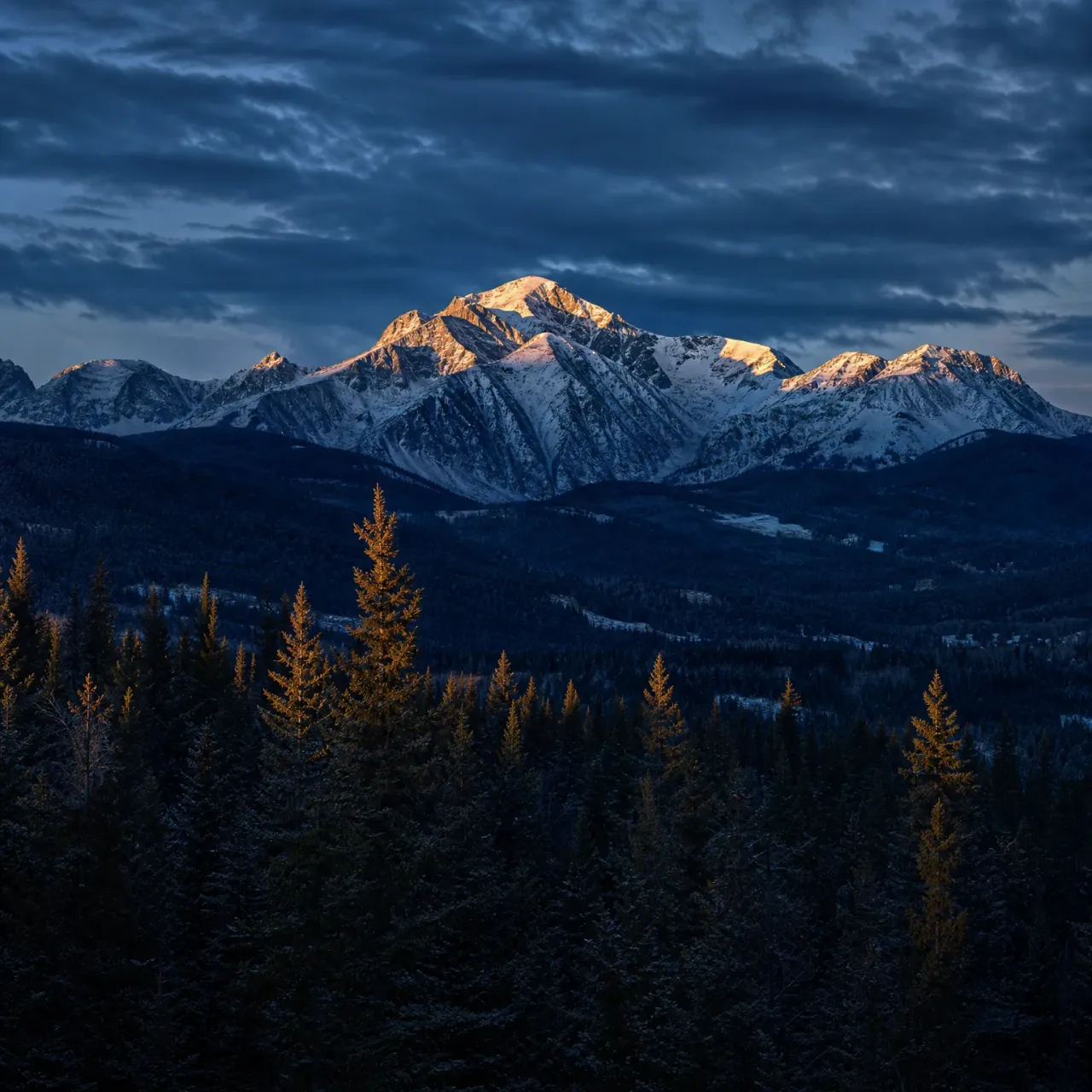

A single-story house with black vertical board-and-batten siding and a dark standing-seam metal roof, featuring a timber-framed entry porch on stone piers, photographed low from a gravel driveway with dry grasses in the foreground and pine trees behind.

Furnace Installation in Pocatello, ID

Tell us about the job

Takes about a minute. No obligation.

New system or replacementFurnace or heatingBannock County, ID
Step 1 of 2

What ZIP code is the job in?

Most homes in Bannock County heat with gas, close to six in ten. If your old furnace ran on gas, putting in another one is the straightforward choice. The gas line and venting are already there, and the contractor can size the new furnace to the house instead of reworking what feeds it. Electric furnaces and heat pumps are less common here but still worth asking about, especially if you are weighing one against the other. Either way, tell the installer what you have now and what you are considering, so they can tell you what changes and what does not.

10 months
September through June, your furnace is on duty
18°F
the average winter night it heats against
59%
of homes here heat with gas, so most furnaces here burn gas
80% AFUE
the federal minimum any new unit must meet
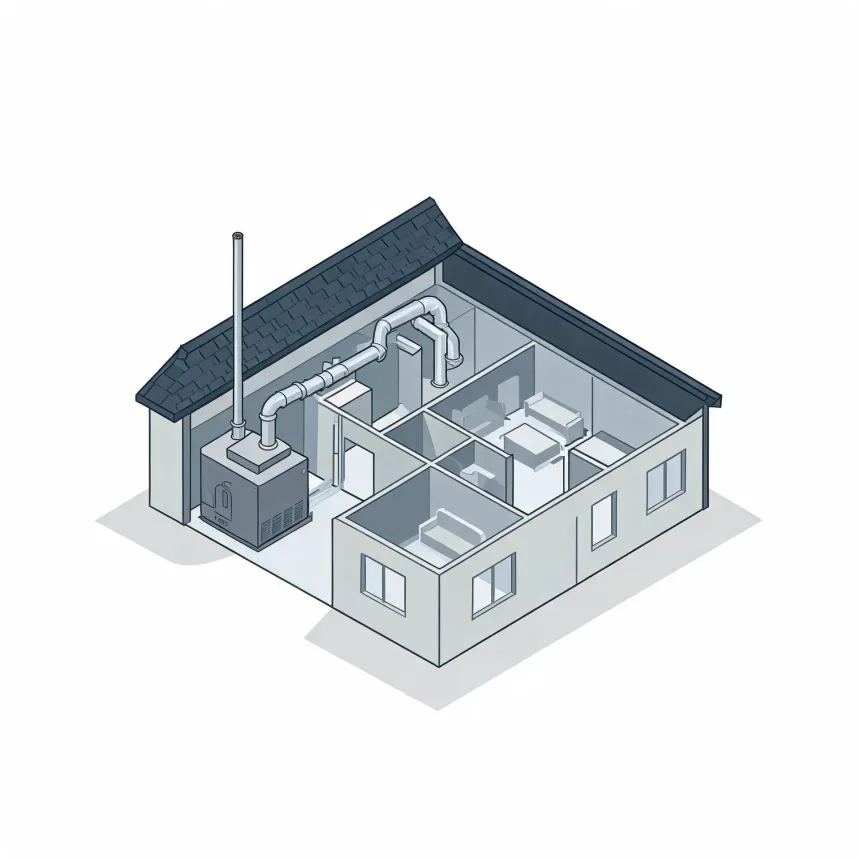
Isometric grayscale illustration of a cutaway single-story house showing interior rooms with furniture, plus an exterior furnace unit with a tall flue pipe and ducting running into the attic space.
Your furnace works hardest from November through April.

NOAA nClimDiv, 1991–2020 normals

Furnaces here run about ten months a year, and overnight lows average 18°F through December and January.

A new furnace has to be sized for what this winter actually demands, not just the square footage on a spec sheet.

A furnace built to the standard spec holds up fine in Bannock County

Half the homes here were built by 1976
Heat runs September through June
Winter nights average 18°F

The AFUE number on a furnace is the percentage of gas it turns into heat for the house. The rest goes out the flue as exhaust. A furnace with a higher AFUE pulls more heat out of the same flame before letting that air escape, so it burns less gas to hold the house at the same temperature. The trade-off usually comes down to the venting. Lower AFUE furnaces vent like a water heater, through a metal flue that relies on warm air rising. Higher AFUE furnaces run cool enough that they vent through PVC pipe out a sidewall, with a blower pushing the exhaust out. That difference changes where the furnace can sit and what the installer has to run to it, so it's worth asking which type fits the spot your old one came out of.

Pick the furnace that fits the house, not just the one with the highest AFUE

Gas in Idaho runs $8.25 per million Btu, cheaper than in most states. That changes the math on a high-efficiency furnace. The fuel savings add up slower, so they take longer to cover the jump in price. A furnace sized right for this house, with venting that matches the spot your old one came out of, will matter more than squeezing out another point of AFUE.

Find a contractor
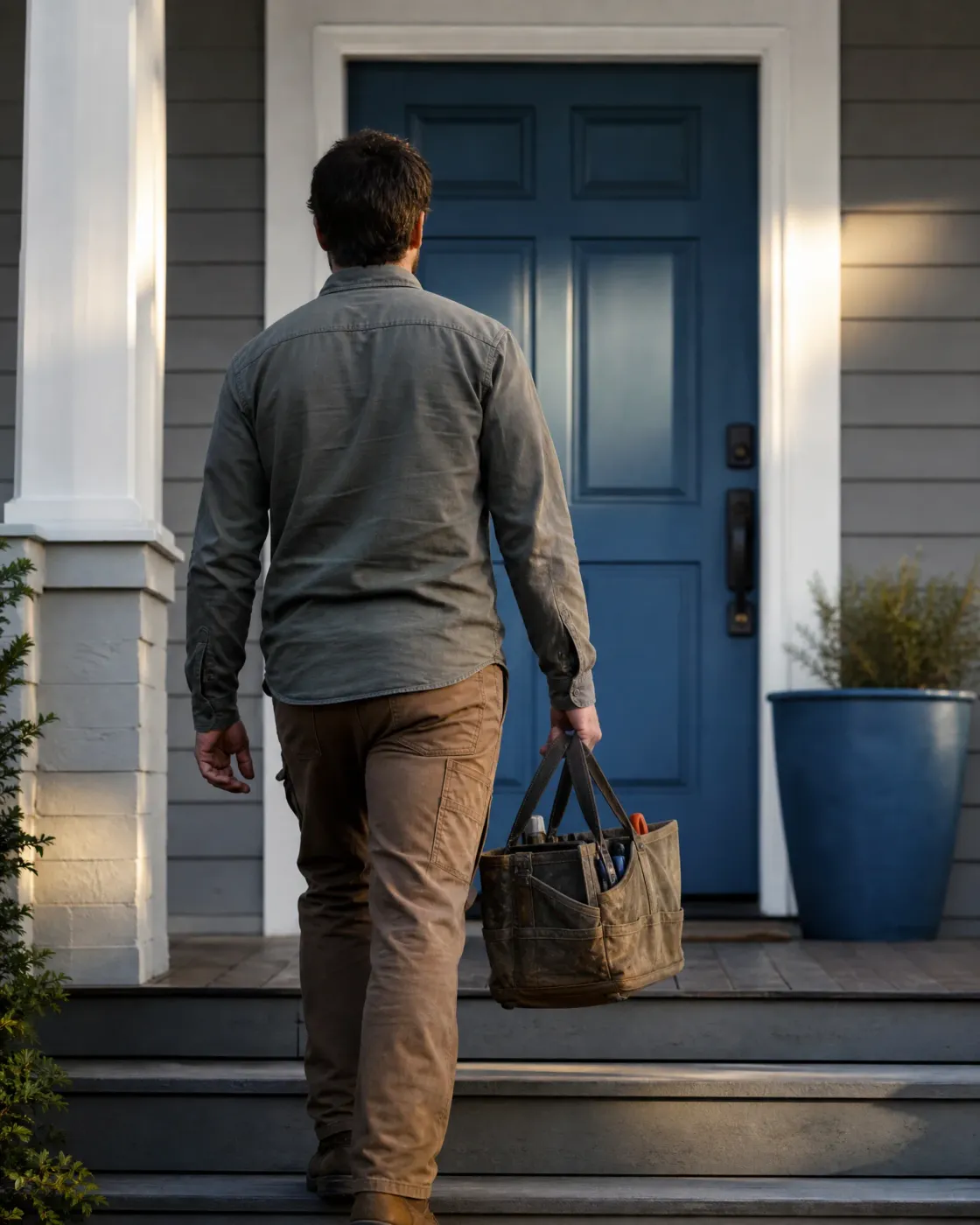
A man in a gray shirt and brown pants, seen from behind, carries a canvas tool bag up porch steps toward a blue front door beside a potted shrub.
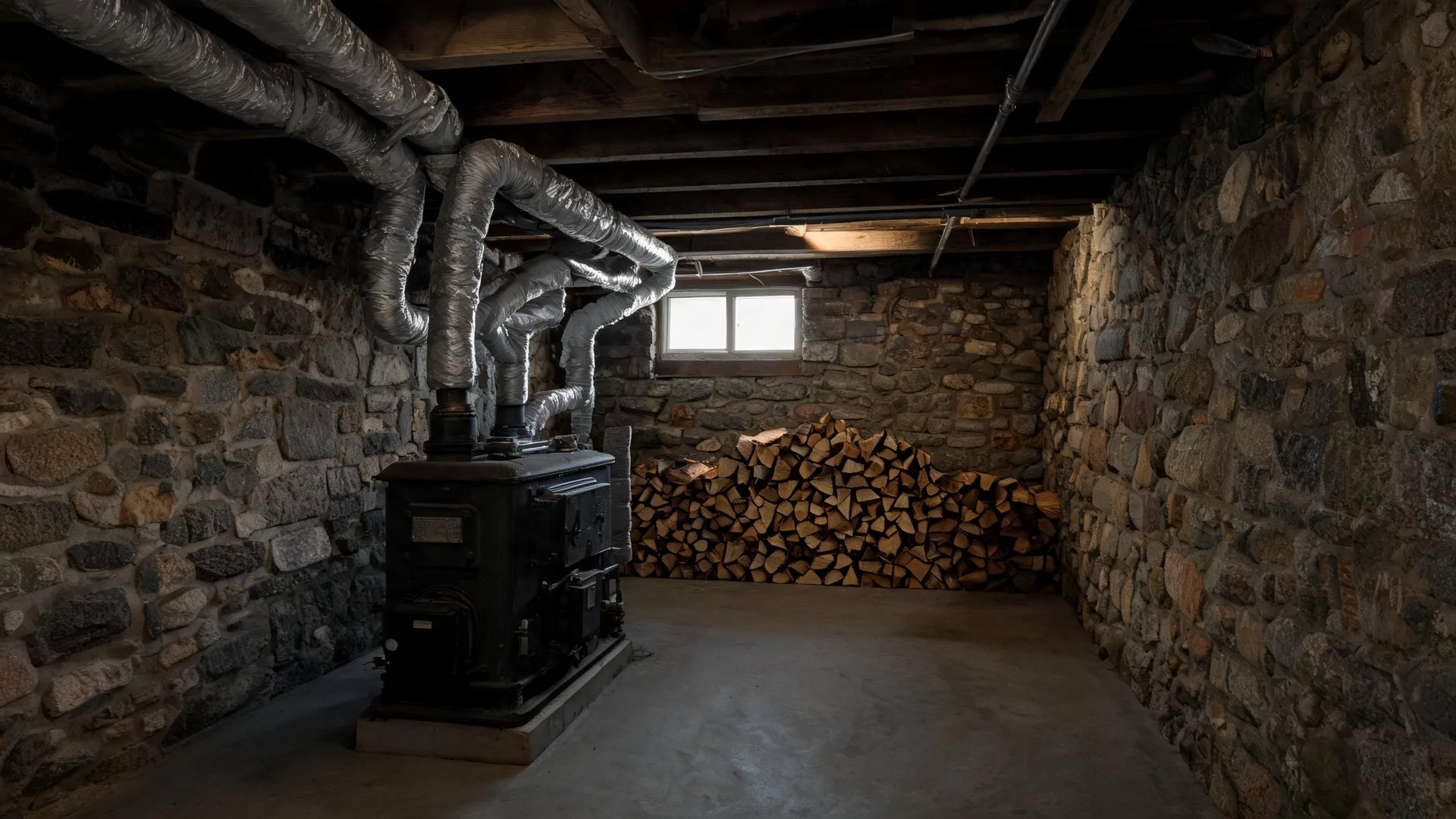
A gray residential gas furnace installed in an unfinished basement, connected to sheet-metal ductwork and PVC pipes.

August is the month to do this, before the furnace has to carry the house again

Heat runs here from September through June, about ten months of the year. August is what's left before that starts. Replace the furnace in August and the installer has time to size it to the house and order the right parts, instead of doing the job fast because the old one quit with the house already cold.

The old furnace gets disconnected and hauled out

The installer shuts off the gas line and disconnects the vent before anything new goes in. The old furnace, and sometimes the old ductwork collar or flue connector if it doesn't match the new one, goes out with it. A working furnace still has value for scrap, mostly the metal cabinet and the heat exchanger, so most installers take it with them rather than leave it for the homeowner to deal with.

Check what the old furnace is still connected to

If the old furnace shares a flue with the water heater, taking it out can change how that flue drafts. A furnace vents a lot more exhaust than a water heater does, and a flue sized for both may not draft right with just the water heater left on it. Ask the installer to look at this before the old furnace comes out, not after.

An empty unfinished basement containing a forced-air furnace with overhead ductwork, exposed ceiling joists, and a single hanging light bulb.

A high-efficiency gas furnace would save about $80 a year to run in Bannock County compared with a gas furnace.

  • A high-efficiency gas furnace$380 a year
  • A gas furnace$460 a year

Estimates for a typical Bannock County home, from EIA household energy data, Idaho fuel prices and NOAA climate normals. Your home will differ.

The old furnace comes out before the new one goes in, so the house sits without heat for a stretch while the work gets done. The installer runs new venting and a new gas connection sized to the furnace going in, rather than forcing it onto whatever the old one used. Ductwork gets tied into the new unit's supply and return, with transition pieces built on site since cabinets vary between models. Once it's set and connected, the installer fires it up and checks the flame, the gas pressure, and the temperature rise across the heat exchanger against the manufacturer's specs. Airflow gets checked too, since a furnace moving too little or too much air across the heat exchanger will wear out early no matter how well everything else was done. A good installer walks through the thermostat and answers questions before calling it finished, not just once the furnace is running.