A row of illuminated timber-frame and stone houses photographed at dusk, with evergreen trees and a mountain range in the background.

Furnace Installation in Horseshoe Bend, ID

Tell us about the job

Takes about a minute. No obligation.

New system or replacementFurnace or heatingBoise County, ID
Step 1 of 2

What ZIP code is the job in?

August is your window

Heat starts running in September here and stays on through June. That's ten months where a broken furnace is an emergency, not an inconvenience. Getting the new system in during August means picking the right unit and the right install instead of taking whatever can be put in fastest.
A rushed install still has to last ten months

A furnace put in mid-breakdown gets sized and set up fast, whatever the weather that day calls for. One put in during August gets sized for this house and tested before it has to run at all. With the furnace carrying the house from September through June, that difference is there every one of those months.

10 months
September through June, your furnace is on duty
18°F
the average winter night it heats against
80% AFUE
the federal minimum any new unit must meet
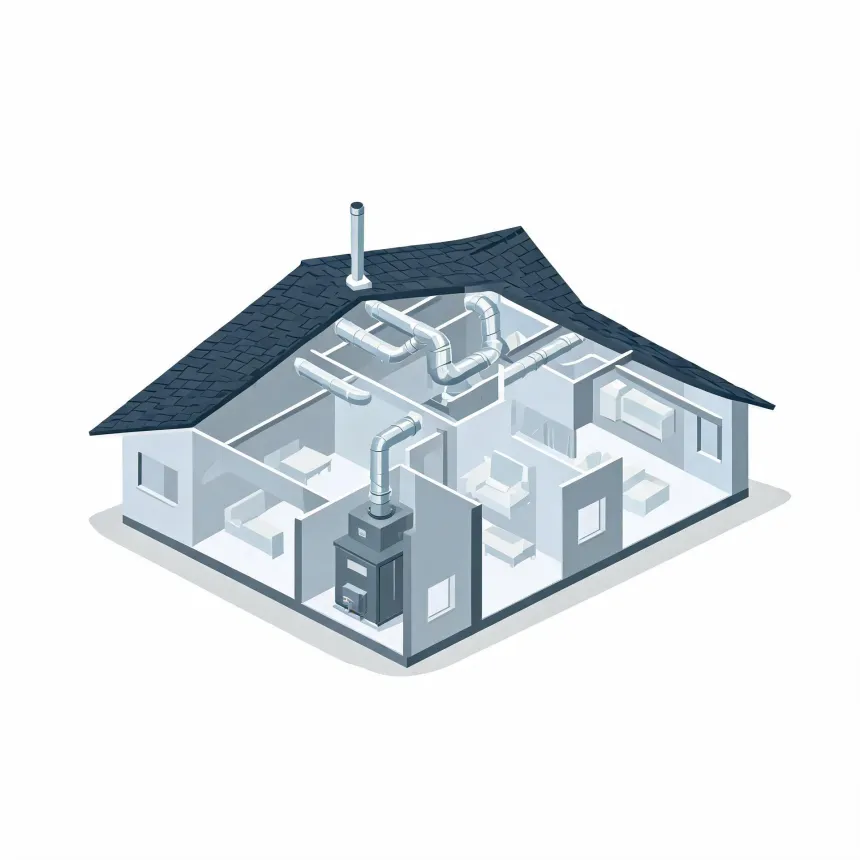
Isometric cutaway illustration of a single-story house showing interior rooms with furniture, a metal ductwork network, and a furnace unit connected to a vertical flue through the dark shingled roof.
Your furnace works hardest from October through April.

NOAA nClimDiv, 1991–2020 normals

Furnaces with the same output can still burn different amounts of gas to make it.

Ask for the AFUE rating on every unit being quoted, not just the price.

Ten months of heat a year means this furnace doesn't get an off season

Heat runs September through June
Winter nights average 18°F
42 winter storms from 2015 to 2024
A furnace sized for 18 belowBoise County averages 18°F overnight in December, January and February.

Horseshoe Bend sits in climate zone 6B, cold with a long winter, which is why the code here sets a higher bar than it does in milder parts of the country. Any non-weatherized gas furnace built from November 2015 on has to hit at least 80 percent AFUE to go into a house here. That's the floor, not a target, so a furnace quoted at the minimum is doing the least the law allows. The floor itself is set to rise well above that in a few years, which tells you efficiency here is headed one direction. Ask what AFUE the unit you're quoted actually hits. Plenty run higher than the minimum, and that's the number that shows up in what the furnace burns to heat this house.

Replace it before the season

Replace it before the season starts, so it happens on your schedule, not in a hurry.

Find a contractor
A man in a cap, dark shirt and tan work pants, seen from behind, carries a canvas tool bag up steps toward a blue front door beside a potted shrub.
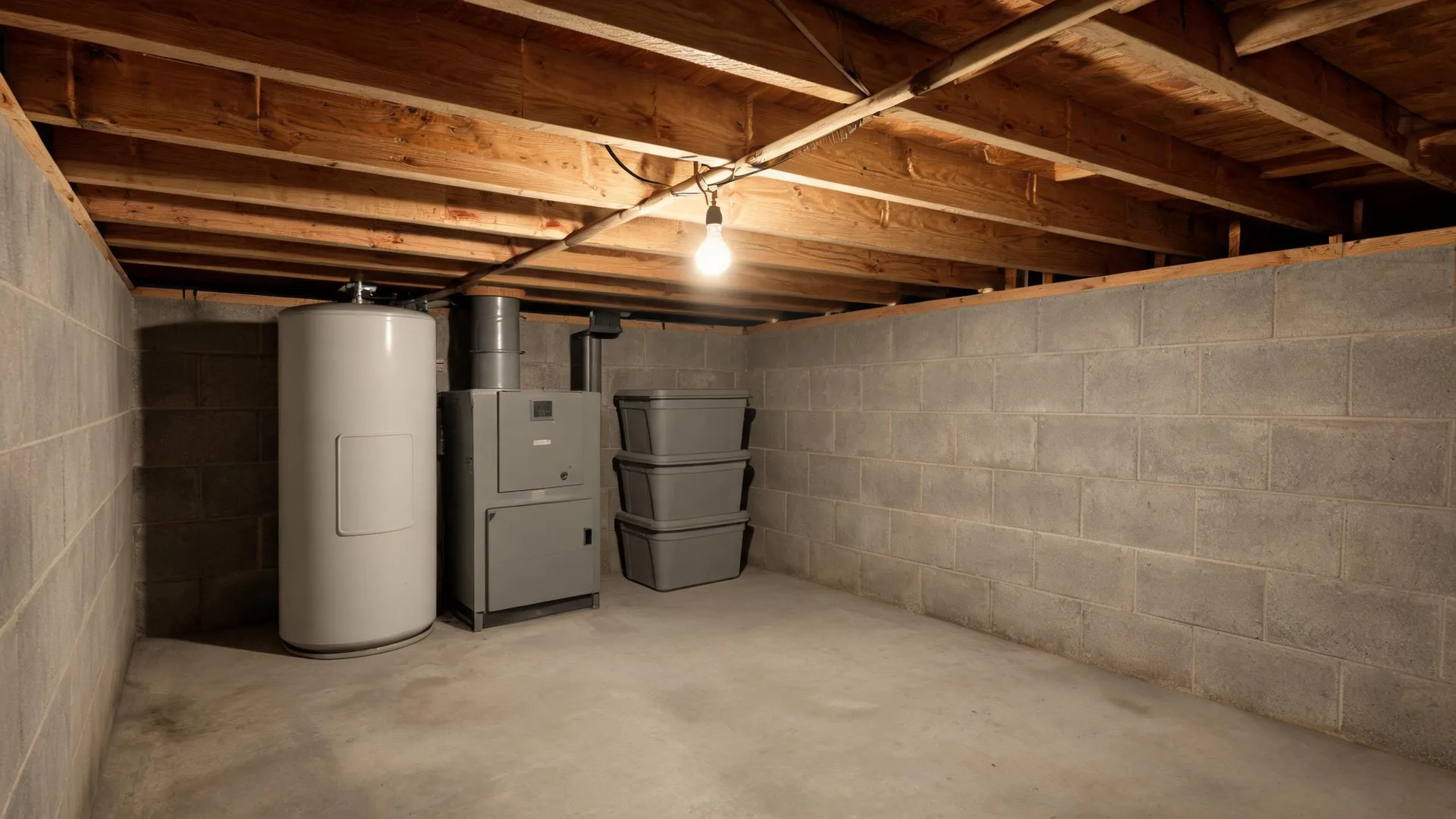
A gray gas furnace with attached ductwork and piping installed in an unfinished concrete basement.

The right size is calculated, not guessed

A furnace that's too big for the house short cycles. It heats the air fast, hits the thermostat setting, and shuts off before it's pulled a full cycle of air through the ductwork. Then it fires again a few minutes later. That on-off-on puts more wear on the igniter and the blower motor than steady running does, and rooms end up with uneven heat because the system never runs long enough to push air evenly through the house. A furnace that's too small just runs and runs on the coldest days, trying to catch up, and never does.

Sizing a furnace right means working out how much heat the house loses through its walls, windows and roof on the coldest day the area sees. That's a room by room calculation. It isn't a guess based on square footage, and it isn't a straight swap for whatever unit is being pulled out. A contractor doing it properly measures the house, checks the insulation and the window types, and runs those numbers before quoting a size.

AFUE is only the furnace's share

The rating on the label says how much of the gas burned turns into heat in the house versus what goes out the flue. It says nothing about duct leaks, a thermostat set wrong, or a filter clogged with dust. A high AFUE unit tied to leaky ducts still loses heat before it reaches the rooms.

The rating doesn't move once it's installed

AFUE is measured under set conditions in a lab, not in your house. Once the furnace is in, how well it actually performs depends on the install, the duct sizing, and the airflow across the coil, things a rating on a sticker can't account for.

The old furnace doesn't get reused once it's out. A tech disconnects the gas line and the vent, breaks it down enough to carry out, and that's the end of it. Removal matters more than it sounds like. A flue sized for the old furnace's exhaust is often wrong for the new one, since different units push different volumes of combustion gas, and reusing the old venting without checking it can trap exhaust that should be leaving the house. Same with the gas line and the electrical hookup. A contractor doing this right checks whether the venting, the gas supply and the wiring already there actually match what the new furnace needs, instead of just setting the new unit where the old one sat. The breaker gets labeled, the gas connection gets pressure tested, and the vent gets checked for the right pitch and length before anything is called finished.

Install day starts with the old furnace already disconnected, so the first work on site is usually venting and gas line checks before the new unit ever comes off the dolly. The furnace gets set in place, and the ductwork connects to the plenum on top, sealed so air isn't leaking out at the seams before it reaches a single room. Gas line gets hooked up and pressure tested. Electrical gets wired in and the control board gets set to match the furnace to the thermostat. Then it runs. A tech checks the temperature rise across the heat exchanger, makes sure the flame sensor and igniter are firing clean, and watches the blower settle into steady operation before calling it done. None of that works as a walkthrough with the furnace sitting cold. It has to run to prove it's set up right.