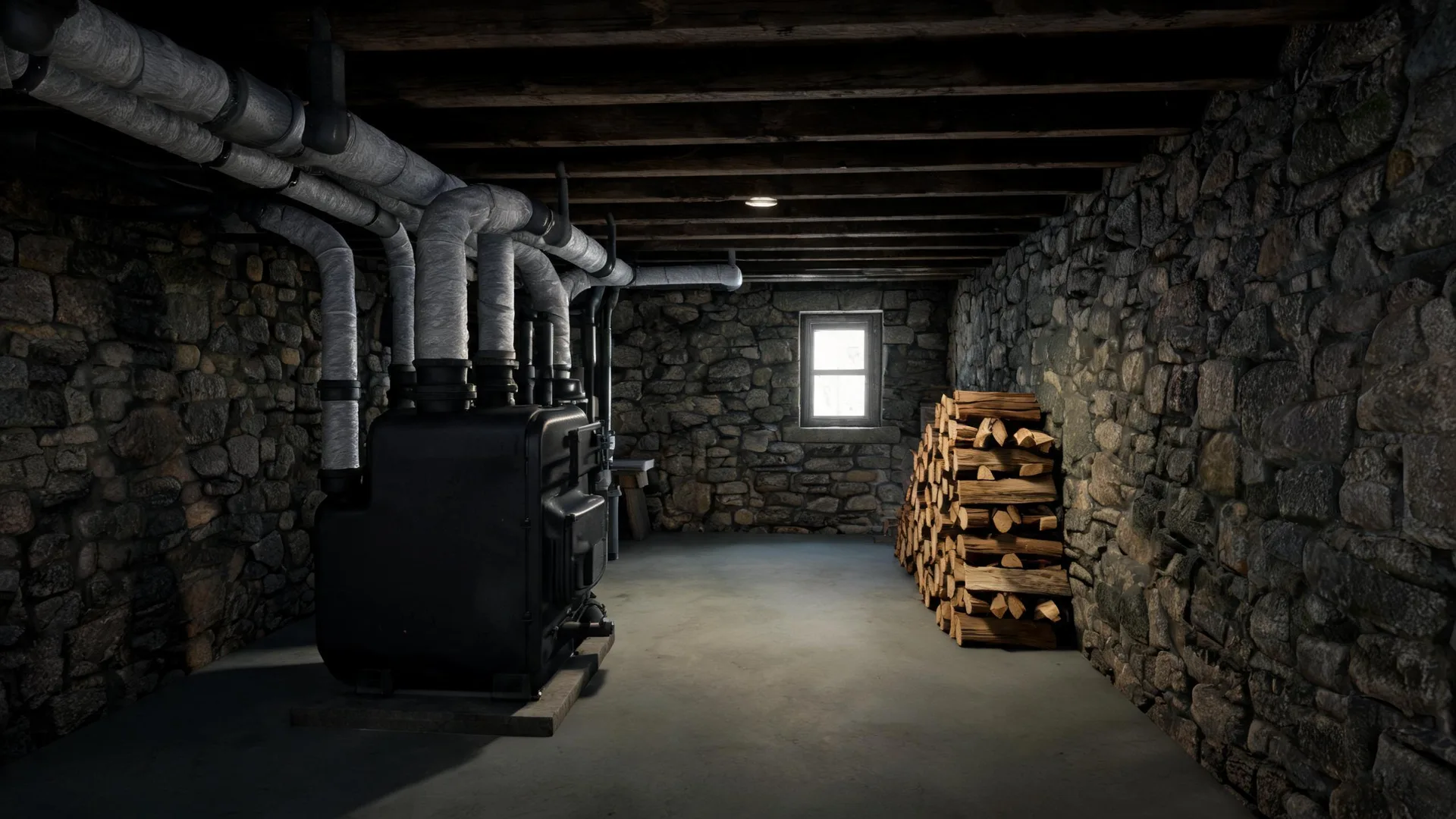
Electricity here runs $33.76 per million Btu
Idaho's electricity cost homes $33.76 per million Btu in 2024. Most furnaces around Moscow run on electricity, so that rate is what drives the furnace's cost every time it fires.
Takes about a minute. No obligation.
Idaho's electricity cost homes $33.76 per million Btu in 2024. Most furnaces around Moscow run on electricity, so that rate is what drives the furnace's cost every time it fires.
Two furnaces pulling the same electricity at that price can still cost different amounts to run, depending on how much of what they draw turns into heat in the house. The furnace going into this home will run on that rate for years, not just this winter.
NOAA nClimDiv, 1991–2020 normals
Furnaces around Moscow run from September through June.
Ten months of firing a year wears a furnace faster than it wears one almost anywhere else.




Heat starts in September here, which makes August the month to get this done. Wait until the first cold snap and you're choosing from whatever unit's in stock, on whatever day a contractor can fit you in. Plan it for August and you get the sizing right, the install scheduled when it works for you, and the furnace broken in before it has to run every day. That matters more here than most places, since this one will fire from September clear through June.
The furnace going in now will run on $33.76 per million Btu for as long as it's in the house. That's set. What isn't set is how much of that you pay for and how much turns into heat in the rooms. Get the sizing and the install right and the difference shows up on every bill from the first one on.
Find a contractor
Ten months of firing a year means more hours on the igniter, more cycles on the blower motor, more chances for a part to wear out before you expect it to. That's the case for sizing this furnace to the house instead of matching whatever's leaving. A unit that's too big short-cycles, switching on and off instead of running a steady stretch, and that short-cycling is its own kind of wear. A unit that's too small just runs longer to keep up, which on a ten-month schedule adds up fast. Get a load calculation done on this house rather than going by the square footage of the last one.
A furnace install usually keeps the old unit running up to the swap itself, so the house isn't without heat during the work. The new furnace gets set, the gas or electric and duct connections get made to it, and only then does the old one get disconnected and hauled out. Most of a day's work happens before the house changes over to the new system.
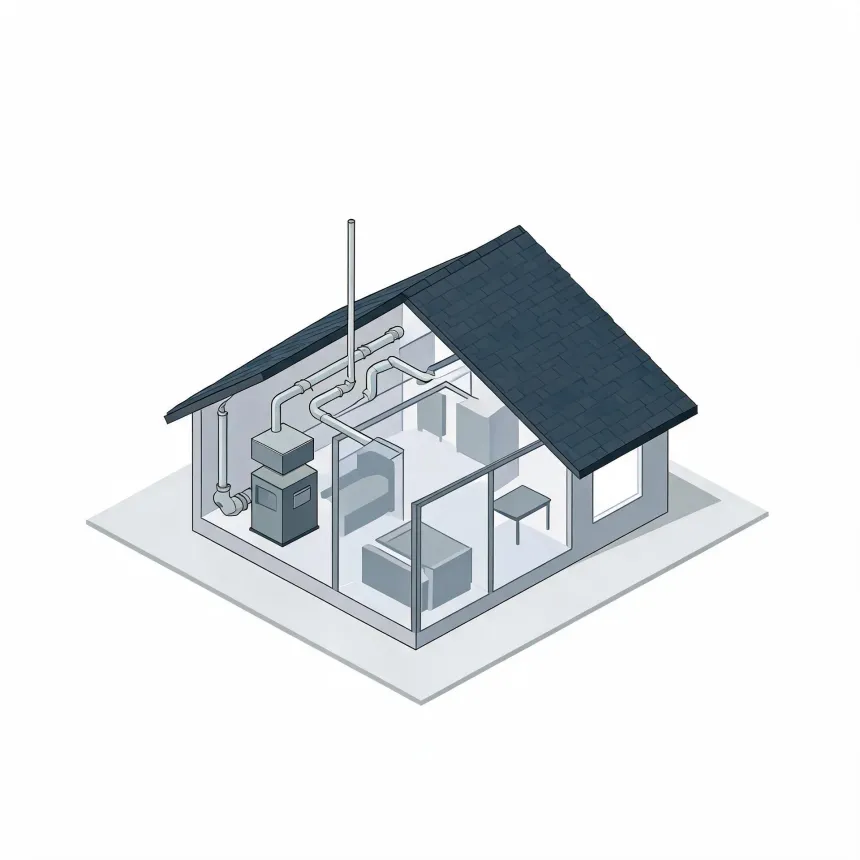
Pulling a furnace means pulling its venting and its connections too, not just the box. Old duct connections, transition pieces, and sometimes the flue get swapped or resealed to match the new unit, since a furnace sized and built differently than the one it replaces doesn't always connect the same way. A contractor who leaves the old ductwork and fittings untouched is skipping a step that affects how the new furnace performs from day one.
Two furnaces can carry the same efficiency rating and still perform differently in a given house, so ask how each one was sized for this one, not the last one. Ask what the blower motor is, since a variable-speed motor holds a steadier temperature and tends to use less power than a single-speed one running flat out. Ask about the ignition system too. A hot surface igniter does the job but wears with every cycle, and some units now use other ignition methods that put less stress on that part over the unit's life. Ask what stages of heat it runs. A single-stage furnace is either on at full fire or off, while a two-stage or modulating unit can run a lower flame most of the time and save full output for the coldest stretches. Ask what the warranty actually covers, parts or labor or both, and whether it holds up if someone other than the installer services it later.
Latah County falls under zone 5B in the 2021 energy code, a cool zone where the heating load is what the rule book cares about. Any furnace going into this house has to meet the federal minimum for that: 80.0 percent efficiency if it was built before December 18, 2028. Furnaces built on or after that date have to hit 95.0 percent. That floor narrows what a contractor can offer you, and it's worth asking which side of that line a unit falls on before you buy it. A federal tax credit is also available for qualifying high-efficiency furnaces, which can offset some of the cost of going above the minimum.