






An unfinished basement interior showing a gray furnace unit beneath a bare incandescent bulb, surrounded by exposed joists, concrete walls, cardboard boxes, and utility pipes.

Furnace Installation in Emmett, ID

Tell us about the job

Takes about a minute. No obligation.

New system or replacementFurnace or heatingGem County, ID
Step 1 of 2

What ZIP code is the job in?

Electricity in Idaho cost $33.76 per million Btu in 2024, and that is what a furnace runs on here. A furnace that loses heat up the flue or through a cracked heat exchanger is burning that same costly electricity to do it. A furnace built for higher efficiency turns more of what you pay for into heat in your house instead of heat lost before it gets there. That difference shows up on every bill, all winter, not just the first one.

8 months
October through May, your furnace is on duty
23°F
the average winter night it heats against
80% AFUE
the federal minimum any new unit must meet
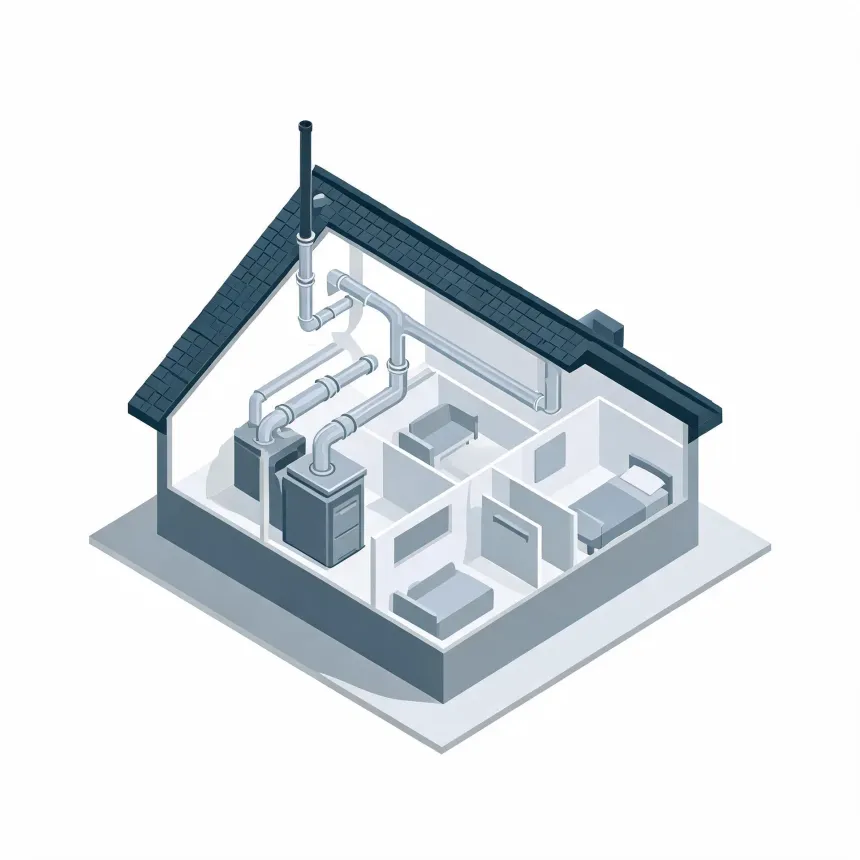
Isometric illustration of a cutaway house showing a furnace unit with ductwork and a flue pipe running through the interior rooms, which contain simple furniture.
Your furnace works hardest from November through March.

NOAA nClimDiv, 1991–2020 normals

Furnaces in Gem County start running in October.

Replace it in September and the new system breaks in on mild days, not the first cold snap.

Most homes in Gem County heat with electricity

46.5% of homes heat with electricity
Heat runs October through May
Winter nights average 23°F
Eight months of winterGem County furnaces run October through May, with overnight lows averaging 23°F in January.

That rating on the furnace label tells you how much of the fuel it burns turns into heat in your house, and how much goes up the flue. A furnace with a higher rating keeps more of that heat for you. The rest is lost no matter what you do. An old furnace loses more of it than a new one, which is most of the reason a new one costs less to run even before anything else changes. The rating does not tell you how big a furnace you need, only how well it uses what it burns. A contractor sizing your system still has to work that out separately, based on the house itself, not the label.

Pick the furnace that wastes less of what you pay for

At $33.76 per million Btu, every point of efficiency you install is a point you're not burning off before it heats the house. Get a few contractors out to size the new furnace for your place and quote its efficiency rating. That's what decides what this furnace costs you to run, for as long as you own it.

Find a contractor
A man in a dark shirt and tan work pants, seen from behind, carries a canvas tool bag up wooden steps toward a blue front door of a gray clapboard house, with a shrub in a blue planter beside the door.
A gas furnace with attached ductwork, gas piping, and condensate lines installed in a concrete-block basement.

This furnace earns its keep, so size it for the job

Eight months of run time and January nights averaging 23°F put real hours on a furnace here, more than most places see. That load falls on whatever size unit gets installed. Too big and it short-cycles, wearing the ignition system and the blower motor long before they should quit. Too small and it runs flat out all winter trying to keep up, which wears it just as fast from the other direction. A contractor sizing your system needs to work out the load for your house specifically, not just swap in whatever size is already there. Get more than one contractor to do that math before you pick a unit.

The old furnace gets disconnected, not just unplugged

A gas furnace has a gas line, a vent connection and a return air connection, and the installer has to disconnect and cap each one properly before the unit comes out. Skipping that step leaves a gas line open or a flue disconnected, so the old unit needs to come out clean before the new one goes in.
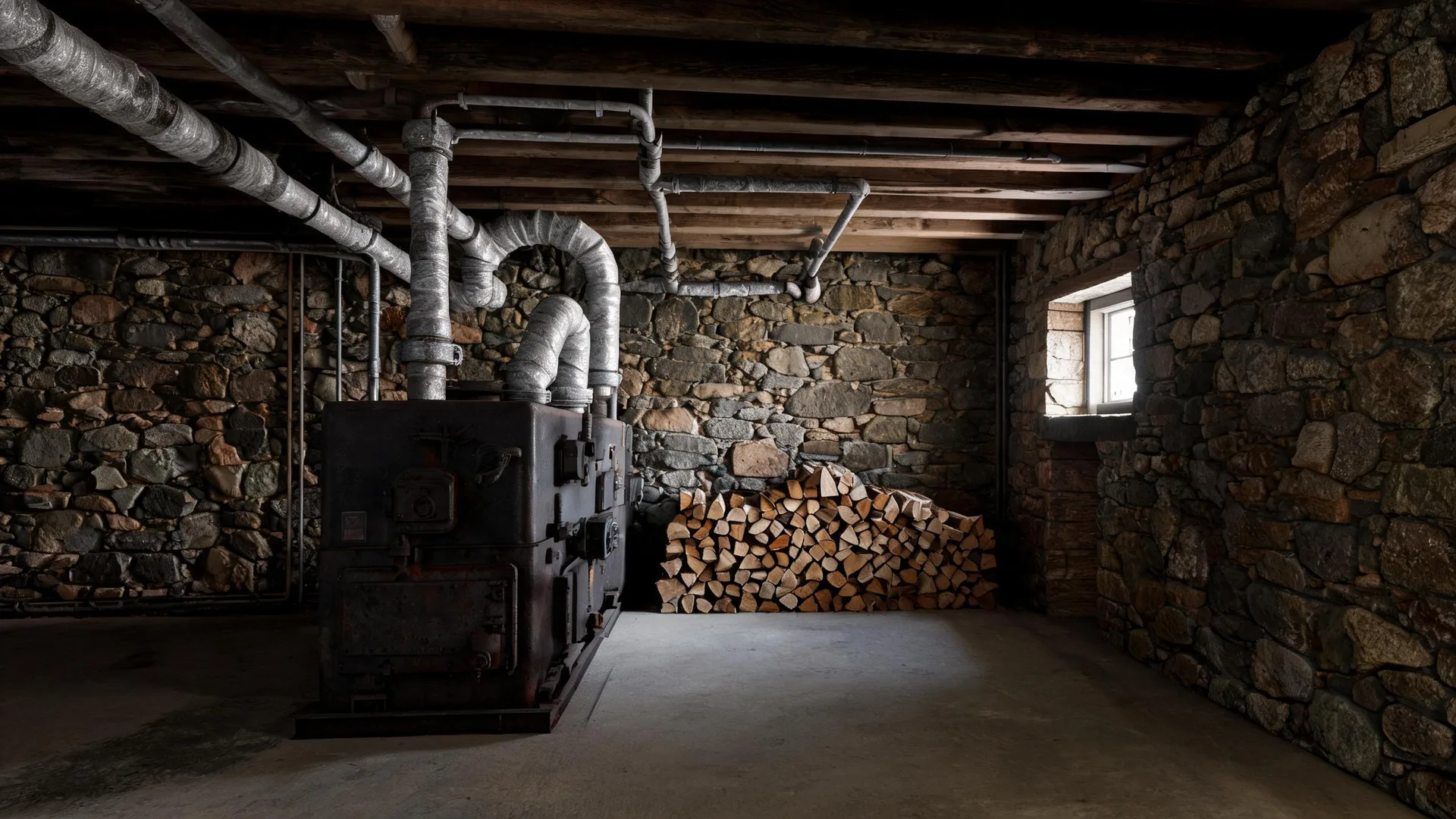
The cabinet usually leaves through the door it came in

Furnaces get built into a house before walls and framing go up around them, so a replacement sometimes has to be cut apart to come back out. The installer should check this during the quote, not on install day, since it changes how long the job takes.

What drives the cost of a furnace installation is rarely the furnace itself. The unit is one line on the invoice. The rest is what it takes to put it in correctly. A straight swap, same size, same fuel, same spot, same venting, is the cheapest kind of job there is. Everything that changes from that baseline adds work. A bigger or smaller unit than what's there now can mean new ductwork, because duct sizing has to match what the blower is pushing. Moving the furnace to a new location means new gas line, new vent, sometimes new electrical. Switching fuel types, say from electric to gas, means running a gas line that was never there before. None of that is optional or padding. It's what the job actually requires once you know what's involved.

Install day starts with the house still running on the old furnace, because the new one doesn't go in until the old one comes out. The installer shuts off gas and power first, then disconnects the vent, the gas line and the return duct before anything gets unbolted from the floor or the closet frame. Once the old unit is out, they check the space against the new furnace's dimensions, since cabinets vary even within the same fuel type and capacity. Gas line, vent and electrical get connected to the new unit, then pressure tested before anything is fired. The furnace runs through a full cycle before the installer leaves, checking flame, airflow and that the thermostat is actually talking to the right system. A straight swap can wrap up in a day. Anything that changes along the way, duct work, venting, gas line routing, adds time on top of that.