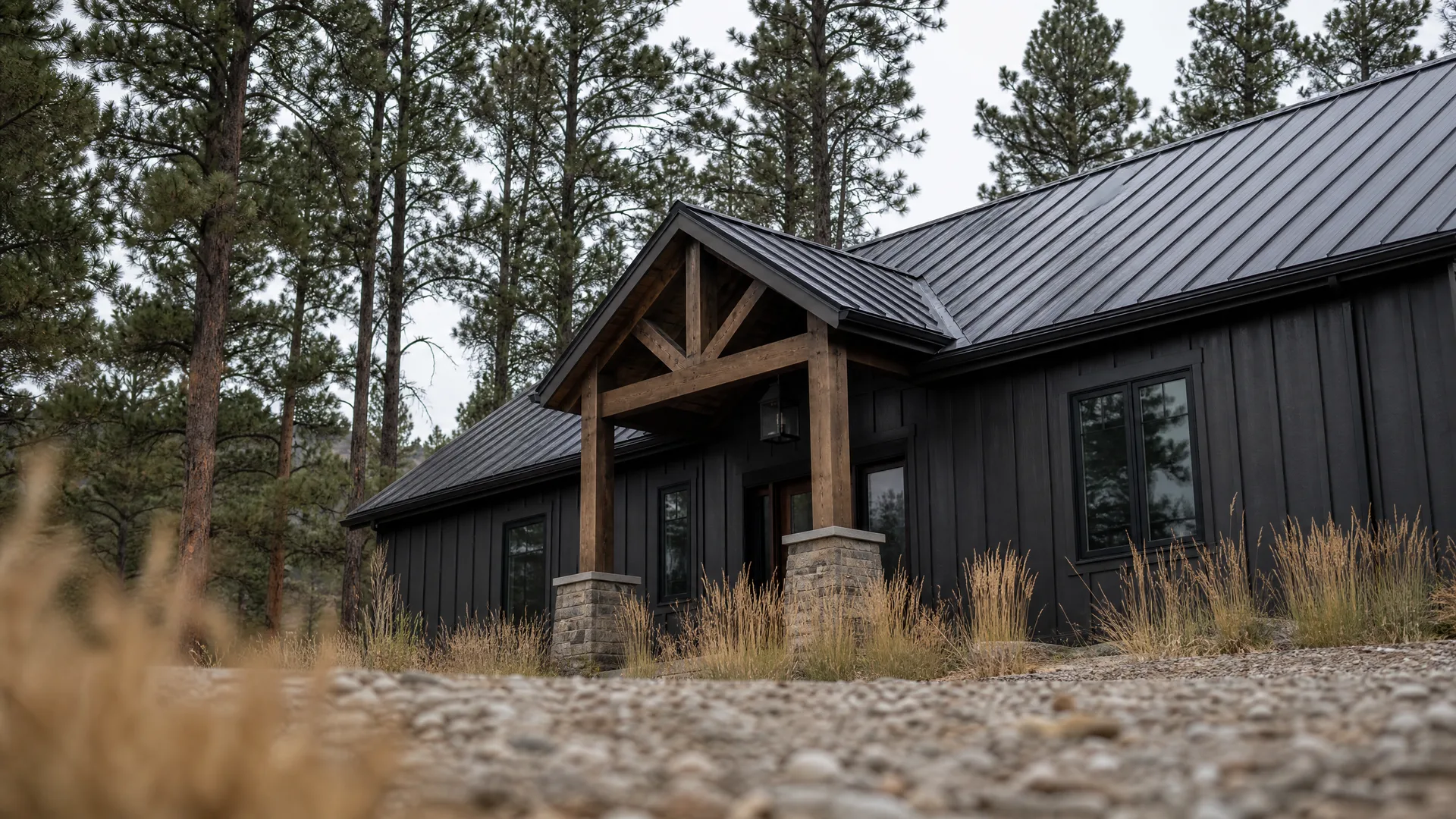



A single-story house with black vertical board-and-batten siding and a dark standing-seam metal roof, featuring a timber-framed entry porch on stone piers, photographed low from a gravel driveway with dry grasses in the foreground and pine trees behind.

Furnace Installation in Lewiston, ID

Tell us about the job

Takes about a minute. No obligation.

New system or replacementFurnace or heatingNez Perce County, ID
Step 1 of 2

What ZIP code is the job in?

Furnaces in Nez Perce County run from September clear through June, about ten months of the year. Overnight lows average 26°F through December, January and February, and that's the kind of cold a furnace has to answer for most of its life here. The county has also seen its share of winter storms over the past decade, heavy snow and ice that can knock out power or pile up fast. A furnace sized wrong for that kind of load either short cycles trying to keep up or runs itself ragged on the coldest nights. Get the sizing right at install, and don't choose a unit just because it's the cheapest one on the quote.

10 months
September through June, your furnace is on duty
26°F
the average winter night it heats against
52%
of homes here heat with gas, so most furnaces here burn gas
80% AFUE
the federal minimum any new unit must meet
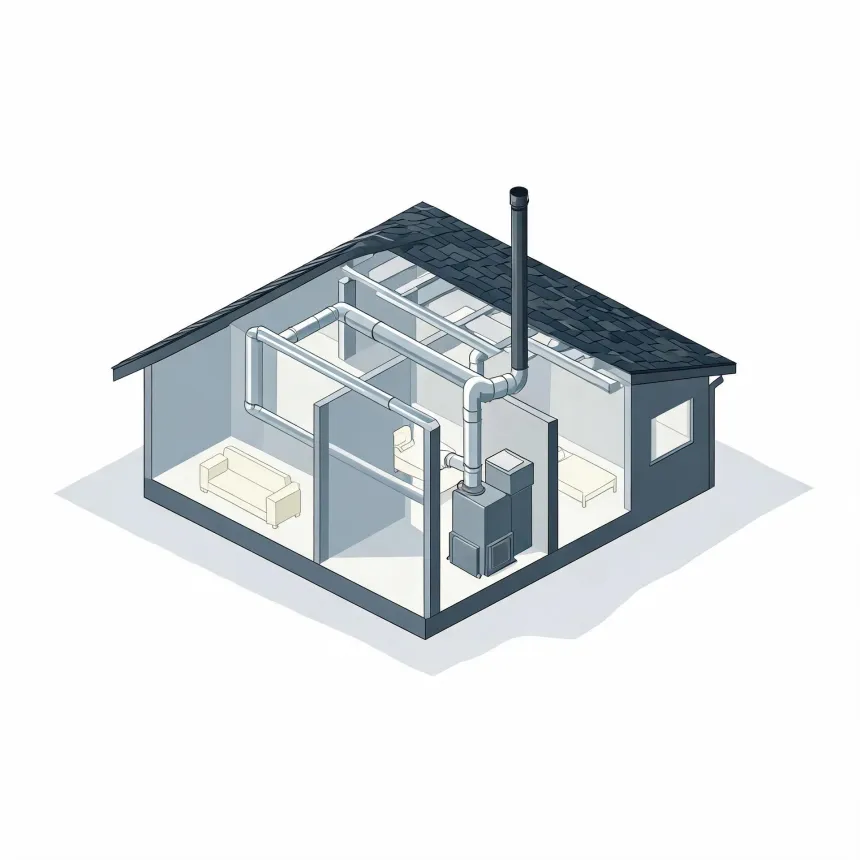
Isometric cutaway illustration of a small single-story house showing a furnace with a flue pipe through the roof and ducting running to rooms containing a sofa, chair and bed.
Your furnace works hardest from November through April.

NOAA nClimDiv, 1991–2020 normals

Half the homes in Nez Perce County were built in 1973 or earlier.

A furnace going into a house that old has to match the house, not just the old unit coming out.

Gas runs cheap here, so the payback on a high-efficiency furnace is slower. Pick one that will hold up, not just the one with the best rating.

Heat runs September through June
Winter nights average 26°F
29 winter storms from 2015 to 2024

Just over half the homes in Nez Perce County heat with utility gas. That makes a gas furnace the default here, and it's worth staying with unless something about the house rules it out. A like for like swap means the gas line, the vent and the fuel setup are already there, matched to what the new furnace needs. Switching fuel types means a contractor has to account for all of that from scratch, line sizing, venting, sometimes electrical. If the house already runs on gas, replacing gas with gas is the simpler install and the one most contractors here are set up to do well.

Get it done in August, before the heat has to come on

Furnaces here start running in September and go clear through June. August is the last quiet month before that, and it's the easy time to put in a new one, with no rush and no cold snap deciding things for you.

Find a contractor
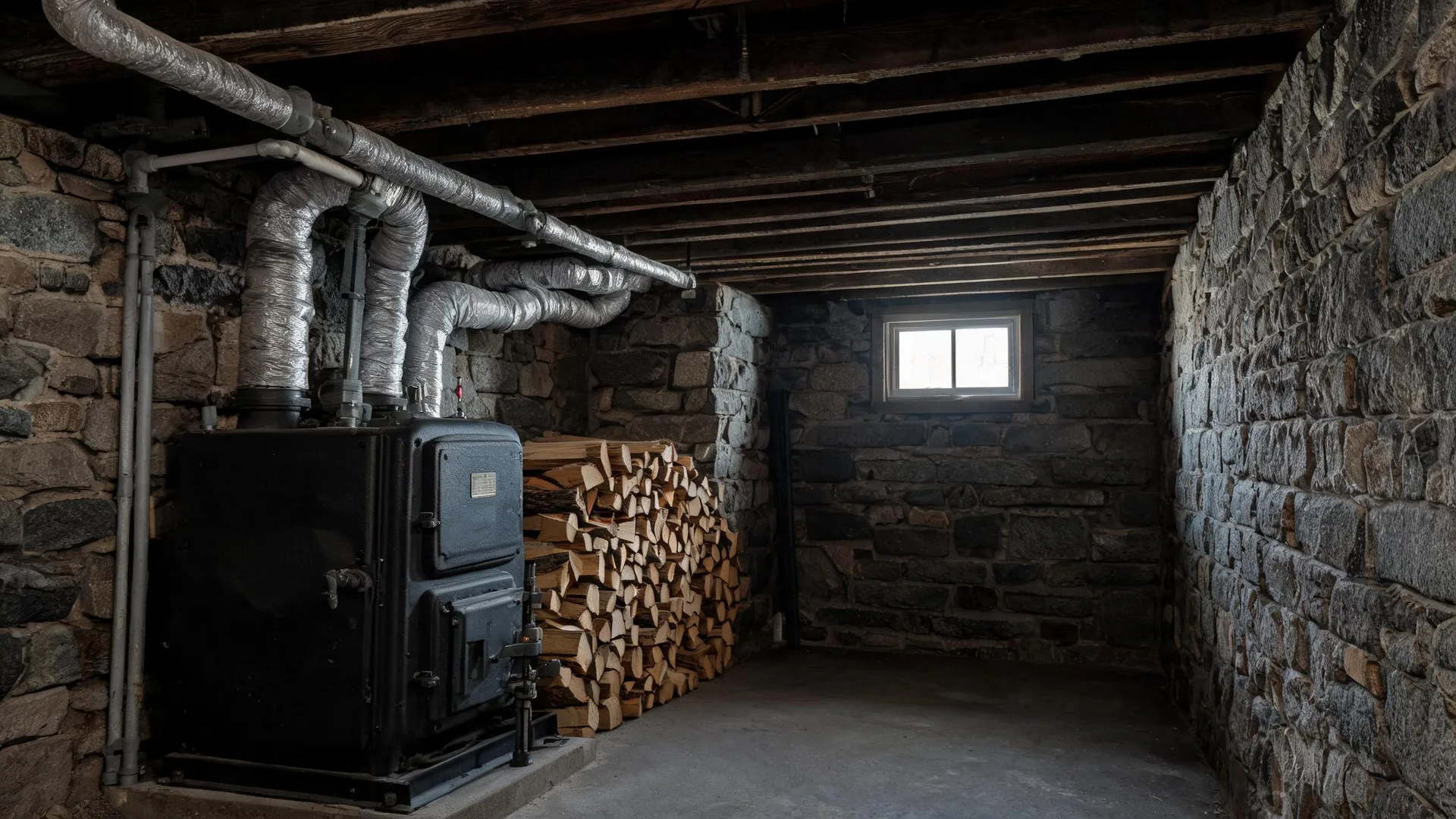
A gray residential gas furnace installed in an unfinished basement, connected to sheet-metal ductwork and PVC pipes.

Ten months of runtime, most of it in the cold

This furnace will run about ten months of the year, from September through June, most of it against overnight lows averaging 26°F. That's the load to size for, not the mild stretch at either end of the season. A unit sized to the house keeps up through January without running flat out, and that matters more here than almost anywhere else in the state.

Ask what the load calculation showed

A contractor should size the furnace to the house, not just match the number stamped on the old unit. Ask what the calculation was based on, the square footage, the windows, the insulation, and ask to see the result. A furnace sized off a guess runs too big or too small for the house it's going into.

Ask about the ductwork, not just the furnace

A furnace only works as well as the ducts carrying its air. Undersized or leaky ductwork will choke a new unit the same way it choked the old one, no matter how good the furnace is. Ask whether the ducts were part of the inspection, or whether the quote just assumes they're fine.

An unfinished basement featuring concrete block walls, exposed floor joists, and a metal forced-air furnace with ductwork near a central pillar.

A high-efficiency gas furnace would save about $70 a year to run in Nez Perce County compared with a gas furnace.

  • A high-efficiency gas furnace$310 a year
  • A gas furnace$380 a year

Estimates for a typical Nez Perce County home, from EIA household energy data, Idaho fuel prices and NOAA climate normals. Your home will differ.

Installation day starts with the old furnace coming out, not the new one going in. Expect the gas shut off, the old unit disconnected from the vent and ductwork, and hauled out before anything new gets set. The contractor will check the flue or vent pipe and the gas line against what the new furnace needs, since even a like for like swap can call for a different vent size or a different connector. Setting the new furnace means leveling it, connecting the ductwork, running the gas line and venting, then wiring it to the thermostat. Once it's in, the contractor fires it up and checks the gas pressure, the temperature rise across the heat exchanger, and the airflow at the registers. A furnace that looks installed but hasn't been tested under those numbers isn't finished yet.