





A bare concrete basement containing a gray gas furnace with metal ductwork and a vertical flue pipe, lit by a single hanging bulb.

Furnace Installation in Jerome, ID

Tell us about the job

Takes about a minute. No obligation.

New system or replacementFurnace or heatingJerome County, ID
Step 1 of 2

What ZIP code is the job in?

Electricity in Idaho ran $33.76 per million Btu in 2024. That number matters if you're putting in an electric furnace or heat pump, because every degree it has to produce comes out of that rate. A furnace with a higher efficiency rating turns more of what it draws into heat in your house instead of losing it. Over a winter of steady use, that difference shows up on the bill every single month, not just once.

9 months
September through May, your furnace is on duty
22°F
the average winter night it heats against
80% AFUE
the federal minimum any new unit must meet
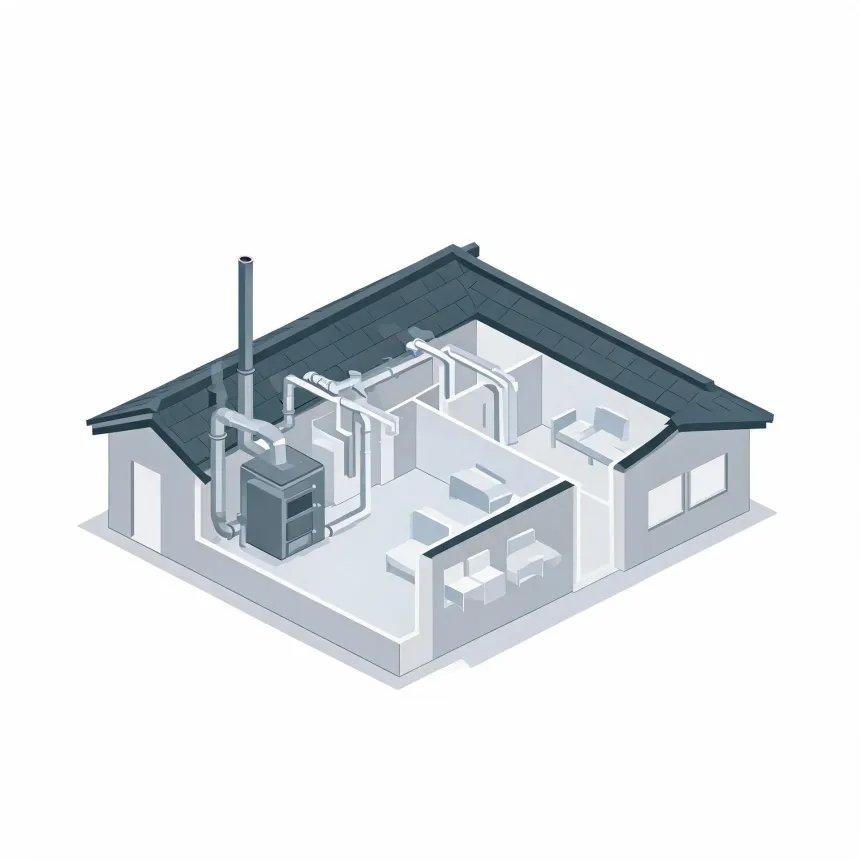
Isometric cutaway illustration of a single-story house showing interior rooms with a dark furnace unit, connected ductwork, a vertical flue pipe through the roof, and simple furniture, on a white background.
Your furnace works hardest from November through March.

NOAA nClimDiv, 1991–2020 normals

A furnace too big for the house turns on, blasts heat, and shuts off again before the rooms ever even out.

Sizing comes from a load calculation on the house itself, not a swap for whatever size was there before.

Nine months of heat a year means this is worth doing before September, not after

Heat runs September through May
Climate zone 5B
Winter nights average 22°F
Jerome runs on electric heatElectricity heats 48.5% of homes here, utility gas another 33.0%

The furnace itself is only part of what you're paying for. Matching it to the house takes ductwork, venting and a gas or electric line sized for that unit, and existing ones don't always carry over as is. A high efficiency furnace vents through PVC pipe instead of a metal flue, so if the old one used a flue, running new venting adds to the job. Ductwork that's too small or leaky for the new unit's airflow needs work too, because a furnace pushing air through the wrong size ducts won't heat the house evenly no matter how good it is. The thermostat and any zoning controls have to match the new system as well. None of this is optional add-on work. It's what makes the furnace actually deliver the heat it's rated for.

The furnace you pick decides what Jerome's power rates cost you

Picking the efficiency rating is part of this job, not an afterthought you tack on later. Ask about AFUE before you settle on a unit, since that number decides what you pay to run it every month you heat the house.

Find a contractor
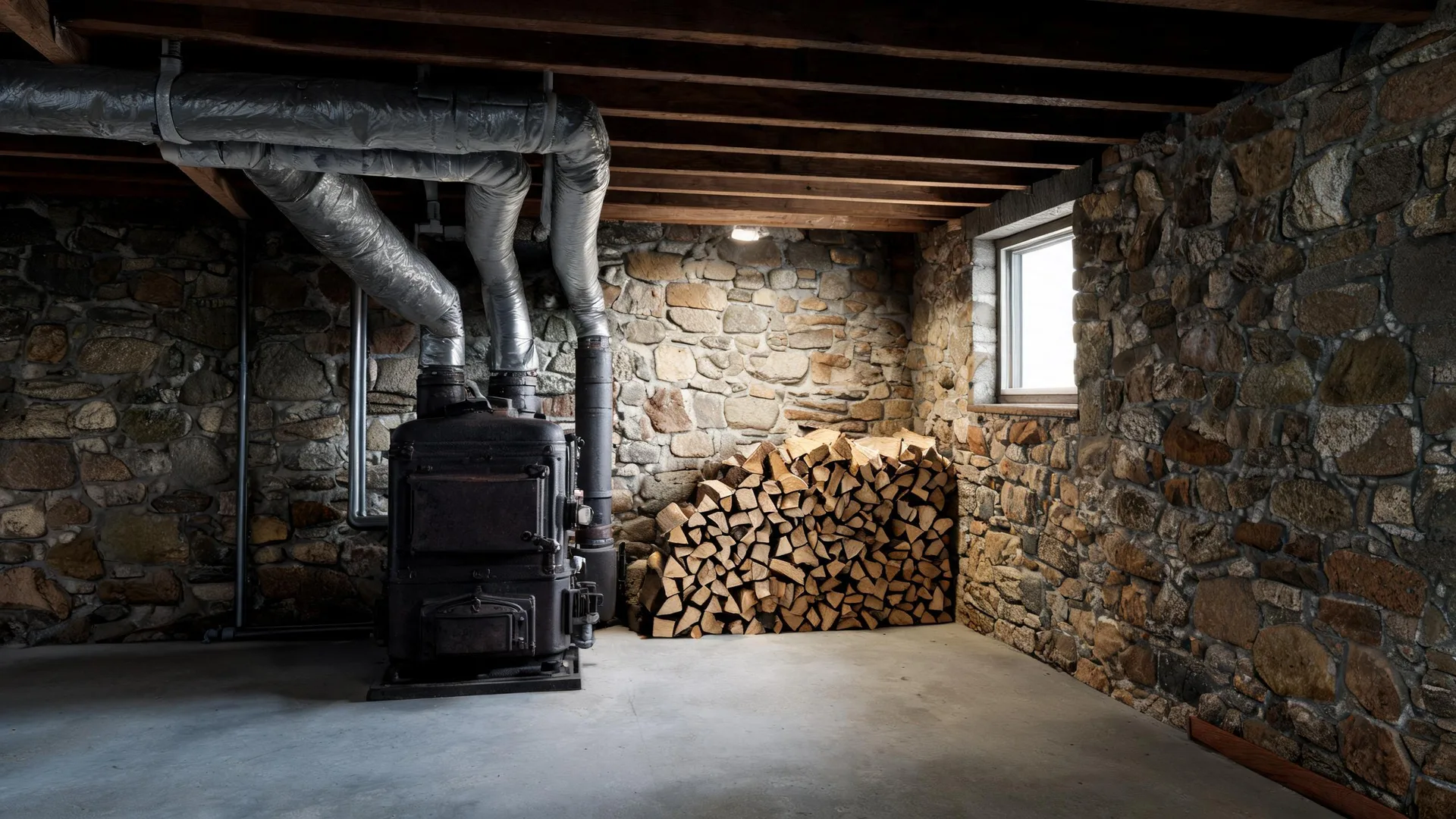
A gas furnace with attached ductwork, gas piping, and condensate lines installed in a concrete-block basement.

Nine months of heat, down to 22°F some nights

Heat runs here from September through May. That's nine months of the year, not just a cold snap in January. The overnight average through December, January and February sits at 22°F, so when the furnace runs, it's working against real cold, not mild chill. A system sized right for the house carries that load without strain. One sized wrong shows the wear sooner, a worn igniter, a blower motor pushed past what it should handle. Over nine months a year, that difference doesn't stay small.

Ask what size furnace the quote is based on

A contractor should walk the house, room by room, before naming a size. If a quote names a furnace size before anyone's measured anything, ask what that number is based on. A quote built off the old unit's size is a guess, not a calculation.
Ask what the warranty actually covers

Manufacturers typically cover the furnace's parts. Labor is a separate warranty, and it often comes from the installer, not the manufacturer. Ask how many years each one runs, and whether the labor warranty requires that same contractor to do the work.

AFUE is the percentage of fuel the furnace turns into heat for the house instead of losing out the flue. A low rated furnace sends a good share of what it burns straight outside. A high rated one keeps most of it, which is also why it can vent through PVC instead of a metal flue. That rating holds no matter what size the furnace is, oversized or sized right, but it only pays off if the rest of the install matches it. A high rating on paper and a return duct too small for the unit won't give you the number on the sticker.

Installation day starts with the old furnace coming out, along with whatever venting or ductwork isn't staying. The new unit gets set and leveled, then connected to the gas or electric line, the ducts, and the vent. Gas lines and venting get pressure tested and checked for leaks before anything runs. Low voltage wiring ties the thermostat in, and the contractor should check how it reads before calling the job done. Once it's running, a tech checks the temperature rise across the furnace, the airflow at the vents, and the burners or heating elements to see they're firing evenly. That last check matters as much as the install itself. A furnace that's wired, piped and vented correctly but never checked against its own specs can still run wrong for years without anyone noticing.