
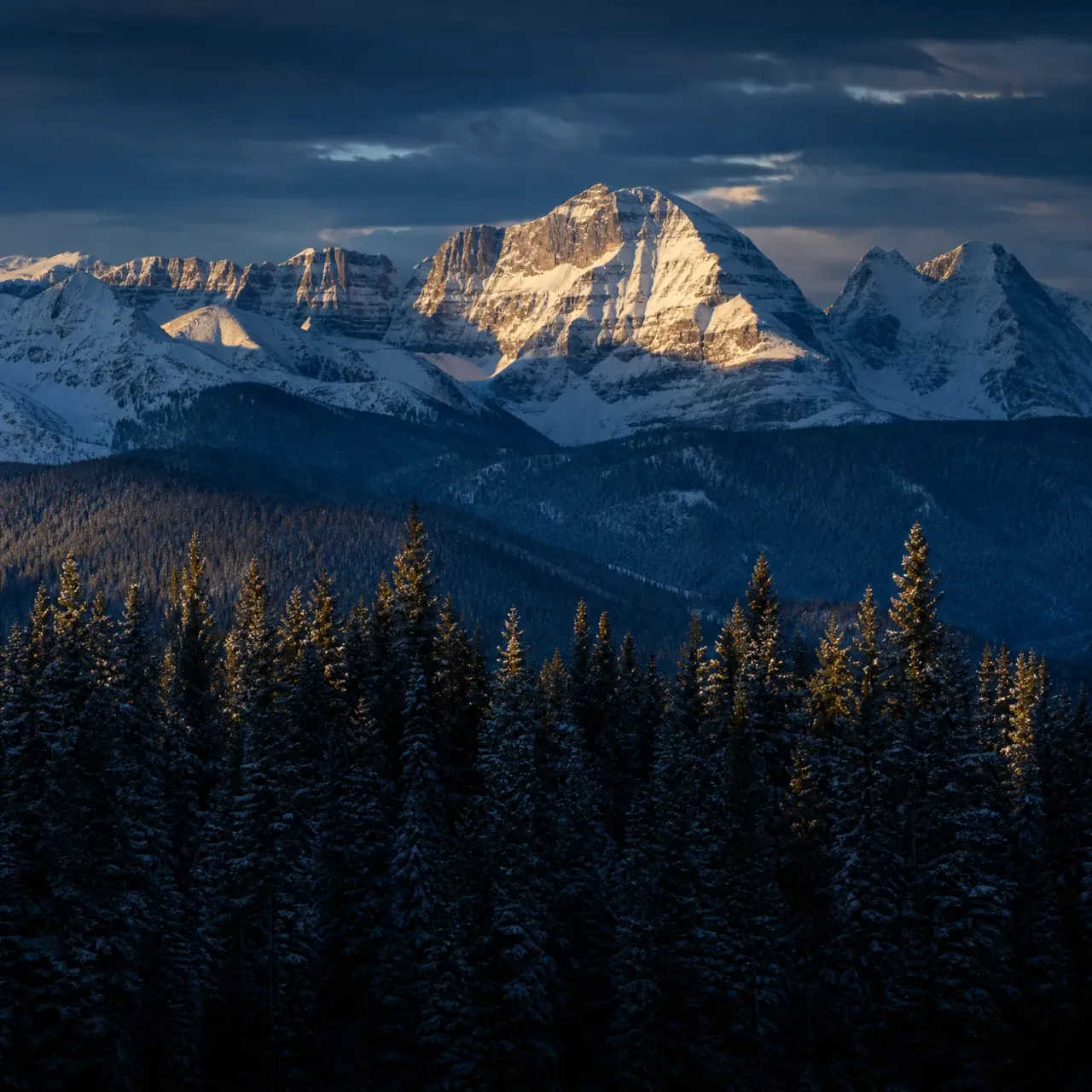


A bare concrete basement containing a gray gas furnace with metal ductwork and a vertical flue pipe, lit by a single hanging bulb.

Furnace Installation in Idaho Falls, ID

Tell us about the job

Takes about a minute. No obligation.

New system or replacementFurnace or heatingBonneville County, ID
Step 1 of 2

What ZIP code is the job in?

Gas heats 56% of homes in Bonneville County, and electricity accounts for most of the rest. If your house already has a gas line run to a furnace, putting in another gas furnace is usually the straightforward choice. The line, the vent, the fuel type the house expects, all of it is already there. Switching to electric heat means different wiring and a different venting setup, which turns a furnace swap into a bigger project. Worth checking which fuel your current system runs on before you assume the replacement works the same way.

10 months
September through June, your furnace is on duty
15°F
the average winter night it heats against
56%
of homes here heat with gas, so most furnaces here burn gas
80% AFUE
the federal minimum any new unit must meet
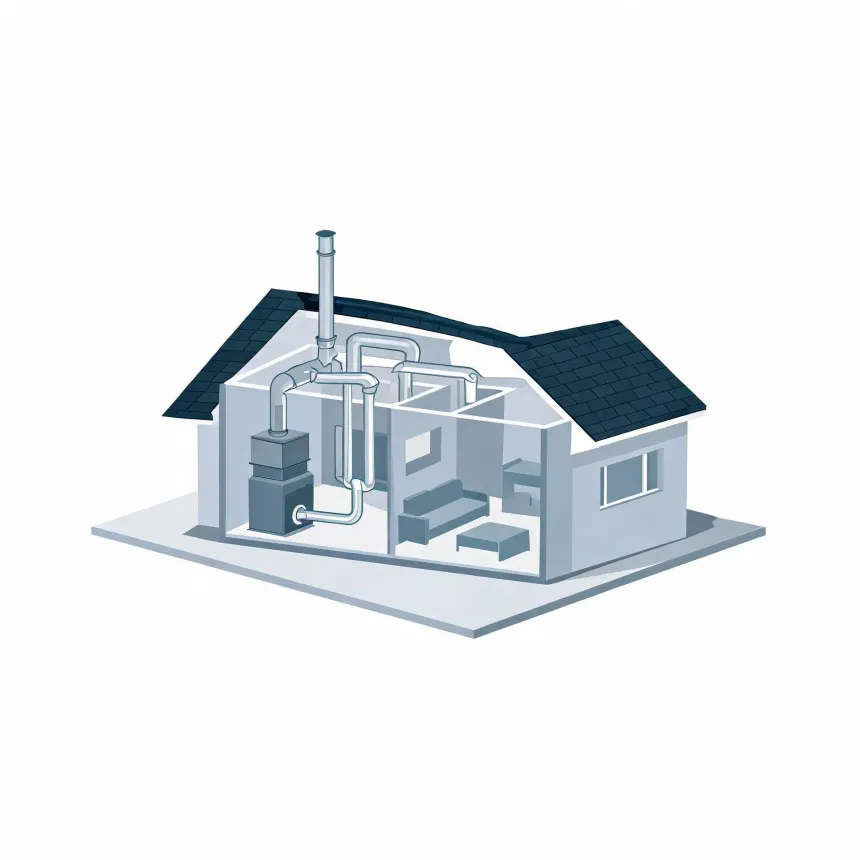
Isometric illustration of a cutaway single-story house showing a gray furnace unit, connected ductwork, and a vertical flue extending above the dark shingled roof.
Your furnace works hardest from October through April.

NOAA nClimDiv, 1991–2020 normals

Idaho gas ran $8.25 per million Btu in 2024.

A standard-efficiency furnace sized right for your house is the straightforward call here, nothing bigger needed.

Ten months of heat a year leaves a short window to replace a furnace without rushing it

Heat runs September through June
Winter nights average 15°F
157 winter storms from 2015 to 2024
Built for a long winterFurnace here runs September through June, with lows averaging 15°F in January.

A furnace that's too big for the house doesn't heat it better, it heats it in short bursts. It hits the thermostat setting fast, shuts off, and starts again a few minutes later. That short cycling wears on the ignitor and the blower motor, and it leaves cold spots because the air never runs long enough to even out through the house. Too small, and it runs nearly nonstop on the coldest days and still can't keep up. Getting the size right means a contractor works out how much heat the house actually loses, room by room, based on square footage, window area, insulation and ceiling height, not just a rule of thumb tied to the old unit. That calculation is what decides the output the new furnace needs, not the size of the one coming out.

A new furnace here has to meet zone 6B, and the rules are changing

Bonneville County falls in climate zone 6B, and any furnace going in has to meet it. Furnaces built now have to hit 80 percent AFUE at minimum, and that floor jumps to 95 percent for units made after December 2028. A federal tax credit is available for qualifying high-efficiency equipment too. Worth seeing which systems fit your house before that minimum changes what's on the market.

Find a contractor
A man seen from behind in a gray shirt and tan work pants climbs porch steps toward a blue front door, carrying a worn leather tool bag in his right hand, with a potted shrub in a blue planter beside the door.
A gray gas furnace with attached ductwork and piping installed in an unfinished concrete basement.

What the old furnace was still doing right up to the last day

The old furnace doesn't get pulled until the new one's ready to take over, so it keeps running right up to the day it comes out. That last stretch is often when a furnace this age struggles most, running longer to make the same heat it used to make quickly. Once it's disconnected, a tech can tell you more from the inside, cracked heat exchanger, scorched wiring, a blower motor that was already on its way out, than the furnace ever told you while it was still limping along. None of that changes what the new unit needs to do. It just explains why the old one got hard to live with toward the end.

The furnace is one piece of the job

Venting has to match what the new furnace needs, and a higher-efficiency unit often vents through PVC pipe out a sidewall instead of up a metal flue. If the old furnace vented a water heater through the same flue, that water heater may need its own venting once the furnace no longer shares it. The ductwork gets checked too. Undersized or leaky ducts can hold a new furnace back no matter how good the unit is.

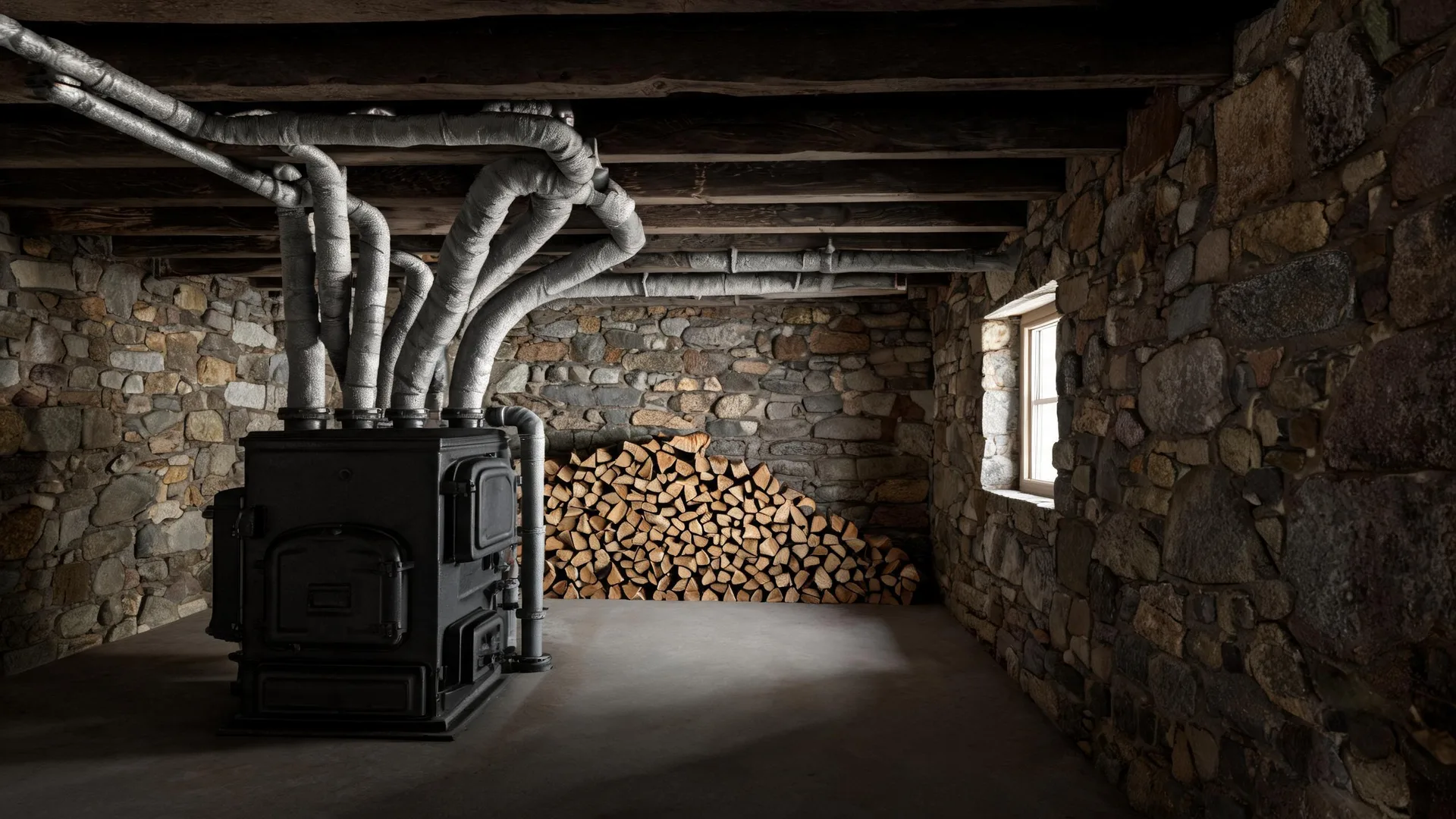
The install work is where the labor goes

Swapping a furnace for the same type in the same spot is the simplest version of this job. Moving the unit, changing fuel type, or correcting duct problems found along the way all add work beyond setting the new furnace in place. A permit and inspection are part of it too, since the installed system has to meet current code, not just the rating printed on the furnace.

An unfinished basement featuring a forced-air furnace, exposed wooden ceiling joists, bare concrete walls, and miscellaneous items including cardboard boxes and coiled cables on the floor.

A high-efficiency gas furnace would save about $90 a year to run in Bonneville County compared with a gas furnace.

  • A high-efficiency gas furnace$430 a year
  • A gas furnace$520 a year

Estimates for a typical Bonneville County home, from EIA household energy data, Idaho fuel prices and NOAA climate normals. Your home will differ.

Install day starts with the old furnace coming out, and the house has no heat until the new one is set and running. A tech will clear the area first, since the furnace needs room to work on all sides for years afterward. Setting the new unit means leveling it, connecting the gas line, tying into the ductwork, and running the vent to wherever it exits the house. Electrical and a condensate line come next if the furnace needs them. Once it's hooked up, the tech fires it and checks the gas pressure, the temperature rise across the heat exchanger, and the airflow, adjusting until each one reads right. The last step is going over the thermostat and the filter location, so the furnace is running the way it's supposed to before anyone leaves.