



A stack of split firewood along the base of a black vertical-board building wall, with a gravel path, dry grass, and pine trees under an overcast sky.

Furnace Installation in Kellogg, ID

Tell us about the job

Takes about a minute. No obligation.

New system or replacementFurnace or heatingShoshone County, ID
Step 1 of 2

What ZIP code is the job in?

Gas ran $8.25 per million Btu across Idaho homes in 2024. That is the price per unit, and a furnace that wastes less of it still gets that bill down every month it runs. A low-efficiency furnace burns more gas to hit the same temperature, and in Kellogg it is working most months of the year. The rating on the furnace you choose decides how much of that gas turns into heat in your house and how much goes out the flue.

10 months
September through June, your furnace is on duty
22°F
the average winter night it heats against
52%
of homes here heat with gas, so most furnaces here burn gas
80% AFUE
the federal minimum any new unit must meet
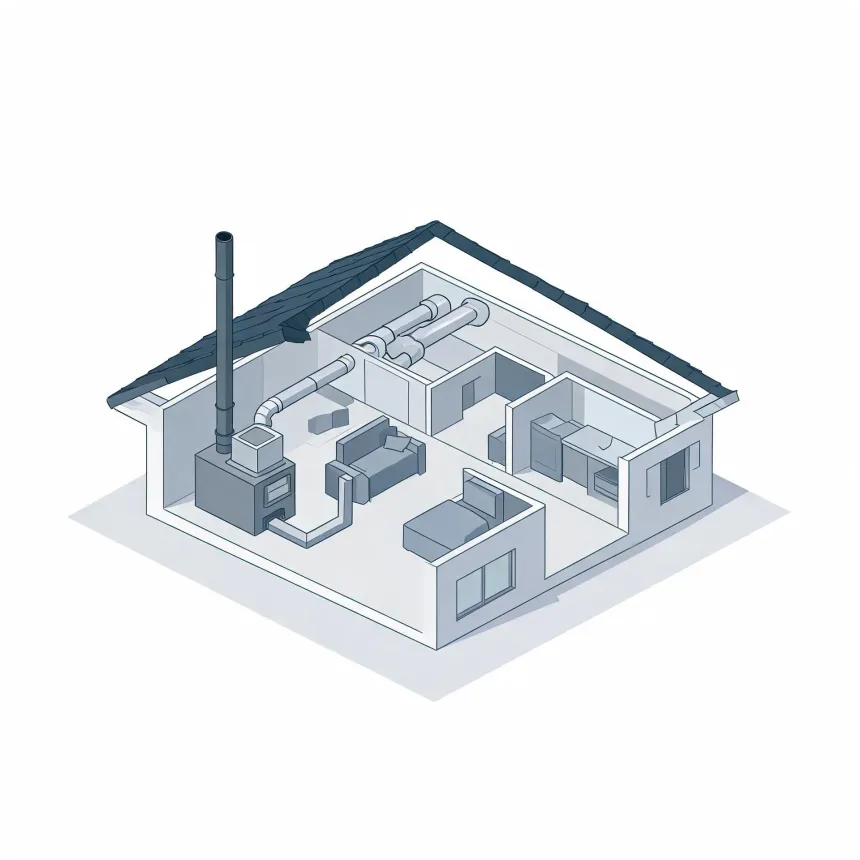
Isometric line illustration of a cutaway single-story house showing interior rooms with furniture, a furnace unit with a tall flue pipe, and connected ductwork running under the pitched roof.
Your furnace works hardest from October through April.

NOAA nClimDiv, 1991–2020 normals

Furnaces around Kellogg run from September through June.

A new furnace here spends most of the year working, so installing the right size and build matters more than it would somewhere milder.

Most of Kellogg heats with gas, so a gas furnace is the straightforward choice

51.9% of homes heat with gas
Climate zone 5B
Heat runs September through June
Install Before the Season Picks the Date for YouFurnaces here run September through June. Get the new one in before September and you pick the time, not the cold.

Half the homes in Shoshone County were built in 1959 or earlier. A furnace going into one of those houses is going into ductwork and a layout built for whatever heated it decades ago, not for the model sitting in a showroom today. The sizing that worked for the original system might not be right for a replacement, and a furnace that is too big or too small for the house wastes gas no matter how good its efficiency rating is. None of this means an older home needs a strange or difficult installation. It means the system has to be matched to the house as it actually is, not to a standard size picked off a chart.

The Efficiency Rating Is the Part of This Job Worth Getting Right

Gas here ran $8.25 per million Btu in 2024, and this furnace will burn it most months of the year. The rating on the one you install is set the day it goes in, and it decides what every one of those bills looks like after.

Find a contractor
A gray residential gas furnace installed in an unfinished basement, surrounded by ductwork, a metal flue pipe, and a gas supply line.

Size It to the House, Not the Box It Came In

A load calculation for the house, not the old furnace, tells the installer what size to put in. If your home was built in 1959 or earlier, the ductwork may still be the same run that was sized for whatever furnace came with the house. That duct run limits what the new furnace can push through it, no matter how good its rating is. Ask whoever installs it to check the ducts along with the furnace itself, so the new system and the path it runs through are sized for each other.

The Old Furnace Gets Disconnected and Removed

Taking out the old unit means shutting off the gas line to it, disconnecting the venting, and pulling it from the plenum it ties into. Whoever does the install hauls it away once the new one is set. A furnace does not get left behind or wired in as a backup. The gas line and flue connection are either capped or reused for the new unit, not left open.

What's Underneath Gets Looked At Too

Pulling the old furnace is the only time anyone sees the base it sat on, the duct connections behind it, and the flue path it used for however many years it ran. A cracked flue pipe or a rusted-through plenum connection stays hidden until the old equipment moves out of the way. Worth having the installer check that stretch before the new furnace goes in, since it will use the same opening.

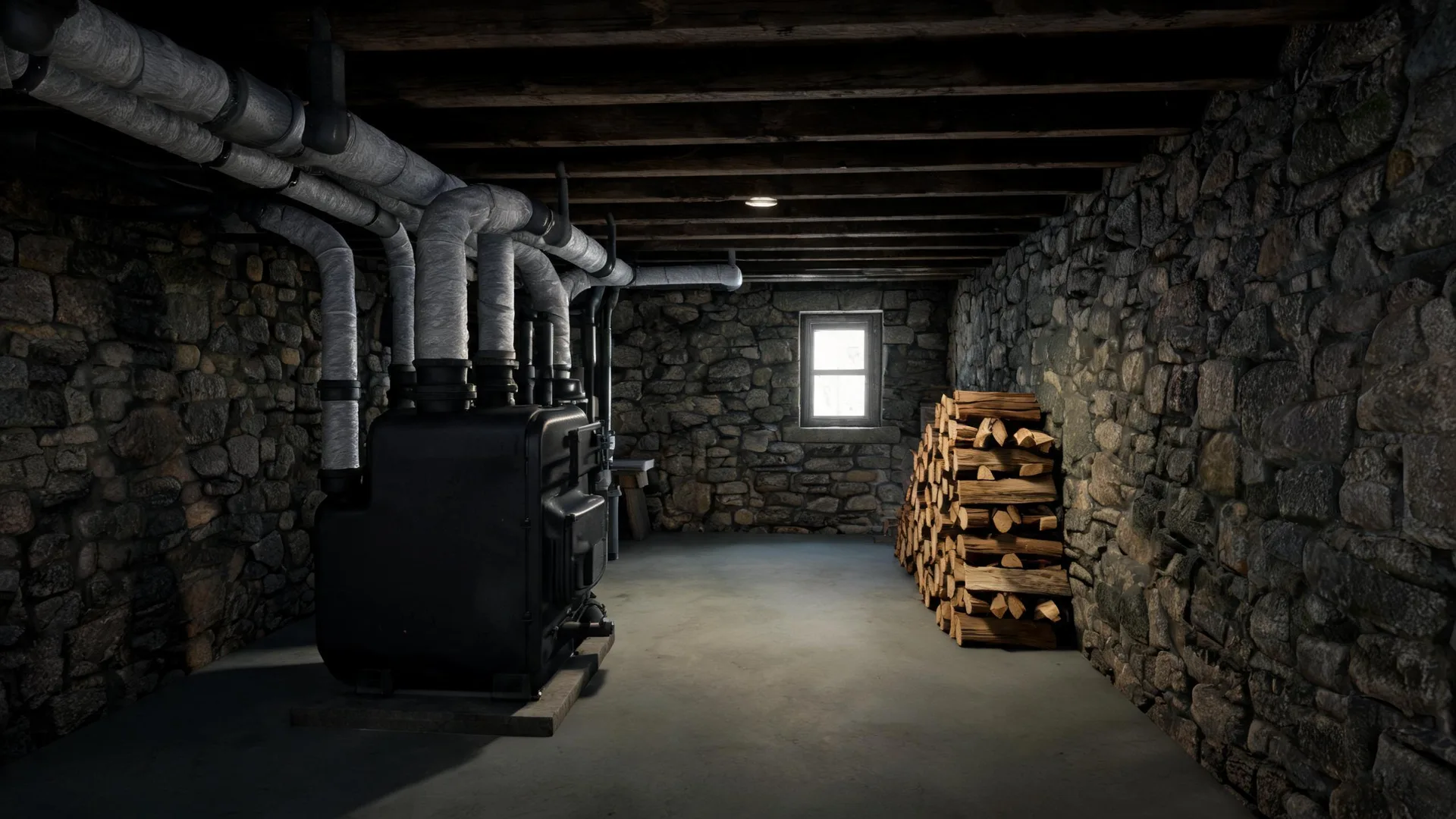
A gas furnace and sheet-metal air handler unit installed in an unfinished concrete basement.

A high-efficiency gas furnace would save about $90 a year to run in Shoshone County compared with a gas furnace.

  • A high-efficiency gas furnace$410 a year
  • A gas furnace$500 a year

Estimates for a typical Shoshone County home, from EIA household energy data, Idaho fuel prices and NOAA climate normals. Your home will differ.

Installation day starts with the gas and power shut off and the old furnace disconnected, so expect the house to be without heat for stretches of the day. The new furnace gets set on its base, tied into the plenum, and connected to the gas line and the flue. Electrical and a condensate line go in if the furnace needs one. Once it's hooked up, the installer fires it and checks the flame, the airflow coming out of the registers, and the gas pressure against what the furnace is rated for. A combustion analyzer gets used to check the exhaust, because a furnace can look like it's running fine and still be venting wrong. Before anyone leaves, the thermostat gets set up and run through a cycle, and you should get a straight answer on what the furnace needs checked once a year to keep running the way it did on day one.