Gas is the default here
Almost 7 in 10 homes in Ada County heat with utility gas. A gas furnace is what most installers are pulling out and what most trucks are stocked for.
Takes about a minute. No obligation.
Almost 7 in 10 homes in Ada County heat with utility gas. A gas furnace is what most installers are pulling out and what most trucks are stocked for.
If gas already runs to your furnace, swapping it for a new gas furnace means working with a line that's already there. Switching to electric heat is a different job, with different wiring and ductwork questions to work through first.

NOAA nClimDiv, 1991–2020 normals
Furnaces in Ada County start running in October.
Get yours installed in September, before the first cold night puts it to work.

The efficiency rating on a furnace label tells you how much of the gas it burns turns into heat for the house, and how much goes straight out the flue. A furnace with a higher rating keeps more of that heat inside instead of losing it. That difference adds up over a winter of steady running, not just on the coldest night. A higher rated furnace usually vents differently too, often through a plastic pipe instead of a metal flue, so it can need a different kind of venting than what's already in place. Worth asking the installer what rating fits the venting the house already has, since that can change what the installation actually involves.
Gas in Idaho runs cheaper than in most states, at $8.25 per million Btu in 2024. A high efficiency furnace still saves fuel, but it takes longer here to make up the difference in what it costs to install. That makes reliability and fit for this house the bigger question. Worth sorting that out before the first cold night, not after.
Find a contractor
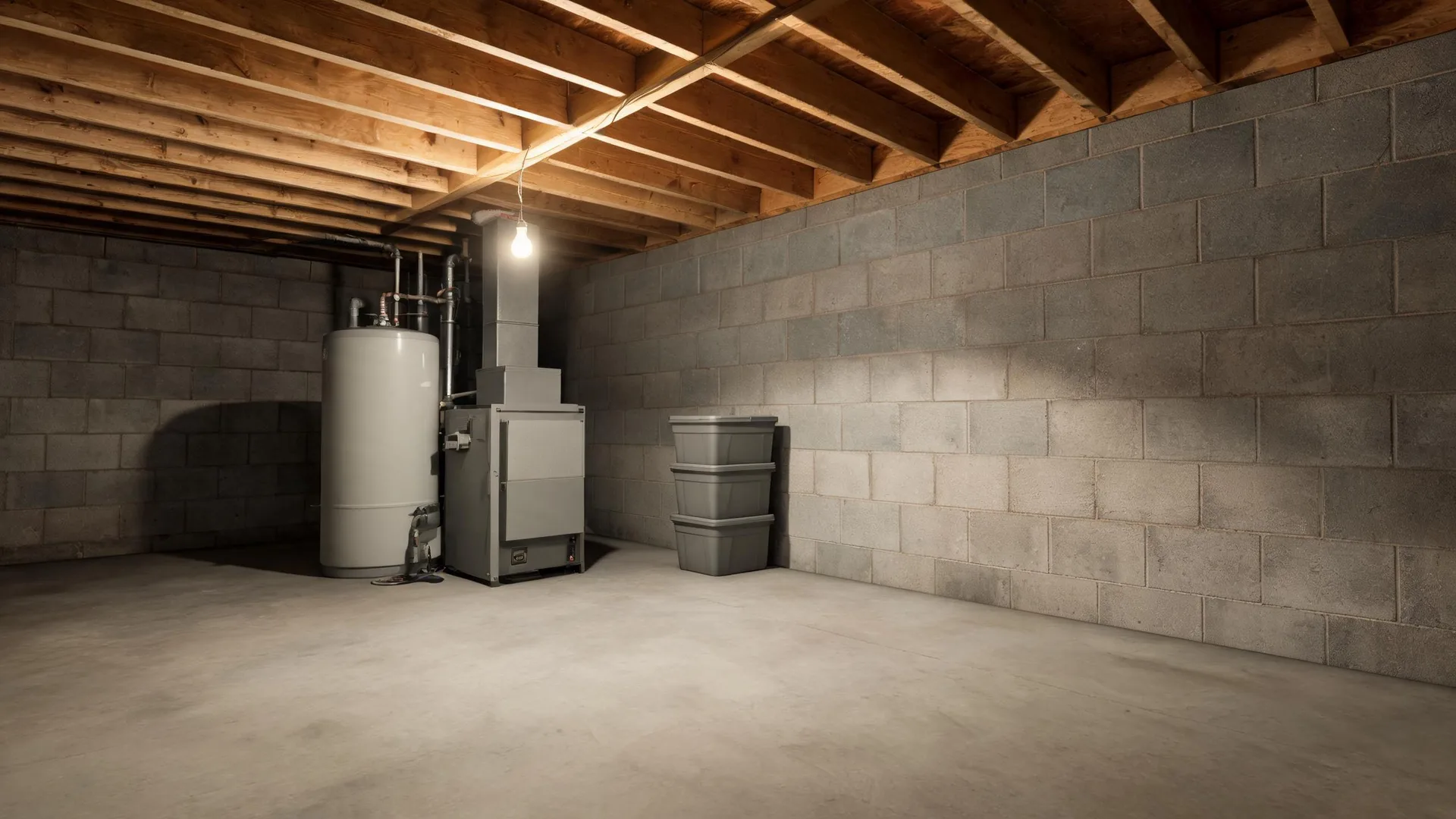
Once the new furnace goes in, the old one comes out whole. The installer disconnects the gas line, the vent connection and the ductwork, then unhooks the electrical and carries the cabinet out. Pulling the old unit is often the first real look anyone gets at what was going on inside it. A cracked heat exchanger or a worn blower motor can sit there for years without anyone knowing. The vent and gas line that served the old furnace stay behind, and the installer has to check that they still fit what the new furnace needs before any of it gets reused.
A furnace sits in a box on a shelf with a price tag on it, but what it costs to put in depends on the ductwork, the venting and the gas line around it. A straight swap, same size, same location, same vent type, is the simplest version of this job. Anything that has to move, resize or get rerouted adds work before the new furnace even gets set.
A furnace that's too big for the house cycles on and off more than it should, which wears out parts faster and never quite evens out the temperature. One that's too small runs constantly and still falls short on the coldest nights. Getting the size right takes a load calculation, not just a measurement of the old furnace, and that step shapes what gets installed and what it takes to install it.
Estimates for a typical Ada County home, from EIA household energy data, Idaho fuel prices and NOAA climate normals. Your home will differ.
Install day starts with the house still warm from the old furnace, so there's no rush at the front end. The installer sets up drop cloths and a path to the furnace before anything gets disconnected, because the old unit still has to come out through the same hallways and doors it went in through. Gas gets shut off at the valve first, then the old furnace gets disconnected and hauled out before the new one goes anywhere near its spot. Setting the new furnace, connecting the ductwork, running the vent and gas line, and wiring it in takes most of the day on a straight swap. Toward the end, the installer fires it up, checks the flame, checks for gas leaks, and watches how it cycles before calling it done. Walking through the thermostat and what the furnace sounds like when it's running right is usually the last thing that happens before they leave.