



Stone and timber luxury homes with glowing windows line a mountain street at dusk, with evergreen trees and a rocky mountain range in the background.

Furnace Installation in Coeur d'Alene, ID

Tell us about the job

Takes about a minute. No obligation.

New system or replacementFurnace or heatingKootenai County, ID
Step 1 of 2

What ZIP code is the job in?

Gas furnaces heat most homes in Kootenai County. Utility gas is the main heat source here, with electricity a distant second and propane serving a small share. If your old furnace ran on gas, replacing it with another gas furnace is usually the straightforward move. The gas line, the vent, the fuel setup, it's all already there, so a new unit goes in without rerouting anything. Homes on electric heat have their own path, usually a heat pump or electric furnace, but if gas is what's already feeding your house, there's no reason to switch.

10 months
September through June, your furnace is on duty
25°F
the average winter night it heats against
53%
of homes here heat with gas, so most furnaces here burn gas
80% AFUE
the federal minimum any new unit must meet
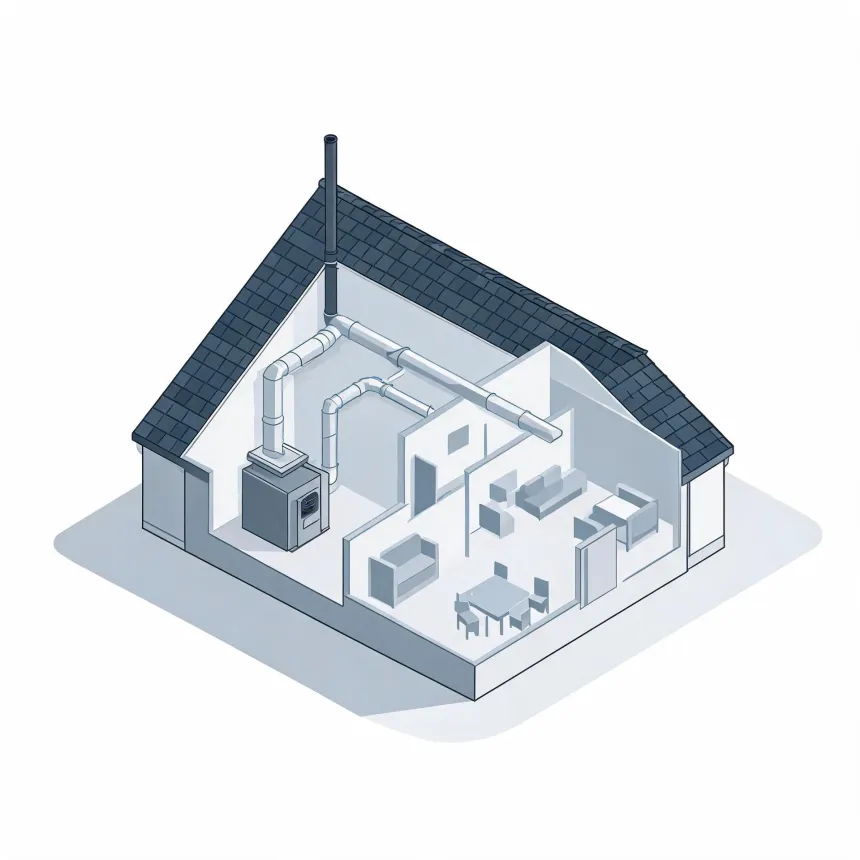
Isometric cutaway illustration of a house with a shingled gable roof, showing a gray furnace unit connected to overhead ductwork and a chimney flue, with simplified furniture in the rooms below.
Your furnace works hardest from October through April.

NOAA nClimDiv, 1991–2020 normals

Furnaces in Kootenai County run from September through June.

Ten months of work a year means a new system needs to be sized right, not just priced right.

Gas here runs $8.25 per million Btu, so the cheapest furnace to run isn't always worth the extra cost

Heat runs September through June
Winter nights average 25°F
655 winter storms from 2015 to 2024

Winter storms have hit this county 655 times over the past ten years, and a furnace that fails during one isn't a small inconvenience. Even so, a standard furnace, sized right for the house, handles that load fine. There's no reason to oversize the unit or step up to a higher efficiency tier than the house needs. What matters more is power. Idaho households lose power for a day or longer often enough that it's worth asking a contractor what the furnace needs to run, since a gas furnace still needs a working igniter and blower motor even with gas flowing to it.

Get the new furnace in before September

Heat starts running in Kootenai County by September, and once it's in regular use a furnace swap means a house without heat while the work gets done. Replacing it in August, before that first cold morning, means you pick the day.

Find a contractor
A gas furnace with attached ductwork, gas piping, and condensate lines installed in a concrete-block basement.

Ten months a year, most of it in the cold stretch

Ten months of runtime a year adds up fastest in the cold stretch. Overnight lows average 25°F through December, January and February, and the furnace runs most of its hours in that stretch. A unit sized right for the house handles that load without strain, the same as it handles the rest of the season. What matters is getting the size right at install, a proper load calculation rather than a quote based on whatever the old furnace happened to be. That's a one-time decision that holds for as long as the furnace runs.

The furnace itself is one line item

Cabinet size, stage count and blower type set the base price. A single-stage furnace with a fixed-speed blower costs less than a furnace with a variable-speed blower, but the variable-speed blower also moves air more evenly and runs quieter. That difference shows up in the quote before anyone touches the ductwork.

What's already in the house changes the job

If the vent, gas line and return air plenum match what the new furnace needs, installation is a straight swap. If the ductwork is undersized for a bigger unit, or the vent material isn't rated for a higher efficiency furnace, that work gets added to the job. A contractor should check this before quoting, not after the old furnace is already out.

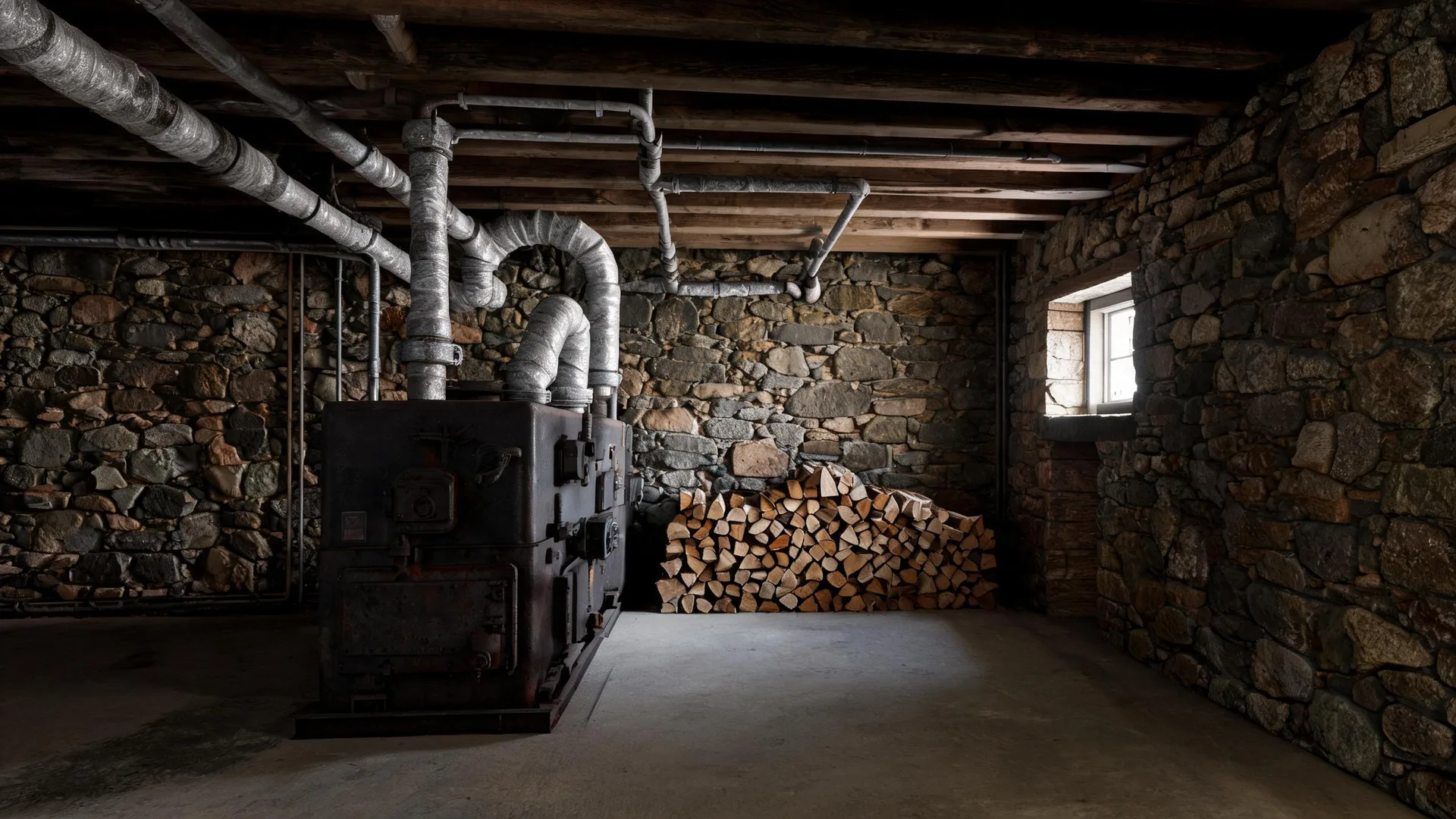
A gray forced-air furnace with ductwork stands in an unfinished concrete basement surrounded by storage items and clutter.

A high-efficiency gas furnace would save about $70 a year to run in Kootenai County compared with a gas furnace.

  • A high-efficiency gas furnace$370 a year
  • A gas furnace$440 a year

Estimates for a typical Kootenai County home, from EIA household energy data, Idaho fuel prices and NOAA climate normals. Your home will differ.

The old furnace comes out first, then the contractor checks what it's sitting on and what it's hooked to before the new one goes in. A gas furnace needs the gas line reconnected, the vent connected and sealed, and the ductwork attached to the plenum, and each of those gets tested before the job is called done. Once it's running, the contractor checks gas pressure at the manifold and airflow off the blower, because a furnace that fires but isn't tuned to the right pressure will run rough or burn more gas than it should. The system gets cycled a few times, on and off, to make sure the igniter lights the burner cleanly and the blower kicks in and shuts off when it should. Most of the day is this kind of checking, not the swap itself. A furnace put in without that gets left to fail in ways that show up months later, not on day one.