





Illuminated timber-frame and stone houses along a residential street at night, with snow-capped mountains visible in the background.

Heat Pump Installation in Orofino, ID

Tell us about the job

Takes about a minute. No obligation.

New system or replacementHeat PumpClearwater County, ID
Step 1 of 2

What ZIP code is the job in?

Electricity heats 42.8% of occupied homes in Clearwater County, more than any other fuel, so a heat pump fits right into what's already here. Most of those homes are set up for electric heat, with the wiring and panel capacity to support it. Propane heats another 10.7%, and fuel oil or kerosene heats 7.2%, both fuels a heat pump can replace outright if you're ready to stop buying tank deliveries. Either way, going electric here isn't a stretch for the house. It's what most of your neighbors are already running.

10 months
September through June, your system heats
22°F
the average winter night it heats against
76°F
the average summer afternoon it cools against
Isometric line illustration of a cutaway house showing interior rooms with furniture, ceiling ductwork, and an outdoor condenser unit connected by lines along the exterior wall.

About one in five homes in Clearwater County is a mobile home.

A standard heat pump sized for a site-built house works fine here too, no local reason to size up or spend more.

Nothing here calls for a bigger system than the home needs

Power costs 11.52 cents a kWh statewide
6 hail events from 2015 to 2024
56 winter storms from 2015 to 2024

Clearwater County is in climate zone 5B. Winters here drive more of the heating and cooling bill than summers do, so the heating side of a heat pump gets worked harder than the cooling side. Any split-system heat pump installed here, if built from 2023 on, has to meet 14.3 SEER2 for cooling and 7.5 HSPF2 for heating. Those are federal minimums, not a local add-on. A system that clears both numbers also qualifies for the federal tax credit on qualifying equipment.

Get it in before August ends

Heat runs here from September through June, about ten months a year. August is the last full month before it starts. Installing before then means the new system is in place and tested before the first cold night, not swapped in a hurry with the old one already dead.

Find a contractor
A white mini-split heat pump outdoor unit mounted on a concrete pad beside a gray-sided house, surrounded by gravel and green shrubs.

Sized to the house, not the ad

A heat pump has to be sized to the house, not picked off a shelf. The method is called a load calculation. A contractor measures every wall, window and ceiling, checks which way the house faces, counts the doors, and works out how fast that specific house gains heat in summer and loses it in winter. The output is a number in BTUs, and that number tells you what size unit to buy. Nothing about guessing or rounding up belongs in that process. Oversize the unit and it short cycles, running in quick bursts that cool or heat the air but never run long enough to pull moisture out or settle into a steady temperature. The rooms end up clammy in summer and the equipment wears out faster from all the starts and stops. Undersize it and it runs constantly, struggling to keep up on the coldest or hottest days, and the compressor takes the wear. Either mistake shows up in the first year, not the tenth.

Ask for the heating output at low outdoor temperatures, not just mild ones

Every heat pump loses capacity as the air outside gets colder. The number on the brochure is often measured at a mild outdoor temperature, which tells you almost nothing about how the unit performs on the coldest night of the year. Ask the contractor for the capacity at a low outdoor temperature and ask what the unit does below that point. A system that looks strong on paper can fall short exactly when it matters most.
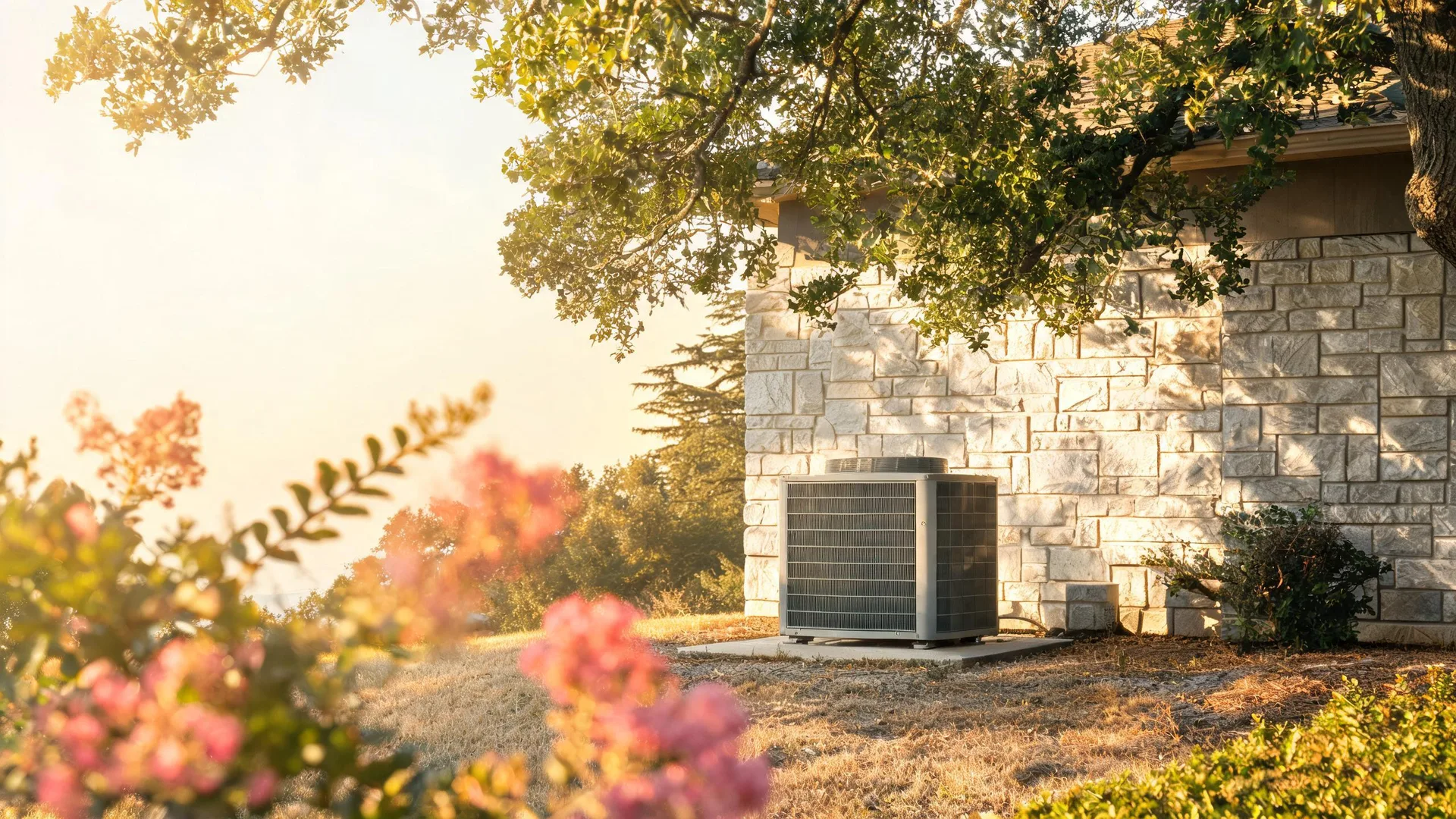
Ask what backup heat is built in and when it takes over

Most heat pumps pair with some form of backup heat for the coldest stretches, often electric resistance strips or a furnace working alongside the outdoor unit. Find out what this system uses, how it decides to switch over, and whether that switch point is something you can see and adjust or something buried in the control board. A system that leans on backup heat too soon costs more to run than one sized and controlled to lean on the heat pump itself.

The old furnace or AC does not need to come out before the heat pump goes in, but most of the time it does, since the new system takes over both jobs. If the old unit runs on gas, the line gets capped off by whoever handles that trade, not left hanging. A working system often has some trade-in value or can be hauled off for scrap, and an old oil tank, if there is one, gets drained and removed rather than left in the basement. None of this is a reason to delay. It is a day of work tacked onto the install, not a separate project.

Installation day starts with the old system shut down and disconnected before anything new goes in. The outdoor unit gets set on a pad or mounting brackets, leveled, with clear space around it so air can move through the coil. Inside, the air handler ties into the ductwork, and refrigerant lines run between the indoor and outdoor units. Once those lines are connected, the contractor pressure tests them for leaks before any refrigerant goes in. Next comes pulling a vacuum on the lines, which clears out moisture and air that would otherwise damage the compressor down the road. Only after that does the system get charged to the weight the manufacturer specifies, then run through both heating and cooling to check vent temperatures before anyone calls the job done.