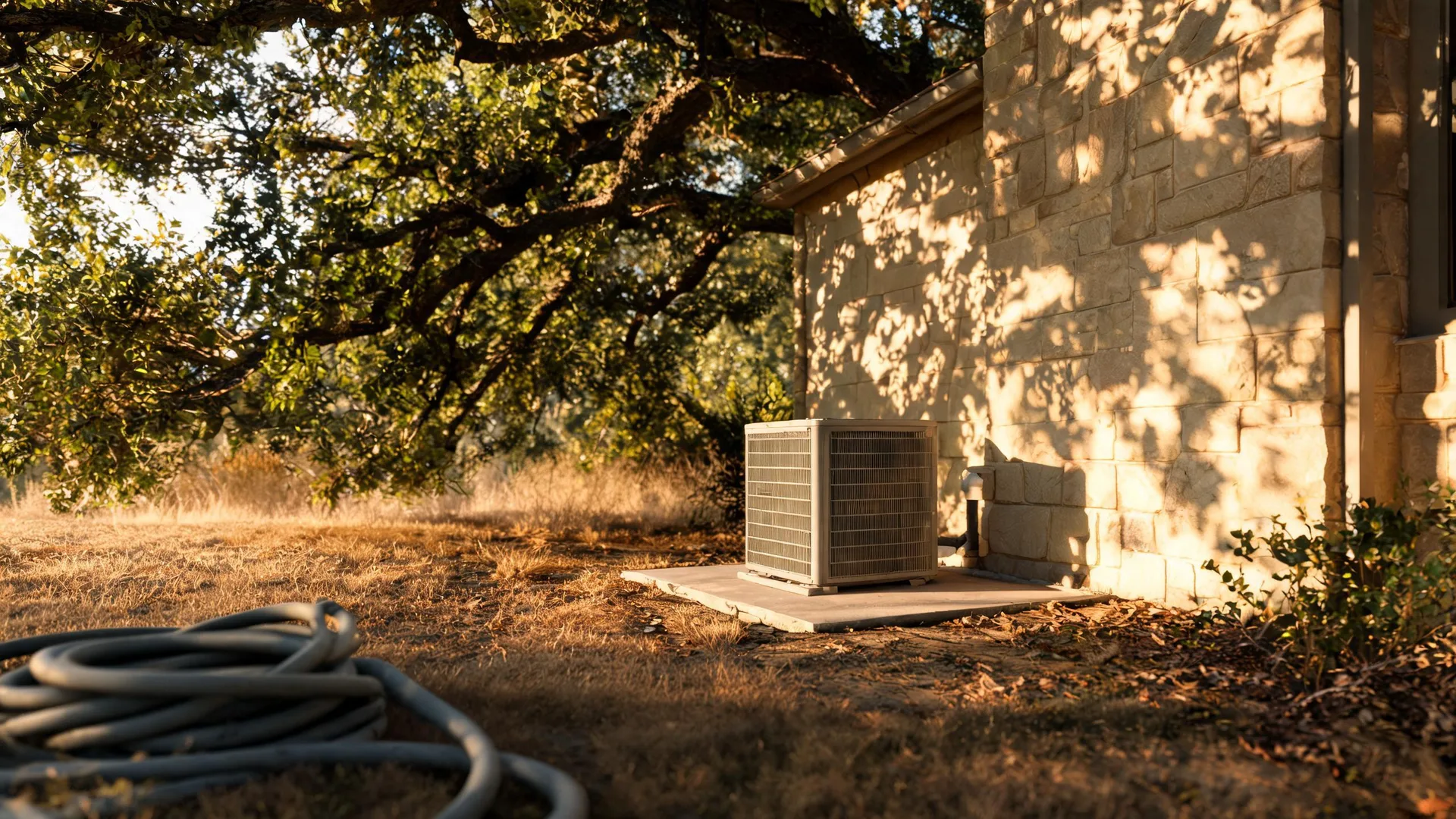
Most homes here run on gas
Utility gas heats 51.9% of occupied homes in Shoshone County, more than any other fuel. Electricity comes in second at 33.2%.
Takes about a minute. No obligation.
Utility gas heats 51.9% of occupied homes in Shoshone County, more than any other fuel. Electricity comes in second at 33.2%.
Installing a heat pump here usually means adding electric heating and cooling where a gas furnace used to do the heating alone. Whoever sizes the job needs to know what your home has now, gas furnace, electric furnace, or something else, before deciding what the heat pump should pair with.
Winter storms hit Shoshone County 189 times between 2015 and 2024.
A heat pump installed here needs to hold up through heavy snow and ice, not just mild weather.




Kellogg falls in climate zone 5B, a cold, dry zone where heating carries most of the work. Any split-system heat pump installed here now has to meet federal minimums of 14.3 SEER2 for cooling and 7.5 HSPF2 for heating, the standard that took effect for units built from January 2023 onward. That HSPF2 number matters more here than the cooling rating, since heating is what the system will spend most of its year doing. These are floors, not targets, so equipment on the market now can meet them or beat them. A federal tax credit is also available for qualifying installations, separate from whatever a contractor quotes for the job itself.
Nothing about Kellogg's weather or power rates pushes you toward a bigger or pricier unit than the job calls for. A properly sized system will handle winters here. Get the sizing right and the install set before the cold settles back in.
Find a contractor
Half the homes in Shoshone County were built in 1959 or earlier. A house that old was built for whatever heated it then, likely not forced air sized for a heat pump. Ductwork, if it's there, may have been added or adapted later for a furnace, not for the steadier, lower-temperature air a heat pump puts out. Before anything gets installed, whoever does the job needs to check what your ducts can actually carry, not just what the equipment can produce.
The right size comes from a load calculation that weighs wall and window area, insulation, ceiling height, and how much sun and wind the house takes on. Houses that look alike from the street can need different sized systems once someone works through the numbers. Skip the calculation and the size on the equipment is just a guess.
Oversizing sounds safe but it isn't. A heat pump that's too large blasts a room to temperature fast, shuts off, then starts again soon after. That short cycling wears on the compressor and never gives the system time to pull moisture out of the air or settle the house into steady comfort. Sized right, it runs longer stretches at lower output, which is how these systems are built to work.
If a furnace is coming out to make room for the heat pump, it doesn't need to go anywhere special. Scrap haulers take old furnaces and air conditioners for the metal, and most contractors fold removal into the install instead of leaving it for the homeowner to sort out. A gas furnace means a line to cap off, and that part of the disconnect falls to a licensed plumber or the gas utility, not the heating contractor. If the old system used a disconnect box or dedicated breaker outside, that stays unless the new heat pump needs its own. Refrigerant in an old air conditioner's lines has to be recovered properly before the unit is cut loose, not vented, so factor that step into the timeline rather than assuming the old unit disappears the same day the new one goes in.
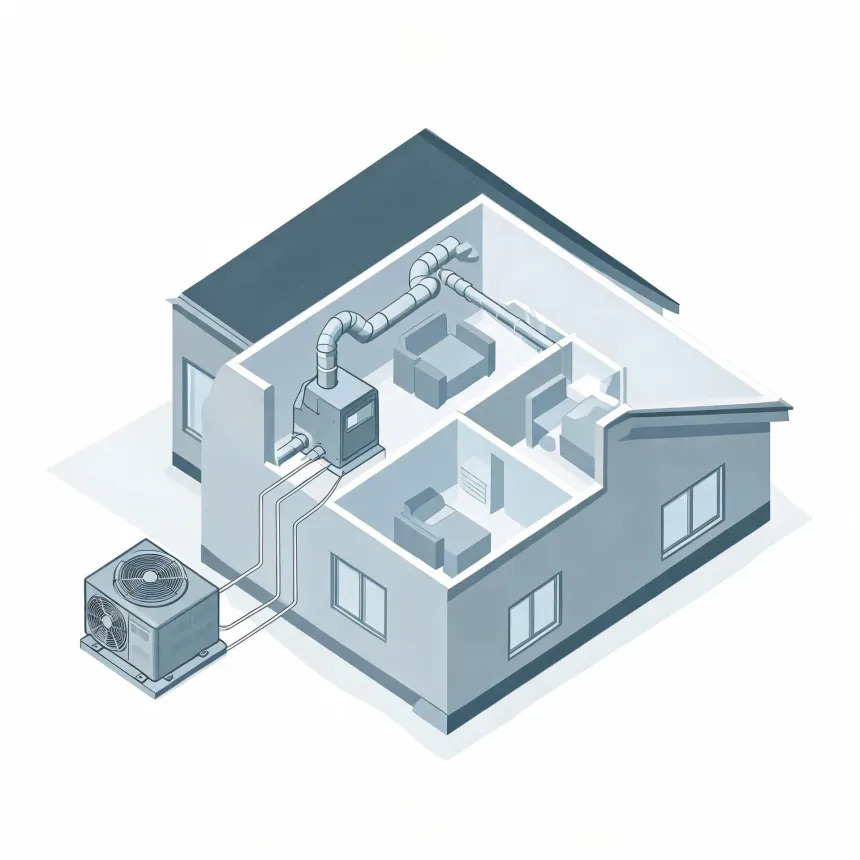
Install day starts with the outdoor unit and the indoor coil, set in place and connected by refrigerant lines that run between them. Those lines get brazed, not just fitted, so that joint is where a crew spends real time getting it right. Once the lines are connected, the whole system gets pulled down to a vacuum to clear out air and moisture before any refrigerant charge goes in, and that step alone can take a while depending on how the lines were run. Electrical comes next, power to the outdoor unit and a control wire run to the thermostat, along with a condensate line so the indoor coil has somewhere to drain. The last part is charging the system and checking it against the manufacturer's numbers for that specific unit and line length, not just running it and calling it done. A job that skips the vacuum or eyeballs the charge instead of measuring it will run, for a while, but it won't run the way it's supposed to.