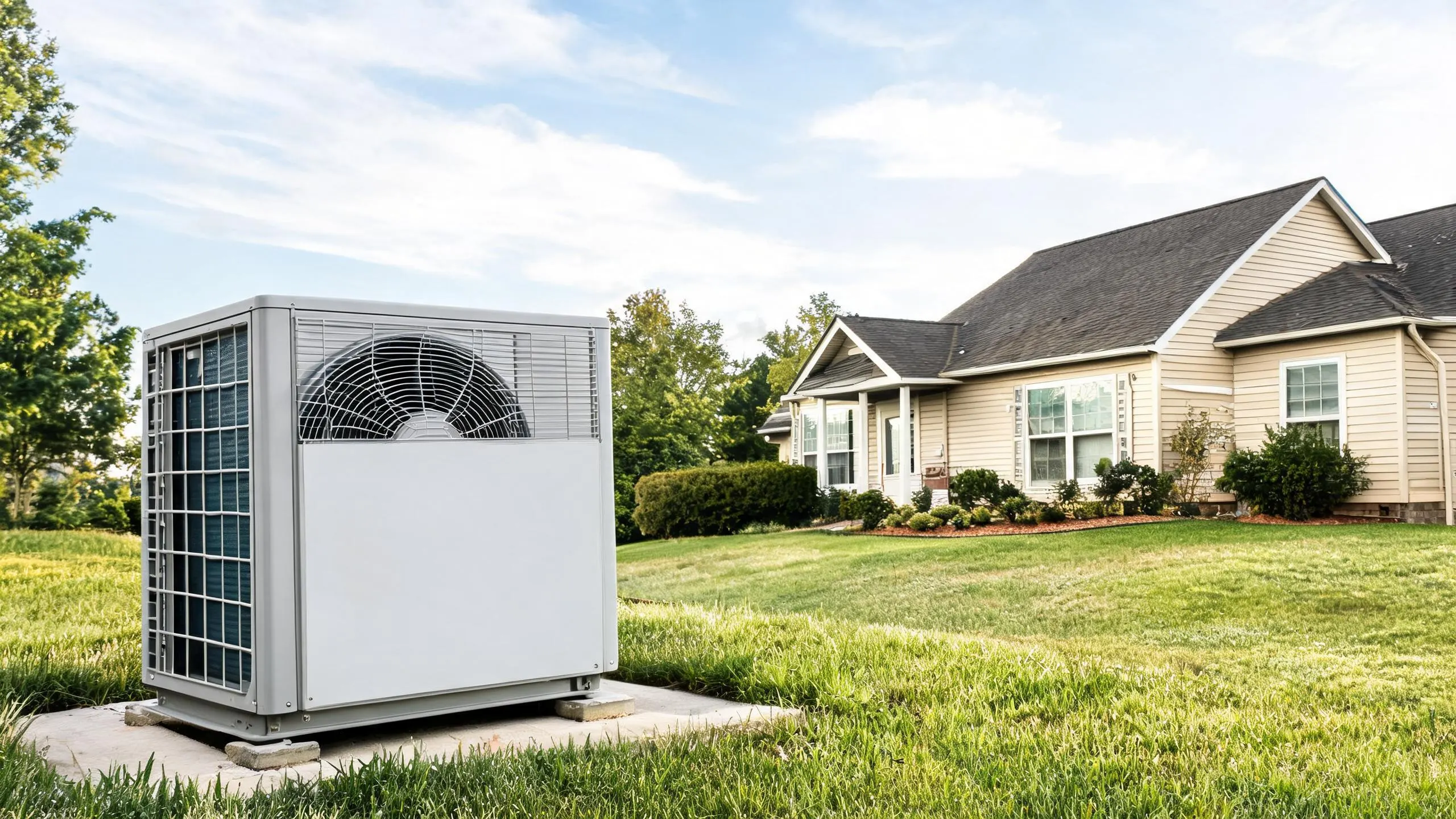



An outdoor heat pump unit mounted on a concrete pad in front of a single-story suburban house with beige siding.

Heat Pump Installation in Bonners Ferry, ID

Tell us about the job

Takes about a minute. No obligation.

New system or replacementHeat PumpBoundary County, ID
Step 1 of 2

What ZIP code is the job in?

Utility gas heats more homes in Boundary County than anything else, 38.8 percent. Electricity comes in second at 25.4 percent, and LP gas heats another 4.2 percent. That tells you something about a heat pump install here. Most of these homes already have a gas furnace doing the work on the coldest days, and a heat pump can pair with that furnace instead of replacing it outright. The heat pump handles the mild stretches of the year, and the furnace kicks in when it gets too cold for the heat pump to work efficiently on its own. If your home runs on electric heat now, the install looks different, since the heat pump takes over the whole job instead of sharing it.

10 months
September through June, your system heats
20°F
the average winter night it heats against
71°F
the average summer afternoon it cools against
Isometric cutaway illustration of a single-story house showing interior rooms, ceiling ductwork connected to an air handler, and an outdoor condenser unit linked by a line set.

The size of the heat pump has to match the size of the house, not the other way around.

A unit too big for the space cycles on and off and never runs long enough to work efficiently.

A standard heat pump sized right handles this county fine

Power costs 11.52 cents a kWh statewide
41 damaging wind events from 2015 to 2024
338 winter storms from 2015 to 2024

Overnight lows here average 20°F through December, January and February, and that's within range for a standard heat pump. Units built for this climate are rated to keep producing heat well below that mark, which is why pairing one with a furnace works rather than needing a bigger system to compensate. Sizing still comes down to the house itself, the square footage, the windows, the insulation, not the cold snaps or the storms that roll through. Boundary County sees winter storm conditions often, but a correctly sized heat pump and furnace pair handle that the same way they'd handle any other cold night. There's no case here for going bigger than the house calls for.

Any heat pump installed here has to meet zone 6B's efficiency minimums

Boundary County falls in climate zone 6B, and any split-system heat pump installed here has to meet federal minimums of 14.3 SEER2 and 7.5 HSPF2. That's the floor a contractor has to install to, not a suggestion. A heat pump that meets it is already built to pair with a furnace or carry the load on its own, whichever your home needs.

Find a contractor
A gray outdoor HVAC unit mounted on a concrete pad beside a house with gray lap siding and a stone foundation.

Ten months of heat means the real deadline is August

Heat here runs September through June, ten months most years. August is what you've got before that starts. Installing a heat pump in the summer means it's tested and running before the first cold morning, not mid-job when you need heat the same week. A contractor working against the calendar instead of against a cold snap gets the pairing with your furnace set up right, the thermostat programmed, everything checked, instead of rushing to get something running before the next freeze.

A load calculation decides it, not the square footage alone

A contractor works out heat loss and heat gain for the house. That means the walls, the windows, the ceiling height, which way the house faces. A house that holds heat well needs less capacity than one that doesn't, even at the same square footage. Square footage alone gets you a rough guess. The load calculation gets you the number a unit should actually be built to.
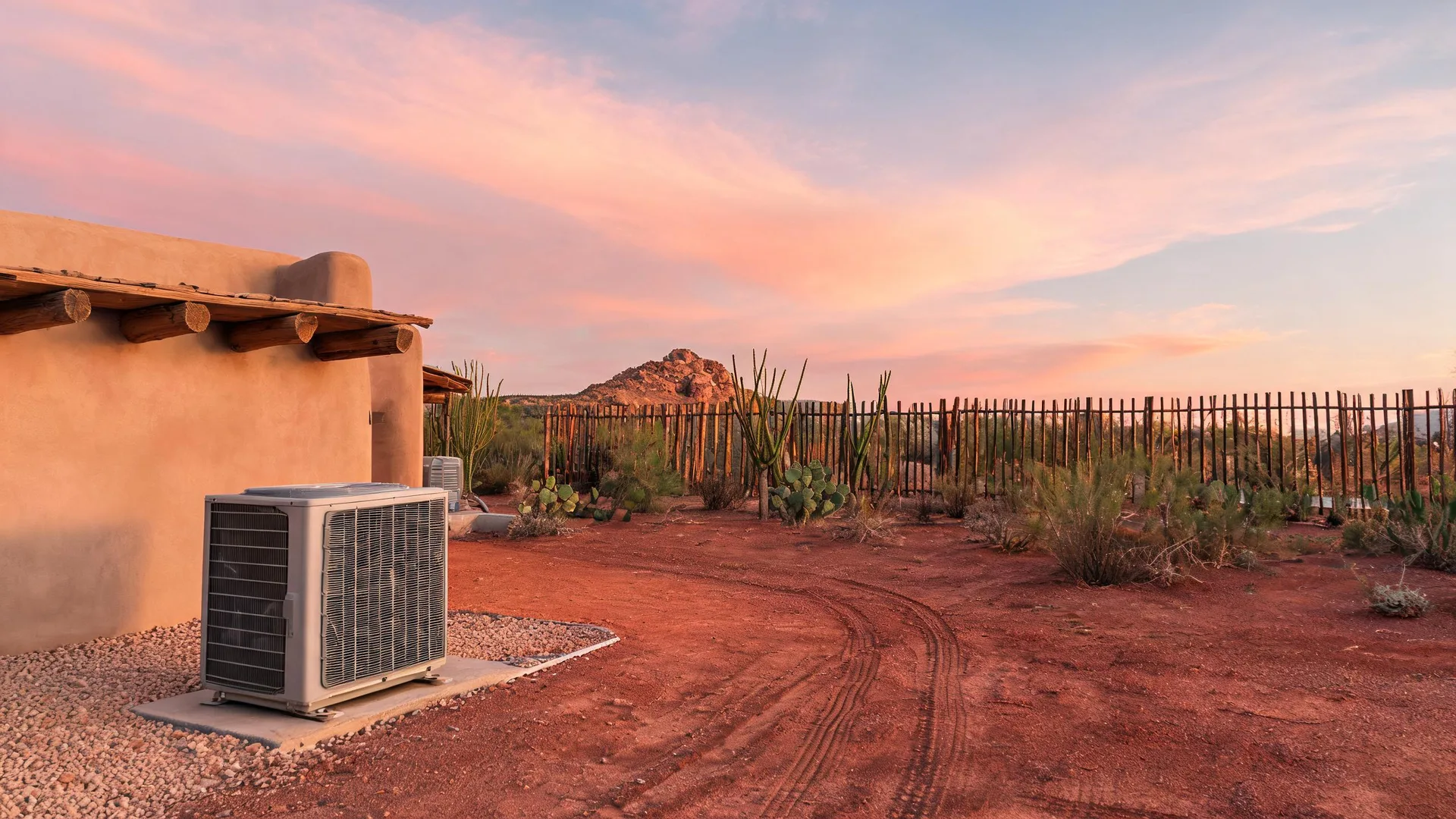
Oversized is its own problem, not a safety margin

A heat pump that's too big satisfies the thermostat fast and shuts off before it finishes a full cycle. Short cycling like that means the house never settles at an even temperature, and the compressor wears out faster from all the starts and stops. The fix isn't picking the bigger unit to be safe. It's sizing to the number the house actually needs.

Taking out the old furnace or condenser isn't always part of the job. If a heat pump is going in alongside an existing gas furnace, that furnace stays right where it is and keeps doing what it does on the coldest days. If the heat pump is replacing an old electric furnace or an old AC condenser outright, that equipment comes out. The indoor coil usually gets swapped too, since older coils aren't built to match up with newer refrigerant or the way a heat pump cycles. Refrigerant lines get checked and often replaced rather than reused, since old line sets can have the wrong diameter or old residue that causes problems in a new system. None of that old equipment gets left in place just because it still turns on.

The number on the label, SEER2 for cooling and HSPF2 for heating, tells you how much output a unit gets from the power it uses. Higher numbers mean less electricity for the same amount of comfort, but that rating is measured under set lab conditions, not whatever the weather is doing that week. A heat pump still has to be sized to the house to actually hit that number. One that's too big for the space cycles on and off and never runs long enough to reach its rated efficiency. One that's sized right runs longer, steadier cycles and gets closer to what the label promises. The rating is a starting point for comparing units against each other, not a guarantee of what you'll see once it's installed.