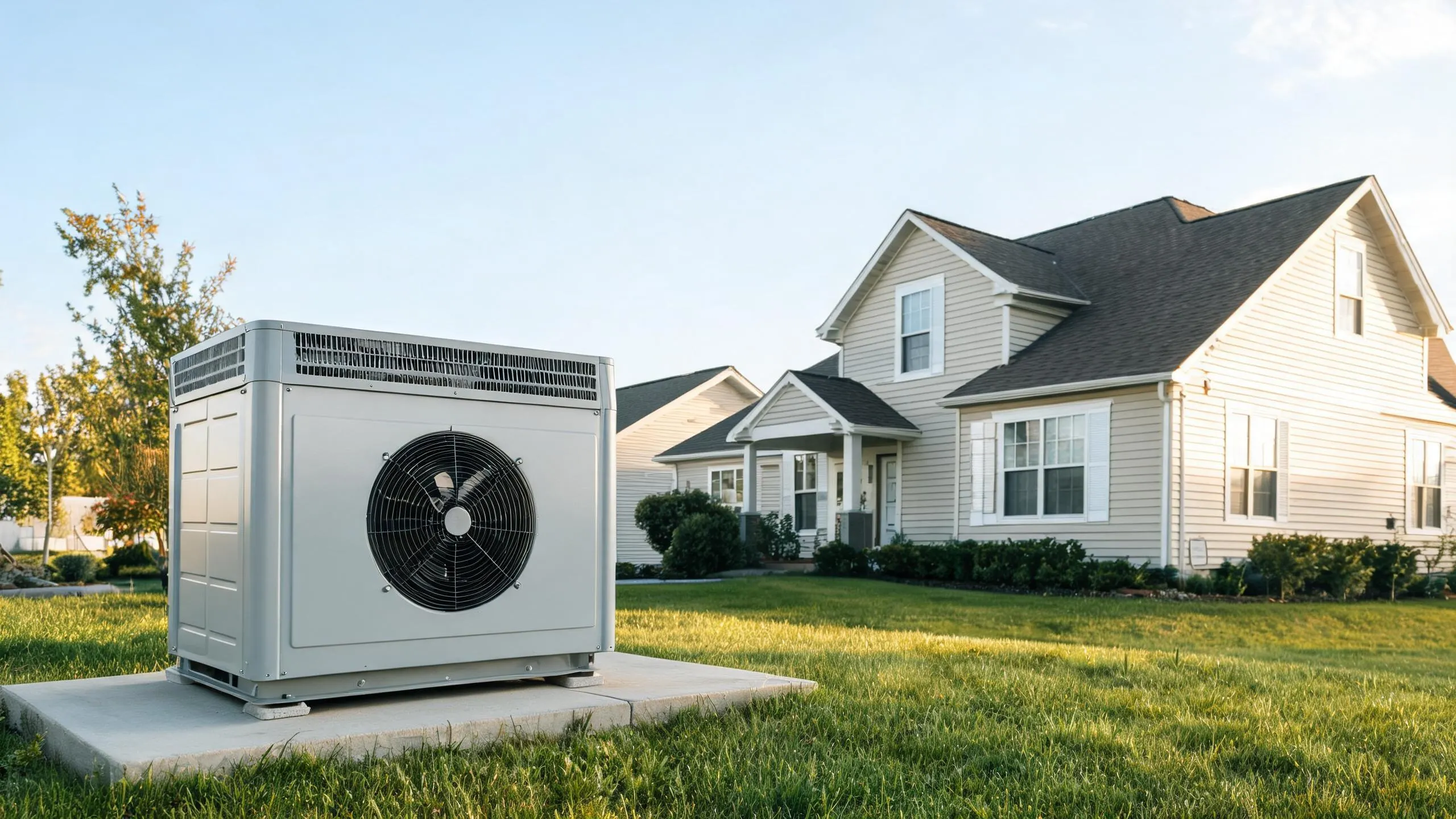



An outdoor heat pump unit mounted on a concrete pad in the front yard of a gray suburban house.

Heat Pump Installation in Nampa, ID

Tell us about the job

Takes about a minute. No obligation.

New system or replacementHeat PumpCanyon County, ID
Step 1 of 2

What ZIP code is the job in?

Gas heats close to six in ten homes in Canyon County, and most of the rest run on electricity. A heat pump fits either starting point, but what it replaces changes the job. Swap out an electric furnace and the ductwork is likely already sized for an electric system's airflow. Replace a gas furnace and the contractor has to check whether the existing ducts suit a heat pump, since the two don't always move air the same way. Either way, a heat pump installed here needs to be sized for Nampa winters, not just the square footage of the house.

8 months
October through May, your system heats
3 months
June through August, it cools
25°F
the average winter night it heats against
89°F
the average summer afternoon it cools against
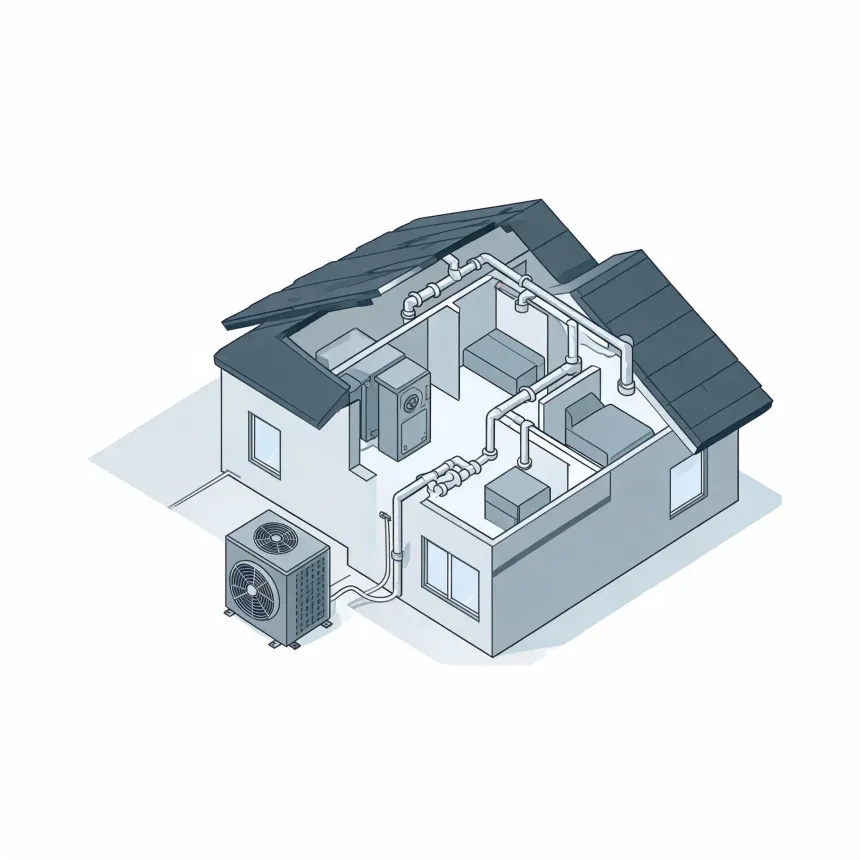
Isometric grayscale illustration of a cutaway two-story house showing interior ductwork, an indoor air handler unit, and an outdoor condenser unit on a pad beside the building.
Your system heats October through May and cools June through August.

NOAA nClimDiv, 1991–2020 normals

Winter nights here average 25°F, not well below zero.

A heat pump sized right for that doesn't need to be the top-tier model to hold up.

September is the month to get it done, before heat season starts in October

Cooling runs June through August
Heat runs October through May
37 winter storms from 2015 to 2024
Power is cheap hereIdaho electricity ran 11.52 cents a kilowatt-hour in 2024, so payback on the priciest model takes longer.

Canyon County sits in zone 5B, a cool, dry climate where heating carries most of the load. Any heat pump installed here has to clear a federal floor. Built new, it has to hit at least 14.3 SEER2 for cooling and 7.5 HSPF2 for heating. That floor narrows the field before you even start comparing brands. A contractor sizing a system for your house works up from there, based on how much heat your home loses and how cold it gets on the nights that matter.

Size it for Nampa winters, then install it right

Pick a contractor who sizes the heat pump for a 25°F average low, not for the worst cold snap on record. Mid-tier equipment built for that job will hold up fine here, and a straightforward install is one less thing to get wrong before the weather turns.

Find a contractor
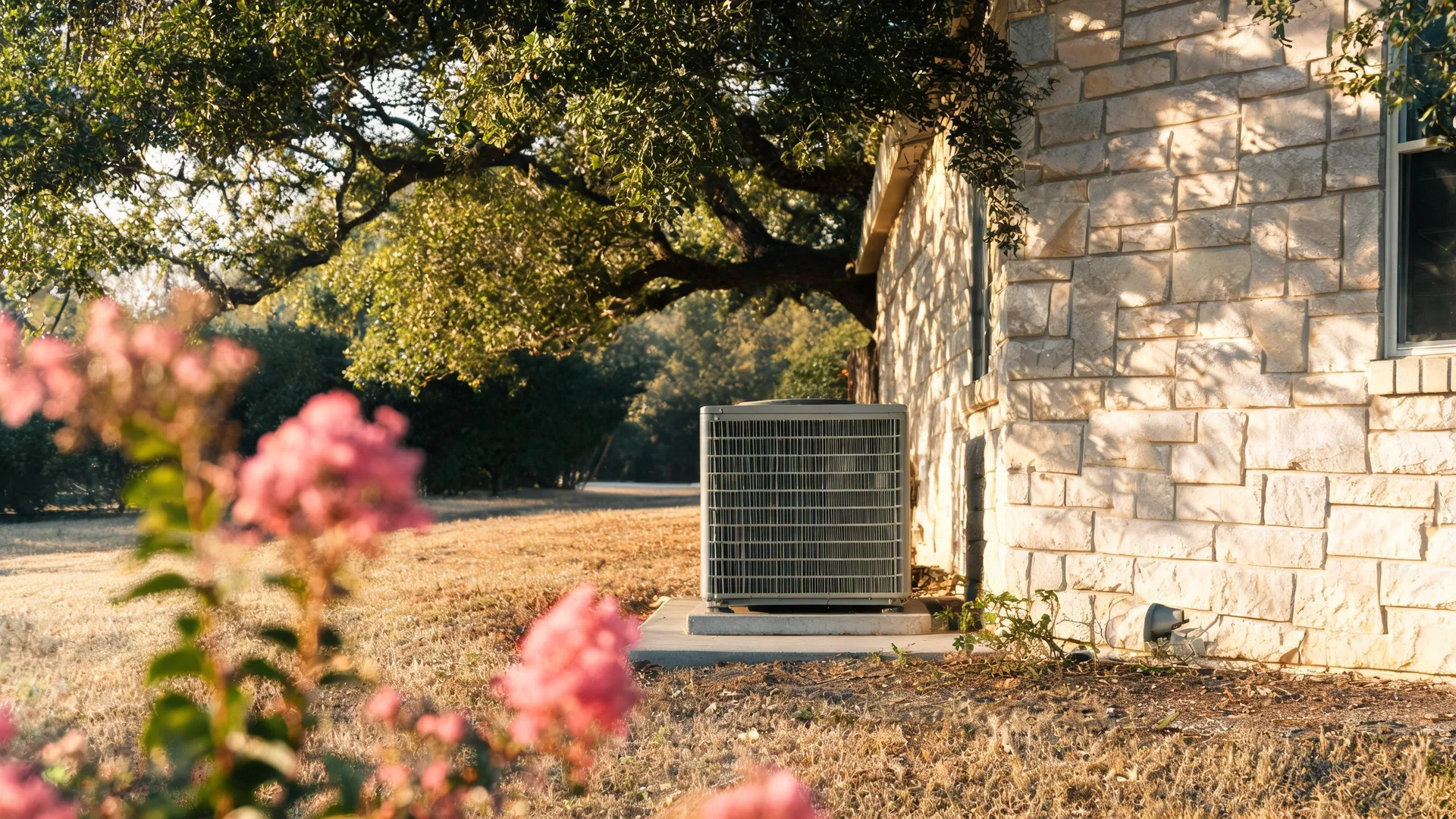
A gray heat pump outdoor unit mounted on a concrete pad next to the stone-accented exterior wall of a house.

The install is the job, not just the unit

The equipment is only part of what you're paying for. A heat pump has to be matched to the house, not just dropped in where the old furnace sat. That means a contractor working out how much heat the place loses through the walls, the windows, the roof, before picking a unit sized to cover it. Get that step wrong and you either pay for capacity you don't need or end up with a system that runs constantly and still can't keep up. The other driver is what's already there. If the ductwork was built for a gas furnace, it may not move enough air for a heat pump, and modifying ducts costs more than connecting to ones already sized right. Line sets, electrical capacity, a pad or mount for the outdoor unit, all of that is part of the job too. None of it shows up in the price of the unit itself, but all of it shows up in what the install takes.

Ask for the heat loss number, not just a model name

Any contractor worth hiring should walk through the house and work out how much heat it loses before recommending a unit. If someone quotes a system off the square footage alone, ask what that number is based on. The answer tells you whether they sized it or guessed.
Ask what happens at the balance point

Every heat pump reaches a temperature where it can't pull enough heat from the outside air to keep up on its own, and the system needs backup heat to fill the gap. Ask where that point is for the unit they're quoting, and what kicks in when it's reached. A system with backup heat set up wrong will run constantly and still leave the house cold.

The SEER2 and HSPF2 numbers on the label are efficiency ratings, not a measure of how much heat or cold the unit can deliver. A higher number means it gets more heating or cooling out of the same amount of electricity, not that it works harder or covers a bigger house. Units with the same capacity can carry very different ratings, and the one with the higher number costs less to run over the life of the system. That rating is also measured in lab conditions. How the unit performs in your house depends on the ductwork it's connected to, how well the refrigerant charge was set, and whether it was sized right for the house in the first place. A high-efficiency unit installed poorly will run worse than a plain one installed right.

Install day starts with the old equipment coming out, not the new one going in. The contractor disconnects the furnace or old system, caps or reworks the line set, and checks what the ductwork actually looks like once it's exposed, since some of that is guesswork until the old cabinet is gone. Setting the outdoor unit comes next, on a pad or wall mount level enough that it won't shift or pool water underneath. Indoors, the air handler or coil goes in, lines get run and connected, and the system gets evacuated to pull out moisture and air before any refrigerant goes in. Charging it right matters as much as anything else that day. Too much or too little refrigerant and the unit will run, but it won't hold the output or the efficiency it's rated for. Once it's charged, the contractor runs it through its paces, heating and cooling both, and checks airflow at the vents before calling it done.