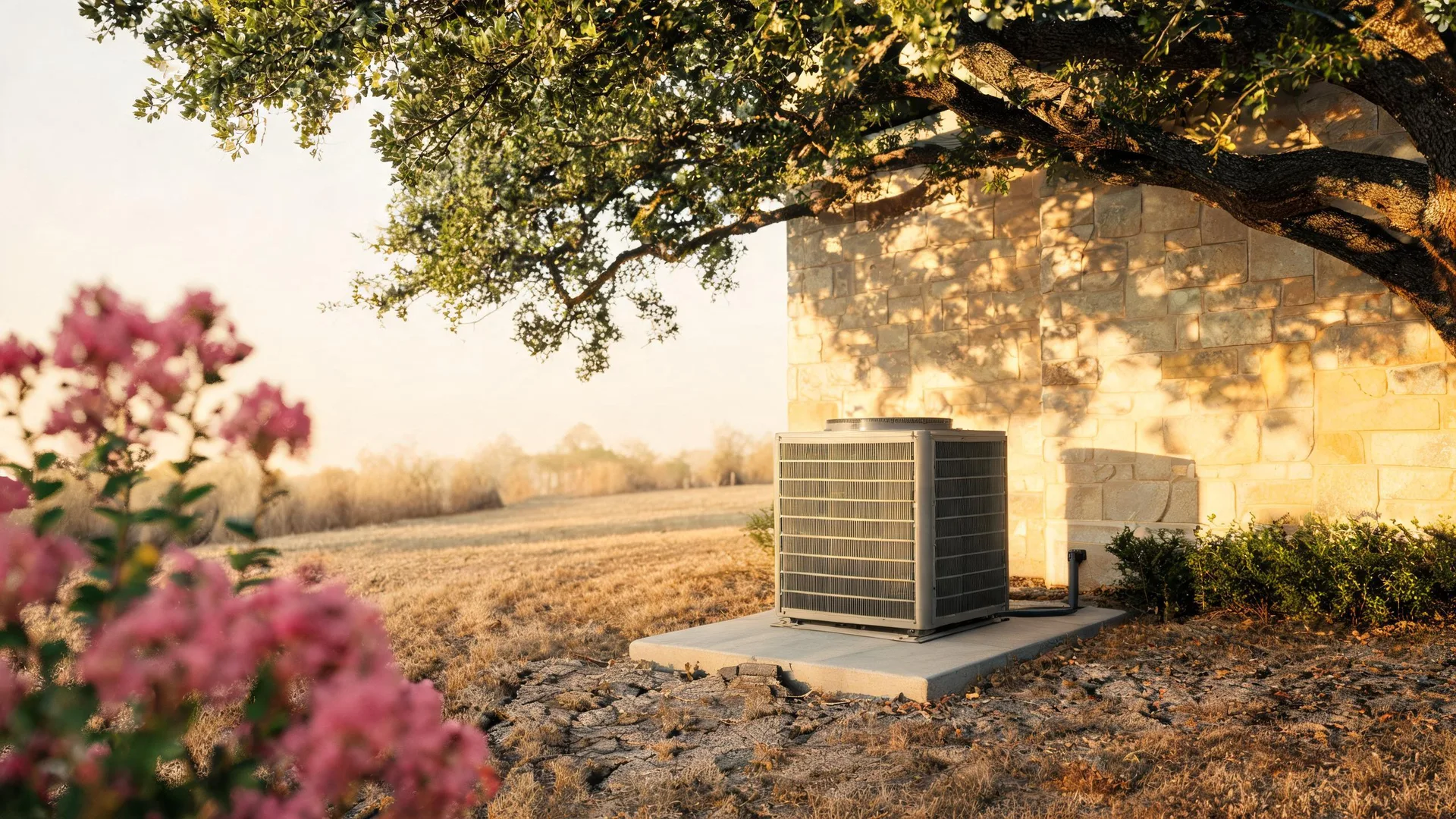
Gas heats most homes here
Utility gas heats 68.9% of occupied homes in Ada County. Electricity accounts for 27.5%, and the rest run on propane or oil. A furnace is the thing most homes already have.
Takes about a minute. No obligation.
Utility gas heats 68.9% of occupied homes in Ada County. Electricity accounts for 27.5%, and the rest run on propane or oil. A furnace is the thing most homes already have.
Putting in a heat pump instead of another furnace means the contractor is sizing for both heating and cooling from one system, not just swapping in the same thing. Worth asking how it handles the coldest nights here, and whether it needs backup heat to do it.
NOAA nClimDiv, 1991–2020 normals
Idaho electricity ran 11.52 cents per kilowatthour in 2024, cheaper than most states.
A heat pump still earns back its cost here, but pick it for how well it heats your coldest nights, not for the power bill alone.




Ada County falls in climate zone 5B, a cool, dry zone where the energy code counts heating as the bigger job for any system. A split-system heat pump installed here has to meet federal minimums of 14.3 SEER2 for cooling and 7.5 HSPF2 for heating. That's the floor, not a target, so every unit a contractor quotes should already clear it. Worth asking which model they're proposing and where it lands above that minimum, since that gap is what tells you how it handles a cold snap here.
Ask the contractor which model they're proposing and how it holds up on the coldest nights here. That's what decides whether it keeps the house warm, not the rate per kilowatthour.
Find a contractorThe case is already made that cold nights won't work this unit hard. So the question for installation is what to spend on instead of a higher efficiency rating. Ada County has seen damaging wind and winter storms more than it's seen hail, the kind of weather that reaches the outdoor unit regardless of how mild the heating load is inside. Ask the contractor about mounting and clearance for the outdoor unit rather than chasing a model above the minimum rating. A unit set solid on a good pad holds up to weather better than one picked for an efficiency number it will rarely need here.
A contractor has to run a load calculation on the house, checking square footage, windows, insulation and layout, to figure out what size unit it actually needs. Going bigger than that doesn't heat better, it just costs more up front and cycles on and off instead of running steady. The right size for your house is what keeps the cost honest.
If the ductwork is in good shape and sized right for a heat pump, the installer can connect to it and move on. If it's undersized, leaky, or built for a furnace that ran hotter air, it may need rework before the new system can perform the way it's rated to. The condition of what's already in the walls and attic is often a bigger factor than the unit itself.
A load calculation looks at the whole house, not just the square footage. It accounts for how many windows face which direction, how much insulation is in the attic, how high the ceilings run, and how the rooms connect to each other. Houses the same size can still need different sized units once you factor that in. Oversize it and the unit short cycles, running in quick bursts that cool or heat the air near the thermostat without working the rest of the house evenly, and that stop-start pattern wears on the compressor over time. Undersize it and it runs constantly on the coldest or hottest days and still can't keep up. The right size is the one that runs long, steady cycles and shuts off, which is also the quietest a system ever sounds.
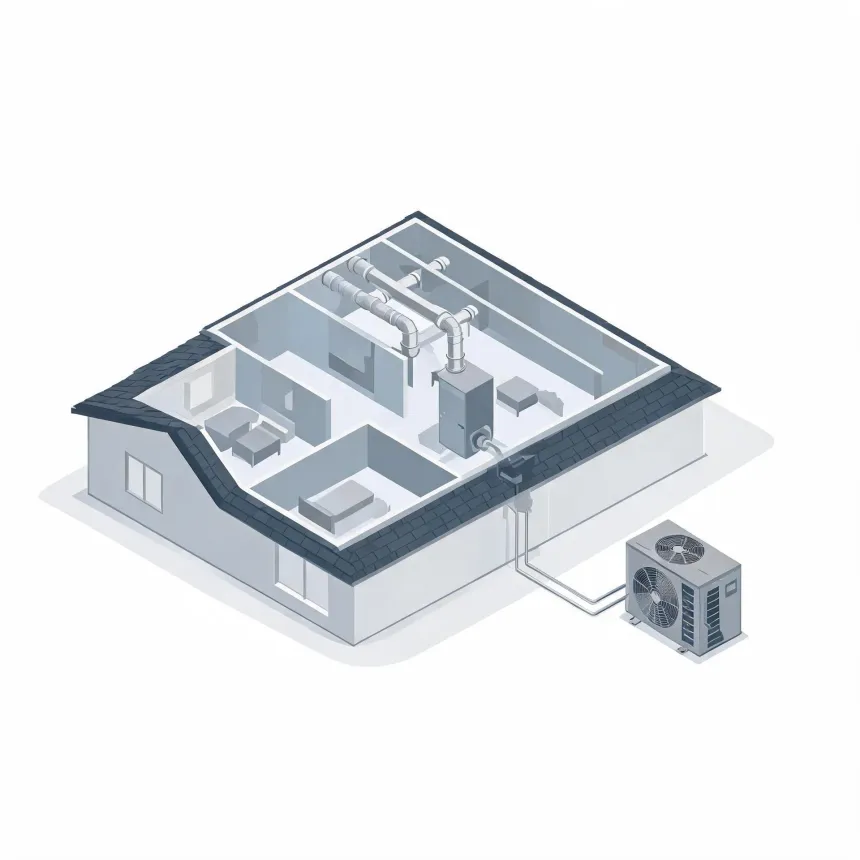
Installation day starts with the old equipment coming out, not the new unit going in. The contractor disconnects the refrigerant lines, the electrical, and if there was a furnace, the gas or the ductwork tie-ins, and hauls the old system out before anything new gets set. The outdoor unit goes on a pad, leveled and far enough from the wall to pull air properly. Indoors, the air handler or coil ties into the ductwork, and that connection gets sealed, not just fitted. Then the lines get connected, the system gets charged with refrigerant, and the contractor checks the charge against what the unit is rated for rather than eyeballing it. Before anyone leaves, it should run through a full cycle, heating and cooling both, with the contractor checking airflow at the vents and the temperature split across the coil.