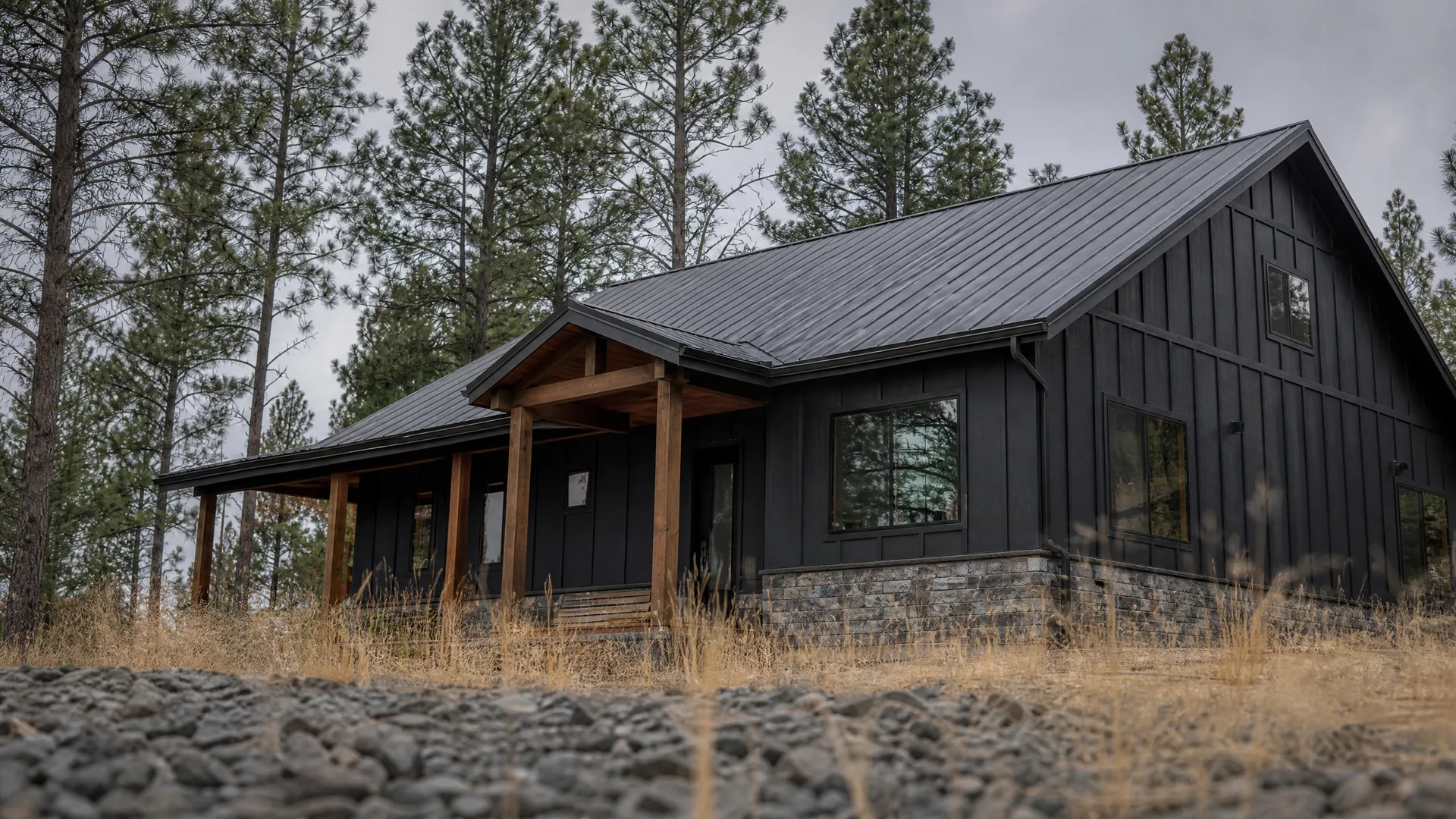






A black board-and-batten house with a metal roof, wooden porch posts and a stone foundation, surrounded by dry grass, gravel and tall pine trees under an overcast sky.

Heat Pump Installation in Shoshone, ID

Tell us about the job

Takes about a minute. No obligation.

New system or replacementHeat PumpLincoln County, ID
Step 1 of 2

What ZIP code is the job in?

Electricity heats 44.4% of the homes in Lincoln County, more than any other fuel, with utility gas a distant second at 26.5%. A heat pump fits that pattern since it runs on electricity and handles both heating and cooling from one outdoor unit. For a home already wired for electric heat, swapping in a heat pump usually means no new fuel line and no new venting to run. If your home currently heats with oil or propane, the installer will need to look at what's there now before pricing the change.

9 months
September through May, your system heats
2 months
July through August, it cools
18°F
the average winter night it heats against
84°F
the average summer afternoon it cools against
Isometric cutaway illustration of a single-story house showing interior rooms with furniture, an attic duct system connected to an indoor air handler, and an outdoor condenser unit linked by lines along the exterior wall.
Your system heats September through May and cools July through August.

NOAA nClimDiv, 1991–2020 normals

Half the homes in Lincoln County were built in 1985 or earlier, half in 1985 or later.

A heat pump sized to your square footage works the same either way.

Shoshone winters call for a standard heat pump, nothing oversized

Power costs 11.52 cents a kWh statewide
13 winter storms from 2015 to 2024
Winter nights average 18°F

Shoshone sits in zone 5B, where heating is the bigger load and the air stays dry. Any heat pump installed here new has to meet federal minimums for this kind of equipment. Those are 14.3 SEER2 for cooling and 7.5 HSPF2 for heating, and they apply to split systems built from 2023 on. Most of what a contractor quotes you will already meet them, since that's what gets manufactured now. A heat pump that qualifies can also bring back part of what you spend through the federal tax credit, worth asking your installer about when you compare quotes.

Get it in before September, while there's no rush

Heat here runs September through May, nine months of the year. August is the last quiet month before that starts. Putting in a heat pump before then means it's tested and running before you need it for heat, not during the first cold week.

Find a contractor
A man in a cap, gray long-sleeve shirt and tan work pants carries a canvas tool bag up gray porch steps toward a dark blue front door, with a blue ceramic planter and shrub beside it.
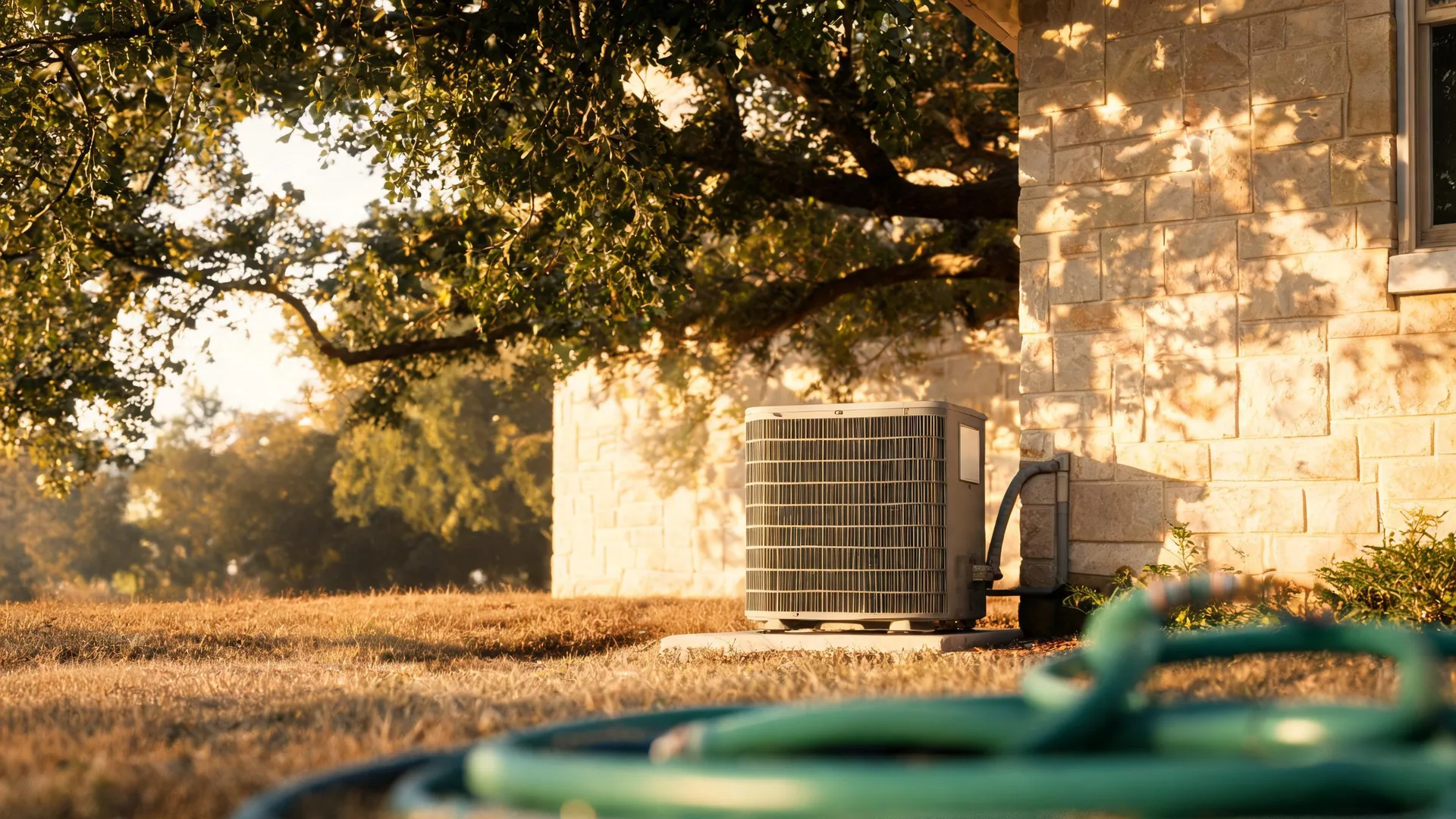
A dark gray heat pump unit mounted on a concrete pad next to a house with gray siding and a stone veneer wall.

What actually sets the price

Installed cost comes down to what the job actually takes, not just the equipment sitting in the truck. Size matters first. A unit has to match your home's heating and cooling load, and a contractor gets there with a load calculation, not a guess based on square footage alone. Go too big and the system short-cycles. Go too small and it runs flat out without keeping up. Ductwork is the other big variable. If what's there is sealed, sized right, and in good shape, the crew connects to it and moves on. If it's leaky, undersized, or wasn't built for a heat pump's airflow, that gets fixed first, and that work can take longer than setting the outdoor unit. Electrical matters too. A heat pump needs a dedicated circuit and breaker sized for it, and if the panel is older or already full, that's its own job before the heat pump goes in at all. Where the outdoor unit sits, how far the line set has to run, and whether extra crew is needed to move equipment all shift the labor side as well. None of this shows up on a spec sheet, which is why homes that look alike on paper can land on very different quotes.

The old furnace or AC doesn't have to go first

A contractor can pull the existing furnace and outdoor condenser after the heat pump is in and running, so there's no stretch with no heat or no cooling while the swap happens. If the old system uses a fuel line or flue that the heat pump won't need, capping or removing that is part of the same job.
What's worth keeping gets kept

If the old system shares ductwork with the new heat pump, that ductwork gets inspected and reused if it checks out, not replaced on principle. A working thermostat wire or electrical disconnect box often carries over too. The old outdoor pad usually stays, since the new unit can sit right on it.

A load calculation is what tells the installer how much heating and cooling your home actually needs, room by room. It looks at window area, wall and ceiling insulation, and how much air leaks in and out. Square footage alone doesn't capture that. Homes the same size can need different sized equipment depending on how they're built. Bigger isn't a safety margin. An oversized heat pump satisfies the thermostat fast and shuts off. That sounds good but it means the system never runs long enough to pull moisture out of the air or settle into steady, efficient operation. Undersized does the opposite. It runs constantly and still can't keep up on the coldest days. The right size runs long, steady cycles that match what the house is actually losing or gaining. That's worked out room by room, not read off a chart.

Installation day starts with the outdoor unit and indoor coil, not with tools coming out. A crew sets the outdoor unit on its pad, runs the line set between it and the indoor coil, and connects the electrical circuit the panel work already prepped for. If ductwork is being reused, that gets tied in next. If the old furnace is coming out, it usually comes out after the heat pump is already running, so there's no gap with no heat. Once everything's connected, the system gets charged with refrigerant to the right level and the crew checks airflow at the vents. Before anyone leaves, the thermostat gets programmed and the system runs through both heating and cooling so you can hear it actually switch over and feel air moving from every register.