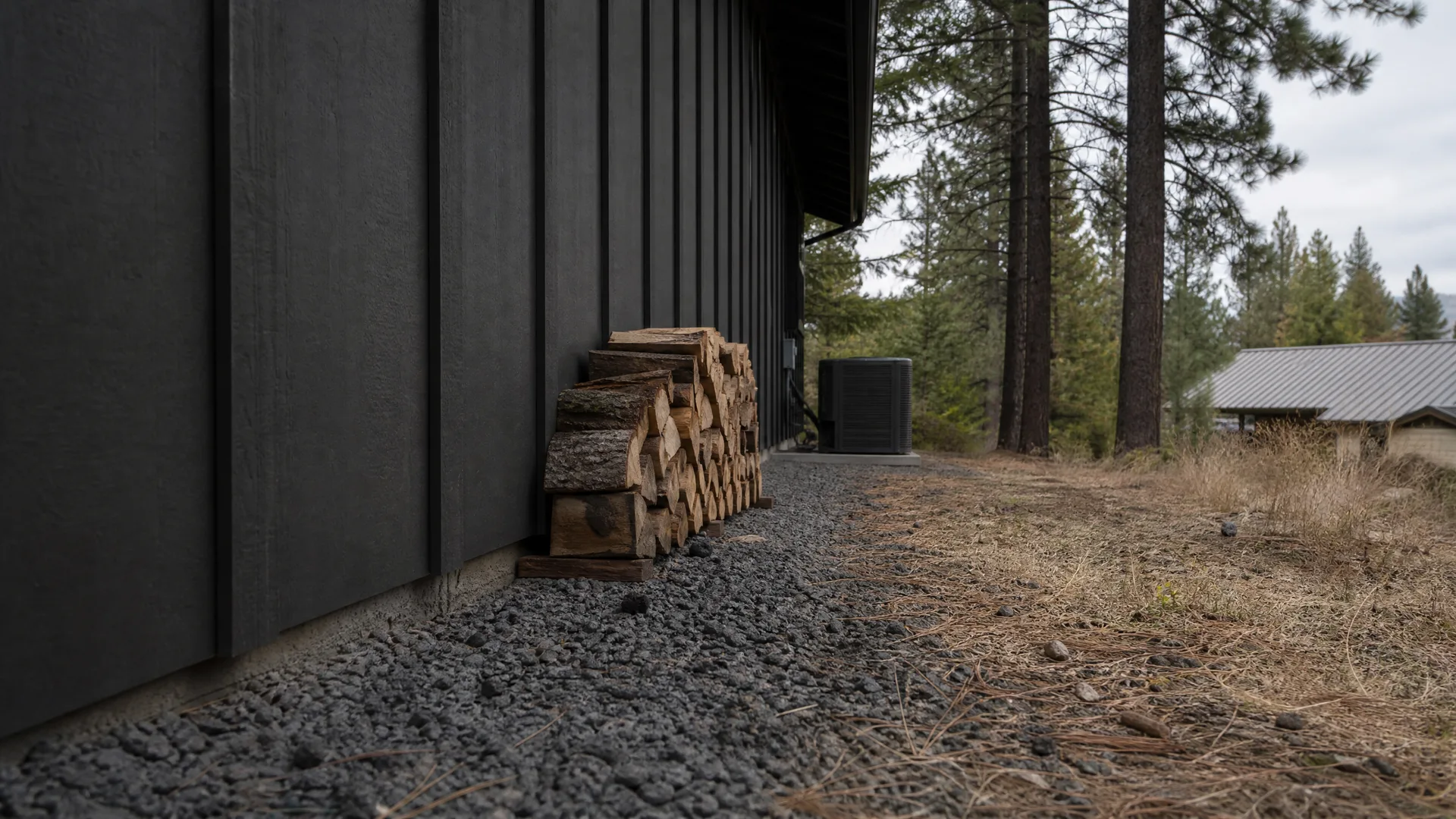




Dark vertical wood siding along the side of a house with a stack of split firewood and an outdoor condenser unit on a gravel strip, with pine trees, dry grass and a metal-roofed outbuilding in the background.

Heat Pump Installation in Blackfoot, ID

Tell us about the job

Takes about a minute. No obligation.

New system or replacementHeat PumpBingham County, ID
Step 1 of 2

What ZIP code is the job in?

Gas heats close to half the homes in Bingham County, electricity heats most of the rest. A heat pump is a different path than either, since it moves heat instead of burning gas or running resistance coils, and it handles cooling too. If your home is on electric heat now, a heat pump often slots into the same ductwork without touching a gas line at all. If you're on gas, a contractor can tell you whether your ducts and panel are ready, or whether the heat pump should work alongside the furnace rather than replace it outright.

10 months
September through June, your system heats
2 months
July through August, it cools
16°F
the average winter night it heats against
81°F
the average summer afternoon it cools against
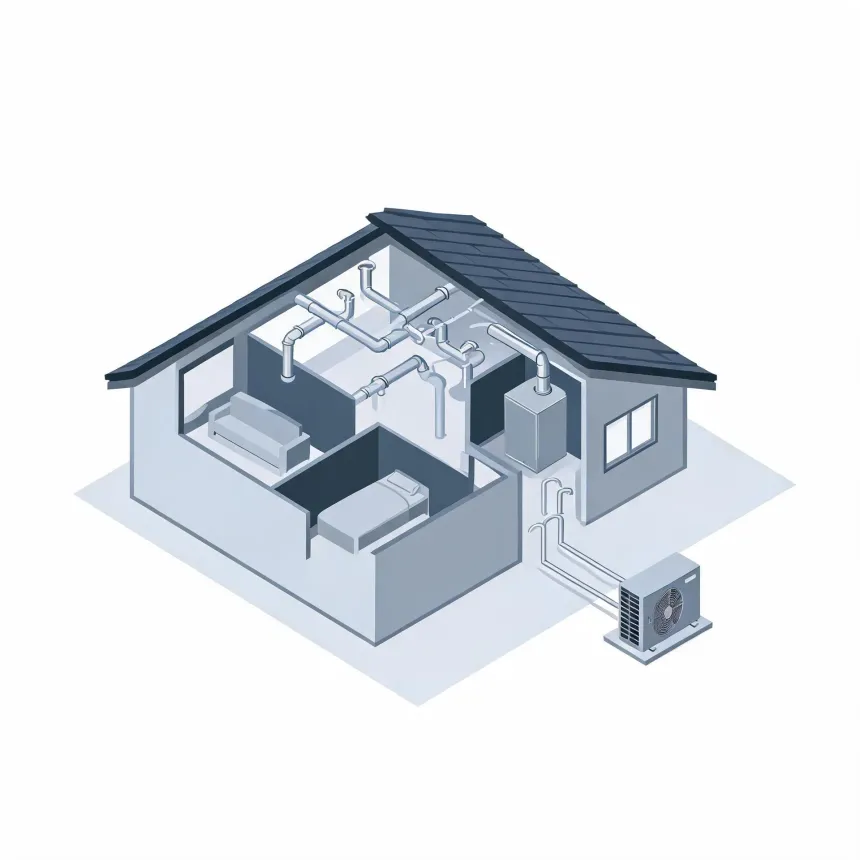
Isometric cutaway illustration of a small house showing ducted air distribution, an indoor air handler, and an outdoor condenser unit connected by lines, with a sofa and bed in the rooms.
Your system heats September through June and cools July through August.

NOAA nClimDiv, 1991–2020 normals

Overnight lows in Bingham County average 16°F through December, January and February.

A correctly sized heat pump handles winter here without upsizing just to be safe.

A heat pump sized for Blackfoot doesn't need to be bigger or pricier

Power costs 11.52 cents a kWh statewide
109 damaging wind events from 2015 to 2024
10 hail events from 2015 to 2024

Half the homes in Bingham County were built in 1978 or earlier, and that doesn't change what size heat pump yours needs. Sizing comes from the home's heat loss, figured from the square footage, the windows, and how the walls are built, not the year it was built. Mobile homes make up a share of the housing here too, and those get sized off the home's own duct system rather than a default unit. Outside of that, nothing about a home's age or type here calls for going bigger than the load calculation says. A unit sized to the house runs steadier than one sized up out of caution.

Have it running before September

Heat here is a ten month job, September through June, with August the last quiet month before it starts. Putting a heat pump in before then means the first cold morning isn't also the first time it runs.

Find a contractor
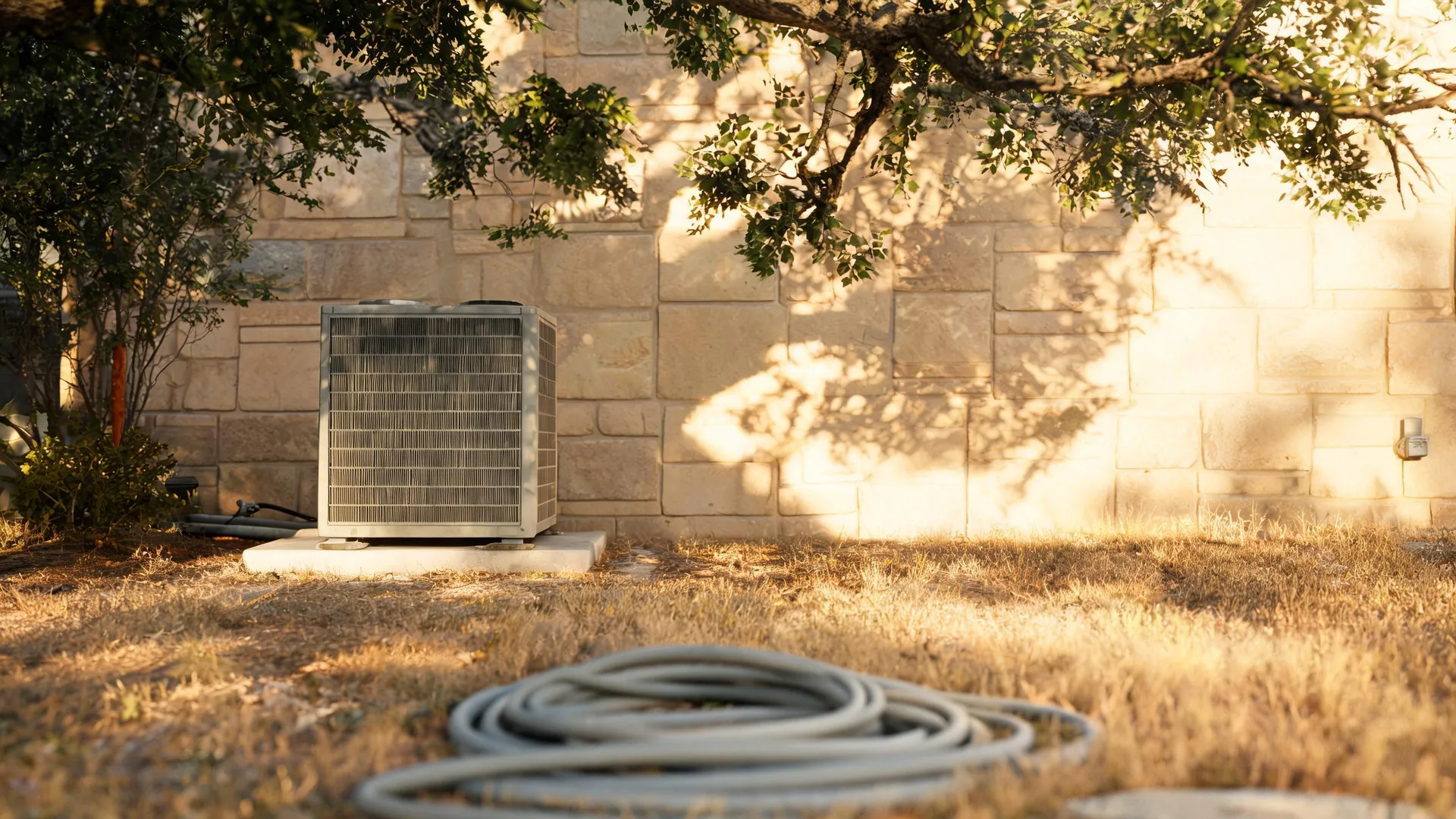
A residential heat pump outdoor unit mounted on a concrete pad next to a house with gray vinyl siding.

The rating on the label only holds if the unit fits the house

The rating on the label comes from a lab test, not from your house. A technician runs the unit at set conditions, cycling it on and off the way a correctly sized system actually behaves, and that cycling is part of what earns the number. A unit that's too big for the space doesn't cycle that way. It blasts up to temperature fast and shuts off, then starts again a few minutes later, and that pattern never matches what the label promised. A unit that's too small runs flat out nearly all the time trying to keep up, which burns more power than a system sized right. Either way, the rating on the sticker describes what the equipment can do under ideal conditions, not what it will do bolted to the side of a house it doesn't fit. Matching the unit to the home is what makes that number mean anything.

Ask for the heat loss number, not just a ton size

A contractor should be able to tell you the heat loss figure they calculated for the house, not just hand you a tonnage. If the only answer you get is the size of the old unit matched to a new one, that's not a calculation, that's a guess carried forward.
Ask what happens at the coldest point

Every heat pump has a point where it can't pull enough heat from the outside air alone, and below that point something else has to carry the load, whether that's a furnace working alongside it or backup heat strips built into the air handler. Ask what your system leans on when the air outside is at its coldest, and whether that backup source is already in place or still needs adding.

The equipment itself is only part of what you're paying for. A heat pump install means a new outdoor unit, often a new air handler or coil to match it, and whatever electrical work it takes to get the right circuit to both. If the ductwork is undersized or leaky, that gets addressed too, because a heat pump pushes air at different temperatures and volumes than a gas furnace did. Whether backup heat strips are needed, and how much capacity they carry, factors in as well. A straight swap, same footprint, same ducts, same panel, is a simpler job than one where the electrical service needs upgrading to handle a bigger load. The load calculation drives the size of the unit, and the size of the unit drives most of what follows it.

Installation day starts with setting the outdoor unit and the indoor coil or air handler in place. Refrigerant lines run between them, cut and brazed on site, and those joints get pressure tested before anything runs. A slow leak at a bad joint is one of the more common reasons a new system underperforms once it's been in a while. Electrical work usually happens alongside that. A new circuit gets run, a disconnect box goes in by the outdoor unit, and the air handler gets tied into the panel. The line set is pulled into a vacuum before refrigerant goes in, since any moisture or air left inside makes the system work harder than it should. The last step is commissioning, where the technician checks refrigerant charge, confirms airflow across the coil, and makes sure the thermostat is actually controlling the system. A job that skips that step might run, but nobody's confirmed it's running the way it's supposed to.