






An outdoor heat pump unit mounted on a concrete pad in front of a two-story suburban house.

Heat Pump Installation in Burley, ID

Tell us about the job

Takes about a minute. No obligation.

New system or replacementHeat PumpCassia County, ID
Step 1 of 2

What ZIP code is the job in?

Electricity heats 61.3% of homes in Cassia County, more than any other fuel. Utility gas comes in second at 27.8%, with bottled or LP gas and fuel oil making up small slices beyond that. A heat pump fits naturally into a home already wired for electric heat, since it replaces one electric system with a more efficient one rather than adding a fuel type the house was never set up for. If your current setup runs on electric resistance heat, a heat pump handles the same job using less power to do it. That's the comparison worth making before deciding what to install.

10 months
September through June, your system heats
2 months
July through August, it cools
20°F
the average winter night it heats against
81°F
the average summer afternoon it cools against
Isometric cutaway illustration of a single-story house showing interior rooms with furniture, an attic duct network connected to a furnace or air handler, and an outdoor condenser unit linked by lines outside the wall.
Your system heats September through June and cools July through August.

NOAA nClimDiv, 1991–2020 normals

Idaho homes paid 11.52 cents per kilowatt-hour in 2024.

A standard heat pump sized right for your home keeps that rate working for you, not against you.

Burley winters are cold, not rough on equipment

85 damaging wind events from 2015 to 2024
9 hail events from 2015 to 2024
55 winter storms from 2015 to 2024
A standard heat pump fits most homes hereHalf the homes in Cassia County were built in 1975 or earlier, half in 1975 or later. Neither age calls for anything but a properly sized system.

Heat pumps here run nearly ten months a year, September through June, with July and August the only months off. August is the month to get one installed. A contractor can size the system, set the refrigerant charge, and test it with no pressure to rush a job before you need heat. Wait until a cold morning in September and you're deciding in a hurry, working with whatever unit and whoever can come fastest. The installation itself is the same either way. Doing it in August just means it happens on your schedule instead of the weather's.

Any new system here has to clear zone 5B

Cassia County falls under zone 5B, a cool, dry climate code where heating carries the bigger load. A heat pump installed now has to hit federal minimums of 14.3 SEER2 and 7.5 HSPF2, so that floor is already set before a contractor quotes anything. A federal tax credit is available for qualifying heat pump installations, worth asking a contractor about when you compare options.

Find a contractor
A gray heat pump condenser unit mounted on a concrete pad against the gray lap-siding exterior wall of a house.

The right questions matter more than the brand

Ask what size load calculation the contractor ran, not just what tonnage they landed on. A unit sized too big short cycles, switching on and off before it runs long enough to dehumidify properly. A unit sized too small never keeps up on the coldest days. Ask how low the system keeps heating before it switches over to backup strip heat, since that crossover point decides how much of the season runs on cheaper heat pump output instead of expensive resistance heat. Ask what happens to the outdoor coil in freezing weather. Every heat pump frosts over sometimes and needs a defrost cycle to clear it. What separates systems is how well that cycle is managed and how often it has to run. A compressor that holds up over the long haul usually comes down to a system matched correctly to the air handler and charged to the exact refrigerant amount the manufacturer specifies, not just topped off by feel.

The old system gets disconnected and removed

Whoever installs the heat pump also deals with what's already there. The old outdoor unit gets disconnected, the refrigerant recovered rather than vented, and the unit hauled off. If the old system shared ductwork, that ductwork gets inspected before the new coil and air handler tie into it, since a heat pump moves a different volume of air than what was running through those ducts before.
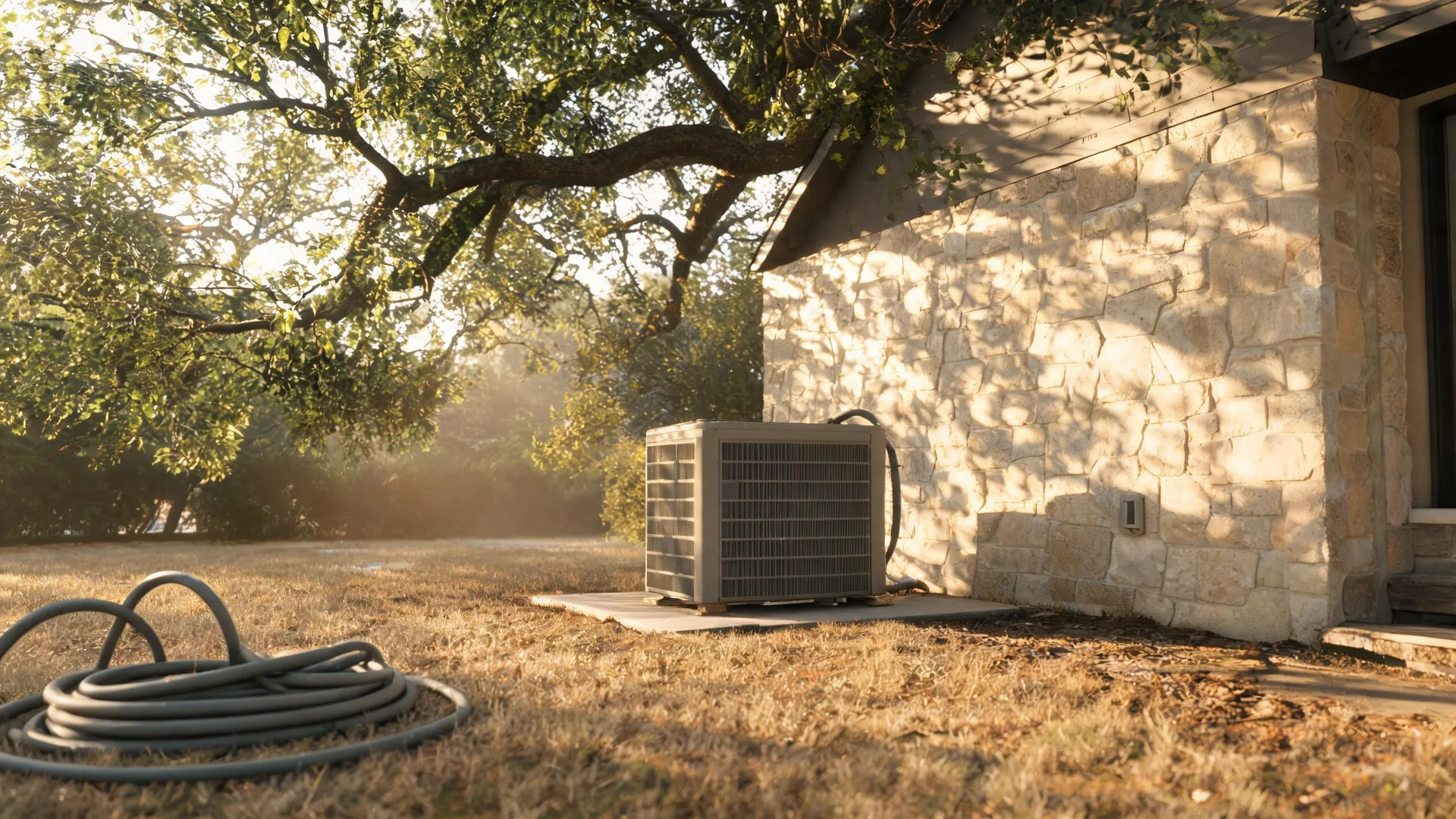
What's underneath it stays, mostly

If the house wiring already supports electric heat, that wiring and the electrical panel capacity get checked against what the new heat pump draws, not rebuilt from scratch. A breaker gets swapped or added where it needs to be. Nothing about the removal changes how the new system gets sized or charged. That part of the job happens on its own schedule, separate from clearing out what came before it.

What a heat pump installation costs comes down to more than the unit itself. The outdoor condenser and indoor air handler are only part of the job. Labor to set the refrigerant lines, run new wiring if the panel needs it, and modify ductwork if the existing runs don't match what the new system moves all add up before the equipment even turns on. A straight swap, where the old unit sat in the same spot and the ductwork already fits, goes faster and costs less than one where the line set has to be rerouted or the panel upgraded to carry the load. Higher efficiency equipment costs more up front, and so does a variable speed compressor over a single stage one, since there's more to it mechanically. None of that shows up on the price tag the way the tonnage does, but it's where most of the quote actually comes from.

Installation day starts before anyone touches the old unit, with the contractor confirming the load calculation and duct setup match what was quoted. The outdoor condenser goes in on a pad or bracket, the indoor air handler connects to the existing ductwork or new line set, and the electrical tie-in happens once the panel capacity checks out. Refrigerant lines get connected, pressure tested for leaks, then evacuated to pull out moisture and air before any refrigerant charge goes in. That charge gets weighed in to the exact amount the manufacturer specifies, not topped off by feel, since an overcharged or undercharged system wears the compressor down early. Once it's running, the contractor checks airflow at the registers and confirms the thermostat is talking to the system correctly. A system that passes all of that before the crew leaves is one that should run the way it's supposed to for years, not just on day one.