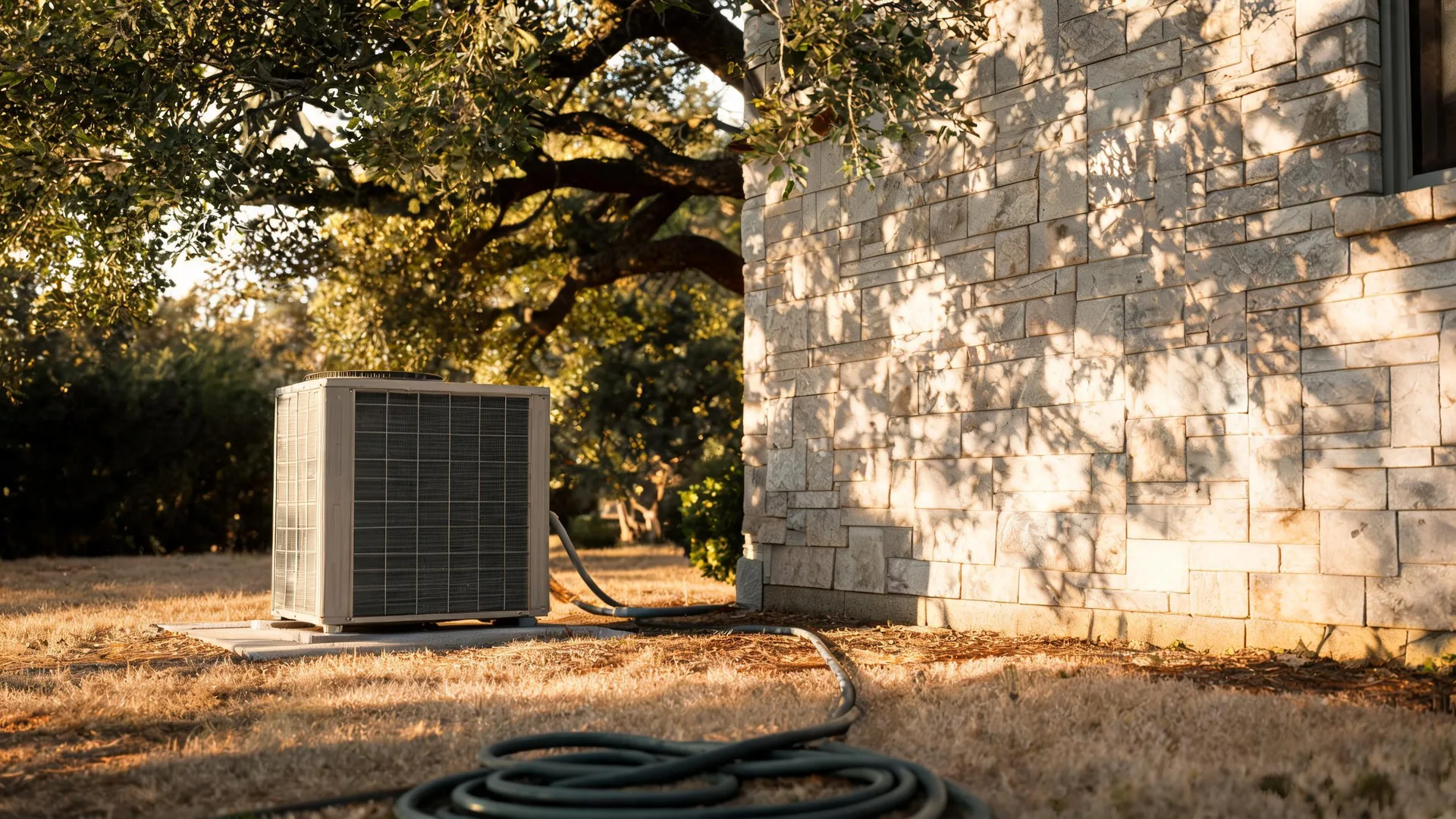
Electricity already runs most homes here
Electricity heats 73.2% of occupied homes in Minidoka County. A heat pump fits a house wired for electric heat without adding gas lines or new fuel service.
Takes about a minute. No obligation.
Electricity heats 73.2% of occupied homes in Minidoka County. A heat pump fits a house wired for electric heat without adding gas lines or new fuel service.
An electric furnace and a heat pump draw power differently, and the breaker sized for one may not suit the other. Whoever installs the system needs to check the panel and circuit before sizing the equipment.
NOAA nClimDiv, 1991–2020 normals
Winter nights here average 18°F, cold enough for a heat pump to work for its keep.
A unit sized for that number, not for milder averages elsewhere, keeps up on the coldest nights in Rupert.



A standard size and efficiency heat pump is the right call here. Nothing about Rupert pushes you toward oversizing the unit or paying for a higher efficiency tier than you'd get anywhere else in Idaho. What does matter is the electric rate you're actually paying. Idaho homes paid 11.52 cents per kilowatthour in 2024, which is below the national average, and that changes the math on running a heat pump against other electric heat. A correctly sized system at a standard efficiency rating will do the job without you needing to pay for more than that.
Split-system heat pumps built from 2023 on have to hit 14.3 SEER2 and 7.5 HSPF2 everywhere, Rupert included. That's the floor, not a Rupert-specific upgrade. A unit meeting those minimums and sized for this house is what the installation needs to pass.
Find a contractorHalf the homes in Minidoka County were built in 1976 or earlier, half since. A heat pump doesn't know which half yours is in. It runs the same hours, day into night, whether the house is old or new. What the installer checks is the panel and the ductwork already there, not the year the house went up.
Replacing a furnace or air conditioner with a heat pump means the old unit comes out. Refrigerant in the old lines gets recovered rather than vented, since that's required no matter what replaces it. If the old setup had a separate outdoor condenser, that gets disconnected and removed along with the indoor unit.
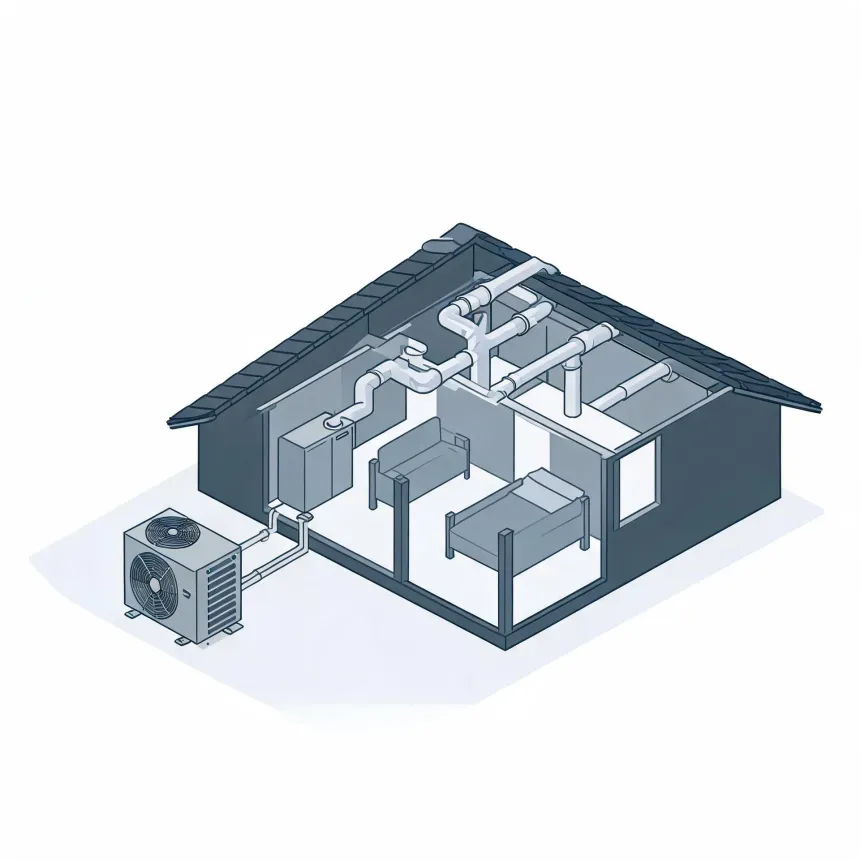
A heat pump can often run on the same duct runs the old furnace used. But a heat pump moves air differently than a furnace does, so the installer checks the duct sizing and return vents before connecting the new system to them. Ducts built for one may not suit the other without some adjustment.
When you're comparing quotes, ask what the contractor used to size the unit. A proper sizing uses the heat loss and heat gain of the house, not just the square footage, and a unit sized off square footage alone can end up wrong in either direction. Ask what happens below the compressor's rated output, since every heat pump reaches a point where it can't pull enough heat from outside air and something else has to carry the load. Some systems handle that with electric resistance backup built into the air handler. Others expect the existing furnace to kick in as a second stage. Those are different installations with different wiring, so the quote should say which one you're getting. Ask too whether the quote includes a line set long enough for where the outdoor unit will actually sit, since that changes both the install and how the system runs once it's in.
Installation day starts with the old system coming apart, not the new one going in. The crew pulls the indoor and outdoor units, caps or reworks the line set, and runs power to where the new outdoor unit will sit. Setting the outdoor unit means a level pad and enough clearance around it for air to move freely, since a unit crowded against a wall or buried in anything will struggle to pull heat from the air. Inside, the air handler or coil goes in, the refrigerant lines get connected and sealed, and the whole system gets pressure tested before any refrigerant is charged into it. Once it's charged, the installer runs it through both modes, heating and cooling, and checks airflow at the vents and the temperature split across the coil. A system that passes those checks on install day is one that's been proven to work, not just assumed to.