





An outdoor heat pump unit mounted on a concrete pad in front of a two-story suburban house with a landscaped lawn.

Heat Pump Installation in Salmon, ID

Tell us about the job

Takes about a minute. No obligation.

New system or replacementHeat PumpLemhi County, ID
Step 1 of 2

What ZIP code is the job in?

Electricity heats 40.8% of occupied homes in Lemhi County, more than any other fuel, with LP gas a distant second at 25.5%. A heat pump fits right into that picture since it runs on electricity like the furnace or baseboard heat it might replace. There's no gas line to add and no propane tank to deal with. That makes installation more about sizing the system to your house than about switching fuels.

11 months
August through June, your system heats
13°F
the average winter night it heats against
73°F
the average summer afternoon it cools against
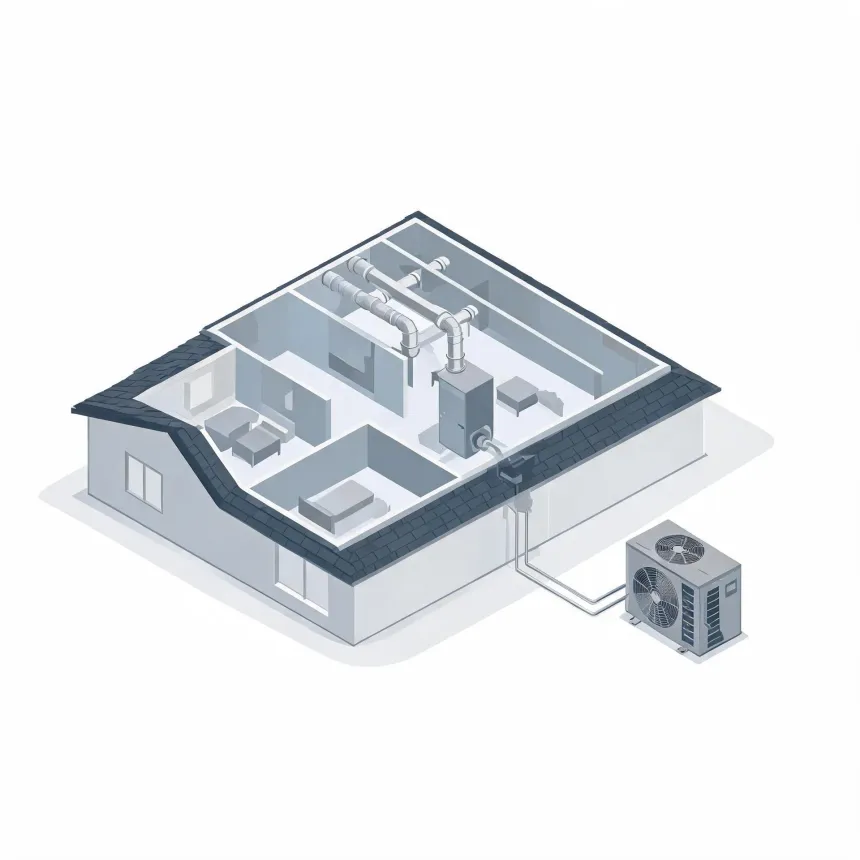
Isometric cutaway illustration of a single-story house showing interior rooms with ductwork, a furnace or air handler, and refrigerant lines running outside to a condenser unit on a pad.

Half the homes in Lemhi County were built in 1979 or earlier.

A standard heat pump sized to your square footage handles a house that age just as well as a newer one.

Winters this cold still call for a standard heat pump, sized right

24 winter storms from 2015 to 2024
Winter nights average 13°F
Power costs 11.52 cents a kWh statewide

Heat here runs almost eleven months, August through June. July is the one month off, and that makes it the time to put in a new heat pump rather than waiting for the system you have now to fail on you. A summer install gets sized and set up on a normal schedule, tested before it has to carry a cold morning. Put it off until August and you're making that choice in a hurry instead of ahead of it.

Standard sizing, built for how Salmon homes already run

A standard heat pump, sized to your house, is built to run on electricity, and at 11.52 cents a kilowatt-hour that's what it will cost to run. There's no reason to size up or pay for extra capacity this house doesn't need.

Find a contractor
A man in a brown jacket and cap, seen from behind, carries a canvas tool bag up porch steps toward a blue front door beside a potted broad-leafed plant.
A residential heat pump outdoor unit mounted on a concrete pad next to a house with gray vinyl siding.

What to ask about a system that runs this many hours a year

A heat pump runs every time your house needs heat or cooling, not just on the coldest or hottest days, so ask what happens during the hours it runs the most. Ask how the system defrosts itself in cold weather, since ice builds up on the outdoor coil and it has to reverse cycle to melt it off. Ask what backup heat kicks in when the outdoor unit can't keep up on its own, and how the system decides when to switch to it. Ask about the compressor, since that's the part doing the work hour after hour, and what's covered if it fails. A system built to run this many hours a year should hold up to being asked these questions plainly.

The rating tells you the ratio, not the bill

The efficiency rating on a heat pump's label measures how much heat it moves for the electricity it uses. A higher rating means it moves more heat per unit of power. It doesn't tell you what your house needs to stay warm, and it doesn't account for how cold it gets outside where the unit sits. The rating comes from a lab test, not a promise about your bill.
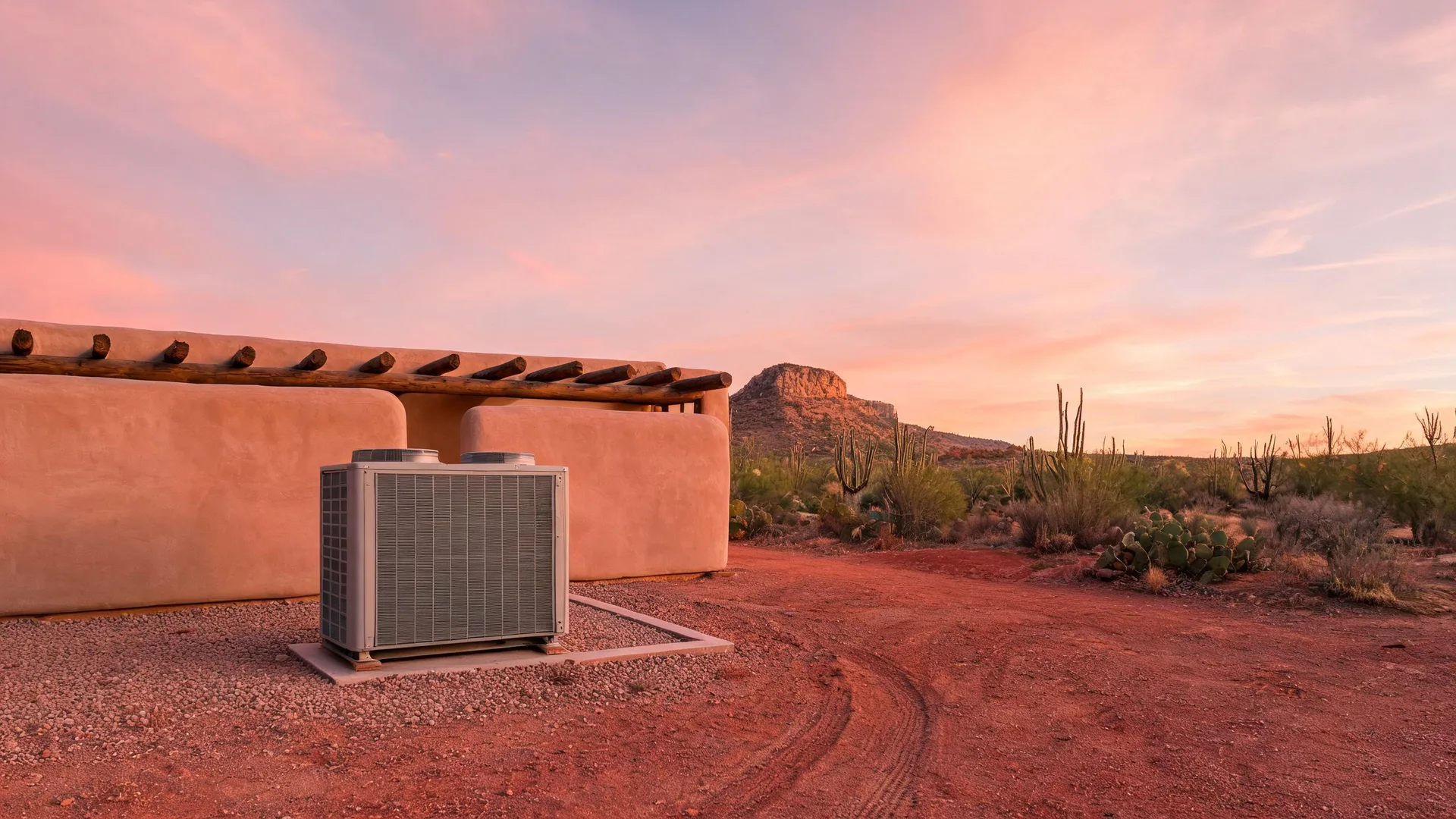
A higher rating only pays off if the system fits the house

Paying more for a higher rating than the house calls for buys equipment, not comfort. The rating only means something once the system is sized to the square footage and the climate it has to work in. A properly sized standard unit will outperform an oversized or undersized one carrying a flashier number on the label.

Sizing a heat pump starts with a load calculation, not a tape measure around the house. A contractor works out how much heat the house loses on a cold day and how much it gains on a hot one, factoring in windows, insulation, ceiling height, and how the rooms are laid out. That number tells you what the system actually has to deliver, and it's rarely the same as what square footage alone would suggest. Go too big and the unit short cycles, reaching the thermostat setting fast and shutting off before it's pulled enough moisture out of the air or run long enough to feel steady. Go too small and it runs flat out on the coldest and hottest days and still falls behind, leaning on backup heat more than it should. The right size is the one that matches what the house loses and gains, nothing more and nothing less.

Install day starts outside with the condenser going on a pad or mounted bracket, then the line set run connecting it to the indoor unit. If the job is a straight swap, the crew reuses the existing line set when it's in good shape, pressure tests it, and pulls a vacuum to clear out moisture and air before any refrigerant goes in. That vacuum step matters more than people expect, since trapped moisture in the lines causes problems well after the crew is gone. Indoors, the air handler or coil gets set, the electrical connections get made, and the thermostat gets wired and configured for a heat pump rather than a furnace, which is a different setup if the house is converting from one. Once it's charged and powered up, a tech runs the system in both heating and cooling, checks the temperature split at the vents, and confirms the backup heat kicks in the way it should. The whole thing gets tested before anyone leaves, not left for the first cold night to find out.