






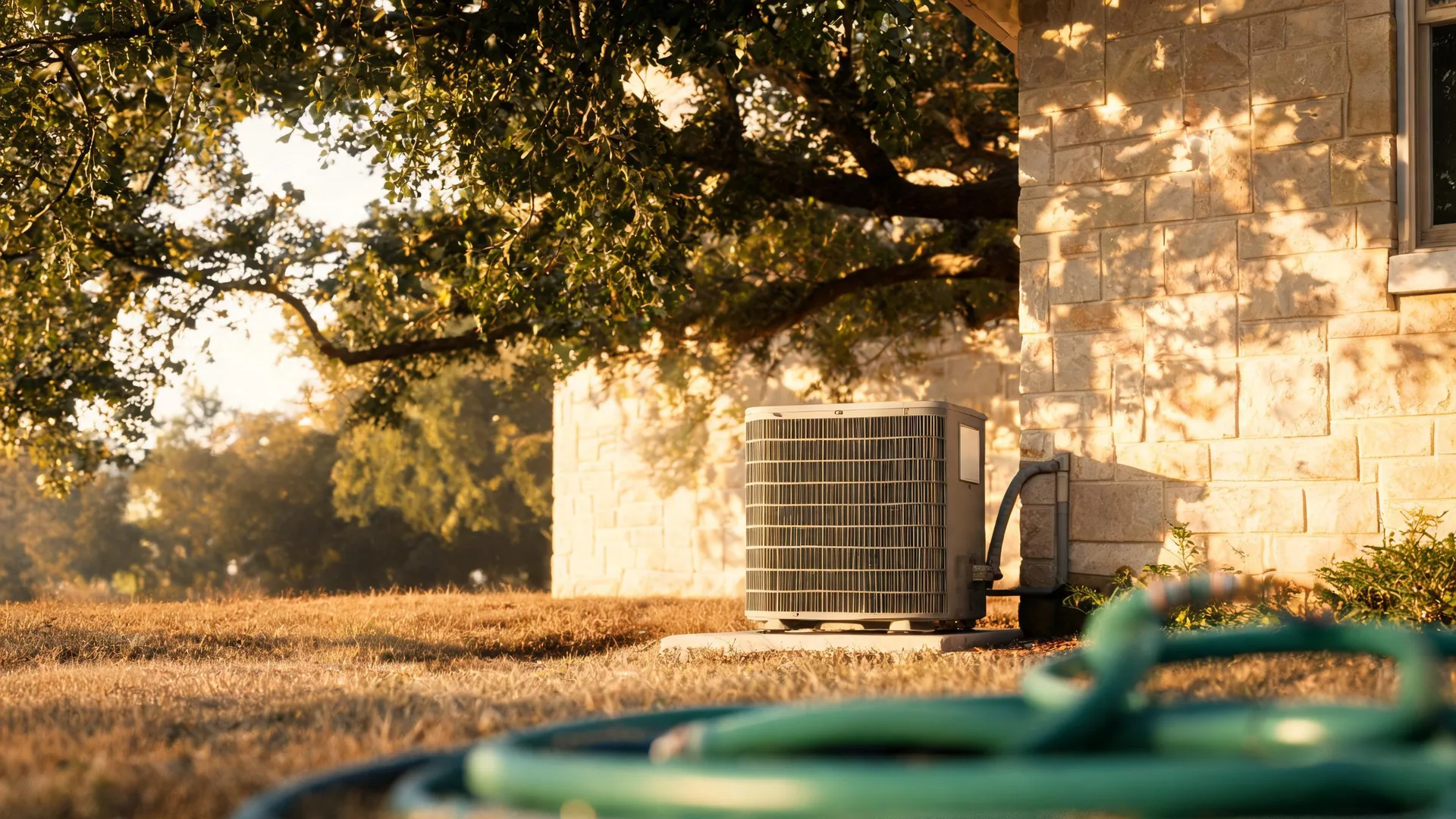
An outdoor heat pump unit mounted on a concrete pad beside a house with beige siding and a landscaped garden bed.

Heat Pump Repair in Council, ID

Tell us about the job

Takes about a minute. No obligation.

RepairHeat PumpAdams County, ID
Step 1 of 2

What ZIP code is the job in?

Heat here runs almost all year, September through June, with just July off. That long stretch means your heat pump switches between heating and cooling modes more than most equipment ever has to, and the reversing valve takes the brunt of it. August is the one month to get a repair done before the load comes back hard in September. A unit that's been limping along in low-demand months will often show its real problem in the first cold snap, when it has to work instead of coast. If something's already acting up, don't wait for that first week of September to find out how bad it is.

10 months
September through June, your system heats
1 months
July through July, it cools
19°F
the average winter night it heats against
78°F
the average summer afternoon it cools against
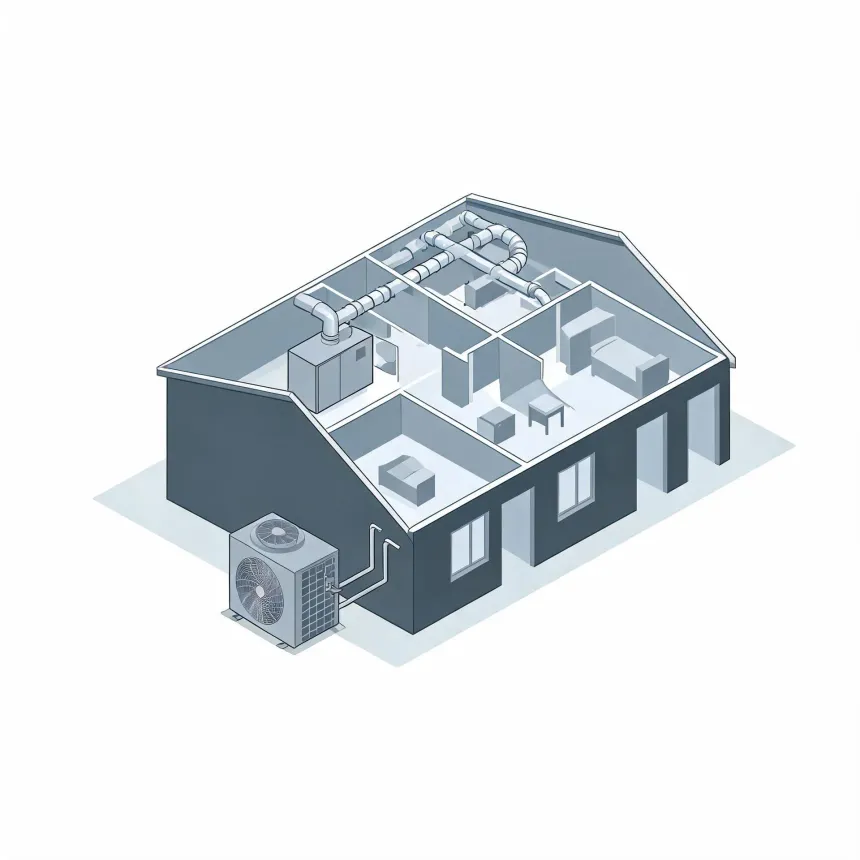
Isometric cutaway illustration of a single-story house showing interior rooms, attic ductwork and an air handler, with an outdoor condenser unit connected by lines along the exterior wall.
Your system heats September through June and cools July through July.

NOAA nClimDiv, 1991–2020 normals

When a heat pump can't decide between heating and cooling, or blows air that isn't warm enough, the reversing valve is usually why.

A valve that's stuck or going bad won't always quit outright, so a strange cycle now is worth a look before it picks the coldest morning to fail.

Nothing here runs this machine harder than any other place its age

48 winter storms from 2015 to 2024
Winter nights average 19°F
Power costs 11.52 cents a kWh statewide
Nothing unusual here, just the usual wearIdaho homes paid 11.52 cents per kilowatt-hour in 2024, enough reason to keep one running right

If your heat pump came with a newer build here, age probably isn't what's wrong with it. A unit that young hasn't earned a breakdown just from time passing. That points toward repair over replacement when something acts up, especially a reversing valve that's sticking rather than one that's actually failed. Worth asking the contractor straight out how old the unit is and what shape it's in before any talk of swapping it out. If it came with the house and the house is newer, repair is the call.

Get it looked at early

Problems tend to show up in the first weeks of the season, when the load hits a part that was already weak.

Find a contractor
A man in a cap, gray long-sleeve shirt and tan work pants carries a canvas tool bag up gray porch steps toward a dark blue front door, with a blue ceramic planter and shrub beside it.
A dark gray heat pump unit mounted on a concrete pad next to a house with gray siding and a stone veneer wall.

What to check before you pick up the phone

Before you call, check the thermostat first. Make sure it's set to heat and not accidentally switched to cool or fan only, and check the batteries if it uses them. Go outside and look at the outdoor unit. If the coil is packed with ice or snow, that's worth noting, but don't chip at it or spray it with water. Look for anything blocking airflow around the unit, like leaves or debris pulled against the sides. Inside, pull the air filter and hold it up to a light. If you can't see light through it, that's restricting airflow to the whole system and it's an easy swap. Check that every supply vent in the house is open and not blocked by furniture or rugs. Walk around and listen for anything new, a buzz, a click that repeats, air blowing but not warm. Note when it started and whether it lines up with a specific cycle, like switching from heat to defrost. None of this fixes a bad reversing valve, but it rules out the simple stuff before someone drives out to look at the complicated stuff.

A sticking valve wears the parts around it

When the reversing valve won't fully shift, the compressor ends up working against pressure it wasn't built to push against. Run it like that for weeks and you're not looking at a valve swap anymore, you're looking at a compressor too. That's the difference between a repair and a system that's done.
Weak airflow problems don't stay small

A dirty filter or a frosted coil starves the system of airflow, and the compressor doesn't know to back off. It keeps drawing the same power trying to move air that isn't there. Left alone, that strain is what turns a clogged filter into a failed compressor.

Beyond the reversing valve, a few other things wear out on their own schedule. The run capacitor loses its charge over time and the compressor starts and stops harder than it should, sometimes with a hum before it kicks on. The contactor that switches power to the outdoor unit pits and burns with every cycle until it sticks or stops making contact at all. Outside, the defrost sensor can fail and leave the coil icing over with no way to clear itself. Low refrigerant almost never means it got used up, it means there's a leak somewhere in the line, and adding more without finding the leak just delays the same call. Fan motors seize on their bearings after years of spinning, and you'll hear that as a grinding or a motor that hums but doesn't turn.

A diagnostic visit starts with the thermostat and works outward, same as the checks above, but a contractor carries it further with gauges and meters. Refrigerant pressures get checked on both the high and low side. That tells whether the charge is right or whether a leak is draining it slowly. The reversing valve gets tested directly, usually by forcing a switch between heating and cooling and watching whether the valve actually moves or just hums and stays put. Voltage to the compressor gets checked, along with the draw on the run capacitor and continuity through the contactor. Outside, the coil gets inspected for frost patterns that point to a bad defrost sensor rather than just a dirty coil. The readings either match a healthy system or they don't, and that's what tells the contractor whether it's a part swap or something bigger.