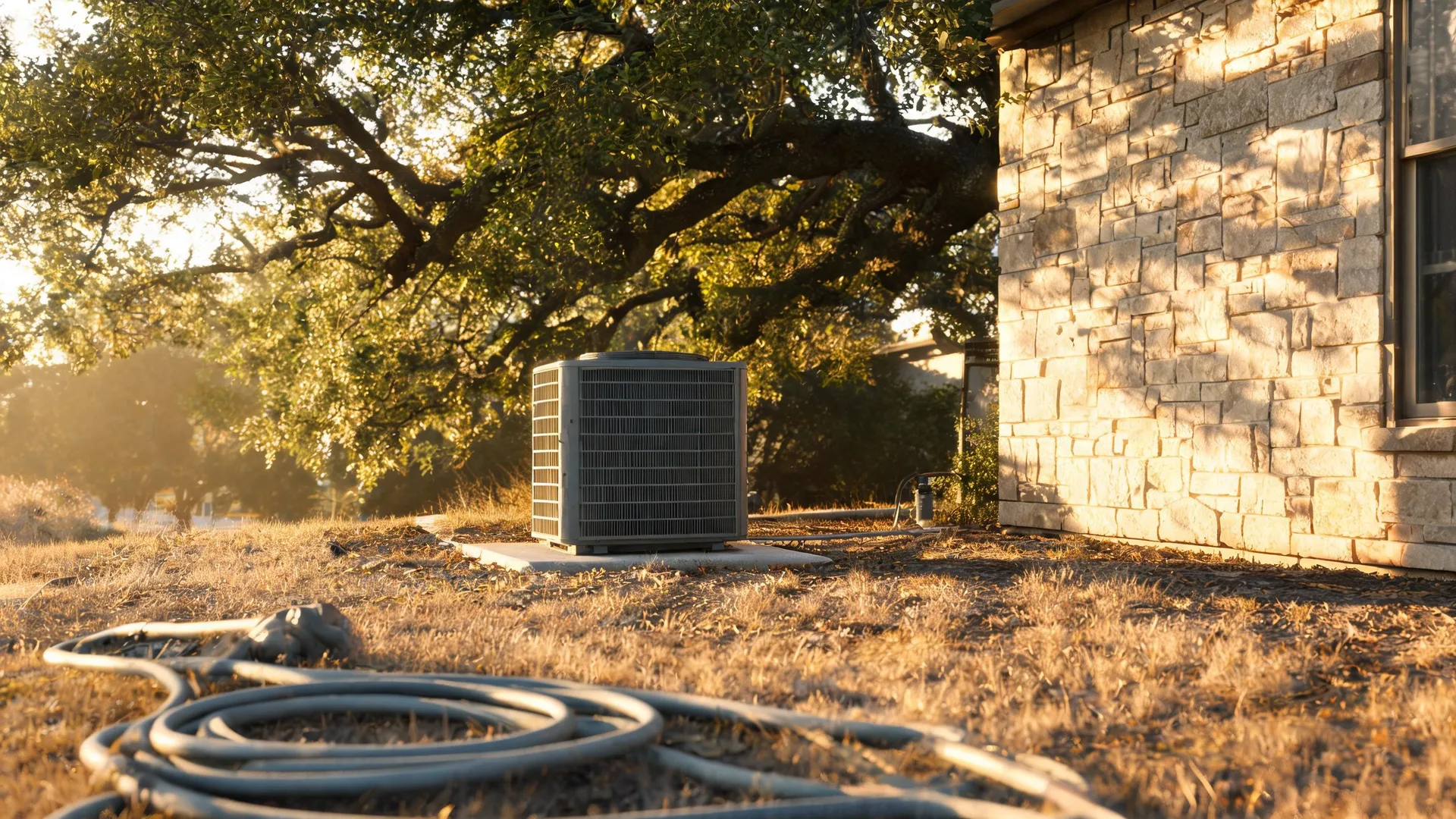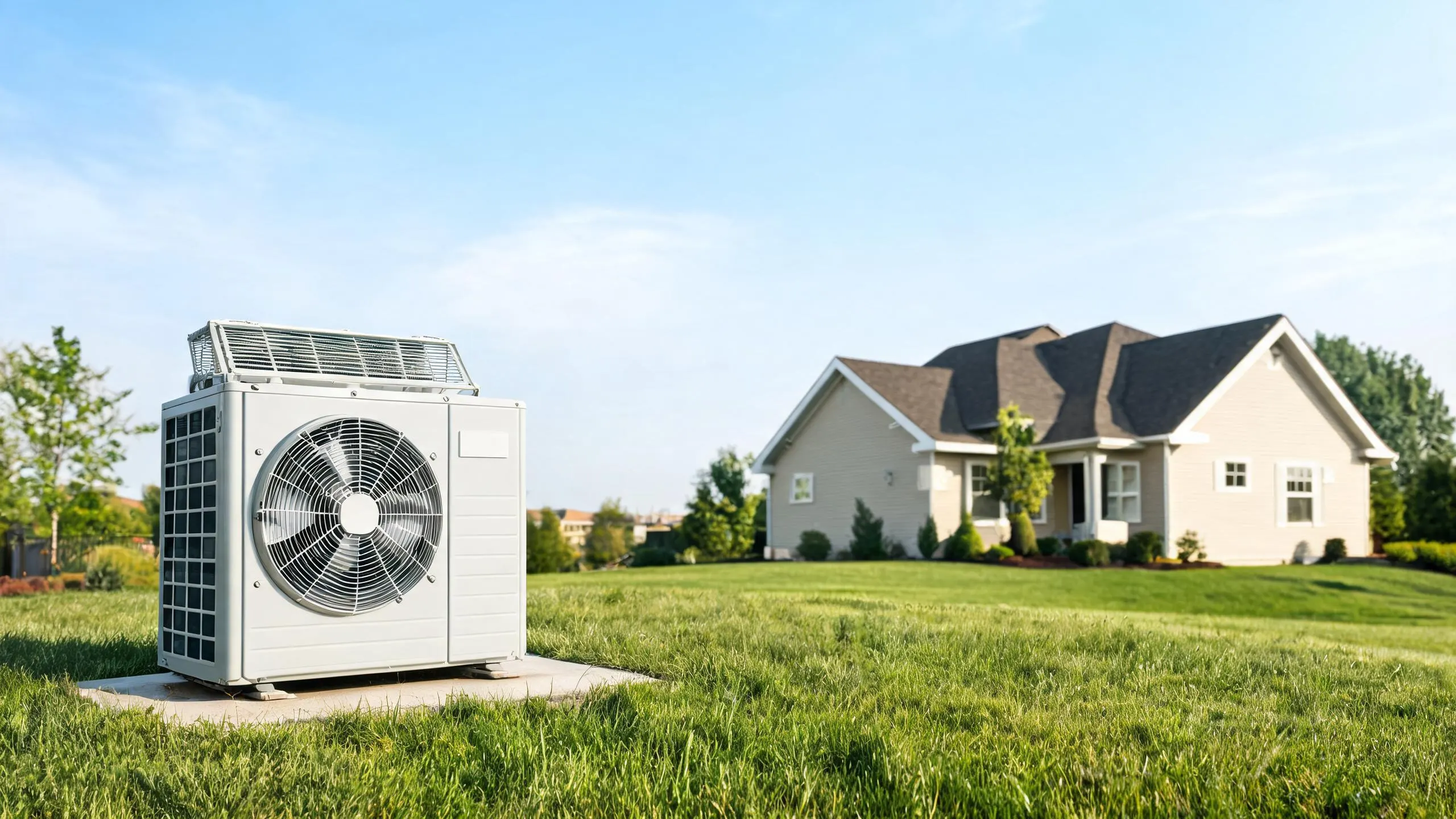
Cold nights, normal work for a heat pump
Kellogg sits around 22°F on a winter night, December through January and February. A heat pump is built to pull heat out of air that cold. That is the job, not a strain on it.
Takes about a minute. No obligation.
Kellogg sits around 22°F on a winter night, December through January and February. A heat pump is built to pull heat out of air that cold. That is the job, not a strain on it.
When a heat pump struggles here, the cause is almost always something on the equipment itself. A low charge. A failing defrost control. A dirty coil. Find that part and fix it, and the system handles the cold the way it was built to.
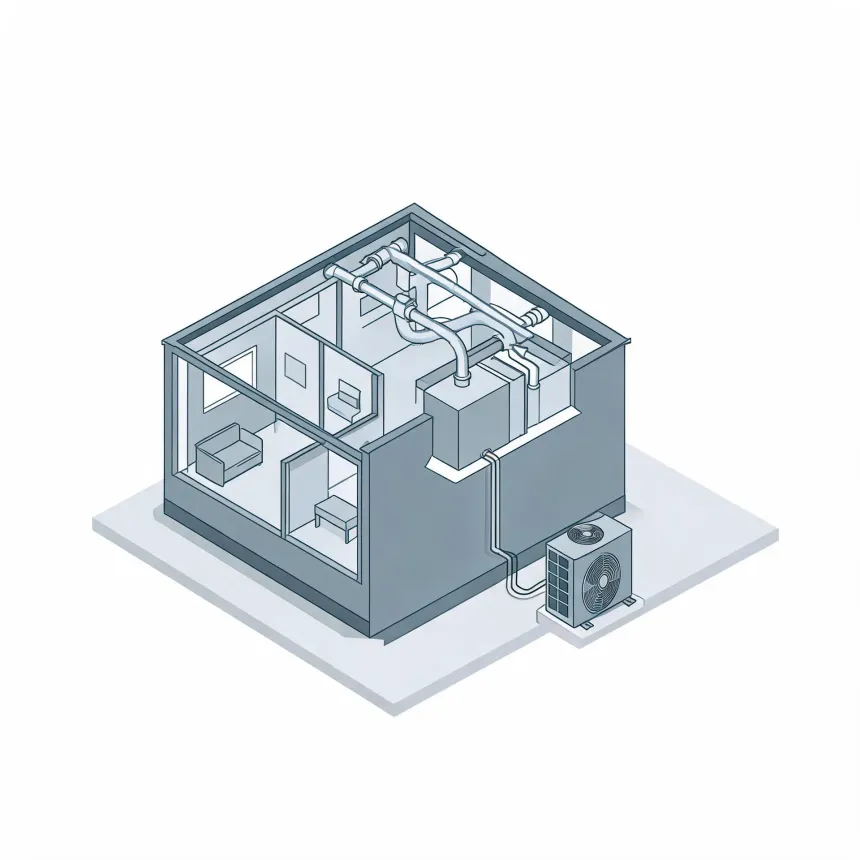
Heat here starts up in September, a month after most of Kellogg is still running summer errands.
Whatever is wrong with your heat pump now has had since August to get worse, so have it looked at before the cold really sets in.




Most heat pump failures trace back to the same handful of parts. The reversing valve is a common one. It is what switches the system between heating and cooling, and when it sticks, the unit keeps running but stops putting out warm air. A failing defrost control is another. It is supposed to clear frost off the outdoor coil on a schedule, and when it doesn't, ice builds up until the unit can't pull heat from the air at all. Low refrigerant charge shows up often too, usually from a slow leak rather than a sudden one, and it starves the system of what it needs to move heat. The outdoor coil itself can foul with dirt or get blocked by anything piled against the unit, and that cuts off the airflow it depends on. A weak capacitor or a failing fan motor will keep the compressor from starting right, which is often mistaken for the whole unit going bad when it's really one part.
If your heat pump came with the house, find out how much life it has left before you pay for a major repair on it. A contractor can check that at the same visit.
Find a contractor
Before anyone comes out, walk around the outdoor unit. Clear away leaves, mulch, or anything piled against the cabinet. The coil needs open air on all sides to pull heat from it. Look at the coil itself for a coating of dirt or lint. Inside, pull the air filter and hold it up to the light. If you can't see through it, swap it. Check the thermostat is set to heat and the batteries aren't low, since a dead battery can leave it stuck showing a setting it isn't actually running. If the outdoor unit has a heavy buildup of ice rather than a thin frost layer, leave it alone and mention it when you call. Listen for a hum with no fan turning, or a click that repeats without the unit ever starting. None of this will fix a bad reversing valve or a low charge. It just rules out the easy stuff before anyone drives out.
A thin frost layer on the outdoor coil is normal. Once a defrost control fails to clear it, the ice keeps building with every cycle, and thicker ice blocks more airflow than the cycle before it. A unit that could still pull some heat through light frost can't pull any once the coil is sealed in ice.
Refrigerant does not get used up, it leaks out. A small leak left alone keeps leaking, and the compressor keeps working harder to move heat with less refrigerant each week. Compressors are not built to run low on charge for long, and one that keeps trying usually fails before the leak ever gets found on its own.
A heat pump in trouble gives off signs before it quits. Warm air turning lukewarm, or air that feels barely different from what's already in the room, points to a system that's lost some of its capacity, often the charge or the reversing valve. Short cycling, where it kicks on and off every few minutes instead of running a full stretch, is hard on the compressor and worth having looked at. A unit that runs constantly without ever satisfying the thermostat is pulling heat but losing the fight somewhere, maybe a dirty coil, maybe a fan that's slowing down. Listen for new noises too. A grinding or squealing fan motor, a hard clunk at startup, a hum with no fan turning at all. Ice on the outdoor coil that doesn't clear between cycles is never normal, no matter how cold it is outside. Any of these is reason enough to get it checked before the part behind it fails completely.
A diagnostic visit starts outside, at the unit itself. A contractor will check the refrigerant charge, since too little points straight to a leak somewhere in the line set. They'll run the system through a full cycle, heating and defrost both, to see whether the reversing valve actually switches when it's told to. The outdoor coil gets a close look for dirt or ice, and the fan motor and capacitor get tested under load, not just a glance. Electrical connections get checked too, since a loose wire can mimic a failing part and send someone chasing the wrong fix. The goal is to find which part is actually behind what you're seeing, not to replace parts until something works.