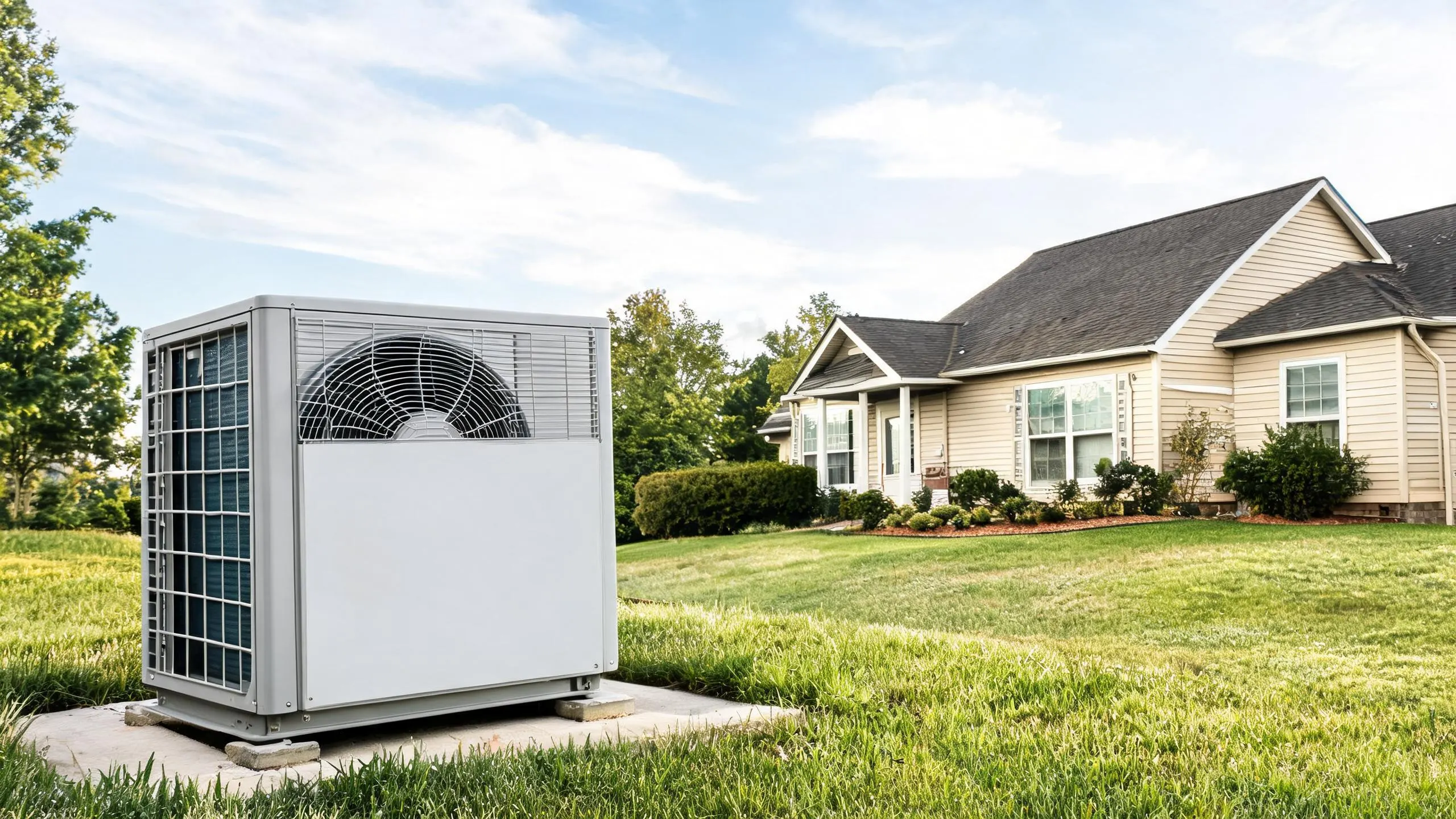







An outdoor heat pump unit mounted on a concrete pad in front of a single-story suburban house with beige siding.

Heat Pump Repair in Bonners Ferry, ID

Tell us about the job

Takes about a minute. No obligation.

RepairHeat PumpBoundary County, ID
Step 1 of 2

What ZIP code is the job in?

Winters here run cold. Bonners Ferry sees an overnight average of 20°F through December, January and February, and that's the stretch when a struggling heat pump shows itself. It might run long without warming the house, ice up and not clear itself, or switch over to backup heat and stay there. None of that means the cold is too much for it. Heat pumps are built to work in weather like this. More likely something in the system needs attention, whether that's refrigerant charge, the defrost control, or a part that's worn down, and a contractor can trace it to the actual cause.

10 months
September through June, your system heats
20°F
the average winter night it heats against
71°F
the average summer afternoon it cools against
Isometric cutaway illustration of a single-story house with a dark gabled roof, showing interior rooms with ductwork leading to an indoor air handler and an outdoor condenser unit connected by lines on the ground outside.

Heat here starts in September and runs until June.

August is when a heat pump should get checked, before the first cold week finds the weak part.

Power, wind and winter storms here are ordinary, not extreme

Power costs 11.52 cents a kWh statewide
41 damaging wind events from 2015 to 2024
338 winter storms from 2015 to 2024
A newer county, built for thisHalf the homes in Boundary County were built in 1991 or later.

A heat pump fails in a few predictable spots. The reversing valve is one, since it's what switches the system between heating and cooling, and a stuck valve means it gets locked into one mode or starts blowing air that doesn't match the setting. The defrost control is another, it's job is to melt off the ice that builds on the outdoor coil, and if the sensor or the board behind it fails, that ice keeps building until airflow is blocked. Low refrigerant from a slow leak shows up as a system that runs and runs without catching up, since it's moving heat with less than it needs to work with. Capacitors and contactors wear out from the electrical load of starting and stopping, and when they go, the outdoor unit can hum without starting or not start at all. A dirty outdoor coil does the same kind of damage over time, choking off the airflow the system depends on to pull heat from the outside air.

A system this age is usually worth fixing

Half the homes in this county were built in 1991 or later, so there's a good chance yours is one of them. A heat pump that age still has a lot of working life in it, and most of what goes wrong, a worn capacitor, a failed defrost sensor, a slow refrigerant leak, is a repair, not a reason to replace it. Worth getting a contractor out to find the actual cause.

Find a contractor
A man in a dark long-sleeved shirt and tan work pants, seen from behind, carries a canvas tool bag up porch steps toward a blue paneled front door of a house with light lap siding and a potted flowering plant.
A gray heat pump condenser unit mounted on a concrete pad against the gray lap-siding exterior wall of a house.

A small problem doesn't stay small if it keeps running

A heat pump that keeps running with something wrong doesn't wait patiently for a repair. Low refrigerant means the compressor works harder to move the same heat, and that extra strain wears it down faster than a properly charged system ever would. A stuck defrost cycle lets ice build on the outdoor coil until airflow chokes off, and the system can start pulling in more current just trying to do its job. A failing capacitor puts more load on the contactor it works with, so one worn part drags the next part down with it. Run it long enough in that state and a problem that started in a sensor or a valve ends up in the compressor instead. The compressor is the part everything else depends on, and it's not something that gets patched. None of this means a strange noise or a long run cycle is an emergency. It means the longer it runs that way, the fewer options there are when someone finally looks at it.

What you can check yourself

Clear the outdoor unit of leaves, snow or anything piled against it. It needs open air on all sides to work. Check the air filter inside and swap it if it's packed with dust. Walk the house and make sure no supply vents are closed off or blocked by furniture. Look at the thermostat and confirm it's set to heat, not cool, and that the set temperature is actually above the room temperature. These take a few minutes and sometimes the fix really is that simple.
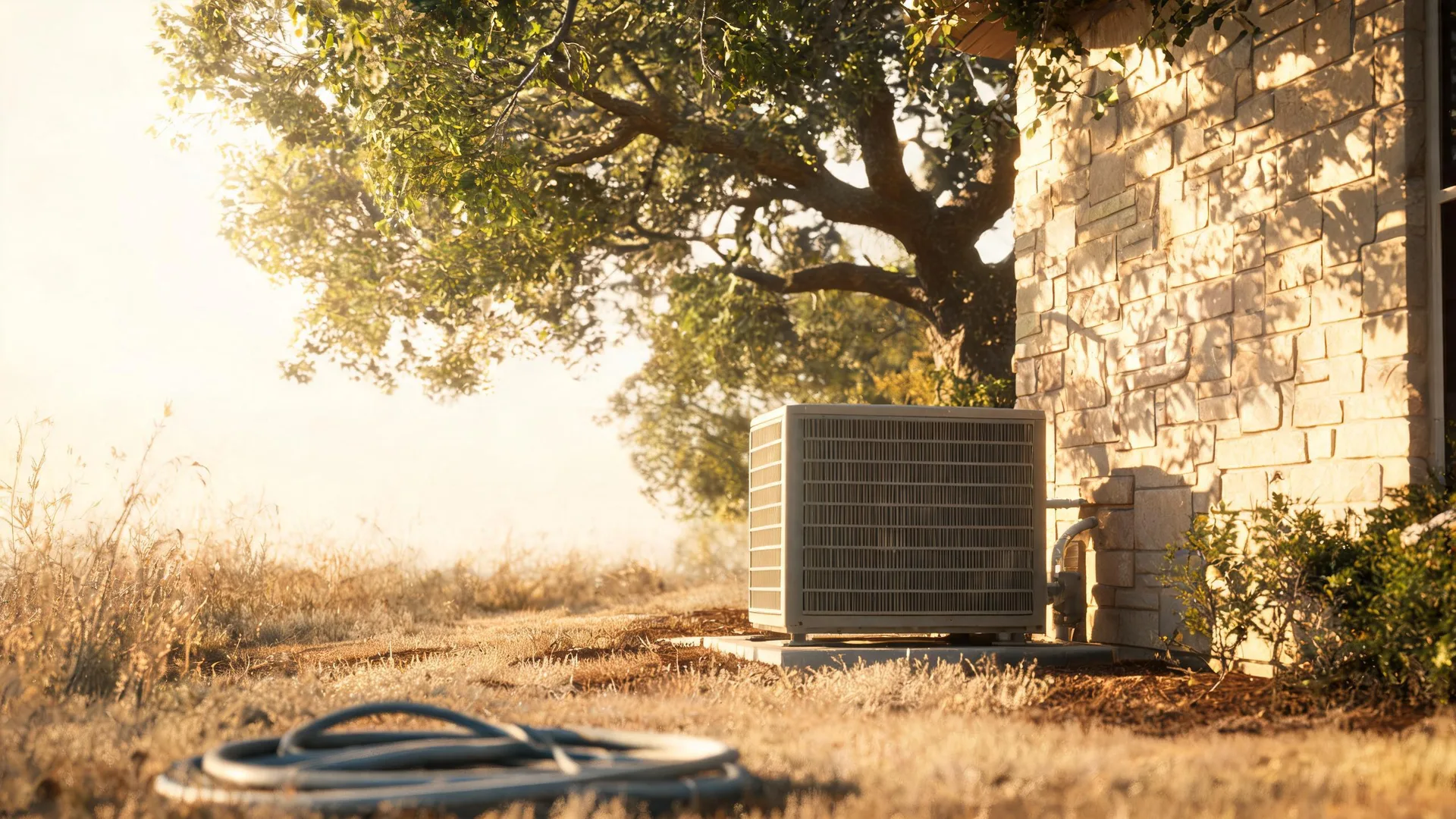
What to leave alone

Ice on the outdoor coil looks alarming, but don't chip at it or pour water on it. A working system clears that ice on its own during a normal defrost cycle. If it's still there after a few hours, that's something to tell the contractor, not something to fix with a hose. Leave the panels on the outdoor unit alone too. What's behind them runs on high voltage, and that's not something to sort out standing outside in the cold.

Most people notice a heat pump problem before they could ever name it. The air coming out of the vents feels cool instead of warm, even though the system is running. Or it runs and runs, never quite catching up to the thermostat setting. Some notice the outdoor unit cycling on and off more than it used to, or making a hum without actually starting. Others see ice sitting on the outdoor coil long after it should have melted off. A burning smell, a new rattle, a short cycle that used to run long, any change from how it normally behaves is worth paying attention to. The system won't tell you which part is failing. It just tells you something is off, and that's the cue to get it looked at.

Repair versus replacement comes down to what's actually failing and what it's connected to. A capacitor, a contactor, a defrost sensor, these sit off to the side, and swapping one doesn't put any strain on the rest of the system. The compressor is a different matter. It's sealed, it's not something a contractor opens up and services, and when it's the compressor that's failing, that's a replacement conversation, not a repair one. Age matters less than what broke and how long it ran that way. A heat pump that's had one thing go wrong and gets fixed quickly usually keeps running the way it always has. One that's been struggling for a while, pulling extra current, icing up, straining to keep up, may have already put wear on parts that were never the original problem. The honest way to think about it is to ask what failed, not just how old the unit is.